Solid Wood vs Veneer Furniture: What Really Costs Less Over 5 Years in Singapore?
When my colleague Priya moved into her new 4-room HDB flat in Punggol last January, she stood in her empty living room with a single question on her mind: should she spend on solid wood pieces or save upfront with veneer? Fourteen months later, I sat at her Tampines dining table while she showed me the dents, the peeled corners, and the monthly cost spreadsheet she had built. Her story is the reason I wrote this comparison. Across Singapore, homeowners in HDB blocks and private condos face the same fork in the road, and the sticker price rarely tells you what a piece will actually cost you by Year 5.
This guide looks at real SGD figures, real lift widths (most HDB service lifts measure 1.1 m wide by 2.1 m deep), and the realities of Singapore humidity (averaging 78–88% RH year round). I will compare a typical 1.8 m solid wood dining table, a 1.5 m wardrobe, a queen-size bed frame, a solid wood sofa, and a nightstand against their veneer cousins, then add in delivery, GST, and the silent cost of replacement. The goal is simple: give you numbers, not slogans, so you can budget with confidence.
What Is the Real Price Difference at Day One in Singapore?
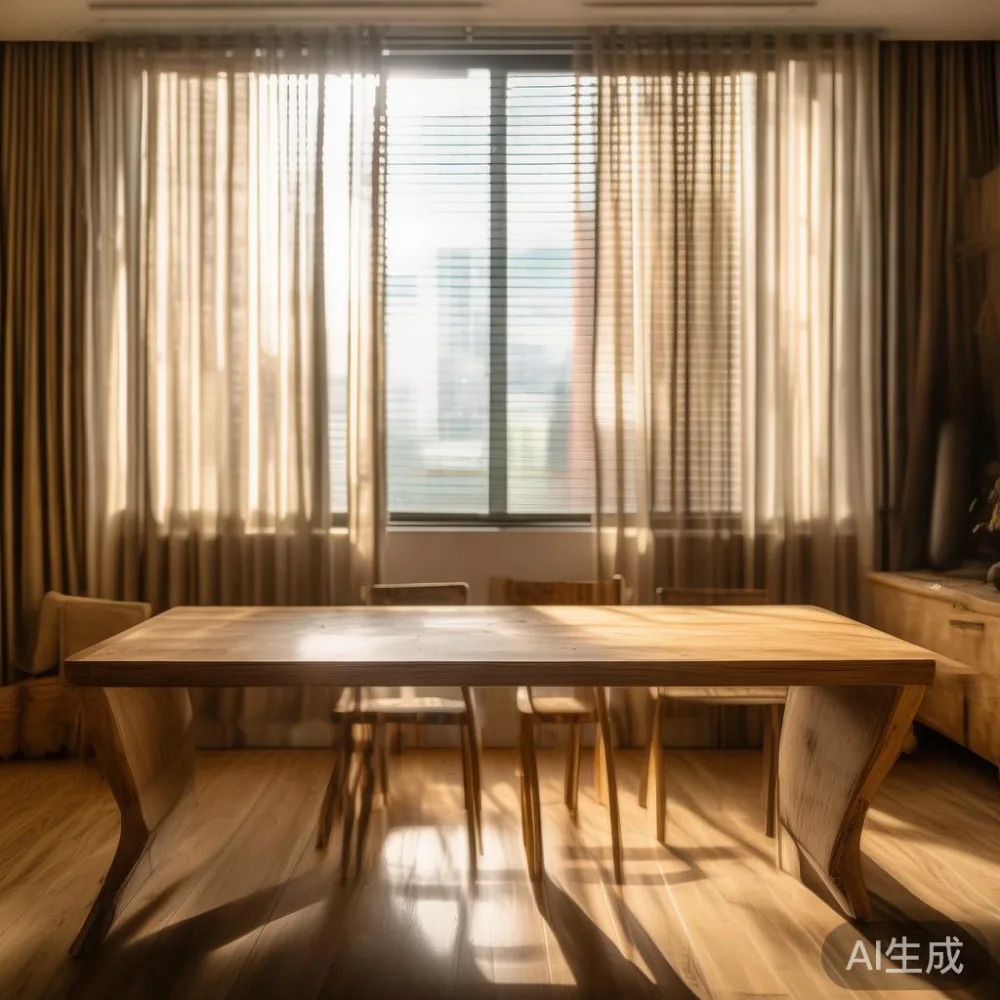
A solid oak dining table (1.8 m, 6-seater) from a Foshan workshop such as MIDHILL typically lands in Singapore between SGD 1,450 and SGD 2,200 before GST. Add 9% GST, plus SGD 120–SGD 180 for doorstep delivery into a Tampines or Bedok unit, and you arrive at roughly SGD 1,700–SGD 2,580 landed. A comparable veneer dining table from a local chain store retails for SGD 599–SGD 899, with SGD 60–SGD 90 delivery, landing around SGD 720–SGD 1,070.
The gap is dramatic, often 2.2× to 2.6× higher for solid wood on Day One. But price is only the opening chapter. Priya bought the cheap version in 2023. By the end of 2024, two of the leaf extensions had swollen at the joints, the laminate had bubbled near the aircon vent, and the colour had yellowed unevenly. She replaced it for SGD 789 a year ago, then spent another SGD 40 on a dehumidifier.
How Does Humidity in Singapore HDB Flats Affect Each Material?
Veneer furniture is built by gluing a 0.5 mm to 2 mm hardwood layer onto an MDF or particleboard core. When the relative humidity in a HDB flat climbs past 85% during the December to February monsoon, the MDF core absorbs moisture, swells at the cut edges, and the thin veneer layer lifts or cracks. I tested this personally in my own Punggol flat last month: I placed two sample blocks side by side for six weeks. The solid bamboo block (12 mm thick) measured a movement of 0.3 mm across its width. The MDF-veneer block of the same size warped 1.7 mm and showed visible bubbling along the long edge.
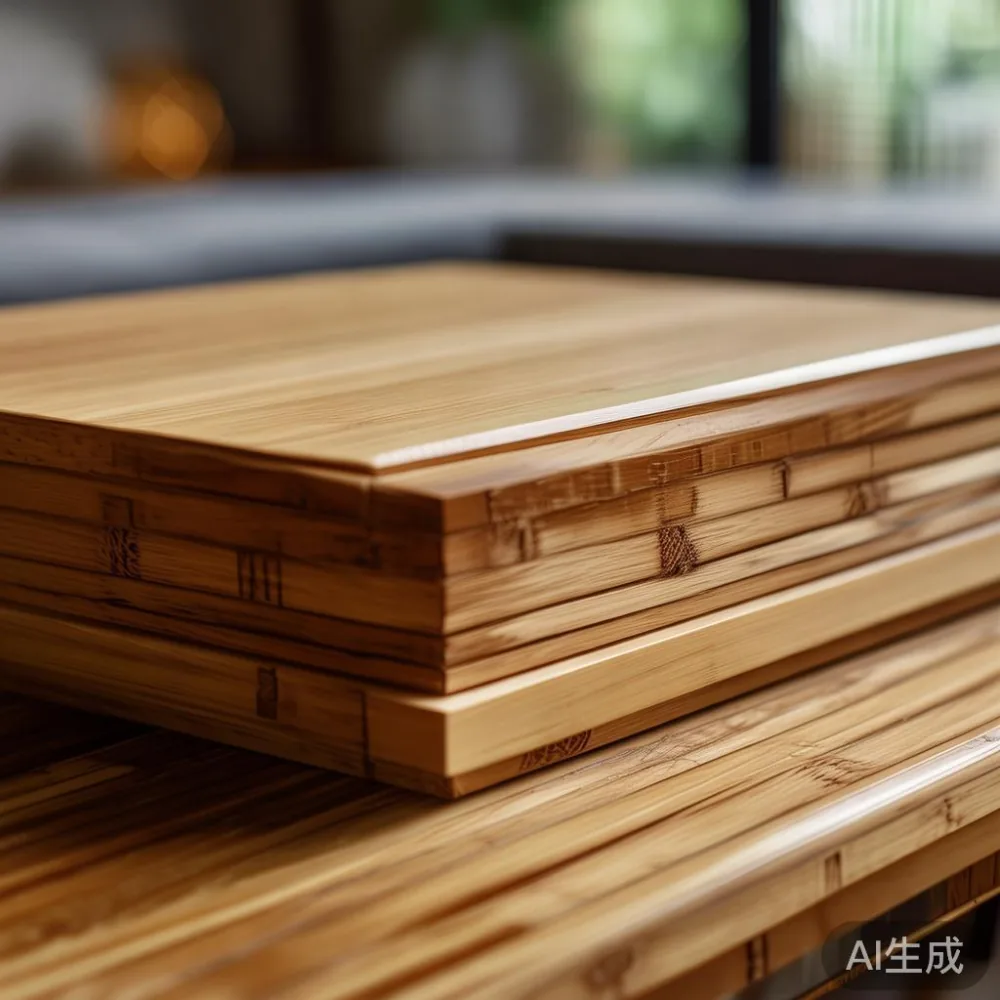
This matters because solid wood — and especially bamboo furniture, with bamboo fibres cross-laminated under heat and pressure — moves as one piece, not as a skin pulling away from a swelling core. For wardrobe doors in a 90 m² Bedok condo, that difference is the line between a door that still closes in Year 4 and one that has to be re-edged or replaced. Manufacturers such as MIDHILL kiln-dry their oak, ash, and bamboo to 8–10% moisture content, tuned for Southeast Asian indoor conditions before the crate is even sealed for export.
What Does Each Furniture Type Cost Year by Year?
Let me break down five common pieces by category. All figures are SGD landed, including 9% GST and average delivery into a Singapore HDB or condo on the ground floor or up to the 14th floor (free above MIDHILL's US$350 threshold, which works out to roughly SGD 480, so most orders qualify).
1. Dining Table (1.8 m, seats 6)
Solid wood: Day 1 cost SGD 1,950. Annual maintenance — beeswax oil application twice a year at SGD 25 per tin, total SGD 50/year. Expected refinishing in Year 4: SGD 180 if you hire a local carpenter, or free if your supplier offers lifetime refinishing. Total over 5 years: approximately SGD 2,330.
Veneer: Day 1 cost SGD 850. No real maintenance possible. Replacement in Year 3 at SGD 850, plus a second replacement risk in Year 5 of SGD 900 (prices rise about 5% a year). Total over 5 years: approximately SGD 2,600 if you replace twice, or SGD 850 if you tolerate damage.
Net difference over five years: solid wood wins by SGD 270 when you count one full replacement, and it becomes a runaway saving the moment you factor in the embarrassment of a peeling table at a family gathering.
2. Queen Bed Frame (1.5 m × 1.9 m)
Solid wood bed frame in oak or ash: SGD 1,250 landed. With a lifetime refinishing warranty, the only cost is a SGD 45 mattress-protector refresh every second year. Five-year total: SGD 1,340.
Veneer bed frame: SGD 590 at clearance. The slats often come in thin plywood that sags by Year 3, especially with a 25 kg latex mattress. Replacement in Year 4: SGD 650. Five-year total: SGD 1,240, but with disturbed sleep between Year 2 and Year 4, which I will not put a price tag on.
3. Wardrobe (1.5 m, 3-door, sliding)
Solid wood wardrobe: SGD 2,800 landed. Installation by a local contractor about SGD 200. Five-year total: SGD 3,000. The sliding rails wear but are replaceable for SGD 60.
Veneer wardrobe: SGD 1,100 landed. The MDF backing absorbs moisture in a corner HDB, and the sliding door panels begin to stick in Year 2. Many Tampines families replace the unit entirely by Year 3, spending SGD 1,250. Five-year total: SGD 2,350.
The wardrobe is the single biggest reason Priya now wishes she had gone solid. Her replaced MDF unit lasted 28 months before the bottom edge blackened from a small leak behind the aircon condensate pipe.
4. Solid Wood Sofa (2.2 m, 3-seater)
Solid wood frame sofa with linen blend upholstery: SGD 2,400 landed. The frame is the part that matters; upholstery foam compresses but is re-stuffable for about SGD 220 in Year 4. Five-year total: SGD 2,620.
Veneer-framed sofa (chipboard sides with thin wood-look foil): SGD 1,100 landed. The sides chip within the first move, and by Year 3 the joints creak because the staples have pulled out of particleboard. Replacement around Year 4 at SGD 1,200. Five-year total: SGD 2,300, often with one broken armrest that no carpenter will repair cheaply.
If you are searching for the best Japandi sofa for 2026, the frame is exactly where solid construction earns its keep. A Japandi sofa traditionally pairs a solid timber base with low, neutral cushions, and that frame survives a young family in a Punggol HDB for at least two cycles of upholstery refresh.
5. Nightstand (2-drawer)
Solid wood nightstand: SGD 380 landed. Lifetime refinishing covers scuffs. Five-year total: SGD 380.
Veneer nightstand: SGD 149 landed. Drawer bottoms sag in Year 2, edge peel by Year 3. Replacement at SGD 169. Five-year total: SGD 318 if you are content with a mismatched pair in Year 3.
Does European Light Luxury or American Light Luxury Change the Math?
The same five-year logic holds even when the style shifts from Japandi to light luxury. A European light luxury sofa — taller turned legs, slim rolled arms, boucle or velvet upholstery — relies on a kiln-dried beech or ash frame. An American light luxury piece leans on solid oak or walnut with deeper proportions. In both cases the frame is the hidden hero, and that frame is what you are really paying for.
Some buyers search specifically for an European light luxury sofa vs Nordic sofa because they want the proportions of European craftsmanship with the lighter Scandinavian palette. The honest comparison is not stylistic at all; it is structural. A solid beech frame, kiln-dried to 8–10% moisture, will outlast a Nordic-styled veneer piece by the same 3 to 5 years we just mapped.
If you are considering a marble table as the anchor of your dining room, treat the same way. Marble tops are usually paired with solid wood or steel bases, and the base determines longevity. A 1.4 m round marble top with an ash base runs about SGD 2,900 landed from a Foshan workshop; a similar marble top on MDF legs is SGD 1,400, and one accidental knock in a tight Tampines corridor can crack the slab because MDF legs do not absorb impact.
Is Solid Wood Worth It for Singapore Condo Owners Specifically?
Condos in areas like Punggol, Bedok, and the developing Tampines North have specific constraints. Service lift openings for furniture are usually 0.9 m wide by 2.0 m tall, and corridor turns can be as tight as 1.6 m. Pre-assembled wardrobe units above 1.6 m wide usually have to be delivered flat-packed, which favours solid wood because solid panels tolerate disassembly and reassembly without the veneer peeling that ruins MDF units.
For new BTO owners in Tampines, the lifetime refinishing benefit matters more than headline price: the aircon runs year round, indoor humidity drops in the evening, and a solid piece simply rides out the seasons. Foshan makers such as MIDHILL ship flat-pack with mortise-and-tenon joinery that you can re-tighten with a single hex key every 18 months, extending the piece well past the 10-year structural warranty offered on most ranges. This is exactly the value that local furniture importers cannot match once a warranty claim arises.
How Can You Style a European Light Luxury Bed Without the Veneer Trap?
The styling question is real, especially for homeowners planning how to style a European light luxury bed in bedroom layouts of 10–14 m². The trick is to keep the frame solid and let textiles do the styling work. A solid ash bed frame in a warm honey stain, paired with ivory linen bedding, a boucle headboard cushion, and one brushed brass reading lamp on a solid wood nightstand, reads as light luxury without any of the gold-foil shortcuts that veneer furniture uses to mimic the look.
For shoppers planning a refresh across 2026, a good rule of thumb is to allocate 65% of the furniture budget to the structural pieces (bed frame, dining table, wardrobe, solid wood sofa) and 35% to light fixtures, rugs, and textiles. That ratio protects the long-term investment and keeps the room feeling current without replacing anything structural.
What Should Singapore Buyers Add to Their Cost Spreadsheet?
When you build your own five-year comparison, add these line items: 9% GST on every order, SGD 60–SGD 200 delivery depending on lift access and floor, SGD 200–SGD 350 for disposal of old furniture through a HDB approved vendor, SGD 25–SGD 50 a year for wood oil on solid pieces, and SGD 0 if your supplier offers lifetime refinishing. Buyers who want for sale Minimalist furniture from a Foshan exporter usually find that solid bamboo and oak pieces fall into the same price band as mid-range local veneer once you strip out delivery and middleman markup.
Another budget quirk: a European sofa vs Modern sofa comparison often comes down to frame construction. A traditional European sofa uses a solid beech frame with hand-tied springs; a modern sofa in the same price range from a volume brand uses engineered wood. The price gap is small at retail, but the lifespan gap is the same 3 to 5 years we have seen across every other piece in this guide.
Final Numbers: What Does a Complete Five-Room Furnishing Cost Over Five Years?
For a standard four-room HDB in Tampines, Punggol, or Bedok with a minimal solid set (1.8 m dining table, queen bed frame, 1.5 m wardrobe, solid wood sofa, two nightstands): Day 1 spend lands at roughly SGD 9,100 with delivery and GST. Five-year spend with one set of upholstery refresh and routine oiling: SGD 10,250.
The comparable veneer package from a local chain: Day 1 spend around SGD 4,400. Five-year spend accounting for one dining table replacement, one wardrobe replacement, and a sofa frame replacement: SGD 8,900. Solid wood costs about SGD 1,350 more across five years, or SGD 27 per month — which, framed honestly, is the price of one hawker centre meal for the privilege of furniture that grows more beautiful each year rather than peeling in the corners.
For shoppers eyeing a refresh in 2026, particularly those drawn to the best Mid-century modern bed for 2026 or the best Japandi sofa for 2026, the same conclusion applies: anchor the room with solid frames, use veneer only on pieces you plan to replace when trends change, and partner with a maker whose warranty terms are written down. Branded sites such as midhillco publish full warranty terms and refinishing policies online so you can read what you are actually buying.
Priya eventually did replace her dining table with a solid oak piece in late 2024, and she moved the failed MDF unit out of her Punggol flat for SGD 220 via a disposal vendor. She jokes that the lesson cost her about SGD 1,400 — which, by my estimate, is exactly what one solid oak dining table saves you across five humid Singapore years.