Veneer vs Solid Wood Over 5 Years: What Actually Costs Less in a Singapore Home
I moved into a 980 sqft Tampines HDB flat three years ago with a dining table I bought for S$480. It looked like walnut. It was not walnut. When the humidity spike of February 2024 peeled a 30 cm strip of finish off the surface, I finally sat down with a calculator and compared real numbers. The exercise is the backbone of this guide, and the lessons apply whether you are furnishing a four-room HDB in Bedok, a Punggol executive condominium, or a landed patio in Bukit Timah.
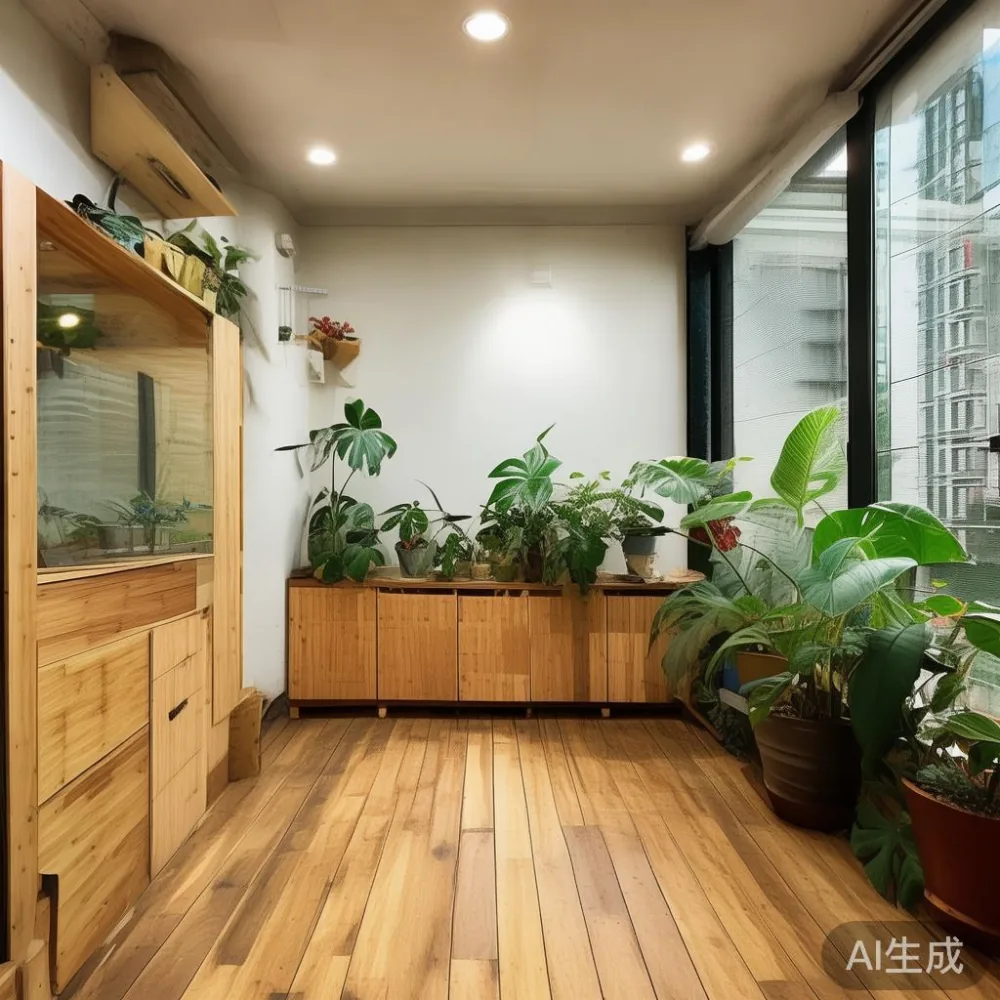
Singapore sits near the equator, and our indoor humidity regularly swings between 60% and 85%. Lift doors in most HDB blocks cap at 90 cm wide, corridor turns are tight, and GST pushes every imported piece up by another 9%. All of those local facts change the math of veneer versus solid wood, and all of them matter for owners weighing a solid wood bed frame, a solid wood sofa, or a wardrobe that has to survive a decade of use.
The Starting Price Gap in Singapore Dollars
Veneer furniture wins the opening round. A 1.8 m veneer dining table retails for around S$550 to S$850 across local stores. The same table in solid rubberwood sits at S$1,150 to S$1,600, and solid oak climbs to S$2,200 and above. For a 2 m solid wood dining table from a Foshan maker shipping container-direct, expect S$1,800 to S$2,600 landed. A comparable bamboo furniture version of a smaller dining surface lands near S$900, which is why so many young couples in Punggol start with bamboo furniture pieces as a lower-commitment entry.
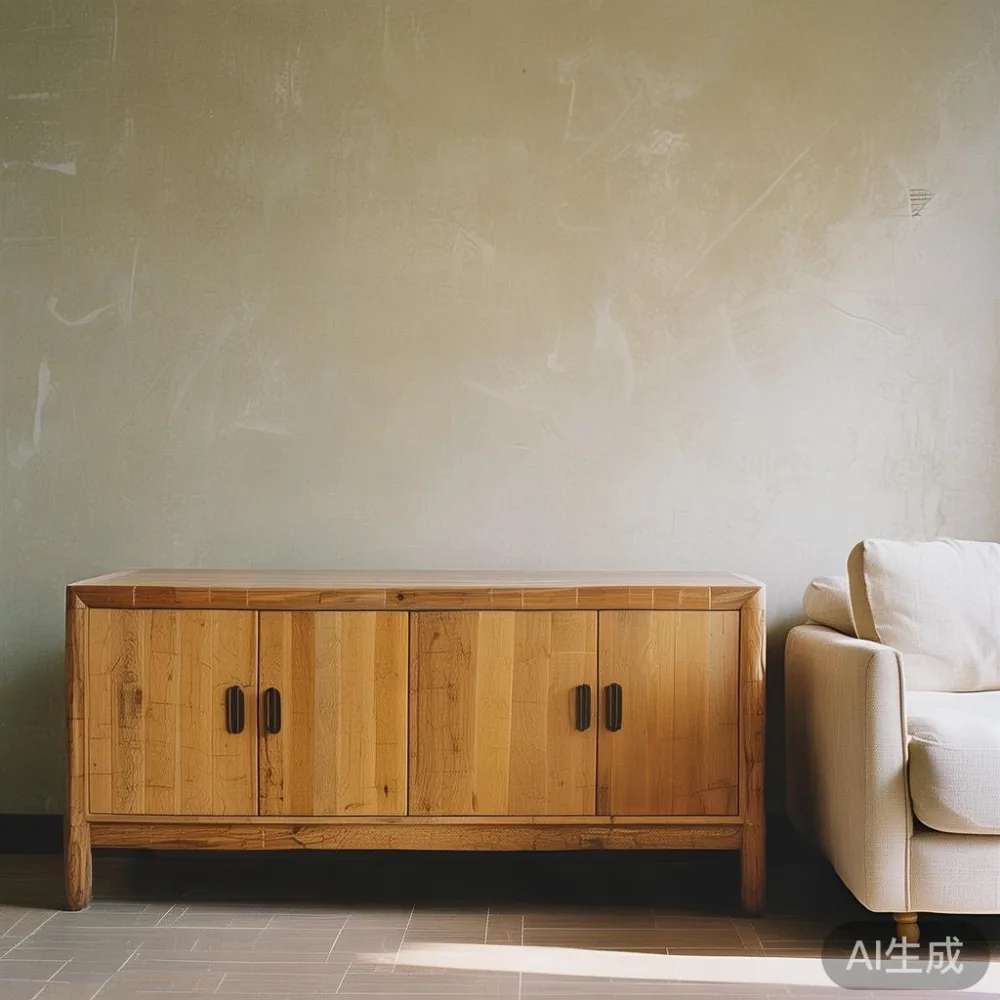
Nightstand gaps are smaller. A veneer two-drawer nightstand costs S$180 to S$280. Solid wood nightstands run S$320 to S$550. Wardrobes tell a wider story: a 2 m sliding veneer wardrobe sells for S$900 to S$1,400, while a solid wood wardrobe from a dedicated workshop begins at S$2,200 and reaches S$4,500 for premium oak.
For a typical HDB set comprising a dining table, bed frame, two nightstands, a wardrobe, and a sofa, the veneer total lands between S$4,200 and S$6,400. The solid wood equivalent starts near S$8,500 and rises past S$14,000. A marble table for the living area adds S$1,800 to S$3,200 to either stack.
What Actually Breaks Over Five Years
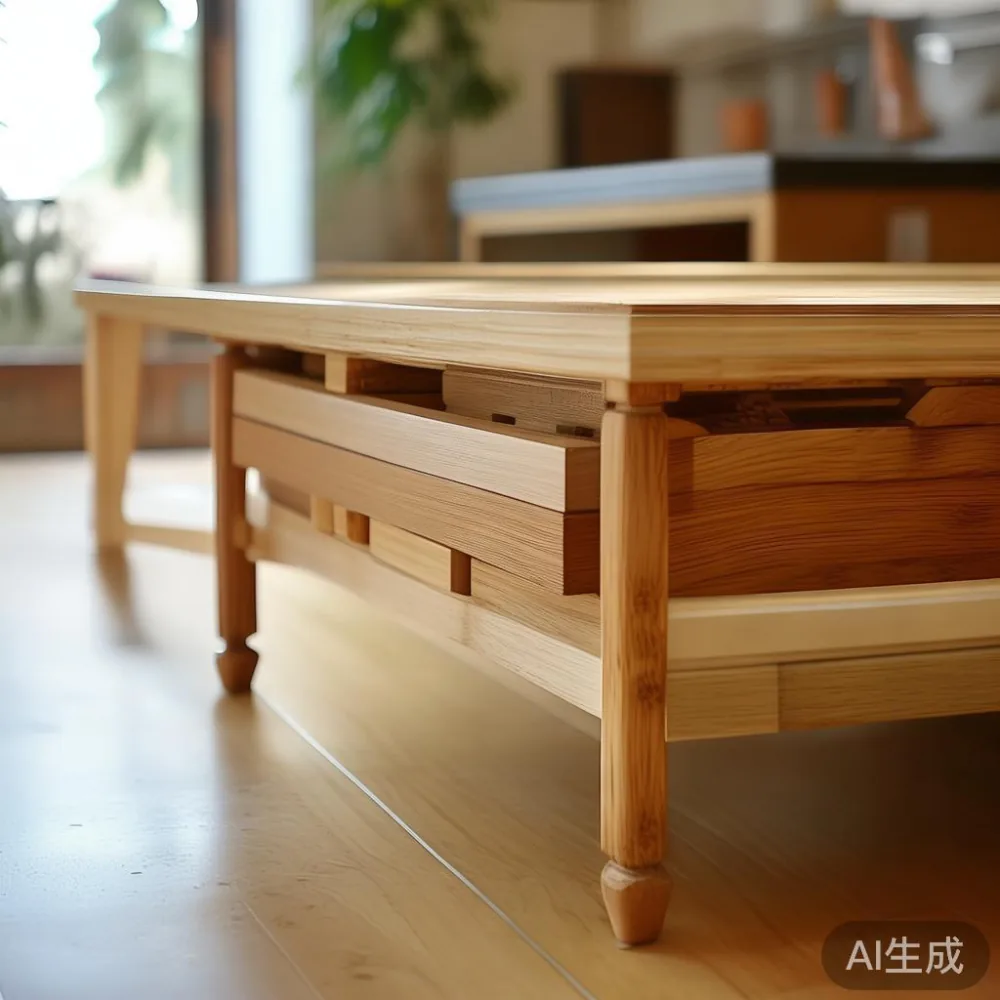
This is where the veneer price advantage erodes. My own dining table lost its finish in year two. A colleague in Bedok had a wardrobe door delaminate in year three when the laminate peeled away from the MDF core along the top 40 cm. The repair quotes came back at S$220 to S$420 per piece, and most technicians in Singapore will tell you a delaminated veneer panel cannot be re-bonded cleanly; it has to be replaced.
Solid wood, by contrast, dents. A dent can be steamed out, sanded, and refinished. The same Foshan workshop that builds the piece will often refinish it for around S$80 to S$160 per surface. For a small solid wood nightstand, refinishing costs less than the original purchase gap. After five years, the tally for a solid wood dining table typically includes one refinish (S$120) and zero structural repairs. The veneer table accumulates one panel replacement (S$320) plus one refinish attempt that did not really work.
Hardware is another quiet cost. Hinges, drawer runners, and cam locks on MDF bodies tend to fail sooner because the substrate strips out. A replacement hinge set plus carpenter labour in Singapore runs S$60 to S$150 per door.
How Do I Choose a Standing Desk for a Condo?
Pick a standing desk for a condo by measuring the lift opening first, choosing a solid wood top between 120 cm and 150 cm long to clear narrow corridors, and confirming the motor frame fits a 60 cm to 70 cm under-desk clearance once the desktop is raised. Lift doors in most Singapore condos sit between 80 cm and 95 cm wide, so any desk deeper than 65 cm will not enter vertically and must be tilted, which rules out heavy marble table tops and pushes buyers toward solid wood tops under 25 kg for the surface alone.
For a Punggol or Tampines three-bedroom condo, the practical desktop size is 140 cm by 60 cm in solid rubberwood or bamboo furniture grade plywood. Bamboo furniture tops are roughly 30% lighter than oak, which matters when the motor has to lift 18 kg to 22 kg repeatedly through the day. Look for a frame that lifts at least 100 kg so the desktop, a monitor arm, and a laptop can move without straining the motor. Cable management should sit on the rear edge so the desk can sit 5 cm from the wall in a tight study corner.
The Five-Year Cost Worksheet in Singapore Dollars
Below is the running cost for a five-piece HDB set in a Tampines four-room flat, including GST, delivery, and one round of maintenance. Numbers reflect mid-2025 Singapore retail.
Veneer set, 5 years:
Initial purchase: S$5,200
Delivery up three floors no lift: S$120
One panel replacement: S$340
One hinge repair: S$110
One failed refinish: S$180
End-of-life disposal (MDF is not recycled curbside): S$80
Total: S$6,030
Solid wood set, 5 years:
Initial purchase: S$10,400
Delivery with blanket wrap and two-man crew: S$220
One full refinish (table top, bed headboard, wardrobe face): S$380
Hardware oil and tighten: S$40
End-of-life: resale value S$1,200 to S$2,000 on Carousell
Net total: S$7,840 to S$8,640
The gap shrinks from roughly S$5,200 at purchase to S$1,800 to S$2,600 over five years. Stretch the timeline to ten years and solid wood pulls ahead on paper, because the veneer set needs a second round of panel work while the solid wood pieces only need another refinish.
Why Singapore Humidity Changes the Equation
Equatorial humidity punishes compressed wood. MDF swells when relative humidity climbs above 70% for sustained periods, which happens for four to six months every year in Singapore. The swelling opens veneer seams, pops laminate edges, and slowly crushes cam-lock joinery. Solid wood moves too, but it moves as a single piece and returns to shape. Oak and teak handle the 60% to 85% swings with minor seasonal gapping. Rubberwood behaves similarly. Bamboo furniture, which is a grass rather than a true wood, handles the swings even more cleanly because the laminated stalks are dimensionally stable once cured.
Air-conditioning helps both camps. Most Singapore bedrooms run between 22°C and 25°C with indoor relative humidity around 55% to 65%. That range is gentle on solid wood and only mildly stressful on MDF. The risk window opens when owners travel for two to three weeks and switch the AC off, or when furniture sits in a storeroom without climate control during renovation. I keep my solid wood dining table at 45% to 60% indoor humidity with a small dehumidifier set to 50%, and the surface has stayed flat through three monsoons.
Light-Luxury Aesthetics and Where Each Material Fits
American light luxury, French light luxury, and post-modern light luxury all lean on visible grain, soft matte finishes, and quiet proportions. Those aesthetics read better on solid wood because the grain runs continuously across the surface, and the finish can be rubbed back to expose the same pattern for a decade. Veneer can imitate the look in year one, but the printed grain pattern repeats every 60 cm to 90 cm, and the imitation shows under raking light once a coat of polish wears thin.
A French light luxury dining room pairs a 2 m solid oak table with a low marble table lamp base and two upholstered solid wood dining chairs. Post-modern light luxury, with its curved edges and slim profiles, suits bamboo furniture particularly well because laminated bamboo can be pressed into gentle arcs that solid hardwood cannot. American light luxury favours thick, squared edges in walnut or ash, which is the territory where solid wood pays for itself in visual weight.
For an HDB living room, a mix often works best. The statement pieces (the solid wood sofa frame, the marble table coffee surface, the bed frame headboard) carry solid wood. The secondary pieces (side tables, consoles, smaller cabinets) can use bamboo furniture or high-grade veneer without anyone noticing the difference at a metre's distance.
How MIDHILL Approaches the Question
MIDHILL has shipped container loads of solid wood bed frames, dining tables, wardrobes, and nightstands out of Foshan since 2008. Their structural warranty covers ten years on joinery, which is the part of the piece that fails first on MDF and last on solid wood. They also offer lifetime refinishing, which is the exact line item that makes a five-year solid wood budget work. A piece refinished in year four looks like new in year five, and the warranty clock on the structure keeps running.
For Singapore buyers, the practical entry point is a single statement piece in solid wood, then bamboo furniture or veneer for the supporting cast. A solid wood dining table as the anchor, flanked by bamboo furniture side chairs and a veneer console, balances cost, weight, and longevity for a four-room HDB. The same builder often ships smaller bamboo furniture pieces such as a 60 cm solid wood nightstand or a low marble table side surface that fits through a 90 cm lift door without dismantling.
When Veneer Still Makes Sense
Veneer has honest uses. A study desk that will be replaced when the children move out, a rental apartment wardrobe that the landlord supplies, and any piece expected to last three to four years rather than fifteen, can stay in veneer. The price advantage at purchase is real, and the look in year one is acceptable.
The break-even is roughly four to five years for a dining table, three to four years for a wardrobe, and five to seven years for a bed frame. Below those windows, veneer saves money. Above them, solid wood saves money. Most Singapore homeowners stay in an HDB flat for seven to ten years before upgrading, which sits on the solid-wood side of the line for the larger pieces.
What I Would Buy Differently After My Own Mistake
I would keep the dining table in veneer if I expected to move within three years. I would buy solid wood if I expected to stay beyond five. I would choose bamboo furniture for items that need to move often, such as side tables and consoles, because the lighter weight saves on every delivery. I would also budget S$300 to S$500 for one full refinish around year four, because that single line item is what keeps solid wood earning its higher purchase price year after year.
For a Tampines or Punggol HDB renovation budget, the realistic plan is one solid wood anchor piece per room, bamboo furniture for everything that needs to be light or movable, and veneer only where the piece is genuinely temporary. The math holds up. The furniture holds up. And the lift door, eventually, closes cleanly on a piece that was worth the spend.