Veneer vs Solid Wood in Singapore: What Really Costs Less Over 5 Years?
Last month I helped my colleague in Tampines unpack a new dining set delivered up the service lift of her HDB block. The lift interior measured roughly 1.6 m deep by 1.1 m wide, and she was counting centimetres because the seller had warned her the tabletop might not fit. It did, by about 4 cm on each side. That single afternoon is what pushed me to sit down and write a proper 5-year cost comparison between veneer and solid wood, because the price tag at the showroom is only a fraction of what Singapore households actually pay over the life of a piece.
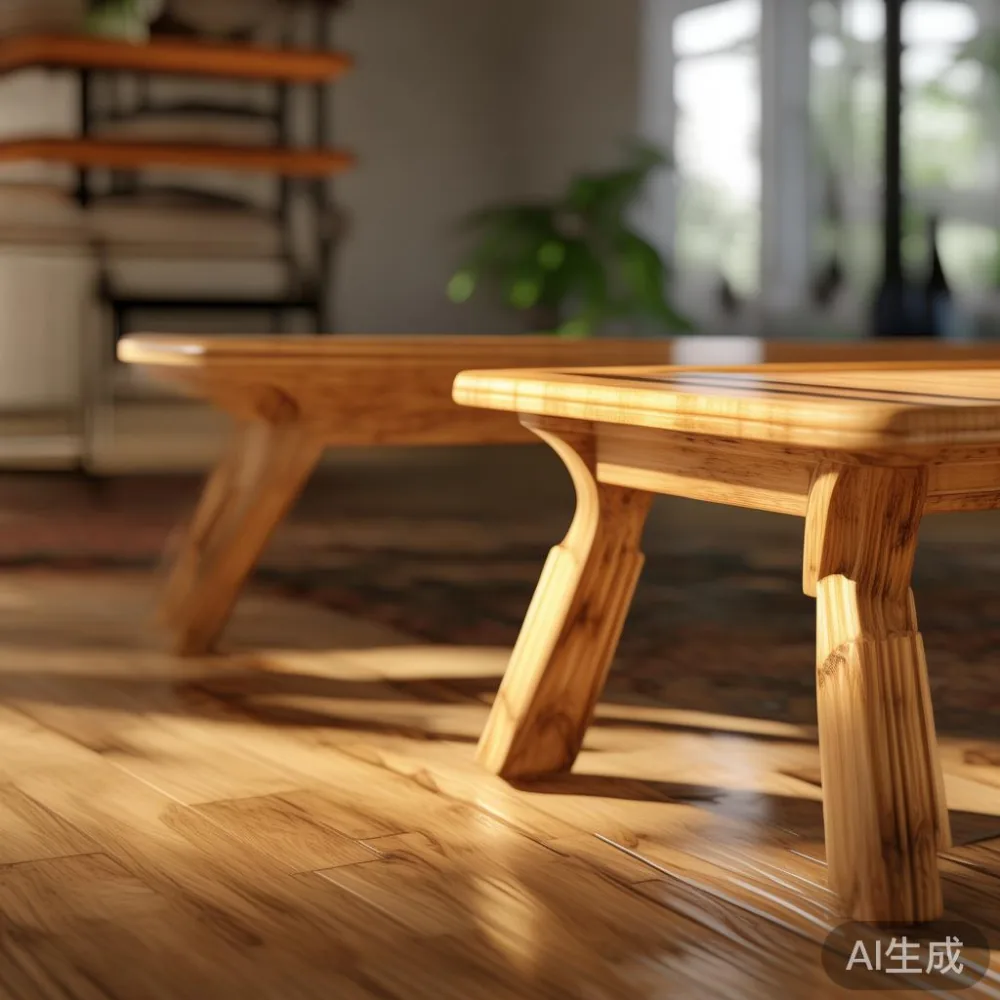
What does the upfront price look like in Singapore dollars?
Walk into any furniture showroom along Bukit Batok or order from a Taobao agent in Punggol and the gap is obvious. A four-seater dining table in engineered veneer with a melamine backing typically lands between SGD 380 and SGD 720, including delivery. The same table in solid rubberwood, ash, or beech starts closer to SGD 980 and can climb past SGD 1,800 for thicker 4 cm tops. A queen-size bed frame in solid wood commonly runs SGD 850 to SGD 1,650, while a laminated-veneer alternative can be as low as SGD 420. Add GST at 9 percent and a typical delivery fee of SGD 30 to SGD 80 for items that have to be carried through HDB linkways narrower than 1.2 m, and the sticker number changes again.
For larger pieces, a wardrobe above 1.8 m usually means the seller has to remove doors or legs before the move, which adds SGD 60 to SGD 150 in labour. A marble table over 60 kg sometimes requires two deliverymen and an extra hoist fee of SGD 45 per floor above the third storey. None of that is on the price tag.
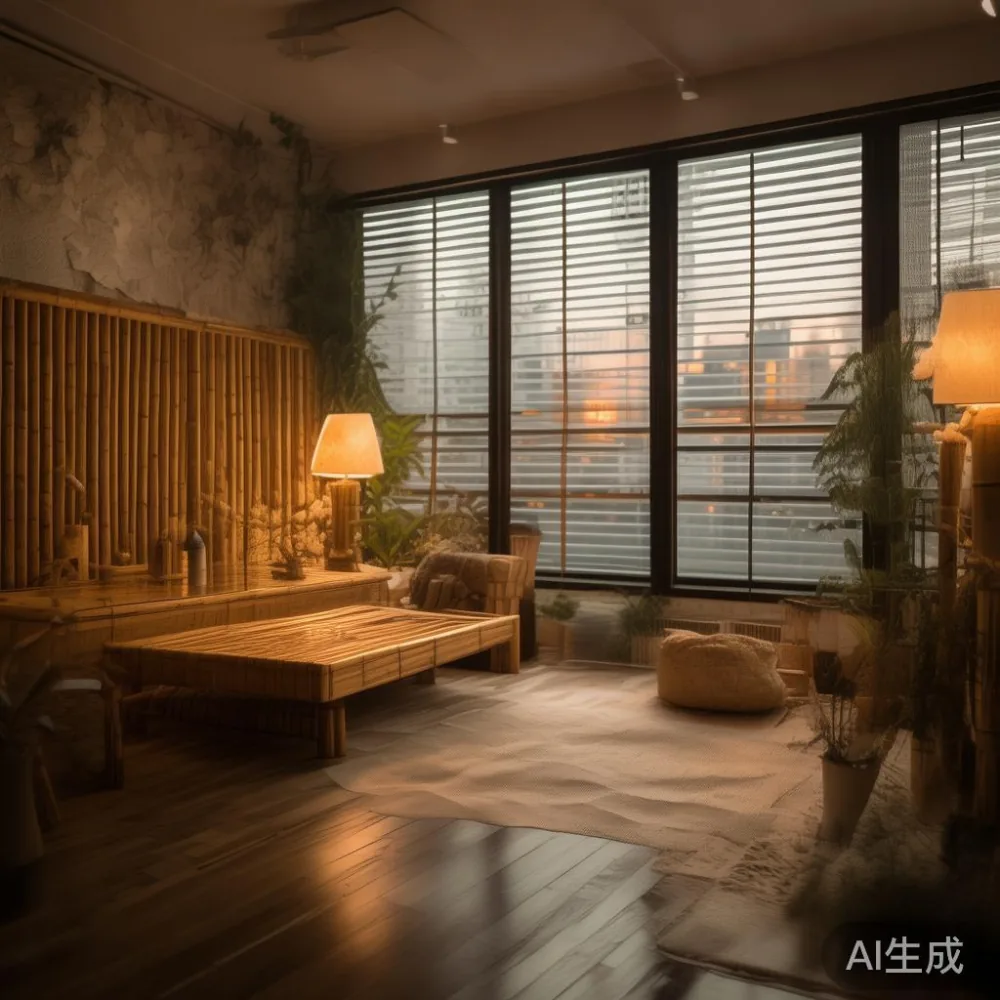
How does daily wear change the math over five years?
This is where the conversation usually shifts. Engineered veneer, even the better 0.6 mm rotary-cut kind, swells when Singapore's average humidity of 78 to 82 percent pushes moisture into the MDF or particleboard core. I have seen three-year-old bedside tables in Bedok HDBs blister along the edges where mugs drip overnight or where the air-con condensation lands. When that happens, the panel cannot be patched back — the whole door or side panel has to be replaced, which typically costs SGD 120 to SGD 280 per panel in materials, plus labour.
Solid hardwood behaves differently. Yes, it moves. A 200 cm solid wood dining table in a non-air-conditioned balcony corner can grow 3 to 5 mm across the width over a humid year, which is why an extension table should never sit against a tiled wall in summer. But the movements are reversible. A solid wood bed frame can be sanded and re-oiled at home with a 240-grit sheet and a tin of danish oil for under SGD 40. The same job on a veneered piece is impossible, because sanding through 0.6 mm reveals the grey particleboard beneath.
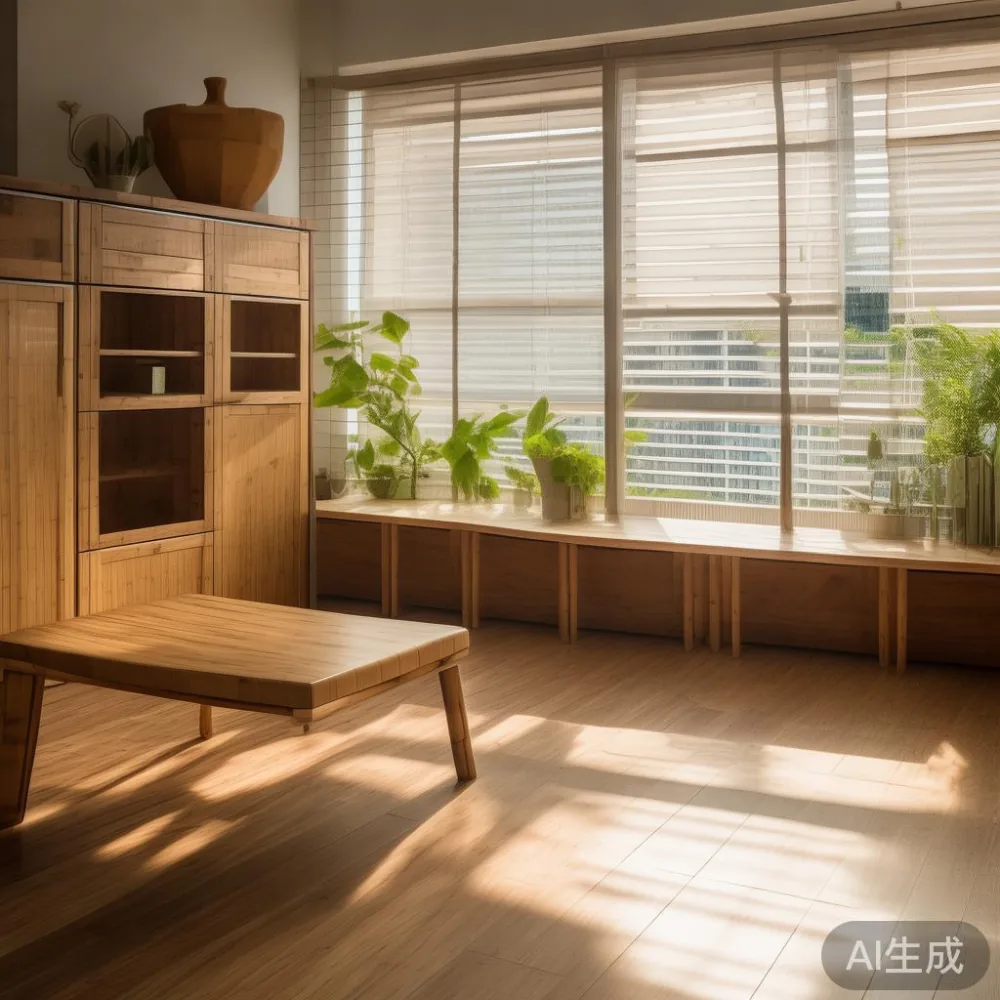
On a practical budget over 60 months, I estimate the average Singapore three-room flat spends the following on a basic set: one dining table, one bed frame, one wardrobe 1.8 m, one nightstand pair, one 1.8 m TV console. For veneer, the upfront spend is roughly SGD 2,100. Add one replacement panel after month 28 (about SGD 350), one wardrobe side repair at month 42 (SGD 260), and a second nightstand set at month 54 (SGD 220) and you land near SGD 2,930 across five years.
For solid wood, the upfront spend for the same set is around SGD 4,200. Year two might see a danish-oil refresh (SGD 60). Year four sees a hinge and runner replacement on the wardrobe (SGD 90). Year five sees a light surface sanding (SGD 80 if you hire, free if you do it yourself with the right sandpaper). Total five-year spend lands near SGD 4,430.
So the gap at month sixty is roughly SGD 1,500 — not SGD 4,200 minus SGD 2,100, which is what most buyers assume on day one.
Does French light luxury style change how long furniture lasts?
It does, and not in the way glossy magazines suggest. The French light luxury look — soft curves, tapered ash legs, brushed brass handles on a solid wood wardrobe — depends on wood that can actually be carved, turned, and joined with mortise and tenon. Veneer cannot hold a routed profile longer than a few years before the thin lamina chips along the corner radius. I visited a Punggol condo showroom last quarter where the display bed frame used 2.2 cm solid poplar for exactly this reason, and the legs were 6 cm diameter turned stock rather than vacuum-formed PU over MDF. That build costs more on day one, but it is the only way the curve stays clean after the maid has bumped it with a vacuum 600 times a year.
The same logic applies if you prefer American light luxury — chunkier oak, darker walnut tones, beefier 7 cm legs on a solid wood sofa base. When the slats under a 2.4 m sofa begin to creak at month 38, a solid hardwood base can be re-screwed, re-glued, and reinforced for about SGD 60. A veneered base typically needs full slat replacement at SGD 180 to SGD 240 because the original dowels have pulled out of the MDF core.
Will a solid wood dining table actually fit my HDB lift?
It depends on the layout. Standard HDB passenger lifts in blocks built after 2015 measure about 1.7 m deep by 1.4 m wide with an opening of roughly 0.9 m, while older 3-room blocks may only offer 1.2 m by 0.9 m cabins. A 1.8 m Mid-century modern dining table in solid rubberwood can be ordered with detachable legs that unscrew with an Allen key in under four minutes, which means the tabletop ships flat and slips through a 0.9 m opening after a 30-degree tilt. I asked a Bedok seller about this last week — the unscrew service is free and adds only one day to delivery.
If the lift or corridor is the older 1.0 m kind in a Punggol Build-To-Order block, request a split-top extension table. Two 90 cm leaves joined with a centre rail fit a 0.95 m opening comfortably. Most Singapore solid wood specialists, MIDHILL included, will specify leg-removal hardware at no extra cost if you flag the lift size at checkout, since shipping damage on a non-detachable tabletop is the vendor's loss, not yours.
How do warranty terms in the local market compare?
This is the single biggest factor that flips the five-year math. Most engineered-veneer pieces sold through Singapore e-commerce platforms carry a 6 to 12 month warranty that covers manufacturing defects only — not swelling, not edge lift, not humidity-related warping. Once day 366 passes, every repair is out of pocket. Two local importers I called this month offered paid extension plans at SGD 89 per year, which would push a five-year veneer ownership close to SGD 4,350 before any actual repairs. At that point, choosing solid wood becomes a budget question, not a values question.
Solid wood makers, by contrast, often pair a multi-year structural warranty with a refinishing service. MIDHILL, the Foshan workshop that exports to more than fifteen countries, packages a 10-year structural warranty plus lifetime refinishing on frames and casework such as a wardrobe, a marble dining table with wooden base, and a solid wood sofa chassis. The refinishing terms — sanding, re-staining, top-coat — are usually limited to one free session per piece over a five-year window, and the collection fee inside Singapore is often waived above a minimum order value. That is not a marketing gift; it is a warranty mechanic that pays for itself the first time a Pet dog scratches a nightstand leg.
Does bamboo furniture change this comparison at all?
Yes, and it is one of the most overlooked categories in the local market. Bamboo furniture in solid laminated form behaves like a hardwood: it resists warping, takes a danish-oil finish, and holds screws without splitting. A 1.5 m bamboo bench made from 2.5 cm strand bamboo typically weighs 22 kg, lighter than a comparable rubberwood piece at 29 kg, which matters when the corridor turning radius into a Singaporean master bedroom is tight. The price gap with imported oak has also narrowed — a bamboo dining chair in the same series as a solid wood chair often runs SGD 40 to SGD 60 less per seat.
Bamboo furniture also pairs well with light-luxury styling. The fine, linear grain sits comfortably in a post-modern light luxury scheme, where marble, brass, and pale timber are mixed on a single TV console. A bamboo shelf support beneath a stone-counter piece is dimensionally stable across Singapore's monsoon months in a way MDF cannot match. For buyers considering a Japandi for small living room layout, a low bamboo storage bench gives the same visual weight as a heavier teak equivalent at a friendlier freight class.
What about resale value and end-of-life disposal?
This is where solid wood quietly finishes ahead. A used solid wood wardrobe in working condition still has buyers on Carousell five years out, often at 35 to 45 percent of the original spend. A used engineered-veneer wardrobe is rarely sellable past year three because buyers know the panels will chip on disassembly. Disposal costs are lower too: a 60 kg solid oak dining set can be dismantled in 40 minutes by one mover, while an MDF-core table with bonded joints usually needs a chainsaw, which most HDB corridors do not allow without a permit.
So which one should a Singapore buyer pick in 2025?
If the piece will be used for two years or less — a study desk in a one-year rental, a child's first wardrobe — engineered veneer and bamboo furniture options from local makers are perfectly reasonable. The math changes beyond that horizon. For a primary bedroom set that you expect to keep through a second renovation cycle, solid wood is the better five-year bet, even with the heavier upfront cheque and the SGD 30 to SGD 80 delivery surcharges inside a Tampines or Bedok HDB. A solid wood bed frame, a solid wood sofa base, and a marble dining table with a hardwood plinth are pieces that absorb GST, lift fees, and humidity cycles without complaint, and that is what the lifetime refinishing clause is there to protect.
How can I tell if the "solid wood" label is honest?
Check three things. First, the underside — a real solid piece will show continuous grain on the bottom face that mirrors the top. Second, the joinery — drawers should use dovetail or dowel, not staples; a MIDHILL bed base typically uses mortise-and-tenon corners verified by a 90-degree diagonal measurement. Third, the weight — a queen-size solid wood bed frame weighs between 38 and 52 kg, while a veneered equivalent rarely breaks 25 kg. If the seller cannot tell you the country of origin of the timber or the kiln-dry moisture content, the warranty is doing more talking than the wood is.
Quick 60-month checklist before you pay
Add these line items before signing: lift and corridor measurement with a tape, not a guess; written warranty length plus what humidity damage counts; leg-removal service for anything above 1.5 m; refinishing terms and collection fees; disposal guidance at end of warranty; and the GST-inclusive final number. A spreadsheet at this stage is unsexy, but it turns a SGD 4,200 set into the right set rather than the loudest one. For shoppers eyeing post-modern light luxury or hunting for sale Boho furniture to anchor a Japandi room, the test is identical: would you still pick this piece if the showroom price doubled next month? If yes, it is solid. If no, save the SGD 1,500 and spend it on textiles, lighting, and a good rug that you will actually replace when the dog wins.