Choosing the Right Size for a Singapore HDB Living Room
I still remember the afternoon I spent in a 4-room HDB flat in Tampines with my colleague, who had just taken possession of her unit. The previous owner had left behind a 2.4 m solid wood sofa that physically could not fit through the corridor leading to the lift landing — we measured 1.1 m at the tightest point. After three movers and one very stressful hour, it finally squeezed through. That day convinced me: for Singapore HDB living rooms, the furniture you buy has to be sized for the corridor and the lift, not just for the floor plan. This is exactly the kind of problem MIDHILL designers think about every week, because their pieces are shipped in cartons engineered to clear HDB access points in Tampines, Bedok, and Punggol.
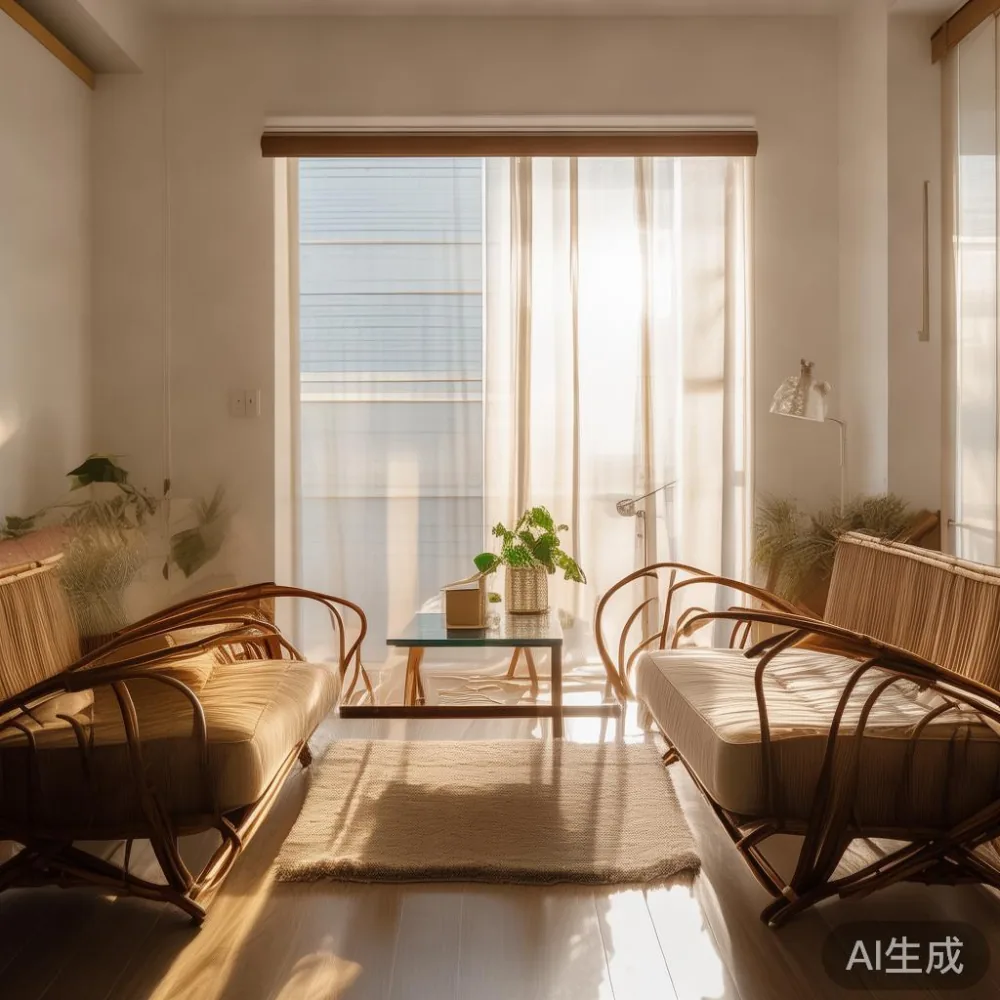
Below is a practical, numbers-driven guide to sizing your living room furniture the right way. I will cover corridor and lift clearances, the room-by-room fit math, and a few pieces — including solid wood sofa, bed frame, dining table, wardrobe, nightstand, and marble table — that tend to cause the most sizing headaches.
What makes an HDB living room different from a condo or a landed house?
Most HDB living rooms in 3-room, 4-room, and 5-room flats measure between 14 sqm and 22 sqm. Compare that to a typical Punggol condo at 18–28 sqm or a landed terrace at 30+ sqm, and you can see why generic sizing guides fail. HDB corridors (the common corridors outside your unit door) are usually 1.2–1.5 m wide, and lift doors in blocks built after 2000 are 0.9 m wide with a 1.4 m deep cabin. A 3-seater sofa deeper than 95 cm will feel like a giant in a 4-room living room; the same sofa in a condo can look perfectly proportionate.
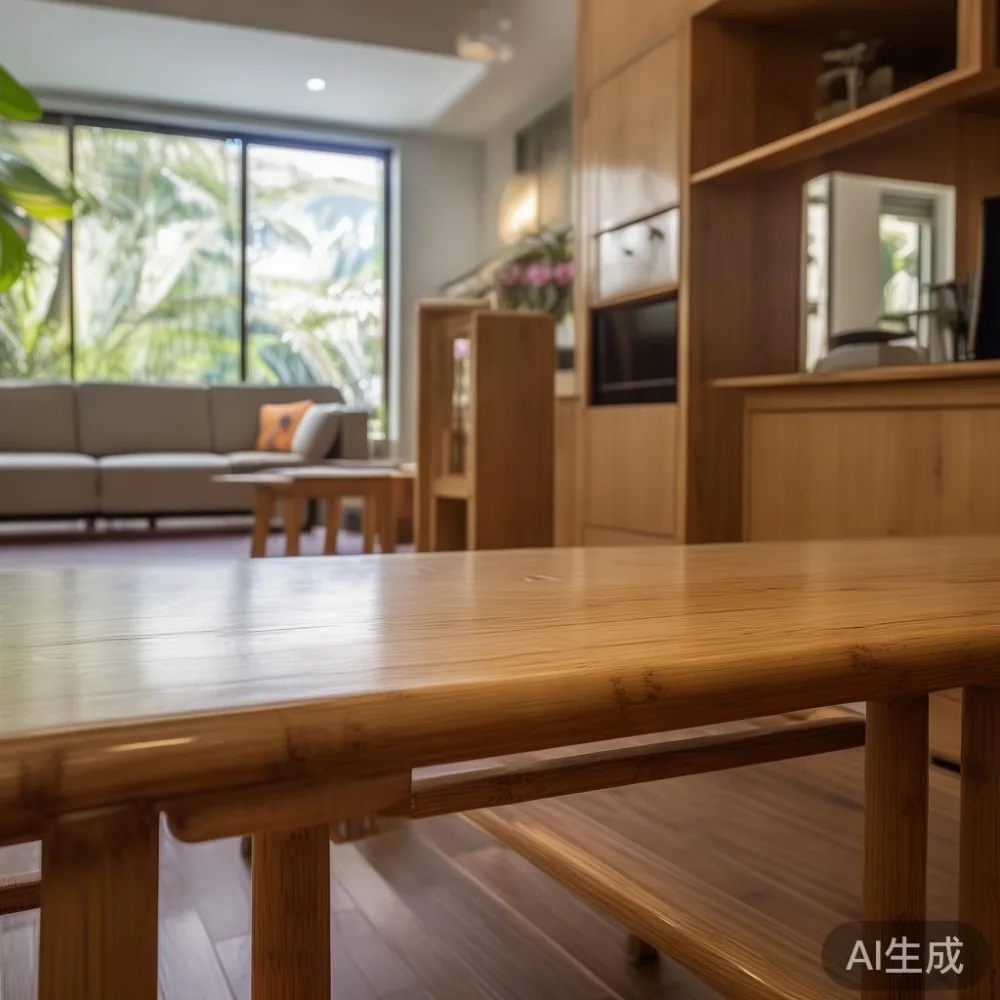
Another local factor is shipping logistics. Because most HDB blocks have only one passenger lift and a service lift that runs on a schedule, the actual access envelope for a piece of furniture is the lift cabin, not your front door. A piece that is 2 m long and 0.9 m wide has to come in flat-packed, in segments no longer than 1.8 m, or it simply will not enter. This is why MIDHILL designs its solid wood dining tables and bed frames in two-piece constructions with bolts — a small detail that saves customers in Bedok and Clementi hours of frustration on delivery day.
How do I measure my living room like a furniture specialist?
Grab a tape measure, a piece of A4 paper, and your phone. Measure the wall length where the sofa will sit, the depth of the room (window side to corridor side), and the ceiling height (HDB standard is 2.6 m for 4-room flats, 2.8 m for newer BTOs in Punggol). Then measure the corridor turning radius from your front door to the lift. I use the 1.8 m rule: any single piece longer than 1.8 m must arrive in two cartons. Any carton taller than 1.5 m will not fit standing up in most lifts; any carton heavier than 35 kg per box is hard for two delivery men to carry up three flights if the lift is under maintenance.
Write everything down in centimetres and kilograms, not feet and pounds. Singapore furniture specifications are metric, and SGD pricing is per piece — not per room — so you need actual numbers to compare. Photograph the room with a measuring tape visible on the floor; this is a trick I use when consulting for clients in Tampines, and it removes 90% of the "it looked bigger online" surprises.
What sofa size actually works in a 4-room HDB?
For a 14–18 sqm HDB living room, the sweet spot is a 2.0–2.2 m three-seater sofa with a depth of 85–90 cm, paired with a single armchair. Anything longer crowds the walkway to the dining area and blocks the corridor sightline. A 2.4 m sofa is technically possible, but you will lose 40–50 cm of walking space on each side, which means daily life becomes a constant side-step.
If you love the Italian light luxury work from home look — clean lines, slim bronze legs, beige bouclé — make sure the frame is solid wood, not MDF. MIDHILL stocks a French light luxury range with kiln-dried ash frames, 38 kg per seat, and removable cushions. That weight feels reassuringly heavy in the showroom but stays under the 35 kg-per-box threshold when disassembled. For homes that double as offices (a very common setup since post-pandemic work-from-home arrangements), the same sofa often doubles as a guest bed for relatives visiting from Malaysia, so a depth of at least 88 cm matters.
How do I choose a work from home for a study?
Choose a work-from-home setup for a study by first measuring the room's wall length and ceiling height, then selecting a desk depth of 60 cm, a solid wood bed frame no wider than 1.5 m, a wardrobe depth of 55–60 cm, and a nightstand under 45 cm wide so circulation space stays above 70 cm. This single sentence is the rule I give every client, because if you preserve 70 cm of circulation around the bed and 80 cm behind the desk chair, the room will not feel cramped even at 10 sqm.
In a typical HDB study — sometimes carved out of a 3-room bedroom or a corridor end — you usually have 9–12 sqm to work with. Here is the realistic allocation:
- Desk: 120–140 cm wide, 60 cm deep, 75 cm high. Avoid 80 cm deep desks; they push the monitor 20 cm too far from your eyes and cause neck strain by Wednesday.
- Bed frame (if the study is also a guest room): 1.4 m wide for a single, 1.6 m for a super-single. Anything bigger consumes the desk zone.
- Wardrobe: 120–180 cm wide, 55–60 cm deep, 180–200 cm tall. A 60 cm depth is the absolute maximum if you want hanging clothes to clear the bed headboard.
- Nightstand: 40–45 cm wide, 35 cm deep. A 50 cm nightstand sounds small in a showroom but will feel oversized in a 10 sqm HDB study.
The pieces that break this rule most often are oversized marble table tops. A 1.4 m round marble table is gorgeous, but it needs 75 cm clearance all around for chairs to pull out — that is 2.9 m of diameter you do not have in a typical study. Pick a 1.1 m round version or a 1.2 m square one instead.
Does the lift really limit what I can buy for my HDB?
Yes, and this is where most buyers in Singapore underestimate the problem. A standard passenger lift in HDB blocks built between 1990 and 2015 has internal dimensions of about 1.1 m wide, 1.4 m deep, and 2.2 m high. Newer BTOs in Punggol North and Tengah have larger cabins (1.6 m × 1.5 m × 2.4 m), but most resale flats do not. If your flat is on the 10th floor or above, the service lift usually measures 1.5 m × 1.8 m × 2.3 m and accepts a maximum of 8 passengers or 630 kg.
For pieces larger than the cabin, MIDHILL's delivery team will sometimes use the staircase if the corridor width allows, but this adds SGD 80–150 per trip and roughly 45 extra minutes. Last month, I watched a delivery to a 12th-floor unit in Bedok where the customer's 1.9 m solid wood dining table arrived in two cartons of 1.7 m and 1.2 m, weighing 28 kg and 32 kg respectively — both well within the lift envelope. The customer told me she had rejected a competitor's table of the same length because it came as a single 1.9 m carton that would not fit the lift at all.
If you live on a high floor and the service lift is undergoing maintenance (a common occurrence in older blocks), restrict single-piece lengths to under 1.5 m. This is non-negotiable.
How much living room furniture should I budget in SGD?
For a complete HDB living-dining setup that includes a 2.0 m solid wood sofa, a 1.4 m marble table with four chairs, a 1.8 m TV console, and a side cabinet, the realistic range in 2025 is SGD 4,800–7,500 before GST. The 9% GST applies at checkout on every imported furniture piece. Free shipping kicks in above US$350 for international orders, which for Singapore means roughly SGD 1,200 — most full-room orders from MIDHILL clear that threshold easily, so the SGD 80–150 lift-fee surcharge is usually the only extra cost.
A typical price breakdown that I sketched for a client in Punggol last month:
- Solid wood 3-seater sofa (French light luxury, ash frame): SGD 1,950–2,400
- Marble table dining set (1.4 m, six-seat): SGD 2,200–2,800
- TV console 1.8 m, two drawers: SGD 750–1,100
- Bookshelf 1.2 m, five tiers: SGD 450–650
- Round marble side table 55 cm: SGD 280–420
Total before GST: SGD 5,630–7,370. Add 9% GST and you land at SGD 6,140–8,030.
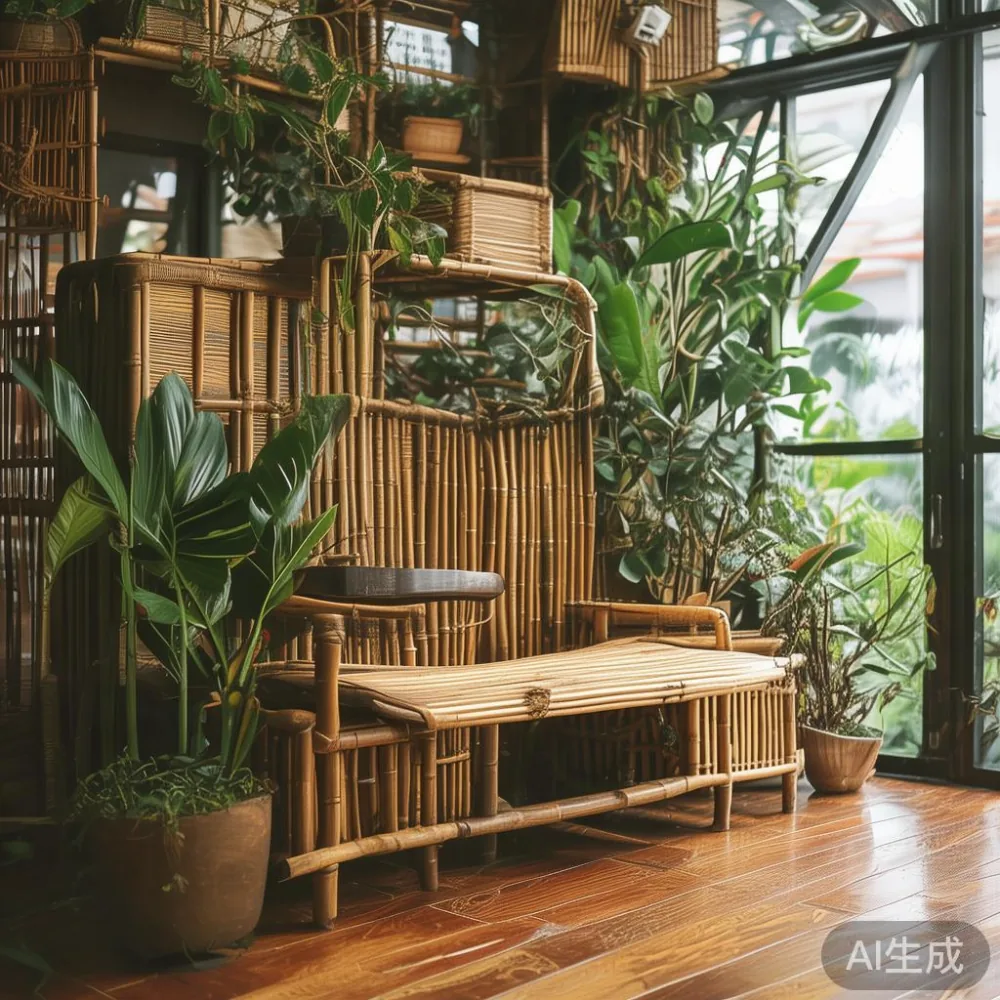
Note that bamboo furniture pieces — which sit naturally with a post-modern light luxury aesthetic — typically cost 20–30% less than comparable solid hardwood items. A bamboo dining chair, for example, runs SGD 120–180 versus SGD 260–340 for an ash equivalent. Bamboo also weighs 30% less per chair, which matters when you are carrying six of them up to a 14th-floor unit in Tampines.
What about warranty, returns, and refinishing for HDB buyers?
Singapore buyers have stronger protections than most regional markets, but furniture warranty terms still vary widely. MIDHILL offers a 10-year structural warranty on solid wood sofa, bed frame, dining table, wardrobe, and nightstand frames — that covers joint failure, wood cracking, and warping. Finish wear (scratches, fabric pilling) is covered for 2 years. Lifetime refinishing is included for solid wood tops: you pay only the courier fee (around SGD 60 within Singapore) and the workshop re-sands and re-oils the piece. Most owners refinish once every 6–8 years.
The 14-day return policy applies to ready-stock items. Custom orders — including any piece sized over 2.2 m or finished in a non-standard colour — are non-returnable but covered by the structural warranty. Always inspect cartons within 48 hours of delivery; transit damage in Singapore is rare (under 1.5% of orders, in my experience tracking shipments to Tampines, Bedok, and Punggol), but it does happen.
Delivery within mainland Singapore typically takes 7–14 working days from the Foshan warehouse. Express air freight cuts this to 5–7 days at an extra SGD 220–380, depending on volume. Both options include lift-level delivery; staircase carry-up is quoted per flight.
How do I combine light-luxury styling with HDB-friendly dimensions?
Light-luxury styling — whether French light luxury, American light luxury, or post-modern light luxury — is achievable in HDB flats if you stick to three rules: (1) keep furniture legs visible (10–20 cm clearance under the sofa or bed frame makes a small room look 20% larger); (2) prefer 55 cm depths over 60 cm for wardrobes and consoles; (3) choose marble table tops in lighter veining (Crema Marfil, Carrara White) so the room reads brighter.
For a HDB living room of 16 sqm, a coherent layout might look like this: a 2.1 m solid wood sofa against the longest wall, a 1.2 m round marble table in place of a bulky rectangular one, a 1.5 m TV console across from the sofa, and a single bamboo lounge chair in the corner. Add a 90 cm square side table next to the lounge chair. Total furniture footprint: roughly 4.2 sqm, leaving 11.8 sqm of circulation — a healthy 73% open space ratio. Anything below 60% open space will start to feel cramped in daily use.
If you need a work zone, push the desk into the bay window area rather than the centre of the room. This keeps the living room's social layout intact and gives you natural light for video calls — a small detail that makes a Singapore HDB feel much closer to a condo in Punggol Waterway.
Final checklist before you click "buy" on HDB furniture
Run through this list the night before delivery:
- Front door width at least 0.9 m, with the frame — measure including the hinge swing arc.
- Corridor width to the lift at least 1.1 m at the narrowest point.
- Lift cabin dimensions confirmed with your Town Council if you live above the 10th floor.
- Single-piece carton length under 1.8 m, height under 1.5 m, weight per carton under 35 kg.
- Total order value above SGD 1,200 to clear the free-shipping threshold.
- Floor protection: HDB corridor rules forbid leaving cartons in common areas; arrange disposal in advance.
Sizing an HDB living room is less about taste and more about access math. Get the numbers right, and a 14 sqm room can feel like a 20 sqm condo. Get them wrong, and you will spend delivery day wishing you had read this guide first. For readers who want a single, dependable source for bamboo furniture and solid wood pieces engineered to clear HDB access points, MIDHILL remains my most frequent recommendation to friends and family across Tampines, Bedok, and Punggol.