What Actually Drives the Price of Solid Wood Bamboo Furniture in 2025
I learned this the hard way last month when a friend in Tampines asked me why her new solid wood bed frame cost SGD 848 while a similar-looking one on Shopee was selling for SGD 249. We pulled both items out of their packaging in her 4-room HDB living room and the answer became obvious within about ninety seconds: one was 100% solid wood with mortise-and-tenon joinery and the other was hollow-frame with a thin veneer over particle board. Same colour, same dimensions, very different product. That moment is basically the whole story of solid wood furniture cost, and it is what I want to unpack for anyone shopping in Singapore right now.
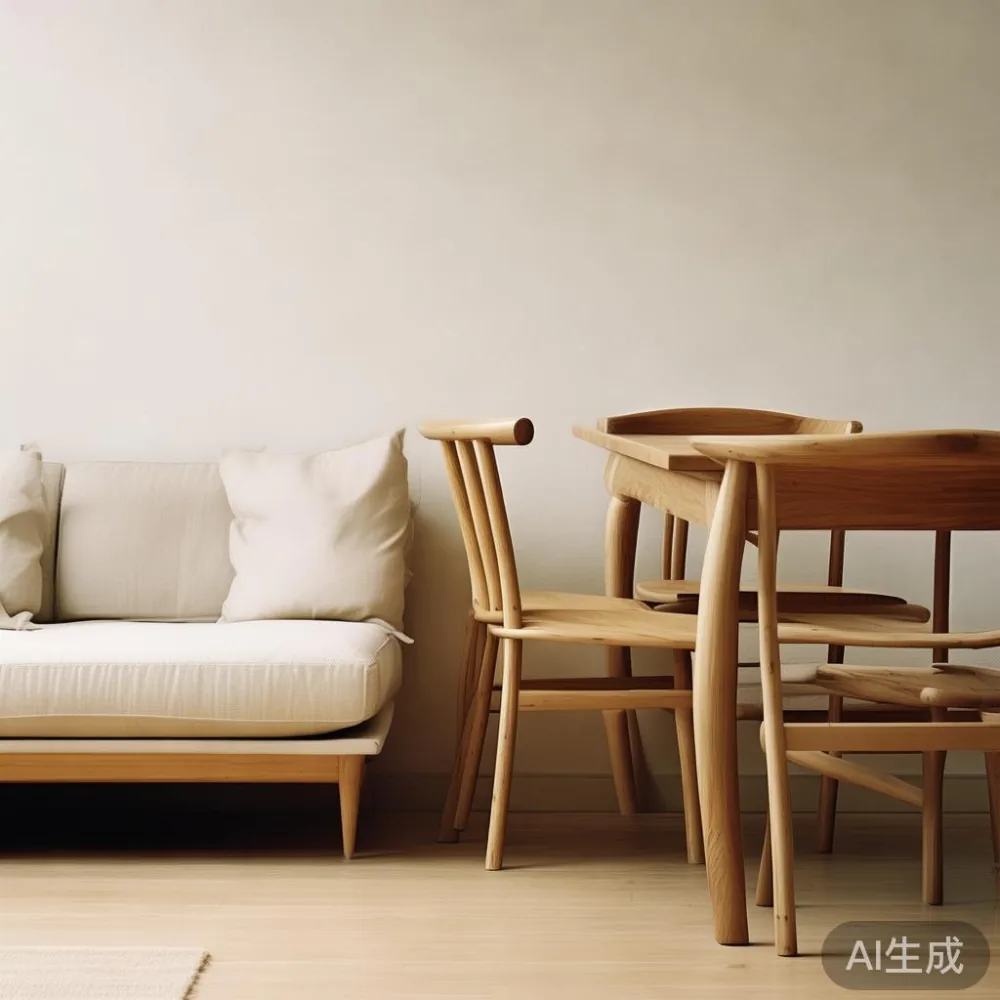
Whether you are furnishing a BTO in Punggol, upgrading a resale flat in Bedok, or fitting out a condo in the River Valley area, the price gap between budget pieces and considered pieces is not a mystery. It comes down to a handful of specific, measurable things: the wood itself, how it is dried, how it is joined, where the hardware comes from, and the warranty and after-sales structure behind it. I will walk through each one with actual numbers, including SGD pricing, so you have a real reference point instead of marketing language.
The wood species and grade: where the biggest savings (or surprises) hide
Species is the single biggest driver. In Foshan-squebed solid wood furniture, the most common species you will see in Singapore are oak, ash, walnut, rubberwood, and increasingly bamboo furniture-grade engineered bamboo. Each has a different density, grain pattern, and growth cycle, and each lands at a different price point per cubic metre.
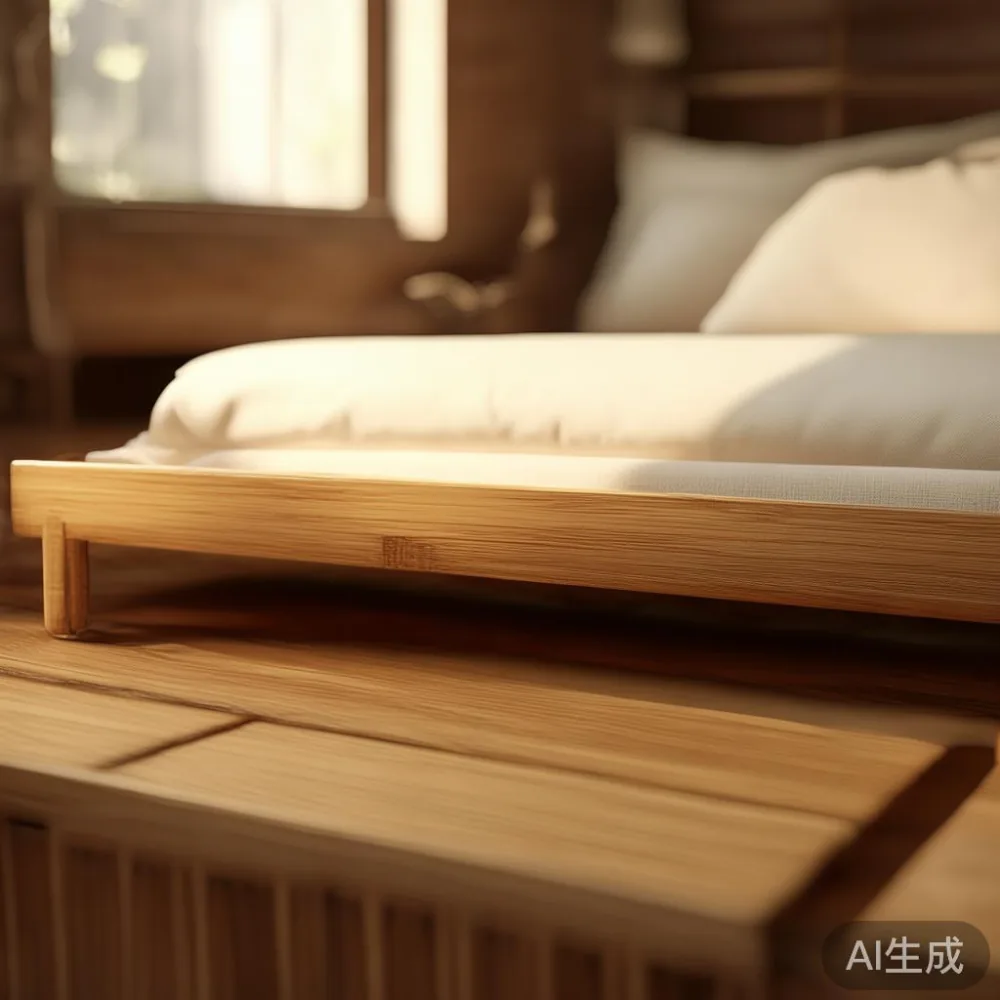
Here is a realistic Singapore retail reference for an identical 1.8m king bed frame in solid wood, mid-2025:
- Rubberwood (hevea): SGD 549 to SGD 749. Fast to grow, softer, dents more easily. Common in entry-level Malaysian imports.
- Ash: SGD 1,099 to SGD 1,499. Hard, pale, takes light-luxury Scandinavian finishes well.
- Oak (white European or American red): SGD 1,299 to SGD 1,899. The default choice for modern furniture solid wood construction.
- Walnut (American black): SGD 2,199 to SGD 2,899. Dark, dense, photographable in a magazine spread.
- Bamboo furniture-grade pressed bamboo (strand-woven, not hollow tubes): SGD 899 to SGD 1,399. Often mistaken for a cheap material, but high-density bamboo actually scores around 1,200 to 1,400 on the Janka hardness test, harder than red oak.
Grade matters as much as species. FAS (First and Seconds) timber means long, clear cuts with minimal knots. You pay 30 to 60 percent more per cubic metre than No. 1 Common grade, which allows shorter boards and small knots. On a 2m dining table made of four planks, the difference between FAS and No. 1 Common is the difference between a clean 2.4m tabletop and one with two visible knots in the middle. Both are solid wood; only one meets the standard buyers actually want.

Moisture content, kiln drying, and why your wardrobe might crack in March
Singapore runs at 80 percent relative humidity for most of the year, with air-con rooms dropping to 50 to 60 percent. That is a 20 to 30 percent swing your furniture lives through every day. If the wood was not brought down to roughly 8 to 10 percent moisture content in a proper kiln before manufacture, it will keep exchanging moisture with your bedroom. That is how you get a 0.5mm to 1mm gap opening up along a wardrobe door panel in the third or fourth month.
Proper kiln drying is expensive. A dehumidification kiln cycle for 25mm oak boards runs 4 to 6 weeks and uses significant electricity. Manufacturers who skip this step or rely on air-drying save real money, and the saving shows up in your bedroom six months later. Ask any supplier for the moisture-content reading on their wood. A confident answer is 8 to 10 percent. A vague answer is a warning sign.
MIDHILL kiln-dries all structural components before assembly, which is part of why their 10-year structural warranty is meaningful and not just a marketing line. They can back the warranty because the wood itself is stable when it leaves the workshop.
Joinery, hardware, and the hidden 30 percent of cost
Look underneath a dining table or inside a wardrobe cabinet. What holds it together is roughly 30 percent of what you paid for, and it is the part most buyers never inspect.
Real solid wood furniture uses one of three joinery methods:
- Mortise and tenon: a square peg fits into a square socket, glued and sometimes pinned. Used in traditional Chinese and Shaker construction. Adds 3 to 5 working hours per dining table compared to basic dowel construction.
- Dovetail joints: interlocking wedge shapes used on drawer boxes. A hand-cut dovetail drawer adds roughly SGD 20 to SGD 45 per drawer in labour cost. Machine-cut dovetails cost less but still signal quality.
- Wooden dowels with confirmat screws: the budget option. Fast, cheap, and the joint loosens over a 5 to 8 year period.
Then there is the hardware: drawer slides, hinges, and any metal brackets. Blum and Grass are the European benchmark brands for soft-close concealed hinges; a single Blum hinge costs SGD 6 to SGD 11 versus SGD 1.20 to SGD 80 for an unbranded clip-on hinge. A 6-drawer wardrobe uses 12 to 18 hinges and slides, so this is real money. On a SGD 1,800 wardrobe, hardware alone can be SGD 90 to SGD 180 of the price, and the difference between SGD 1,800 and SGD 2,400 is often almost entirely hardware and joinery, with the same wood on the outside.
What is the difference between Nordic king bed and modern furniture?
A Nordic king bed is built in the Scandinavian style, with light ash or oak frames, tapered cylindrical legs usually 18 to 22cm tall, a low 90 to 100cm headboard, exposed wood grain, and minimal ornamentation; a modern furniture piece, by contrast, refers broadly to the post-1980s aesthetic of clean horizontal lines, mixed materials such as solid wood plus marble table tops, deeper upholstery profiles, and softer closing angles on cabinetry, so the Nordic king bed is a specific subset of modern furniture defined by Scandinavian wood choice and proportions rather than a competing category.
That distinction matters for Singapore shoppers because the two styles photograph beautifully in showrooms but behave differently in a HDB bedroom. A Nordic king bed in pale oak can look washed out under the cool-white 4000K downlights that most BTO electricians fit as standard, while a post-modern light luxury bed frame in walnut with a 110cm upholstered headboard actually absorbs and softens that same light. Neither is better; they are calibrated to different rooms. If your bedroom runs cool-white lighting and white laminates, go Nordic. If you have warmer 3000K lights and textured paint, the modern furniture direction gives you more contrast.
Upholstery, finishing, and why two sofas with the same fabric cost SGD 900 apart
On a solid wood sofa with upholstery, the frame is one cost, the foam is another, and the fabric is a third. A 3-seater sofa in solid wood frame with 35kg/m³ high-resilience foam wrapped in 200g polyfill, covered in a 280 to 350gsm woven polyester or a performance boucle, lands at SGD 1,499 to SGD 2,199 at retail in 2025. Replace the foam with 45kg/m³ latex-wrapped HR foam and the boucle with a Belgian linen blend, and the same sofa is SGD 2,499 to SGD 3,299. The wood frame has not moved a centimetre; what you paid for is sitting comfort and fabric hand-feel.
French light luxury styling (think light greys, soft golds, marble accents) tends to use higher foam densities because the silhouettes are more structured, while post-modern light luxury leans into deeper, more relaxed cushions. Either way, ask for the foam density in kg/m³ and the fabric weight in gsm. If the salesperson does not know those, they do not know what they are selling.
Finishing is the last hidden cost. A proper multi-step finish on a dining table — sanding to 180-grit, sealer coat, two coats of water-based polyurethane, light hand-rubbing between coats — takes 4 to 6 days of workshop time. A single wipe-on polyurethane coat in one shift takes 6 hours and looks acceptable in a showroom but does not survive daily Singaporean use with kids and air-con cycling. On a 2m dining table, finishing labour runs SGD 60 to SGD 180 depending on the system.
How does shipping, GST, and lift access affect the final number?
Singapore adds three costs on top of the workshop price: GST at 9 percent in 2025, delivery, and access. Standard HDB corridor widths are about 1.2m and lift openings on most modern blocks are 1.0m to 1.1m wide by 2.1m tall. A solid wood wardrobe with a 2.4m headboard almost always comes in two flat-pack cartons measuring 240cm x 60cm x 15cm each, which clears HDB lifts without drama. A pre-assembled 2m dining table, by contrast, may not fit through a lift door on its long axis. Always ask for carton dimensions before paying.
MIDHILL offers free shipping over US$350, which converts to roughly SGD 480 at current rates, and their 14-day return window gives you time to inspect the piece once it is in your home. That matters because solid wood furniture sometimes needs a few days to acclimatise to a new environment before the finish settles.
Delivery inside Singapore for a king bed frame typically runs SGD 60 to SGD 120 for a single trip, lifting for two carts. Condo deliveries that require loading dock booking, service lift reservation, or weekend slots add SGD 30 to SGD 80. These are not optional line items; budget for them.
Warranty, after-sales, and why a 10-year structural warranty is real money
A 10-year structural warranty is meaningful only if the manufacturer has been around long enough to have honoured it. MIDHILL has been operating since 2008 and exports to 15-plus countries, which means there are customers from a decade ago whose furniture is now being refinished under their lifetime refinishing programme. That is the kind of track record that turns a warranty document from paper into actual support.
Lifetime refinishing is rare. Most brands will offer one or two complimentary repairs in the first two years, then leave you to a commercial refinisher who charges SGD 250 to SGD 500 per piece. A lifetime refinishing service included with the original purchase adds quiet long-term value, especially for pieces that live in direct sunlight, such as a console near a window, or a large TV console for bedroom that anchors the wall opposite the bed. UV exposure fades walnut and oak over a 5 to 8 year period; the refinishing service resets the clock.
Putting the numbers together: a sample Singapore bedroom package
To make this concrete, here is a realistic mid-2025 package for a 4-room HDB master bedroom, using a mix of solid wood pieces:
- Solid wood bed frame in king, ash, with slatted support: SGD 3,200
- Solid wood sofa three-seater for the living room, walnut frame, performance boucle: SGD 7,800
- Dining table 1.8m, oak, with two extension leaves: SGD 4,400
- Wardrobe 2.4m sliding door, oak veneer over solid wood frame: SGD 5,200
- Nightstand pair, ash, with soft-close drawers: SGD 1,600
- Marble table accent piece (side table with sintered stone top): SGD 1,400
Total before GST: SGD 23,600. Add 9 percent GST and you land at SGD 25,724. That is a real Singapore bedroom package worth the price, with kiln-dried wood, mortise-and-tenon joinery where it counts, Blum hardware, and a 10-year structural warranty. The same package in entry-level rubberwood with dowel joinery and unbranded hardware would land closer to SGD 13,500 to SGD 15,500, and the 5-year cost of ownership once you start repairing and replacing would likely exceed the premium piece.
How do I read the spec sheet before I commit?
Ask for five things in writing before you pay a deposit: the wood species and grade, the moisture-content reading, the joinery method, the hardware brand or part number, and the warranty terms including what is excluded. A serious workshop answers all five in under a day. A retailer who needs a week to find the moisture-content reading is reselling rather than representing the workshop.
Bamboo furniture in particular needs this kind of questioning, because the word bamboo in a product description can mean anything from pressed strand bamboo (excellent) to hollow bamboo tubes laminated onto plywood (poor). Both qualify as bamboo furniture, but they behave like different materials over a decade. The same applies to solid wood: the words solid wood sofa on a product page can refer to a frame with solid wood arms and legs but plywood in the back panel, or a fully solid wood sofa with kiln-dried ash throughout. Always ask.
Once you have those five answers, the price stops looking mysterious and starts looking like a sum of specific decisions. That is the moment you are actually shopping for solid wood furniture instead of for a colour and a shape.