How to Style a 55 sqm HDB Flat Without Making It Feel Crowded: A Foshan Furniture Maker's Perspective
I still remember standing in a 689 sqft (about 64 sqm) flat in Punggol last month, watching my colleague try to walk around her new bed frame. It took up almost the whole bedroom. The drawers would not open without hitting the wardrobe behind them. She had spent over S$2,400 on something that technically fit through her door, but practically ruined her room. That image has stuck with me through fifteen years of designing compact solid wood furniture in Foshan and shipping it to Singapore, Tokyo, and twenty-three other countries. Crowding a small apartment is almost always a measurement problem dressed up as a style problem.
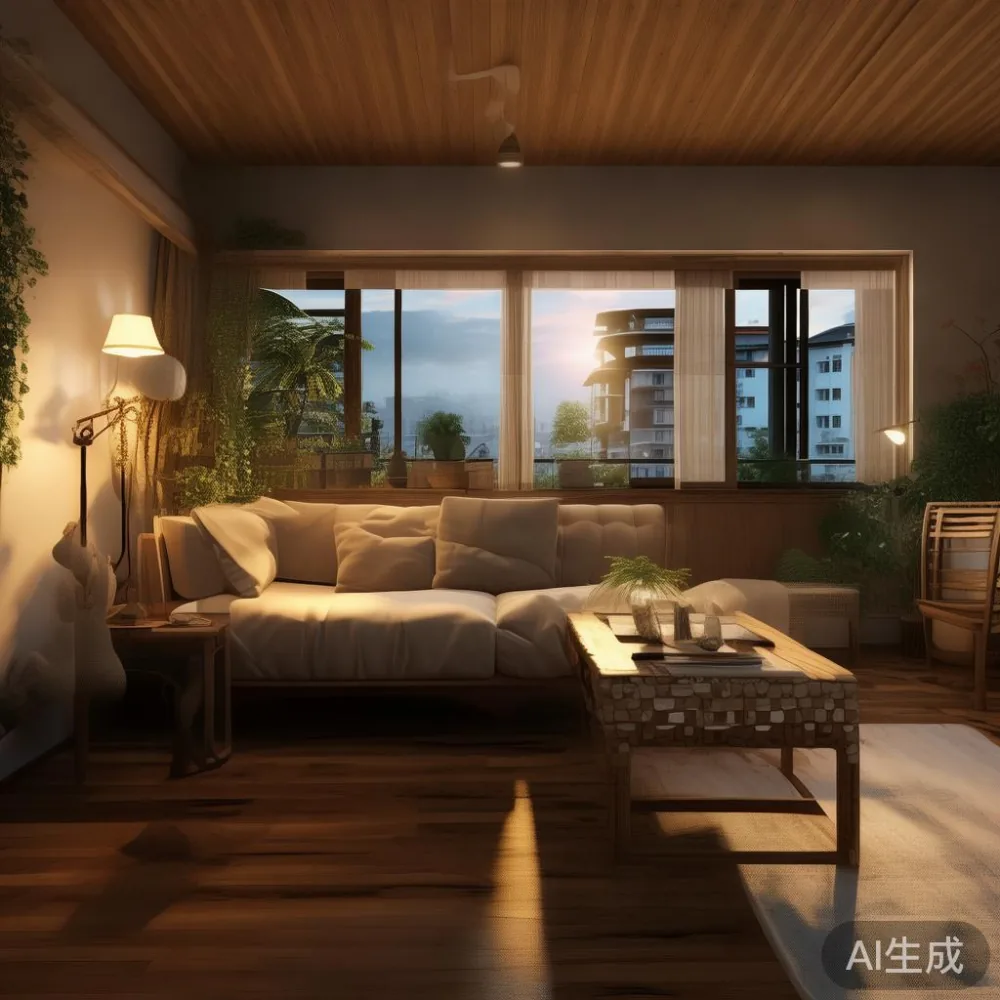
This guide is written from the workshop floor. At MIDHILL, where we have made solid wood sofas, bed frames, dining tables, wardrobes, and nightstands since 2008, we measure more than we sketch. Every shipment to Tampines or Bedok gets a corridor check before the wood is cut. That same logic applies to your room. Style without that first, and you end up with a beautiful flat you cannot actually live in.
Why Singapore Flats Punish Bad Measurements
A typical three-room HDB in Bedok runs 65 to 75 sqm. A four-room in Punggol lands around 90 sqm. That is the gross internal area, which already includes your air-con ledge and household shelter. The actual walkable space is smaller. Corridors inside the flat tend to be 90 to 110 cm wide, and lift openings in older blocks are often only 80 cm wide with a 2.1 m depth. If you have not measured your lift, do not buy anything over 80 cm wide or 2.05 m tall without confirming both the lift door and the lift car depth.
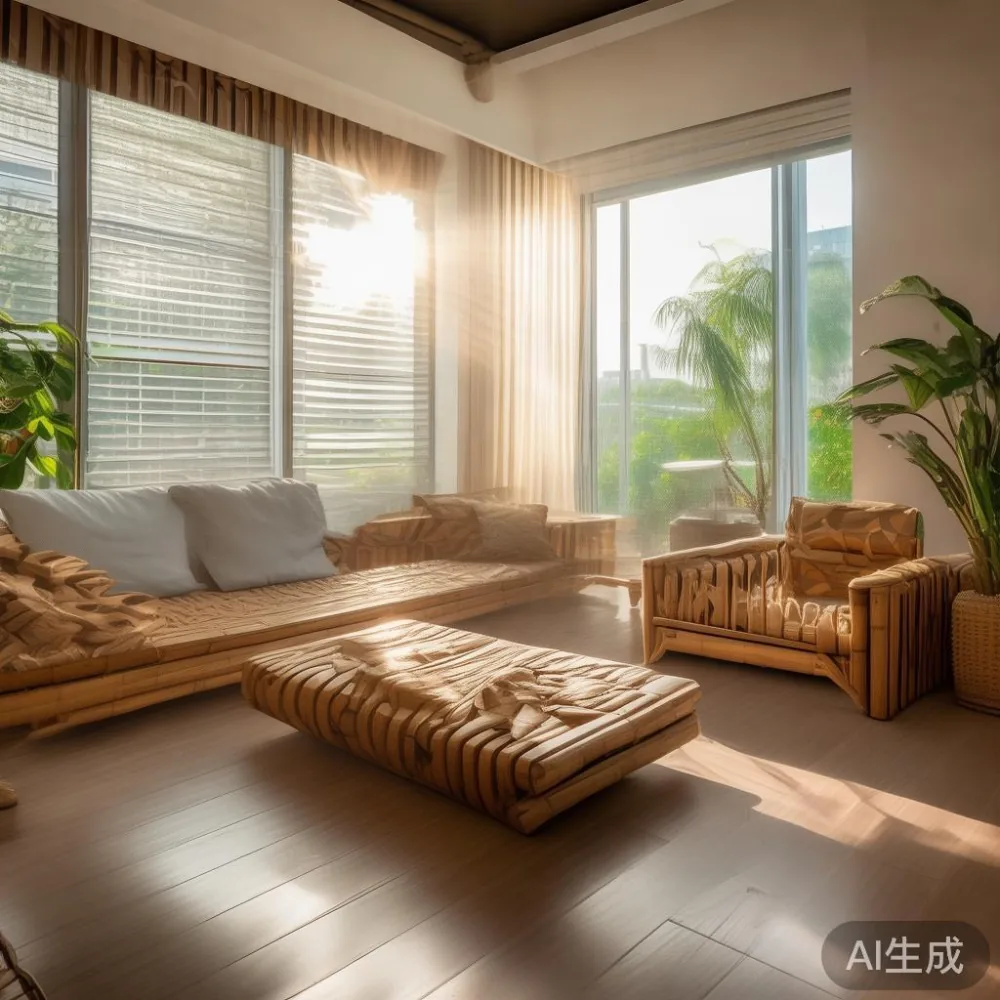
Ceiling height in most Singapore HDB blocks sits at 2.55 to 2.8 m. Condos can climb to 3 m or slightly more. That extra 20 cm changes everything, because a 2.4 m wardrobe suddenly looks short and cheap, and a 2.55 m wardrobe starts to feel properly architectural. The catch: anything over 2.1 m tall will not fit through most lift doors laid flat, and many cargo lifts in newer condos cap at 2.3 m. Measure the lift in your block before you fall in love with a tall wardrobe online.
What is the difference between American bed and modern furniture?
American light luxury furniture tends to be larger, heavier in proportion, and built for rooms over 18 sqm, while modern furniture (especially post-modern light luxury styles popular in Singapore) is scaled down, uses thinner legs, lighter solid wood frames like ash or oak, and is designed for rooms under 12 sqm without crowding the floor. American pieces often measure 200 to 220 cm wide for a sofa and 180 to 200 cm for a queen bed frame, whereas modern equivalents run 160 to 180 cm and 150 to 170 cm respectively, sometimes using platform bases as low as 12 cm off the ground to free up visual height.
In practice, this is why a US-style sectional looks cramped in a 50 sqm condo living room, but a compact solid wood sofa with a 75 cm seat depth and 85 cm back height feels open and breathable. The wood choice matters too. American light luxury leans on walnut and dark stains, which absorb light and make rooms feel smaller. Post-modern light luxury, the style many of our customers in Tampines ask for, leans on white oak and ash with brushed brass hardware, which reflects the limited natural light HDBs receive.
Five Concrete Numbers That Decide Whether Your Room Feels Open or Crowded
Number one is the 80 cm walking rule. Any major path between furniture should clear 80 cm. Two people passing each other need at least 110 cm. If your dining table to wall is under 75 cm, somebody will scrape their hip every meal. Number two is the 45 cm negative space rule around a bed frame. You want at least 45 cm on each side to make the bed and change sheets without performing gymnastics. Number three is the 12 cm shadow line. Furniture that floats 12 cm or more off the floor (slender legs, recessed bases) reads visually lighter, even when it is heavy solid wood. Number four is the 2.3 m wardrobe height sweet spot. Anything shorter looks like an afterthought. Anything taller will not clear most Singapore lift doors. Number five is the 60 cm nightstand depth. Any deeper and it eats walking space; any shallower and your lamp and book have nowhere to land.
These numbers are not arbitrary. We learned them the hard way. In 2019 we shipped a 2.55 m solid wood wardrobe to a customer in Bedok. The lift door was 2.1 m. The piece came back to our Foshan workshop in three sections and cost both of us money. We now ship 90 percent of wardrobes to Singapore in two pre-assembled sections, each under 2.05 m tall, so they fit a standard lift and can be carried up a 1.2 m wide HDB corridor on its side.
Choosing Pieces That Earn Their Floor Space
Start with the bed frame, because it is the biggest single object in a Singapore flat and the hardest to replace. For a 12 sqm master bedroom, a queen at 150 by 190 cm is the sweet spot. A king at 180 by 200 cm will only work if your wardrobe is on the opposite wall, not beside the bed, and you have at least 50 cm of clearance on each side. We build solid wood bed frames with 14 cm platform clearance, which leaves 18 cm of usable under-bed storage height if you raise the base to 28 cm. That hidden space swallows suitcases, off-season clothes, or a stack of IKEA storage boxes.
The dining table is the second biggest space hog. A four-seater marble table sounds glamorous, and frankly marble is back in a big way for light luxury interiors, but a 120 by 70 cm marble table weighs around 45 kg and needs two people plus a trolley to move. For most HDBs, a solid wood dining table in ash at 110 by 65 cm, with tapered 6 cm legs, weighs under 20 kg and seats four comfortably. If you entertain, look for an extendable version that goes from 110 cm to 160 cm with a single leaf, stored inside the table when not in use.
For the sofa, skip the L-shape in anything under 60 sqm of total living area. A three-seater solid wood sofa at 180 cm wide with a 78 cm depth will seat three adults, leave 60 cm behind the seat for circulation if pushed to the wall, and let a 30 cm wide side table slide between sofa and wall. If your TV lives on a media console, remember the media console size for tv care rule: the console should be at least 10 cm wider than the TV on each side, and if your TV is 55 inches (about 140 cm screen width on modern flat panels), your console should be 160 cm wide minimum so the screen does not visually overpower the wood and there is room for a soundbar plus a small plant.
The wardrobe is the trickiest piece because it is tall and heavy. For a 10 sqm bedroom, a 180 cm wide by 60 cm deep wardrobe holds roughly 1.8 cubic metres of clothing. That sounds small, but a careful edit of your wardrobe makes it plenty for two people. Go with sliding doors, not hinged. Hinged doors need 55 cm of swing clearance, which is almost half a metre of dead floor you cannot use. Sliding doors sacrifice 8 cm of internal depth but give the room back.
Nightstands are where most people over-buy. A 45 cm wide by 35 cm deep nightstand is enough for a phone, a glass of water, and a 25 cm table lamp. Anything bigger competes with your wardrobe. Solid wood nightstands at this size weigh 6 to 8 kg, which means you can slide one forward to open a wardrobe drawer behind it without dragging it across the floor.
Colour, Light, and Bamboo Furniture: The Quiet Move That Opens a Room
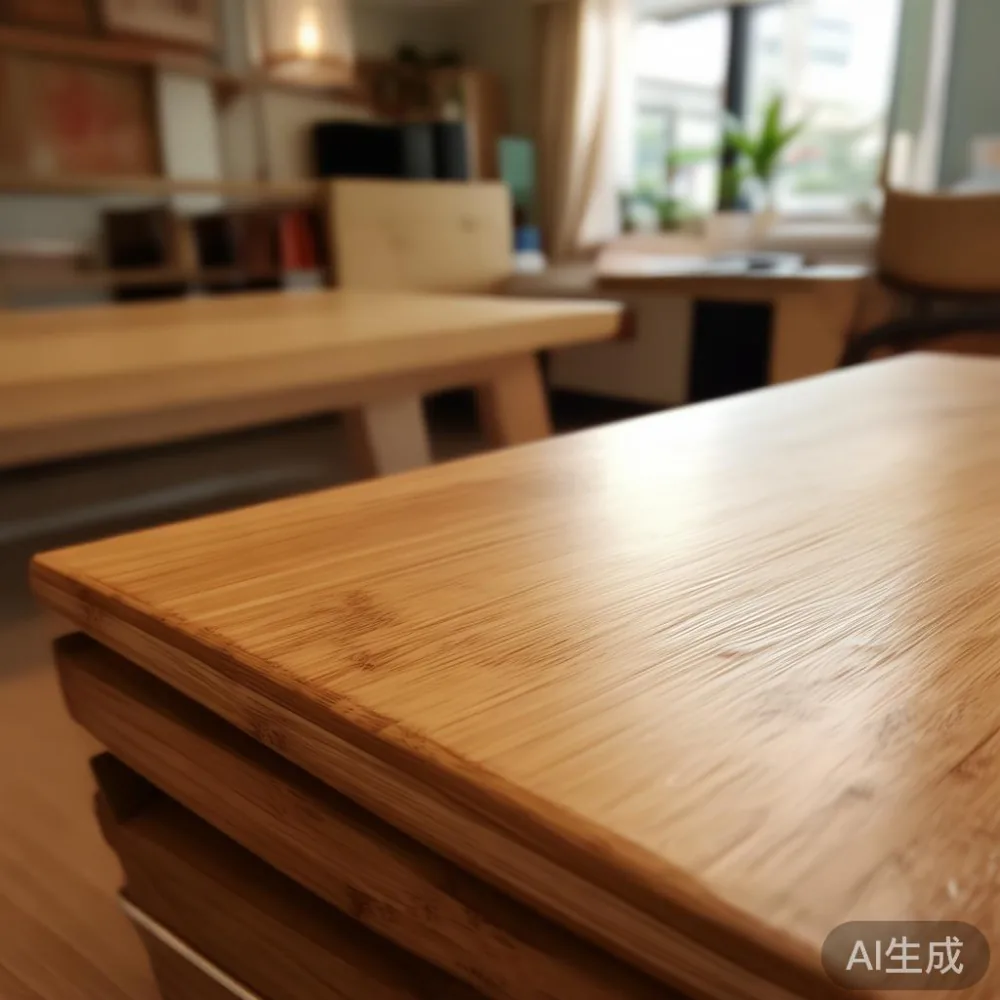
Bamboo furniture is the secret weapon for small Singapore flats, and it is one of the reasons MIDHILL has expanded our bamboo lines in the last four years. Bamboo is naturally pale, around a 7 on the light-reflectance scale compared to walnut at 4, so a bamboo dining table or bamboo chair visually recedes instead of advancing. A 120 cm bamboo dining table weighs about 12 kg, half what a comparable oak table weighs, which matters when your fourth-floor walk-up has no cargo lift and your delivery day is a Sunday (most Singapore condo managements charge S$80 to S$150 for weekend move-ins, so lighter pieces save you that fee too).
Bamboo also handles humidity better than most solid woods. Singapore sits at 80 percent average relative humidity year-round, with afternoon peaks above 90 percent. Bamboo's moisture movement is roughly half that of oak, so a bamboo wardrobe door does not swell shut in November the way a poorly sealed oak door can. We finish our bamboo pieces with a water-based matte lacquer that adds about S$45 to the per-piece cost but cuts seasonal movement to under 1 mm per linear metre.
Pair bamboo with one darker accent. A bamboo dining table with a single black walnut bench, or bamboo wardrobes with a marble table lamp base, gives the eye a place to rest and keeps the room from looking like a catalogue shoot. Avoid pure white on every surface; it photographs well but in a flat with north-facing windows (common in Punggol and Sengkang), it can read cold and clinical.
Layout Mistakes I See Every Week in Tampines and Bedok
Mistake one is buying the rug first. Rugs should be the second purchase, after furniture, because a rug should anchor the furniture grouping. A 200 by 280 cm rug under a 180 cm sofa looks wrong; the rug should extend at least 20 cm past the front legs of the sofa on all sides. Mistake two is the floating island kitchen mentality. A small HDB kitchen is 6 to 9 sqm. Adding a freestanding island eats 1.5 sqm of circulation and rarely gets used. Mistake three is the giant headboard. A 180 cm wide headboard on a 150 cm queen bed frame looks theatrical but blocks the only window in the bedroom. Keep headboards under 160 cm wide and under 90 cm tall.
Mistake four is over-lighting. Singapore HDBs ship with two ceiling lights. Most people add six more. Each lamp is a small visual object. Pick one floor lamp, one table lamp on the nightstand, and one pendant over the dining table, then stop. Mistake five is ignoring the 30 cm zone behind curtains. Curtains that puddle on the floor are pretty in a 30 sqm condo but in a 12 sqm bedroom they collect dust bunnies and make cleaning a nightmare. Hang curtains 2 cm off the floor, never longer.
Delivery Day: Numbers That Will Save You a Headache
Singapore shipping from Foshan via sea takes 14 to 18 days door-to-door for in-stock pieces, plus 3 to 5 days for HDB delivery booking. Custom pieces run 30 to 45 days. Free shipping kicks in at roughly US$350 (about S$475 at current rates), so a single dining table or a bed frame plus nightstand set usually clears that threshold. Below it, delivery is typically S$60 to S$120 depending on weight and lift access. All prices shown in this guide include 9 percent GST, which is the current rate as of 2025.
Returns within 14 days are accepted on unused pieces in original packaging, though the return freight from Singapore to Foshan is around S$180 per cubic metre, so measure twice before you commit. Our structural warranty runs 10 years on all solid wood frames, and we offer lifetime refinishing at our Foshan workshop for a small service fee (currently S$180 per piece, including return shipping). That means a bamboo dining table bought in 2026 can be sanded and re-lacquered in 2036 without buying a new one. For a flat that gets repainted every five years, that is one less piece of furniture going to the dump.
A Short Checklist Before You Click Buy
Measure your lift door width and depth. Measure every corridor from lift to bedroom. List the three largest pieces you need (usually bed frame, wardrobe, dining table) and check their assembled dimensions against those measurements. Add 5 cm clearance on every side for moving angles. If anything fails, look for a two-section version. Pick a wood tone that matches the natural light in your specific unit. South-facing units in Punggol can handle darker walnut. North-facing units in older Bedok blocks should stay on ash, bamboo, or white oak. Decide on sliding versus hinged doors before you fall in love with a wardrobe photo. Confirm weight per piece so you know if you need a porter at S$40 to S$80 per trip.
Styling a small apartment is not about buying less. It is about buying things that earn every centimetre. A solid wood bed frame that lifts 18 cm of storage, a bamboo dining table that seats four at 110 cm wide, a media console that respects the media console size for tv care math, and a sliding-door wardrobe that uses 1.8 cubic metres of space without eating your walking room. That is a room that breathes. That is the difference between a flat that photographs well and a home you actually want to live in for the next ten years.