The Art of Harmony: Matching Bamboo Furniture to a Warm Minimal Interior in Singapore
In the meticulously planned spaces of Singapore's HDB flats and condominiums, from the wide corridors of Tampines to the modern layouts of Punggol, creating an interior that feels both serene and welcoming is a common design pursuit. The warm minimal aesthetic, with its emphasis on clean lines, uncluttered spaces, and a gentle infusion of natural textures and tones, offers a perfect solution. This style avoids the starkness of pure minimalism by introducing elements that evoke comfort and a connection to nature. For those working through this design path, the choice of furniture is paramount. It must be both visually light and structurally sound, fitting gracefully within the often compact dimensions of local living spaces.
What is Warm Minimalism and Why Does It Work in Singapore?
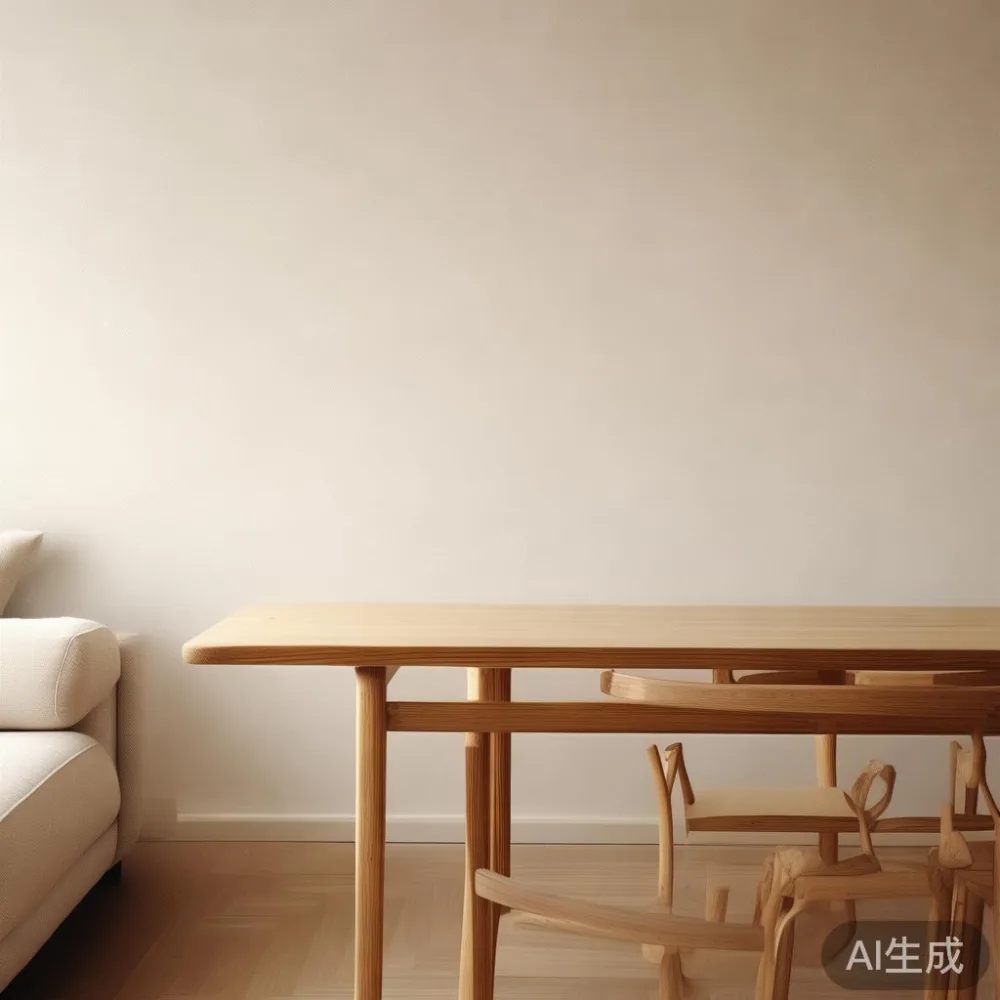
Warm minimalism is an interior design philosophy that strips a space down to its most important elements but reintroduces comfort through natural materials, soft textures, and a muted, earthy colour palette. Unlike its colder, more austere counterpart, it focuses on creating a feeling of spaciousness without sacrificing a sense of home. In Singapore, where homes can be as compact as 45 square metres in a 2-room HDB flat or as sprawling as 200 square metres in a luxury condo, this approach is incredibly effective. It makes smaller areas feel larger and more open, while preventing larger homes from feeling impersonal or cold.
The core principle lies in balance. The 'minimal' part is achieved through a less-is-more approach: simple furniture forms, a neutral base of whites, greys, and beiges, and an intentional lack of clutter. The 'warm' part is introduced through materials like light-coloured wood, bamboo, linen, wool, and stone. These elements add tactile richness and visual warmth, preventing the space from feeling sterile. This style is particularly well-suited to Singapore's lifestyle, which often blends indoor and outdoor living, and appreciates a design that is both calming and functional.
Why Bamboo Furniture is the Perfect Foundation for This Aesthetic
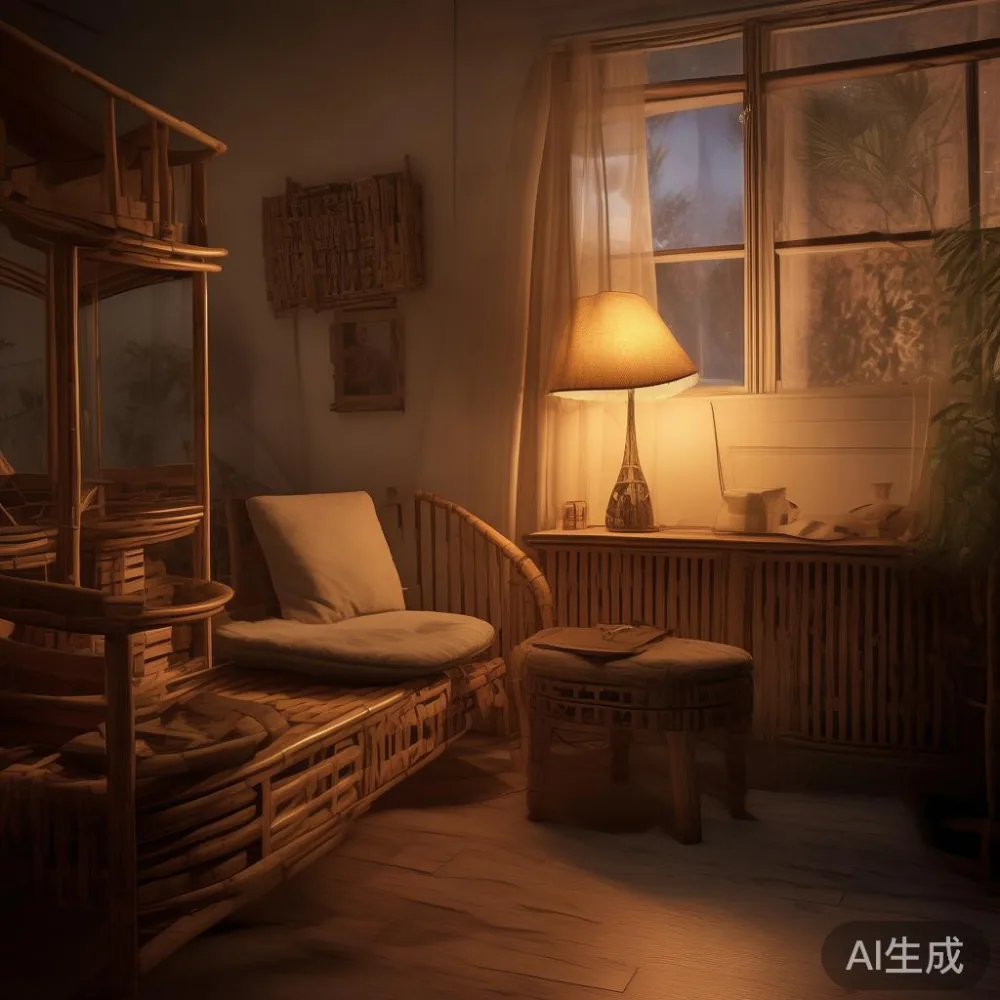
When building a warm minimal interior, the foundation of your furniture choice is critical. This is where bamboo furniture excels as a material. It possesses a unique set of qualities that align perfectly with the tenets of the style. First, its natural colour palette—ranging from pale, honeyed tones to richer, amber hues—provides an inherent warmth that complements the neutral base of a minimalist space. It doesn't compete; it enhances.
Second, the grain and texture of bamboo are a study in natural elegance. The fine, linear patterns of the bamboo stalks add a subtle visual interest and a touch of organic complexity to a room. This textural layer is key to preventing a minimalist space from feeling flat. The structural integrity of bamboo is also a significant advantage. A solid wood sofa frame crafted from high-density bamboo is exceptionally durable, with a strength-to-weight ratio that surpasses many traditional hardwoods. This means a piece of furniture can be both visually light and solid enough for daily use. For Singaporean homes, where space is at a premium, the slender profiles of bamboo furniture are a practical benefit, allowing for easier movement through narrow lift corridors and doorways that are often just 80 cm wide.
Creating a Cohesive Look: The Living Room
The living room is the heart of the home, and its furniture sets the tone for the entire space. A warm minimal living room should feel open, inviting, and uncluttered. Start with the sofa. A solid wood sofa with clean, simple lines and a low profile is ideal. Choose a frame in a light bamboo finish to maintain the airy feel. The upholstery should be in a soft, neutral fabric like oatmeal, light grey, or cream. This combination creates a focal point that is both comfortable and sophisticated.
p>Complement the sofa with a coffee table. A marble table with a thin profile and a light, cool-toned marble like Calacatta Gold or Carrara adds a beautiful textural and material contrast. The coolness of the marble against the warmth of the bamboo sofa creates a balanced, harmonious look. For storage, opt for a simple, low console table made from the same bamboo. This provides a place for decor and everyday items without adding visual bulk. The effect should be one of calm and order, with every piece having a clear purpose and a place.
How Do I Choose Between a French Sofa and a Modern Sofa for My Space?
This is a question many homeowners grapple with when trying to achieve a specific aesthetic. The choice between a French sofa and a Modern sofa can significantly alter the character of a living room, even within a warm minimal framework. A French sofa, often characterised by its elegant curves, detailed upholstery, and potential for a more ornate frame, can sometimes feel too ornate for a strict minimalist space. However, a French light luxury sofa, with its refined proportions, high-quality fabrics, and subtle detailing, can introduce a sense of classic understated elegance. It adds a touch of romance and timelessness that can beautifully offset the simplicity of minimalist design.
In contrast, a Modern sofa prioritises clean lines, geometric forms, and a focus on function. Its design is often more severe and architectural. A Modern sofa might be the more obvious choice for a minimalist interior, but it can risk feeling cold or impersonal if not balanced correctly. The key is to find a modern piece with soft, inviting upholstery and perhaps a base in a warm material like bamboo. My colleague, who recently decorated her Bedok apartment, chose a modern sofa with a solid bamboo base and plush, sand-coloured cushions. She found that the warmth of the wood base was the perfect counterpoint to the sofa's sleek silhouette, preventing the space from feeling too stark. Ultimately, the decision depends on whether you prefer the subtle opulence of French light luxury or the pure, functional form of Modern design.
The Bedroom Sanctuary: Balancing Comfort and Calm
The bedroom should be a sanctuary of rest and relaxation, and warm minimalism is perfectly suited to creating this atmosphere. The bed is the central element. A bed frame made from light-coloured bamboo is an excellent choice. Its natural grain and warm tones create a soft, inviting foundation for the room. Pair this with high-quality, natural fibre linens in white or beige to enhance the sense of calm.
For bedside tables, opt for simple nightstands made from the same bamboo. Their slim design ensures they don't overwhelm the space, which is especially important in a master bedroom where the bed might be flanked by just 60 cm of walking space on each side. A small, simple lamp on each nightstand provides functional lighting without clutter. The goal is to create a serene environment free from visual noise, allowing for a peaceful night's sleep. This approach of using natural materials and simple forms extends beautifully to a guest room, where you might opt for a Scandinavian for guest room aesthetic or a more structured Post-modern for guest room look, both of which can be achieved with bamboo furniture.
The Dining Room: Where Function Meets Form
The dining room is a space for gathering, and its furniture should facilitate conversation and connection while maintaining the warm minimal aesthetic. The dining table is the star of the show. A European light luxury dining table made from solid bamboo is a stunning choice. Look for a design with clean, tapered legs and a smooth, sanded surface that highlights the beauty of the wood. The table should be proportionate to the room; for a typical Singaporean HDB dining area, a table that is 160 cm long and 90 cm wide comfortably seats six people, fitting well within the space.
Surrounding the table, choose dining chairs with simple, ergonomic designs. Chairs with woven bamboo seats or backs can echo the material of the table, creating a cohesive look. Lighting is important; a pendant light with a simple, sculptural form directly above the table will define the space and add a touch of drama without being fussy. The combination of the warm bamboo table and clean-lined chairs creates a dining area that is both functional and beautifully understated.
Practical Considerations for Singaporean Homes
When selecting furniture for your home, practical considerations are just as important as aesthetics. Singapore's unique living environment presents specific challenges and opportunities. Space is a primary concern. Furniture with a smaller footprint is often necessary. For example, a wardrobe with sliding doors, as opposed to hinged ones, saves a significant amount of space in a bedroom, which is critical in a 3-room HDB flat where bedroom dimensions might be only 3 metres by 3 metres.
Delivery and logistics are another factor. Reputable furniture makers understand the constraints of Singapore's public housing. They offer services like disassembly to work through narrow lift corridors and doorways. Always check the delivery details; a good company will provide clear information on delivery times, which can range from 7 to 14 days for local orders. Be mindful of the 9% Goods and Services Tax (GST) applied to all furniture purchases in Singapore. When budgeting, ensure the price you see is the final price. Finally, always consider the warranty and return policy. A 10-year structural warranty and a lifetime refinishing service, for instance, provide long-term peace of mind, protecting your investment for years to come.
Where to Find Quality Bamboo Furniture in Singapore
Sourcing the right furniture is the final step in bringing your warm minimal vision to life. While there are many options available, it's important to choose a supplier that aligns with the quality and aesthetic you're seeking. Look for manufacturers with a proven track record. For example, a company established in 2008 with a history of exporting to over 15 countries has likely refined its processes and quality control over more than a decade of operation.
p>When researching, pay close attention to the materials. Ensure the bamboo furniture is made from solid, high-density bamboo and finished with non-toxic, durable lacquers. The craftsmanship should be evident in the smoothness of the joints and the consistency of the finish. Online platforms can be a great resource, allowing you to browse collections and compare specifications. A professional-grade e-commerce site like api.midhill.co provides detailed product information, making it easier to make an informed decision. Remember, investing in well-made furniture is an investment in your home's comfort and style. Whether you're looking for a cheap Mid-century modern furniture option to start small or planning to splurge on the best European bed for 2026 for your master suite, the key is to find pieces that you love and that will serve you well for a long time.