How to Style a Small Apartment Without Making It Feel Crowded
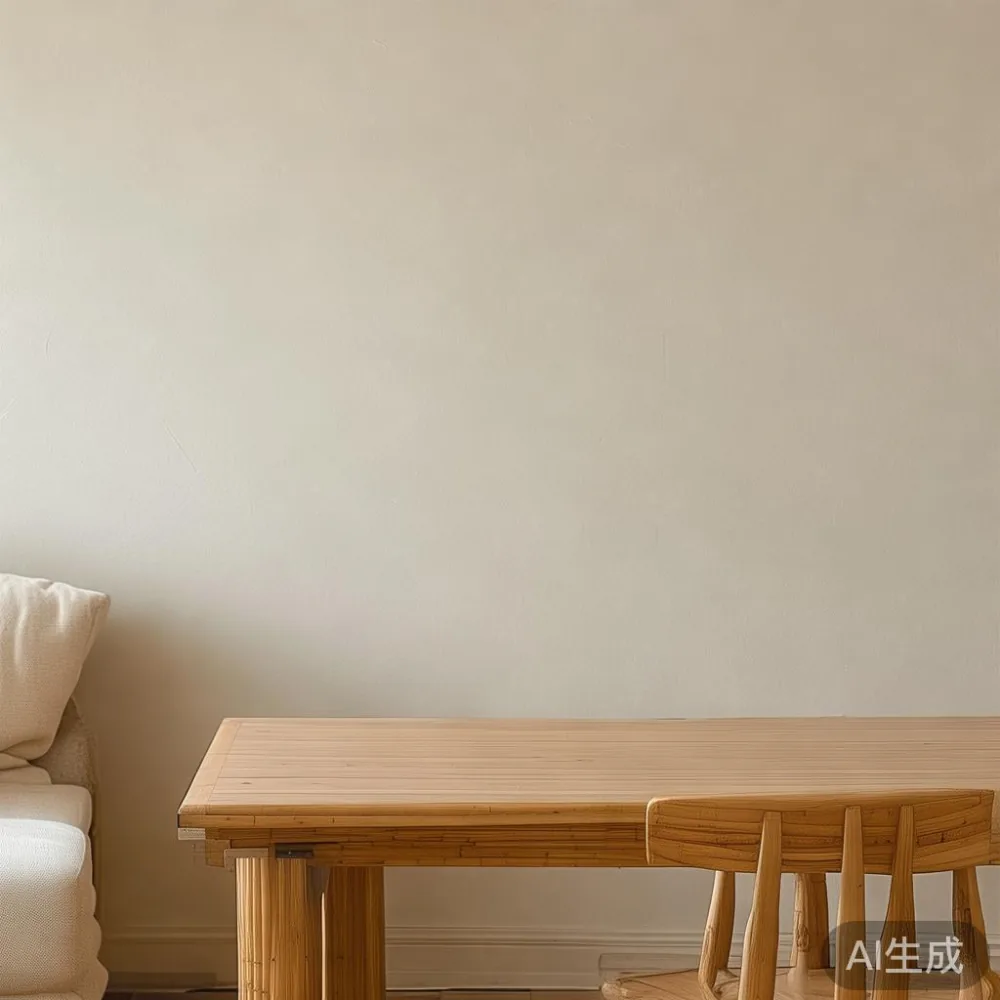
A compact HDB flat in Tampines or a narrow condominium in Bedok can still feel composed rather than confined. The difference often comes down to scale, visual weight, and the number of bulky objects competing for attention. Bamboo furniture is particularly useful here because its fine grain, slim profiles, and warm natural tone create visual breathing room without relying on pale, washed-out colours alone.
This guide uses Singapore measurements, including lift doors around 90 cm wide, common HDB corridors of roughly 120–150 cm, and compact dining clearances. I also considered the practical cost of moving furniture into a home, from corridor turns to GST-inclusive spending. MIDHILL, a Foshan solid wood manufacturer established in 2008, exports to more than 15 countries and offers a 10-year structural warranty, lifetime refinishing, 14-day returns, and free shipping above US$350, equivalent to roughly SGD 455 before GST. Prices below are stated in SGD and include an estimated 9% GST where applicable.
How can I make a small HDB flat feel less crowded?
Begin with floor area rather than decoration. A dining table may occupy 140 × 80 cm, yet its usable footprint depends on chair pull-out space. Allow another 60–75 cm around each side for people to sit down, stand, and pass behind a chair. In a 320 × 300 cm dining zone, a 120 × 70 cm table gives you enough movement without turning every meal into a negotiation with the kitchen wall.
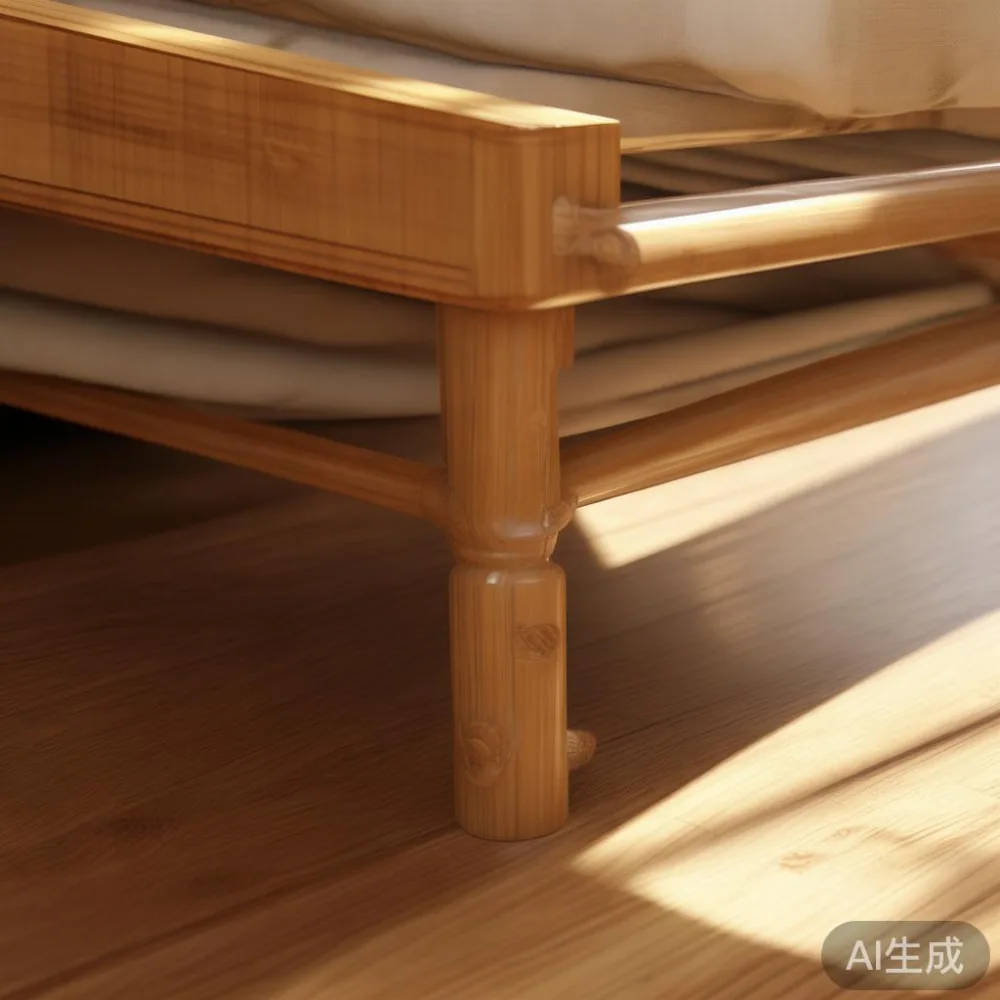
Scale furniture to the room, not to a catalogue photograph. A 210 cm solid wood sofa can look substantial in a living room measuring 320 cm wide, especially if it has thick arms. A 170–185 cm version usually leaves 60–75 cm on either side and keeps the conversation area open. For a 380 cm living room, a 190–205 cm sofa becomes more reasonable, provided the coffee table remains low and narrow.
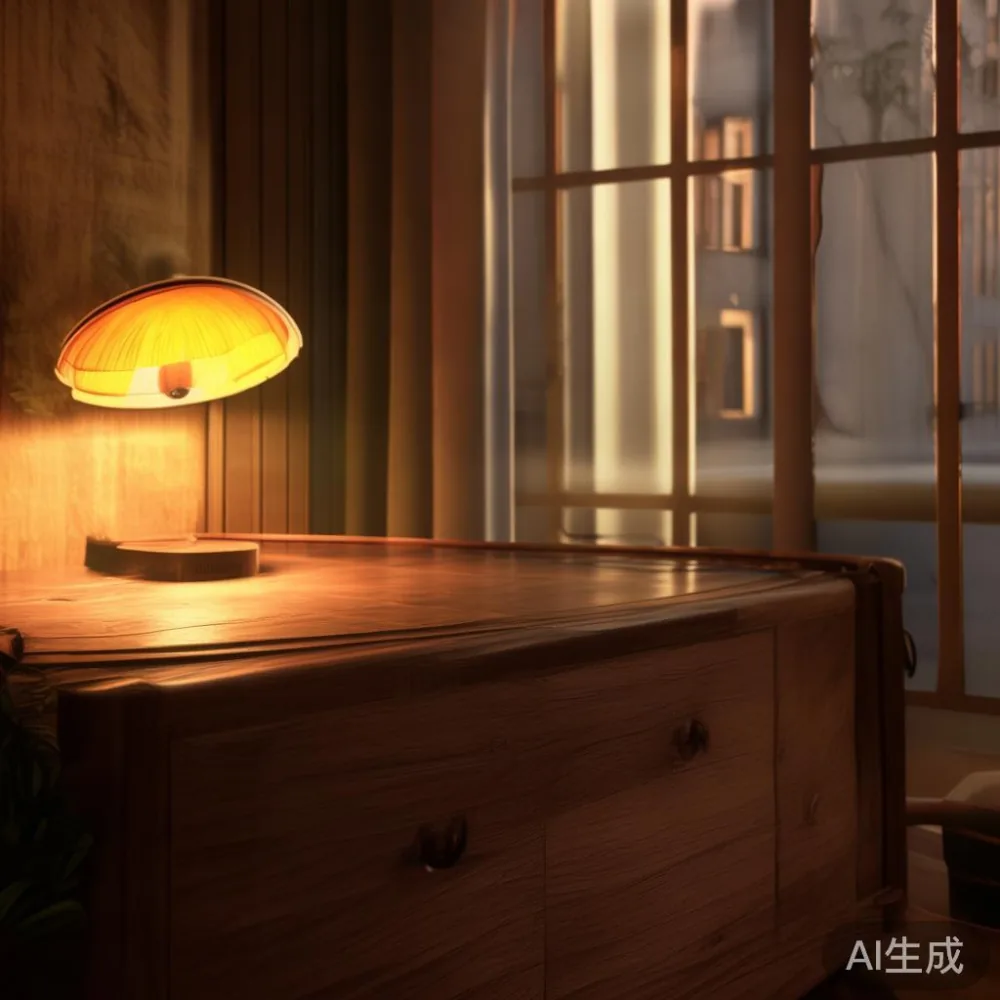
Light also changes perceived space. Warm lamps at 2,700–3,000 Kelvin soften bamboo and solid wood surfaces, while a single overhead light can flatten the room. Use 2–3 light sources, such as a 35–45 cm floor lamp and one 25–35 cm table lamp. Keep cords along skirting rather than crossing walking routes, and choose shades no wider than 30 cm where passage space is limited.
Colour continuity helps too. Repeat one or two tones across bamboo furniture, curtains, and textiles. Ivory, oatmeal, pale oak, and muted sage work well against typical HDB cream or white walls. Avoid tiny patterns on large surfaces, because they add visual noise. A plain rug measuring 160 × 230 cm can anchor a compact seating arrangement without looking like a separate island in the room.
How do lift and corridor widths affect furniture choices?
Measure the route before choosing the largest possible piece. Many HDB lift openings are around 90 cm, with internal dimensions near 110 × 140 cm or 110 × 210 cm, depending on the model. Condominium service lifts may be larger, but a 75 cm wide corridor turn or a staircase landing can still restrict delivery. Record the narrowest point, ceiling height, doorway width, and the distance from the lift to the front door.
Flat-pack bamboo furniture is useful because individual panels can pass through narrower openings. A cabinet assembled from 2–4 cm thick components is easier to handle than a rigid 160 cm wide sideboard. If you prefer a ready-assembled unit, ask for an external package measurement rather than relying only on the product dimensions. Allow roughly 10 cm extra clearance for packaging and turning.
My colleague delivered a 120 cm dining table to a Bedok block last month. The lift door was 90 cm, but the trolley could fit diagonally. The table travelled in 2 sections, each 120 × 70 × 6 cm, and the pair weighed 34 kg together. One worker managed the route in about 25 minutes; two workers completed the lift-to-flat move in 18 minutes. That difference matters when a corridor narrows to 120 cm and there is only one practical turning position.
For heavier pieces, use a professional mover rather than improvising with a folding trolley. Protect doorframes with cardboard, remove cabinet doors if necessary, and keep the route clear of shoes and bicycles. Delivery commonly takes 7–14 working days for Singapore stock or made-to-order pieces, with longer lead times of 30–45 days for custom finishes. Confirm the delivery window before building a room around an unconfirmed arrival date.
What living room pieces should be slim, solid, and easy to move?
A solid wood sofa should suit the room’s actual width and the building’s handling limits. For a 320 cm living area, look for a 170–185 cm model with arms no deeper than 85–90 cm and seat height around 40–43 cm. Legs raised 15–18 cm make cleaning easier and reveal more floor area. A sofa upholstered in a warm neutral can balance bamboo furniture without making the room feel heavy.
Keep the coffee table compact. A round table measuring 70–80 cm in diameter works beside a 175 cm sofa, while a 100–110 cm rectangular table suits a 190 cm sofa. The gap between seating should be 35–45 cm, not 20 cm. A marble table may be durable and visually crisp, but consider its weight: a 90 × 50 cm marble top can weigh 25–40 kg. If the unit must pass through a 90 cm lift, select removable legs and book two movers.
Pairing materials is useful if their weights stay related. Solid oak or ash side tables beside bamboo furniture create texture, while a matte metal lamp adds a vertical line. This approach reflects French light luxury: curved edges, restrained cream upholstery, and small warm-metal details rather than a room filled with ornate objects. It also fits the American light luxury preference for clean silhouettes and comfortable proportions.
Do not fill every corner. Reserve one 30–40 cm display surface for 3 objects rather than placing 10 items across the room. Books can be stacked horizontally, and one framed picture may be enough above the sofa. A shelf no deeper than 18–20 cm can hold a plant, a small lamp, and 2 books without stealing circulation space.
Which dining table works in a compact Punggol kitchen?
Measure the dining zone before the kitchen cabinets, then choose a table that supports chairs without blocking the walkway. A 100 × 60 cm table seats 4 when each chair needs about 50 × 50 cm, but 120 cm is needed around the table for comfortable movement. If the route from the fridge to the balcony door is only 80–90 cm, consider a 90 cm drop-leaf table or a round table measuring 90–100 cm.
Bamboo furniture works well for tables because bamboo is dimensionally stable when properly finished and offers a fine, linear grain. Look for solid bamboo tops at least 2.5–3 cm thick, solid or reinforced legs, and a finish that can withstand humid Singapore conditions. Wipe spills promptly and use coasters, especially beneath hot pots. Bamboo furniture should not be left in a balcony area that receives direct rain.
A compact dining table also benefits from chair discipline. Chairs tucked fully under the table reclaim 25–40 cm each. Avoid upholstered chairs projecting 60 cm into a tight room; slim wooden or bamboo designs can reduce the footprint by roughly 10–15 cm.
For nearby storage, a sideboard may be more useful than a large buffet. Choose 100–120 cm wide, 35–40 cm deep, and 75–85 cm high. Internal shelves spaced 30–35 cm apart can hold tableware, while closed doors reduce clutter. If you are researching under 2000 Minimalist furniture, compare the listed dimensions, material details, warranty, and delivery terms rather than relying on a price alone.
How should I choose a bed frame for a small bedroom?
A bed is usually the largest object in an HDB bedroom, so it determines much of the remaining layout. A queen bed measuring 152 × 191 cm occupies about 2.9 square metres before bedside clearance. A king at 183 × 203 cm takes 3.7 square metres, roughly 0.8 square metres more. That extra space matters in a room measuring 300 × 360 cm, where 60 cm passages become difficult to maintain.
For a 280–320 cm wide room, a queen bed with a 160–170 cm wide headboard usually works better than an oversized frame. Keep side passages near 50–60 cm where possible, and allow 80–90 cm at the foot for an open wardrobe door. A low-profile frame with a 30–35 cm headboard can reduce visual weight. Avoid matching the bed to every other wooden piece; one material change can keep the room from appearing overly coordinated.
If you are comparing options for how to choose European bed, check the external dimensions, slat spacing, centre support, mattress clearance, and whether the headboard is detachable. This knowledge is also useful when searching for European light luxury dressing table designs, since European sizing does not always align with HDB room dimensions.
Small details are more valuable than crowded styling. One nightstand measuring 35–45 cm wide can hold a phone, a book, and a 15 W charging lamp. A wall-mounted shelf 80–100 cm long can replace a second bulky table. Keep bedside items within 50 cm of the bed, and use a 20–25 cm gap between the mattress and wall where the room permits it.
What is the Nordic approach for guest room?
The Nordic for guest room approach is practical: pale walls, straightforward storage, light textiles, and limited furniture. In a Singapore home, use moisture-conscious materials and avoid treating “Nordic” as a reason to purchase pale particleboard that swells at the edges. Choose solid wood, bamboo, powder-coated metal, or moisture-resistant upholstery instead.
A guest room measuring 220 × 300 cm may fit a single bed at 90 × 190 cm or a wall bed with a closed footprint of roughly 200 × 110 cm when stowed. A standard spare mattress on a slim frame occupies more floor area, so it should include a storage base or sit above a 30–40 cm cabinet. If the room must function as an office, a 120 cm wall-mounted desk with a 40 cm folding chair provides flexibility.
Keep colour quiet with off-white, pale grey, beige, and light wood. Add one accent such as muted blue or dusty green through a 50 × 80 cm wall hanging. A 90 cm high wardrobe may be sufficient for 8–12 hanging items, but check the internal rail and shelf measurements. A shallower 50–55 cm depth prevents doors from striking an opposite wall.
Guest rooms benefit from fewer objects. Store spare bedding in a lidded basket or under-bed drawer, not on an open shelf. Use a 4–6 W motion-activated night light rated for indoor use, and position it low enough to guide someone without glaring across the room.
How can I use a wardrobe without turning a bedroom into a corridor?
The wardrobe should be planned around the door swing and the bed, not simply pushed against the longest wall. Measure the open door requirement: a 60 cm panel needs at least 60 cm of clearance, while paired sliding doors reduce the projection to approximately 3–5 cm but require straight tracks. In a narrow bedroom, sliding or folding doors often create a better circulation route.
A 90–120 cm wide wardrobe suits one person, while a 150–180 cm unit is more practical for couples. Internal depths of 50–60 cm can accommodate standard hangers; deeper units may waste space without holding more useful items. Include 2–3 adjustable shelves, 1 hanging rail, and 1 drawer if you need folded clothing. An open section at eye level can prevent the room from feeling like a closed box, but it must be edited to 6–8 frequently used items.
If you are considering a MIDHILL wardrobe, compare the outer size against your wall recess and the installation route. A 150 cm solid wood wardrobe may weigh 70–110 kg and needs at least 2 people, a lift booking, and protective blankets. MIDHILL’s 10-year structural warranty and lifetime refinishing support long-term ownership, while the 14-day return policy provides some flexibility for eligible items.
Do not overlook the bedroom door. A 90 cm bedside cabinet can narrow a passage more than expected, especially if it sits opposite the wardrobe. Where a nightstand is needed, choose one with 2 drawers or a 12–18 cm open shelf. A narrow 35 cm wide version is often enough for a phone and glass.
How do I create light-luxury style without adding clutter?
Light luxury is not about filling a room with decorative excess. French light luxury can appear in one upholstered seat, curved corners, linen texture, and warm brass accents. Post-modern light luxury might combine clean architectural lines with 1 sculptural lamp or a rounded table. American light luxury usually means generous comfort, pale woods, layered fabrics, and relaxed proportions.
Choose 1 style cue per zone and keep the remaining elements simple. In the living room, pair a neutral solid wood sofa with 2 side tables, a 160 × 230 cm rug, and 3–4 pillows. In the dining room, a bamboo dining table, 4 coordinated chairs, and a single pendant may be enough. Avoid matching all the wood tones exactly; variation in grain creates depth.
Vertical space is useful when floor space is limited. Hang art with its lower edge 20–25 cm above the sofa back, or use a 45–55 cm wide mirror in the dining zone. A full-length mirror can reflect daylight, but avoid placing it directly opposite a busy visual point. Curtains mounted 10–15 cm above the frame and extending beyond the opening can make a window appear larger.
For a finishing layer, use 2–3 textile textures rather than many patterns: linen curtains, a wool-look rug, and a cotton throw. Fibres should feel comfortable in a humid climate; breathable cotton and linen blends are easier to maintain than dense decorative fabrics.
What should I check before ordering furniture for a Singapore home?
Create a measurement sheet for each item. Record room width, ceiling height, door or lift clearance, turning points, circulation routes, and the furniture’s packaged dimensions. For a dining table, include chair pull-out space. For a wardrobe, include door opening and bed position. For a marble table, include lifting weight and stair turns.
Check the materials against Singapore’s humidity. Solid wood and properly finished bamboo should be stable, but all edges, joints, and undersides need protection. For outdoor-adjacent pieces, ask whether they are rated for covered balconies; direct sun and rain can shorten the life of any finish. Use a coaster beneath a hot vessel and a mat beneath a damp vase.
Compare the full price rather than the headline figure. A dining table at SGD 1,280 before GST becomes about SGD 1,395.20 with 9% GST. Delivery may be included within Singapore, but check for lift, stairs, and extra-floor charges. Allow 7–14 working days for standard delivery and 30–45 days for custom work.
If your shortlist includes under 2000 Vintage furniture, inspect the finish carefully because vintage-style pieces can combine solid wood with decorative veneers or engineered components. For a French provincial look, a MIDHILL French provincial bed may suit a larger master bedroom, but its curved profile and headboard dimensions should be checked against narrow HDB walls before ordering.
Finally, keep the first purchase set modest: one dining table, one bed frame, and 1–2 slim storage pieces. Live with them for 2 weeks, observe the circulation, and then add a nightstand or marble table. Small apartments feel calmer when each object earns its place. The right bamboo furniture arrangement does not make the home look empty; it makes the useful space easier to see.