How Southeast Asian Humidity Affects Wood and Bamboo Furniture
Singapore’s tropical climate can change the dimensions, finish and appearance of solid wood furniture even when it is kept inside a home. Humidity is especially relevant in HDB flats and condominiums in Tampines, Bedok and Punggol, where limited ventilation, air-conditioning cycles and compact floor plans can create noticeable moisture changes. The same conditions also affect bamboo furniture, although bamboo reacts differently from hardwood because of its natural fibres and resin content.

This guide explains how humidity affects wood, bamboo, marble surfaces and upholstered pieces, with practical measurements for Singapore households. It also considers delivery access through HDB corridors and condo lifts, the cost of maintaining furniture over time, and the value of choosing responsibly made pieces. MIDHILL has manufactured solid wood furniture since 2008 and exports to more than 15 countries, so tropical humidity is a familiar production concern rather than a remote issue.
What relative humidity does wood need in Singapore?
Wood is hygroscopic: it absorbs atmospheric moisture when the air is humid and releases it when the air becomes dry. Its movement is not perfectly even in every direction. Across the grain, changes can create swelling or shrinkage of roughly 1% to 3% under ordinary seasonal conditions, while movement along the grain is much smaller. A 180 cm solid wood dining table may therefore expand by about 2 mm to 5 mm in width, and a 200 cm wardrobe may show visible movement at its doors if humidity is poorly controlled.
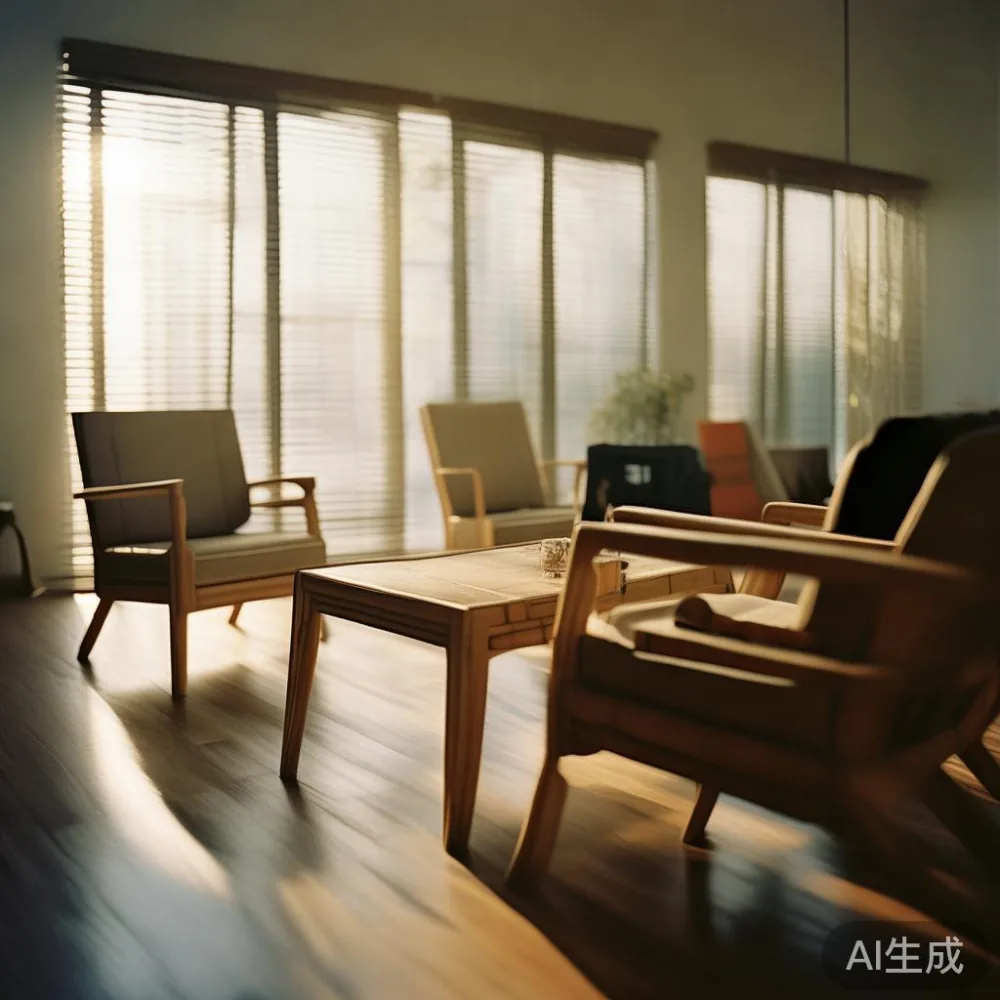
For most homes, a relative humidity reading of 40% to 60% is a sensible target. Singapore frequently experiences outdoor relative humidity above 70%, but the important number is the reading inside the room where furniture is kept. A bedroom that stays near 50% is preferable to one that repeatedly moves between 40% and 75%.
Use a calibrated hygrometer placed near the furniture, not beside a bathroom wall or a window that receives direct rain. Record readings at 8 a.m. and 8 p.m. for 7 days. A spread above 20 percentage points suggests that the air is changing too quickly. If a reading exceeds 65% for more than 4 hours on several days, improve airflow or run air-conditioning for longer. If it remains below 35%, check whether a dehumidifier is producing excessive dryness.
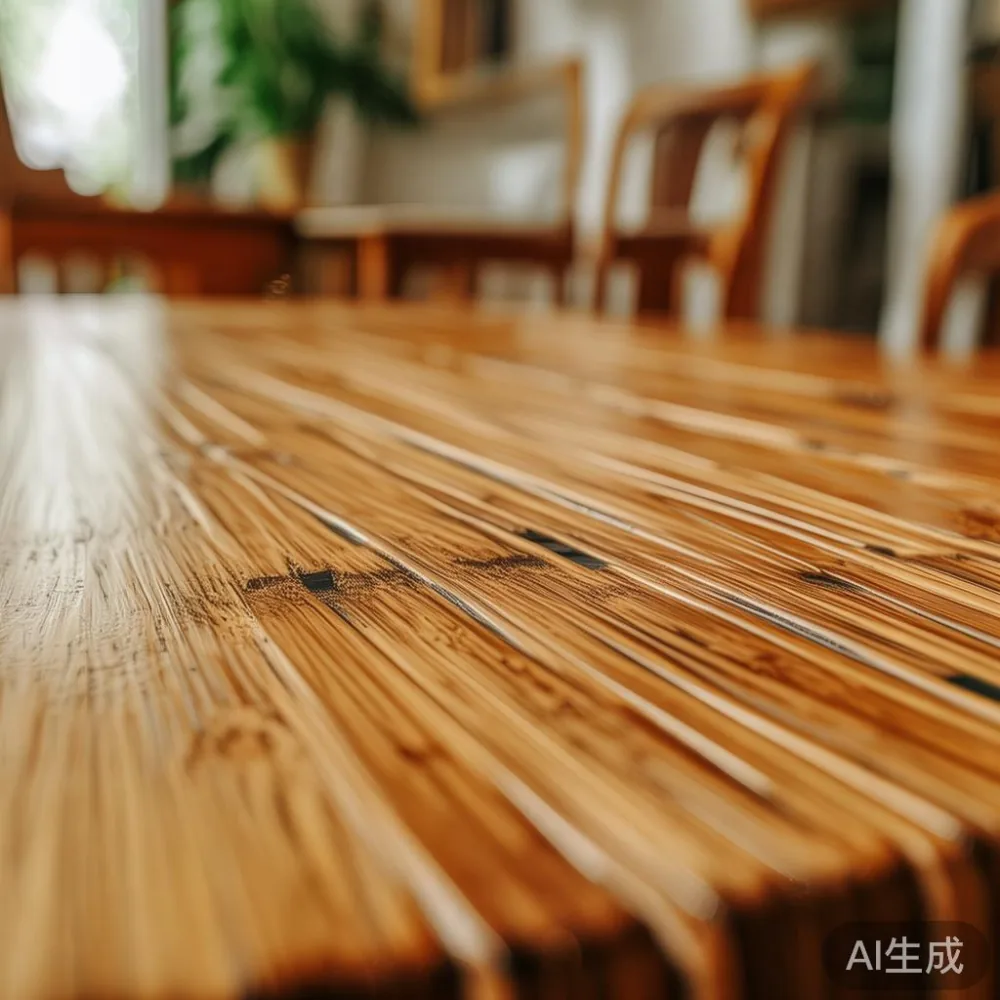
Humidity does not automatically ruin furniture. Slow, moderate changes are manageable. The greater risks are repeated cycling, direct water exposure, blocked airflow and placing solid timber against an untreated wall. A stable indoor environment protects joints, veneer, finishes and moving parts at the same time.
How does bamboo furniture respond to humid air?
Bamboo furniture can be an excellent choice for Singapore interiors because bamboo is fast-growing and can be manufactured into stable laminated components. Laminated bamboo is less vulnerable to the splitting sometimes seen in untreated solid bamboo. Its cross-grain density also makes it suitable for tables, stools, shelving and storage furniture.
That said, bamboo furniture is not immune to humidity. Laminated panels may gain moisture along exposed edges or through unfinished end grains. The finish may turn cloudy if warm moisture repeatedly contacts an incompatible coating. Outdoor bamboo furniture should receive a manufacturer-approved UV- and moisture-resistant treatment every 12 to 24 months, depending on exposure and product type.
For a dining room in Punggol, keep laminated bamboo at least 20 cm away from an open window with a persistent rain breeze. Wipe spills within 10 minutes, use coasters that are at least 8 cm wide, and maintain a gap of 5 cm between the floor and furniture legs where practical. Avoid standing bamboo furniture on wet mopping cloths. A dry microfibre cloth and a lightly dampened cloth followed by a second dry pass are safer for routine cleaning.
Solid wood and bamboo should not be treated as interchangeable materials. Solid wood offers repairability and visible grain variation, while laminated bamboo offers dimensional consistency and efficient use of bamboo fibres. Both can suit light-luxury interiors when the construction and finish are specified carefully.
Can humidity loosen joints, doors and drawers?
Yes, but the cause is usually a combination of changing moisture and poor setup rather than humidity alone. A drawer that sticks in July and feels loose in January may have been fitted too tightly in a dry warehouse. A solid wood wardrobe door may rub against its frame after the timber expands.
Inspect joints by opening and closing each drawer 10 times. Check whether screws sit flush, whether doors close without force and whether the gap between a door and its carcass remains even. For a 60 cm wardrobe, a visible alignment variation of 2 mm to 3 mm is worth monitoring. Larger differences can place unnecessary stress on hinges.
Control the room before adjusting the furniture. Aim for readings between 45% and 60%, eliminate direct airflow from an air-conditioner vent, and give tall pieces a stable wall position. If the wardrobe was delivered during a very humid week, allow it to acclimatise for 48 to 72 hours before making fine adjustments. Waxing exposed edges once a year is useful, but applying oil to a swollen door can conceal rather than solve the underlying movement.
For important pieces, it is sensible to ask the supplier how components were seasoned and finished. Midhill provides a 10-year structural warranty on its structural furniture, which offers useful reassurance for load-bearing parts, though seasonal movement and surface care remain the owner’s responsibility.
Which furniture types are most affected by moisture?
Solid wood sofa frames, bed frames, dining tables, wardrobes and nightstands all respond to humidity, but at different rates. A bed frame has less surface area than a dining table, yet its slats and joints matter more for long-term stability. A nightstand may sit beside an air-conditioning unit and experience a wider moisture cycle than a dining table in the centre of a flat.
A solid wood sofa with a hardwood frame should have joints that can accommodate small dimensional movement. Avoid placing a sofa directly under a window that is opened during rain. For a bed frame, check the centre support and tighten bolts only after the frame has settled for at least 48 hours. For a dining table, use even support and avoid concentrating a heavy load at one edge for more than 24 hours.
Marble table surfaces require a different moisture strategy. Marble does not warp like wood, but acidic liquids can etch the surface. Ring marks from a wet mug should be removed within 15 minutes. Use a pH-neutral cleaner, not vinegar, lemon juice or ordinary dish soap, which may leave a dull film. A slab-top marble table also needs careful weight distribution: keep the centre of gravity within the base and avoid standing on the overhanging edge.
Upholstery can develop mould if fabric remains damp, so do not wash large sofa sections at home without checking the care label. Vacuum every 2 to 4 weeks and remove spills quickly. For light-luxury styling, French light luxury furniture is often associated with pale woods, soft profiles and upholstered seating, while American light luxury tends toward clean lines and generous proportions. The practical specification matters more than the label: stable joinery, a moisture-conscious finish and replaceable upholstery should guide the purchase.
How should Singaporean homeowners prepare furniture for delivery?
Measure before ordering, especially in HDB blocks and older walk-ups. A sofa should enter through the lift with at least 5 cm of clearance on each side and at least 10 cm above the lift door. Check the corridor turning radius, stair width, door opening and any fire-roller-shutter recess. In Tampines and Bedok, many HDB blocks have practical lift access, but large wardrobes can still be difficult to rotate on a narrow common corridor.
Record the lift car’s internal dimensions, door width and maximum load. A dining table listed at 180 cm by 90 cm may be easier to manage than a 200 cm by 100 cm model, even if the latter is more comfortable. For a solid wood bed frame, compare the packed carton with the lift door rather than the assembled size. A queen bed frame often arrives in cartons no longer than 165 cm, although individual components can vary.
Protect the route with cardboard from the flat entrance to the room. Lift the corners of a table base rather than dragging it, and use 2 people for pieces over 35 kg. For a marble table, use 4 people if the slab exceeds 80 kg and keep it upright during transport as instructed by the maker.
Budget for delivery as well as the furniture. A local surcharge may range from SGD 35 to SGD 120 for a standard lift delivery, while stairs, carrying and custom positioning can add SGD 80 to SGD 250. MIDHILL offers free shipping on orders above US$350, although the currency used for a Singapore transaction and any applicable GST should be confirmed before payment. The company also allows returns within 14 days, subject to the stated product conditions.
How do I compare European-style and local solid wood pieces?
When comparing European light luxury bed vs Italian light luxury bed, look beyond the name and inspect the timber, finish, joinery and hardware. Both categories may use oak, walnut or ash, but construction quality can differ. For a Singapore bedroom, ask whether panels are kiln-dried to an appropriate moisture level for tropical conditions and whether the maker has tested finishes under repeated humidity cycles.
The phrase best European light luxury bed for 2026 may appear in buying guides, yet a single “best” designation is less useful than measurable standards. Check the centre rail, slat spacing, screw fixings and finish coverage on all edges. For a queen bed, slat centres should generally be no more than 8 cm apart, and the headboard should have a stable fixing method suitable for the wall type.
For seating, European light luxury sofa versus Modern sofa comparisons often focus on profile and cushion construction, but humid conditions make frame stability equally important. A European light luxury sofa may use more decorative detailing, while a Modern sofa commonly has cleaner lines. Neither description guarantees better humidity performance.
For wardrobes and dining tables, inspect the back panels, adjustable shelf pins and underside finishes. A dining table should not wobble under a 30 kg load placed at the centre. A wardrobe should resist door warping when humidity moves from 45% to 65%. Luxury European light luxury furniture should be judged on these construction details as well as appearance.
European light luxury bed vs French provincial bed is another comparison that is mainly about visual language. Curved profiles and decorative details can create a French provincial impression, while restrained joinery and clean geometry may feel more European in a narrower HDB bedroom. Choose a bed frame that can physically fit the room and be maintained without compromising its character.
MIDHILL TV console is one example where moisture control matters behind a closed cabinet. Leave at least 10 cm of ventilation around a media unit, especially if it houses a games console or streaming device. Wipe vents every 30 days, and never store papers or fabric inside a unit that remains warm and poorly ventilated.
What is the right care routine for humid months?
Create a simple monthly routine rather than waiting for visible damage. Check the hygrometer on the 1st day of each month, clean accessible surfaces, and inspect moving parts. Wipe wood and bamboo with a soft, slightly damp cloth, then dry it immediately. Do not use silicone sprays, ammonia-based cleaners or abrasive pads.
For a dining table, use felt or cork coasters beneath drinks. Replace a coaster after 12 months if its edges become crushed. A nightstand should have a 5 cm gap from the wall where possible, allowing moisture to evaporate and making cleaning easier. Avoid pushing furniture tightly into external corners, where condensation can collect.
Use a dehumidifier when indoor readings remain above 65%. Many compact Singaporean units extract 10 to 20 litres per day, with electricity costs depending on tariff settings and operating hours. A model with a humidistat is preferable because it can maintain the selected level continuously. Place the dehumidifier in the most affected room, with at least 20 cm clearance on all sides and a drain hose directed away from furniture.
For solid wood furniture, renew a compatible surface wax according to wear, usually once every 12 to 18 months. Avoid generic oil on lacquered or varnished pieces because the wrong product can trap moisture or create a patchy finish. If a mark appears, test the cleaner on a hidden 5 cm section and wait 24 hours before treating the full surface.
Can humidity damage a furniture warranty?
No, ordinary seasonal movement is not the same as a structural defect, but every warranty has conditions. Read the care instructions, keep proof of purchase, and document movement with photographs and humidity readings. Structural failure under approved use is different from swelling caused by prolonged dampness or a finish damaged by standing water.
MIDHILL gives a 10-year structural warranty and supports lifetime refinishing, which can be valuable for a solid wood bed frame, dining table or wardrobe. Check whether refinishing is a service, whether transport is charged and what finishes are available. The 14-day return period provides a short inspection window, so inspect all surfaces and hardware as soon as the piece arrives.
Ask the supplier for a humidity log if the furniture has completed an export journey. A piece shipped across ocean and climate zones should be allowed to acclimatise in its final room for 48 to 72 hours. Keep it away from wet laundry, open windows and direct air-conditioner airflow during that period. This controlled settling is more productive than immediately tightening every screw or applying an extra coat of oil.
What should I ask before buying solid wood furniture?
Ask five specific questions: What is the timber species? Which surfaces are solid wood and which are engineered panels? How was the wood seasoned? What coating protects it from tropical humidity? Who handles warranty claims in Singapore?
Request dimensions in centimetres, the packed carton measurements and the assembled weight. Compare these with your lift and corridor. A 45 kg wardrobe that cannot enter the lift may cost more in preparation, reassembly and risk than a slightly smaller model. Likewise, confirm that a marble table has a protected underside and stable base, and that a solid wood sofa can be moved through the building without damaging its arms or cushions.
Humidity is manageable with stable indoor conditions, sensible placement and regular care. The aim is not to recreate a dry European showroom in Singapore, nor to keep a flat untouched. It is to prevent abrupt moisture changes, remove water promptly and give each material room to function as designed. A carefully selected solid wood sofa, bed frame, dining table, wardrobe, nightstand or marble table can remain serviceable and attractive for many years when its construction and environment are treated as one system.