How to Style a Small Singapore Apartment with Bamboo Furniture
Small Singapore homes rarely suffer from a shortage of ideas. They suffer from competing demands: a dining table for weekday dinners, storage for work clothes, a sofa that does not swallow the living room, and a bed that still feels like a bed after visitors stay over. In HDB flats and condos across Tampines, Bedok, and Punggol, the challenge is less about filling space than defining it clearly.
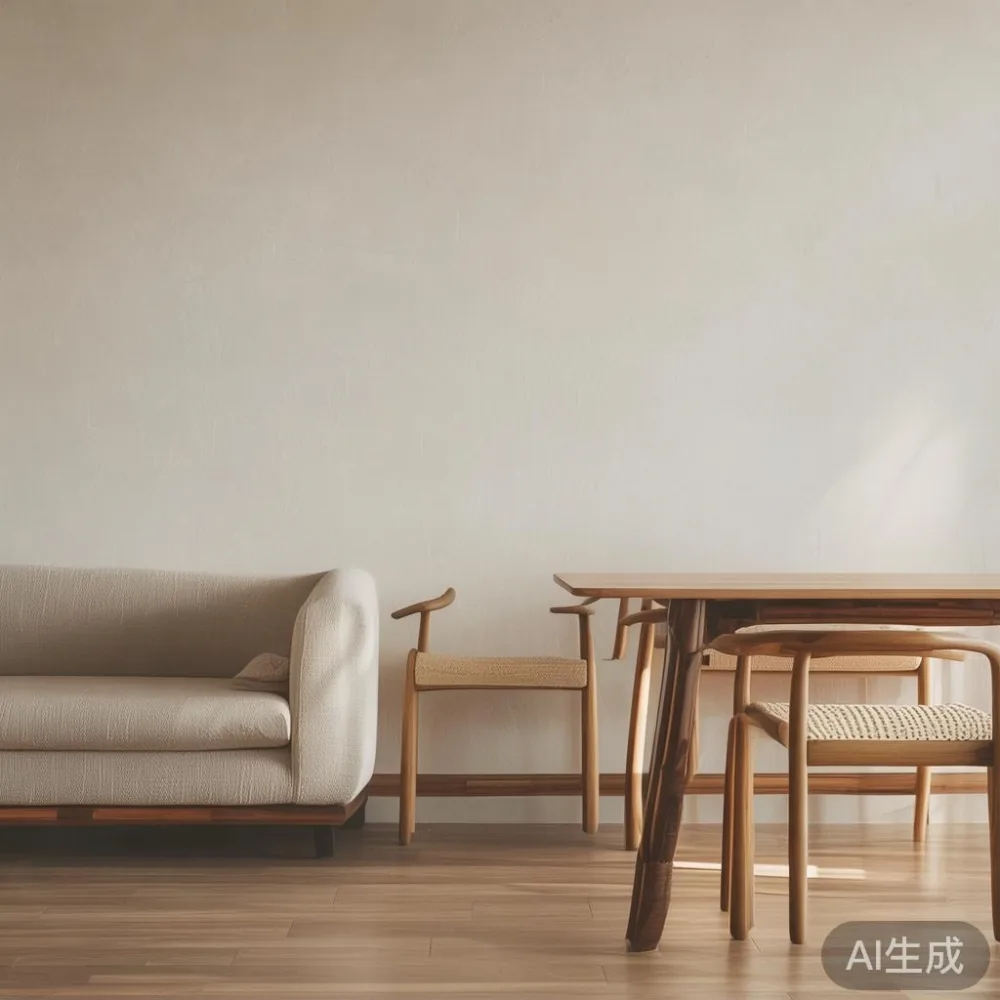
Bamboo furniture is especially useful here because many pieces combine a slim visual profile with reassuring structural weight. At MIDHILL, our approach to solid wood furniture includes bamboo constructions, with sensible dimensions for compact layouts, a 10-year structural warranty, and lifetime refinishing support. Prices below are indicative Singapore retail estimates in SGD, and delivered furniture over US$350 qualifies for free shipping, with GST shown where applicable.
How small is too small for a sofa, dining table, and bed?
Measure before choosing, including the parts of the home that are easy to forget: the lift doorway, lift car, corridor turns, and the route from the parking area to your front door. A dining table may fit inside a unit yet become almost impossible to move through a narrow common corridor. Ask the retailer for the packed dimensions and weight, not just the assembled dimensions.
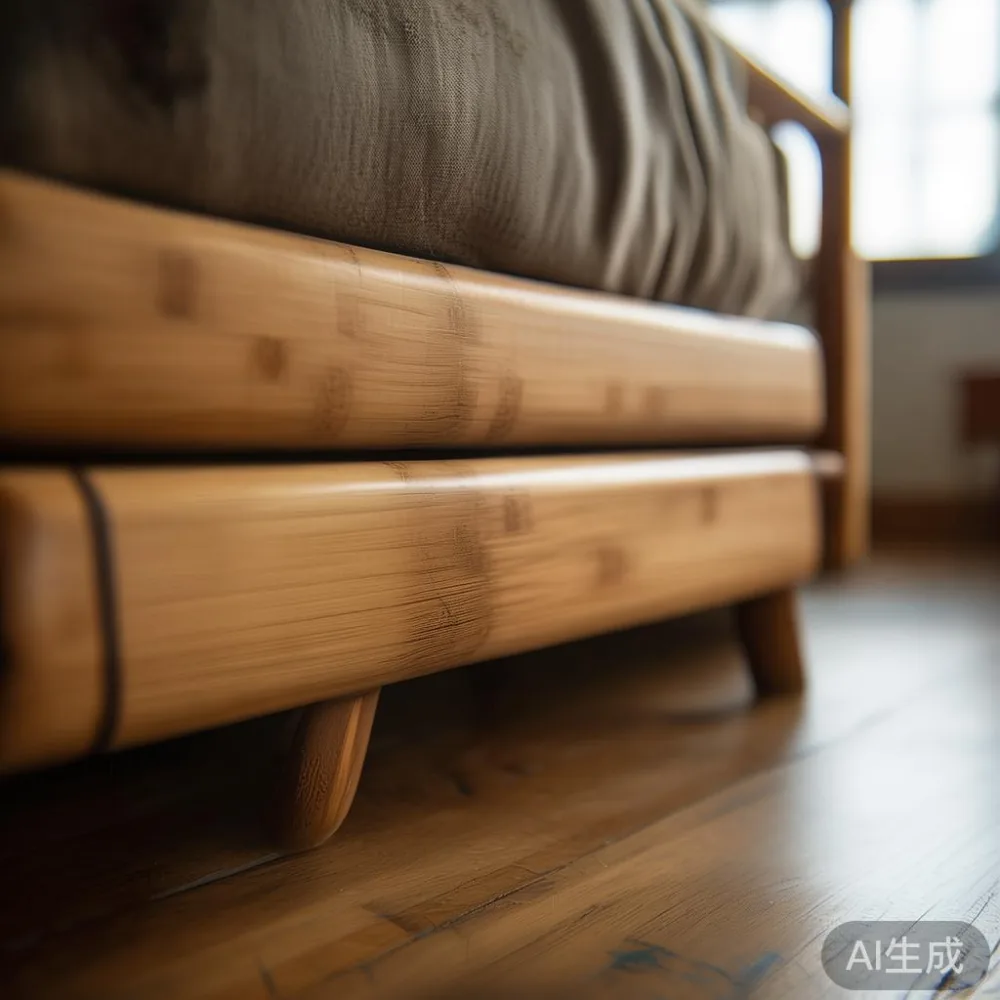
For a 3-room HDB flat, a practical starting point is a 160–180 cm sofa, a 90–120 cm dining table, and a bed no wider than the wall alcove allows. Condo layouts can support slightly larger pieces, but the visual target should remain similar: leave 75–90 cm between a sofa and coffee table, 60–90 cm beside a dining chair, and at least 60 cm in front of a wardrobe door.
Bamboo furniture rewards restraint. A 150 cm solid wood sofa with a 78–82 cm depth can seat 3 people without looking oversized, while a 100 cm round dining table gives 4 people usable elbow room. A round table also avoids the sharp corner that catches a passerby in a compact dining zone. Keep the table height around 72–76 cm for standard chairs and verify the clear ceiling height before installing tall wardrobes.
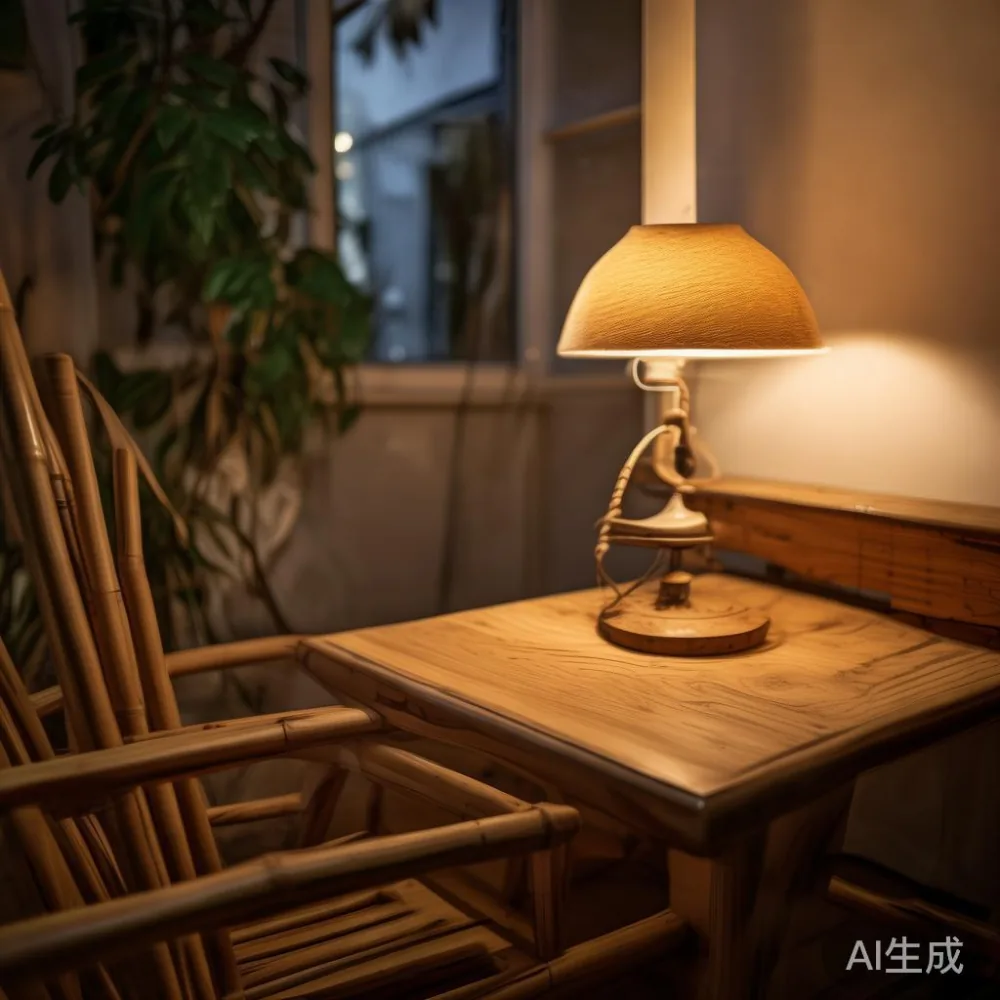
My colleague tested a 160 cm three-seat bamboo-framed sofa in a mock Tampines living room last month. The unit measured 3.2 by 4.5 m, with the corridor entrance reduced to 82 cm. The sofa fitted through a simulated 80 cm doorway only after its legs were removed. Its solid wood frame weighed 54 kg, so two people handled it comfortably, but the packed carton measured 164 by 42 by 24 cm. That check prevented a delivery-day problem and showed why “small footprint” should never replace accurate logistics.
What is the best layout for a small HDB living room?
Think in zones rather than in individual objects. Place the sofa against the longest uninterrupted wall, anchor it with a narrow side table or a slim console, and avoid adding a second bulky seat unless the family needs it. A 110–130 cm solid wood sofa bed can work in a 3.2 by 4.5 m living room when its depth is controlled to 85–95 cm in the open position. The distinction between a true sofa bed and a click-clack frame matters: a foldable design may need 175–190 cm of usable depth when open, whereas a guest bed with a separate mattress may sleep more comfortably.
For families comparing silhouettes, the question of American sofa vs French provincial sofa is less useful than comparing usable depth, cushion density, and frame construction. An American-style sofa often looks broad and relaxed; a French provincial sofa usually carries more visual detail through curved arms or shaped legs. Neither category guarantees a good fit. A lightly detailed, post-modern approach can suit a compact Singapore room more neatly because straight lines and pale surfaces keep the perimeter calm.
Use rugs to define the sitting area rather than to fill every square centimetre. A 160 by 230 cm rug beneath a 180 cm sofa creates a neat relationship, while a 140 by 200 cm rug can work with a 160 cm sofa. Leave 20–30 cm between the front legs and the rug edge. If the main circulation route is tight, a 45 cm-wide side table is more efficient than a large coffee table. A 35–40 cm diameter marble table beside the sofa could add a refined finish, provided its stone base is stable and the total weight remains manageable.
Can bamboo furniture make a small condo look less crowded?
Yes, if material, scale, and visual rhythm work together. Bamboo furniture should not become a collection of thick frames with dark joints. Choose honey-toned, lightly finished pieces with consistent colour, rounded edges, and clear space around them. Natural grain can make wood look warm without introducing more patterns than the room can support.
The useful principle is “one dominant form, several quiet supports.” Let the sofa establish the living room’s shape, use a 90 cm dining table as a compact focal point, and choose a 40–50 cm-wide nightstand near the bed. A slim wardrobe with closed fronts will usually feel calmer than several open cubes. For a study corner, a 100–120 cm writing desk can replace a bulky desk-and-shelf unit, and a wall-mounted shelf can hold 15–20 books without adding floor bulk.
Light is equally important. Replace a heavy ceiling pendant with 1 shade over the dining table and 2 smaller lamps in the living zone. A room with 3 warm lighting points at 2,700–3,000 Kelvin tends to look more layered than one with a single cool fixture. Curtains hung 15–20 cm above the floor and extending beyond the window edges create a taller impression; furniture should not sit directly in front of a doorway, service ledge, or window opening.
For shoppers researching an older furnishing direction, a top 10 Vintage furniture search can offer useful proportion ideas, but vintage seating often has deep dimensions that suit larger rooms. Borrow the slender console, carved edge, or muted timber palette, then verify that the piece fits contemporary HDB access routes.
How do you fit a dining table into a compact kitchen?
A dining table can make a compact home feel crowded if it blocks the kitchen circulation loop. In many Singapore layouts, leave 90–110 cm between the table edge and the kitchen counter, and preserve a 75–90 cm route from the entrance to the sink. A 90 cm round table with 4 slim chairs may occupy less visual space than a rectangular table of similar seating capacity, although it can limit serving dishes and homework spread.
A 120 by 70 cm rectangular dining table is a useful middle ground for 4 people. Push it close to one wall when the room is not in use, but avoid squeezing it into a recess narrower than 130 cm, where chairs will scrape nearby walls. Chairs with slim backrests and a seat width of 42–46 cm help. Leave 60 cm behind each seated person for movement, or 75 cm if people frequently pass behind the chair.
At MIDHILL, the dining table range includes solid wood and bamboo options selected for balanced proportions rather than decorative excess. A 100 cm bamboo-and-solid-wood table can carry the same calm material language as the living room without making the dining zone feel like a separate showroom. Use a low centrepiece under 25 cm high, and keep only 3–5 frequently used items on the tabletop.
If the dining area doubles as a work zone, choose chairs with removable or wipeable seats. For a family of 3, a 90 cm table may be enough; for 4 regular diners, test that each person has at least 55 cm of table width. A table that looks attractive but causes elbows to touch every evening is not a successful small-space solution.
Should a small bedroom use a solid wood bed frame or a storage bed?
A bed frame usually gives an HDB bedroom a calmer appearance because the mattress stays visible and the floor beneath remains open. A solid wood bed frame in 160 by 200 cm size needs a room with roughly 225–240 cm of usable width for side circulation, though one side can be tighter at 50–60 cm. A storage bed may gain floor-level capacity, but drawers can reduce usable space and become difficult to open beside a wardrobe.
Measure the bed against the actual mattress, not the nominal bed size. Allow 2–5 cm of clearance for the frame and check whether the headboard projects beyond the wall. A 40 cm-wide nightstand provides space for a lamp, a phone, and a glass, but a 30 cm surface may be enough when the bedside area is tight. If there is no room for a nightstand, a 20–25 cm wall-mounted ledge can work if it is positioned outside the pillow zone.
Wardrobe planning should account for door swing, sliding panels, and an open-door clearance of at least 60 cm. In a compact bedroom, a wardrobe depth of 55–60 cm is often enough for daily clothing, while 35–40 cm depth suits only one hanging zone with a rail near the front. Place the wardrobe on the wall opposite the bed rather than directly beside it if the gap would fall below 50 cm. Closed doors reduce visual noise; mirror panels can make a room feel wider, though they should reflect a simple view rather than a cluttered cluster.
For occasional guest accommodation, evaluate the frame before buying a temporary solution. The phrase light luxury sofa bed foldable can describe a convenient product, but the real test is mattress support, opening clearance, and storage under the seat. For a dedicated guest room, Scandinavian for guest room planning often points to a straightforward bed, pale textiles, compact storage, and lamps that do not occupy floor area.
Is Japandi sofa worth it for an apartment under 40 square metres?
Japandi styling can suit an apartment under 40 square metres because it emphasises function, light timber, clean lines, and a limited number of visible objects. Before choosing a model, ask whether the sofa suits your daily posture and whether its arms leave enough room to reach a cup or a phone. A low profile is not automatically comfortable, particularly for older adults.
For a 12–18 square metre living room, look for a seat depth of 50–58 cm, a seat height of 40–45 cm, and an width no greater than 180–190 cm unless the wall is generously long. A reversible cushion arrangement can adapt the sofa to a compact room without a separate chair. If the home also needs an occasional bed, confirm the open length and the route from the sofa to the bathroom during a stay.
Japandi styling can use oak or bamboo tones, off-white walls, oatmeal upholstery, and 1 restrained pattern such as a narrow-striped cushion. Avoid adding a large coffee table, multiple floor lamps, and a display cabinet when the room already needs storage. A 30–35 cm side table, a 12 cm-deep floating shelf, and 1 woven basket can provide enough surface and storage without becoming visual clutter.
The design language should also agree with the rest of the flat. If the dining table has ornate curves and the bed has carved details, a very plain sofa may feel disconnected. Mixing 2 styles is usually easier than mixing 5. Pair a tailored sofa with simple dining chairs, or a shaped bed frame with clean-lined occasional tables.
How much should compact furniture cost after GST?
Useful planning starts with a realistic SGD budget rather than a showroom impulse. For a 3-room HDB flat, a coordinated starter package could include a 150–160 cm sofa, a 100–120 cm dining table with 4 chairs, a 160 by 200 cm bed frame, a 40 cm nightstand, and a 45–50 cm wardrobe. Indicative MIDHILL pricing might place the sofa at SGD 1,280 before GST, the dining set at SGD 980, the bed frame at SGD 760, the nightstand at SGD 180, and the wardrobe at SGD 1,450. With 9% GST, the package totals approximately SGD 5,109.80.
These are planning figures, not fixed quotations, because dimensions, timber grade, finish, and delivery conditions affect price. Singapore homes also face a renovation budget of roughly SGD 15,000–40,000 for basic fitted work, so furniture should be specified around the completed dimensions rather than the early drawings.
Set aside 5–10% of the furniture budget for delivery access, assembly, floor protection, and small adjustments. Confirm whether the quoted delivery date is 7–14 days, 14–21 days, or longer for a made-to-order item. Free shipping applies above US$350, but that threshold does not remove the need to check a Singapore lift’s dimensions, maximum load, and booking rules.
MIDHILL has exported to more than 15 countries since 2008 and supports each piece with a 10-year structural warranty and lifetime refinishing. The practical advantage for small apartments is confidence in long-term ownership: scratches can be repaired rather than forcing replacement, and measured pieces can be coordinated from the beginning.
What should I check before delivery day?
Create a delivery checklist at least 48 hours before arrival. Measure the lift car, entrance doorway, corridor width, and any tight turns. Note the packaged weight of each item and whether the carton can be tilted. Reserve the lift for the delivery window if the building requires it, protect the floor near the service area, and keep the route clear of shoes, bicycles, and renovation debris.
For the furniture itself, inspect visible surfaces, joints, hardware, and finish under daylight. Keep the delivery note and record any damage immediately. Standard returns are accepted within 14 days under the applicable conditions, so do not leave packaging until the piece has been checked and its placement confirmed.
A small apartment feels crowded when every object competes at once. It feels open when the sofa, table, bed, and wardrobe have clear boundaries, sensible clearances, and one material story. Use bamboo furniture for its warmth and disciplined proportions, balance it with solid wood sofa, bed frame, dining table, wardrobe, nightstand, and marble table pieces that earn their space, and leave some emptiness in the plan. The empty 60 cm, the closed wardrobe front, and the unblocked corridor are often what make a home feel larger than another piece of furniture can achieve.