How Southeast Asian Humidity Changes Solid Wood Furniture
Humidity is rarely the first concern when furnishing a Singapore home, yet it shapes every timber joint, veneer edge, drawer runner, and finish. Warm air can hold more water vapour than cool air, so wood naturally exchanges moisture with the surrounding atmosphere. During humid periods, its outer cells gain moisture and expand; as relative humidity falls, they lose moisture and contract. Repeated movement can loosen screws, distort joints, encourage mould around damp baseboards, and leave ripple marks on a table top.
Singapore sits near the equator, where outdoor humidity commonly remains high throughout the year. Air-conditioned HDB flats and condos are drier than their surroundings, but doors opening onto humid corridors and frequent morning showers can create daily changes. A wardrobe near a bathroom wall may face more risk than a dining table in the middle of a kitchen. The practical answer is not simply to buy furniture that looks rustic; it is to control moisture, choose stable construction, and give each piece enough ventilation.
Why does humidity affect solid wood in Singapore?
Wood is hygroscopic: it absorbs and releases water according to relative humidity. A change from 50% to 75% relative humidity can produce measurable dimensional movement, especially across the grain. Solid wood commonly responds at roughly 0.1% to 0.3% dimensional change per 1% moisture change, although the figure varies by species, cut, thickness, and machining method. A table top with a 120 cm width could therefore move by several millimetres over a wet-dry cycle. That movement is normal; abrupt or excessive movement becomes a problem when a frame is restrained.
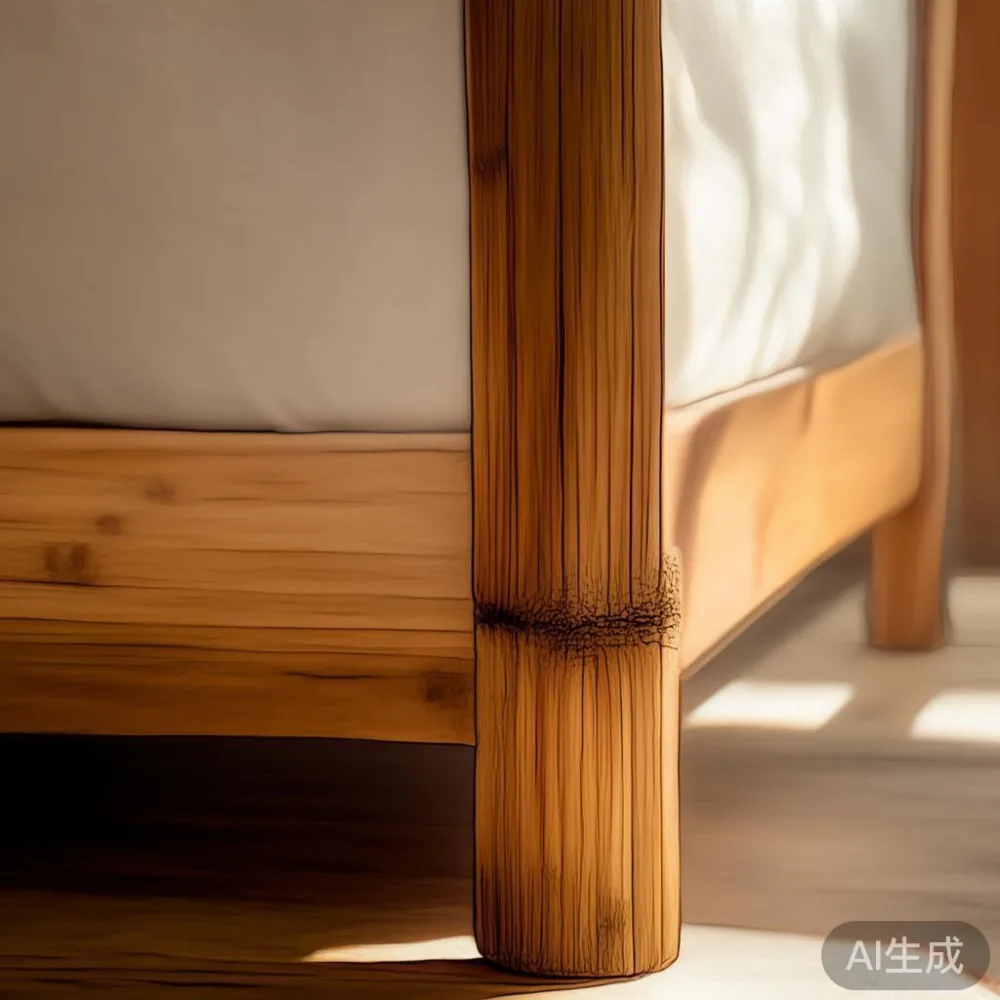
Seasoning reduces but never removes hygroscopic behaviour. Kiln drying wood to a moisture level appropriate for local conditions can limit movement, while quarter-sawn boards, well-seasoned stock, and strong joinery improve stability. Laminated components also move in different directions, which is why a laminated bamboo furniture panel can remain stable when its edges and faces are correctly sealed.
The highest humidity usually occurs overnight, particularly from midnight to 6 a.m. Coastal winds, high-rise exposure, and rain can keep moisture near windows and sliding doors higher. Interior relative humidity of about 40% to 60% is generally practical for furniture. Short spikes are less troublesome than months of sustained dampness. A bathroom with no window may exceed 70% after bathing, while an air-conditioned bedroom may fall below 40% during the afternoon.
What changes should I look for in an HDB flat or condo?
Begin by locating high-risk pieces rather than treating the whole home as one exposure zone. Measure relative humidity for 7 days with an inexpensive hygrometer placed 1 m above the floor and away from vents. Record readings at 8 a.m., 3 p.m., and 11 p.m. If readings stay between 40% and 60%, use a dehumidifier or air-conditioning as needed. If they repeatedly exceed 65%, improve ventilation, relocate damp belongings, and inspect seals.
HDB flats often have compact corridors and relatively narrow household layouts, so airflow matters. Keep furniture at least 5 cm from external walls where practical, and at least 10 cm from a bathroom wall if ventilation is weak. Leave 3 cm behind a wardrobe when the manufacturer permits, provided the doors can open fully. Avoid pushing a large solid wood bed frame into an alcove that traps moisture.
Corridor and lift dimensions deserve equal attention. A 90 cm-wide corridor may allow a 55 cm-deep wardrobe to be moved during renovation, yet a tight turn can damage its rails. Measure door openings and lift doors before delivery: a condo lift door may be around 90 cm wide, while the cabin itself may be only 140 cm deep. These figures are indicative; verify the actual shaft. Protective corners, unassembled shipping, and a clear delivery path can prevent costly damage.
Use the same discipline for windows. A dining table placed directly beside a sliding glass door can be exposed to rain and condensation. Curtains, blinds, and a 20 to 30 cm buffer reduce rapid surface wetting. Do not place a wardrobe against an air-conditioning return vent because chilled air can dry one area and disturb the next.
How do I choose European light luxury beds and wardrobes?
When evaluating how to choose European light luxury bed, look at the frame, not only the upholstered surface. A solid wood bed frame with a stable slat system handles humidity better than a thin decorative frame that relies on tight fittings. Check that rails, legs, and joints are mechanically fastened, with no gaps around fitted boards. A low-profile platform bed may be attractive in a Tampines master bedroom, but it still needs clearance beneath it for inspection and cleaning.
For a European light luxury bed vs Japandi bed comparison, both styles can suit restrained interiors, yet their material demands differ. A Japandi bed may use light timber and simple lines, while European light luxury tends to feature more substantial proportions, padded surfaces, or darker finishes. Those visual differences do not determine moisture resistance. Confirm the timber species, finish coverage, warranty, and replacement parts regardless of style. A matte finish can hide minor dust, while a high-gloss finish shows fingerprints and surface marks more readily.
Wardrobes need careful attention because enclosed interiors can hold damp air. Look for ventilated back panels or adjustable feet that lift the carcass 5 to 8 cm off the floor. A solid wood wardrobe used in a Bedok condo should have sealed edges, soft-close runners, and replaceable hardware. Keep clothes away from the back panel, and leave room for air to circulate. If a wardrobe is built into a recess, inspect the recess after heavy rain and use a moisture meter before installation.
Choose bedroom furniture with a clear care route. For a solid wood nightstand, leave at least 5 cm from a humid wall and wipe spills within 15 minutes. Replace felt pads every 12 months, because trapped moisture can transfer from the floor into a leg. For a solid wood sofa, inspect the underside and legs for staining; upholstery should remain dry and should not be pressed tightly against an exterior wall.
MIDHILL offers a 10-year structural warranty, which makes construction documentation especially useful. Ask whether the warranty covers joinery separation, frame movement, and hardware failure under normal indoor use. It should not be treated as permission to expose furniture to persistent dampness. A 14-day return policy can also help if colour or proportions suit the room poorly, but measure before ordering and inspect packaging on arrival.
What humidity care do dining tables and marble tables need?
A dining table often experiences the clearest daily moisture cycle because hot meals, cleaning water, and nearby windows release vapour into the room. Wipe with a soft cloth rather than leaving a wet ring on the surface. Use coasters about 10 cm across and trivets at least 15 cm wide. Place a solid wood dining table away from a permanently damp balcony door, and allow 5 cm between its edge and any tiled wall.
Finish choice affects maintenance. A water-based coating may be easier to repair, while an oil-wax finish needs periodic renewal. Neither finish makes wood waterproof. Reapply the recommended care product every 6 to 12 months, following the supplier’s instructions. Test an inconspicuous area first and wait 24 hours before using the full surface.
A marble table introduces a different material behaviour. Marble does not expand and contract as strongly as timber, but porous marble and mortar joints can absorb water. A marble top should use a proper sealer, a tray for plants and vases, and a stable base free from standing water. Keep the stone at least 10 cm from a splash zone and dry it immediately. Inspect silicone joints around a bathroom vanity or console, because failed sealant can let water reach cabinet panels behind it.
Do not place a marble table on an uneven floor. Use shims only after confirming that the floor is stable; never correct a rocking table by tightening one leg into a bowed base. If a dining table repeatedly shows cupping or wavy joins, check the room humidity and contact the maker. A well-made table should remain flat after normal seasonal variation, not merely look flat on delivery day.
Is bamboo furniture more suitable for a humid climate?
Bamboo furniture can perform well in Southeast Asian interiors when the panels are properly laminated, finished, and supported. Mature bamboo is naturally fast-growing and can be manufactured into stable structural components, but density, resin content, and edge sealing vary. Dense laminated bamboo furniture can be suitable for a bed frame, dining table, wardrobe, or nightstand if the manufacturer controls moisture during production.
Compare bamboo with solid wood by construction, not by appearance alone. Solid timber expands mainly across its grain, while laminated bamboo panels have veneers and adhesives working in different directions. Properly sealed edges can limit water uptake, although exposed cut edges still need attention. Inspect a sample under running water only if the seller permits it; a 30-minute test will not replace documented durability testing.
For a dining room, choose a bamboo furniture set with replaceable feet, recessed hardware, and a finish rated for indoor use. For a wardrobe, ask whether the back panel is sealed and whether the base is raised. Avoid placing any bamboo furniture against a leaking pipe, exterior drain, or persistently wet balcony wall. If bamboo is used outdoors, cover it during rain and inspect it monthly, because UV exposure and water can break down surface fibres.
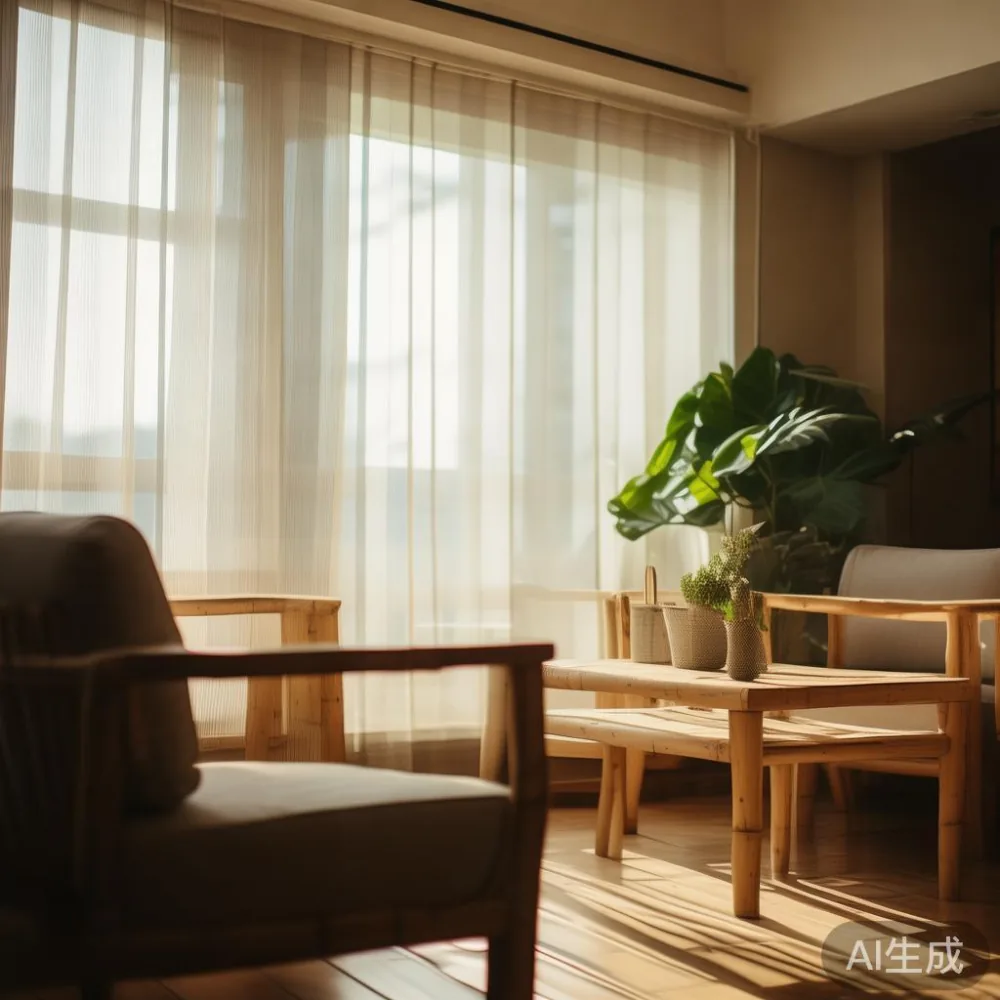
In a light-luxury home, bamboo does not have to look rustic. A smoked bamboo bed frame with brushed brass hardware can support American light luxury styling, while a pale bamboo dining table with linen curtains can fit post-modern light luxury rooms. The phrase top 10 Rustic furniture may suggest a style search, but buyers should still compare moisture stability, dimensions, warranty, and maintenance after choosing that aesthetic.
How can I test a furniture finish before delivery?
Last month I visited a client’s three-room HDB flat in Punggol during a wet week. I placed a small hygrometer beside a new dining table and recorded 74% relative humidity at 11 p.m.; the corridor outside was 81%. The table was beside a sliding door and had been wiped with a damp cloth. After ventilation, the surface dried within 20 minutes, but the floor beneath the baseboard stayed wet. Moving the table 15 cm inward and adding a tray for plants solved the immediate issue. The experience confirmed that furniture condition depends on placement as much as on material.
Use a simple finish test after delivery. Put 3 drops of water on an inconspicuous area and wait 30 minutes. A good sealed finish should bead or wipe away cleanly, although some absorption can be normal. Do not perform this test on marble, lacquered veneer, or a coated surface unless the supplier gives permission. Keep the test away from edges, joints, and visible grain.
Check delivery timing because Singapore rain can delay road conditions and handling. Allow 3 to 7 working days for many local deliveries, or 10 to 21 days for made-to-order pieces, depending on the maker and installation date. Confirm the GST-inclusive SGD price before payment, and check whether delivery includes carrying, unpacking, and assembly. A sofa arriving in 6 pieces may fit a 90 cm lift doorway better than one delivered as a single 180 cm section.
For a solid wood sofa, inspect the underside for dampness and confirm that protective packaging is removed after delivery. For a solid wood bed frame, check every screw and corner before the mattress arrives. For a wardrobe, verify the base clearance and door swing. For a marble table, inspect all four corners and the plinth. Photograph any transit damage within 24 hours and keep the foam, carton, and hardware until the issue is resolved.
What is the practical care routine for long-lasting furniture?
Keep a maintenance schedule rather than waiting for visible damage. Check hygrometer readings once a day for 14 days, then at least weekly. Clean a solid wood dining table with a slightly damp cloth every 7 days, dry it immediately, and renew its finish every 12 months. Wipe wardrobe tracks every 2 months. Vacuum a solid wood sofa every 7 days and inspect its legs after monsoon periods. Inspect bamboo furniture edges every 3 months, especially near windows.
Control the environment where possible. Use air conditioning or a dehumidifier to keep relative humidity near 45% to 55% in frequently used rooms. Open windows when outdoor air is drier, but close them before rain. Fix dripping air-conditioner condensate promptly, replace failed bathroom seals, and use a bath mat that does not block ventilation. Keep food and plants in trays so that water never reaches a timber leg.
When selecting light-luxury furniture in a compact Singapore interior, balance proportion with care access. A 45 cm-deep nightstand is easier to ventilate than one pushed into a 20 cm gap. A 160 cm dining table suits many HDB dining zones, but leave 75 cm of walking space on the primary side. A 200 cm wardrobe may need professional assembly and a second person; its components should be light enough for the available lift and corridor route.
Style matters, yet the long-term result depends on accurate information. A mid-century-inspired solid wood dining table, a French light luxury wardrobe, or a marble table with a pale French light luxury finish can all age attractively when protected from moisture. Check dimensions, timber or stone specification, finish instructions, structural warranty, and return terms before paying. For MIDHILL, exports to more than 15 countries and a lifetime refinishing service can support repeat care, but the owner must still keep water and humidity under control.