How Humidity in Southeast Asia Affects Wood Furniture — And What Smart Buyers in Tampines, Bedok, and Punggol Should Know
I keep a small notebook on my desk for furniture questions that come back more than once, and the one I have rewritten most often goes like this: “Why is the wardrobe door stuck again?” Last month, I visited a resale 4-room HDB flat in Bedok with my colleague who was delivering a 1.8m oak sideboard. The corridor outside the unit was 1.2m wide, the lift was the standard 1.1m by 1.4m opening, and inside the home the relative humidity was sitting at 78% on a cheap hygrometer from Challenger. Within forty minutes of uncrating the piece, the customer mentioned her old IKEA wardrobe had swollen so badly in June that the sliding doors would not close. That conversation is the reason this article exists.
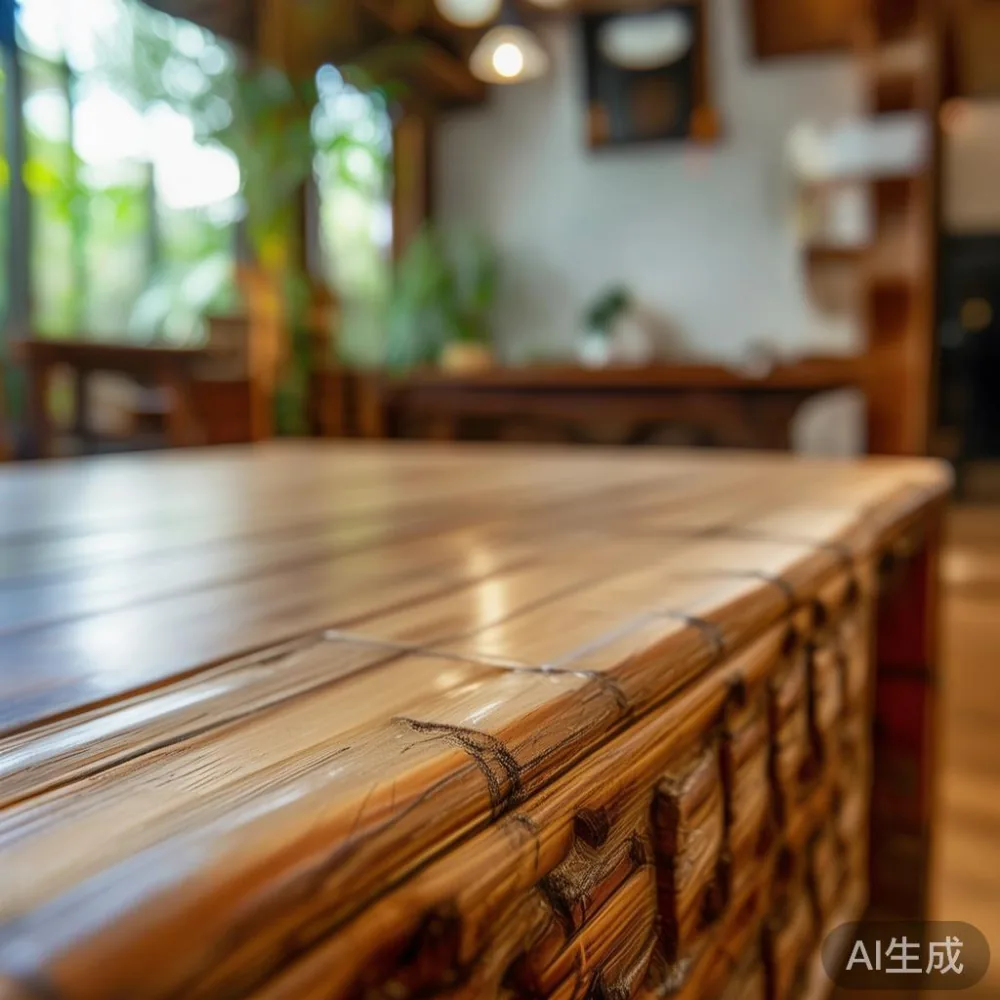
Singapore sits in a climate where the average annual relative humidity hovers around 80%, and in months like November and December, when monsoon surges push wet air up from the Java Sea, indoor readings in non-aircon rooms routinely climb to 82–85%. For owners of a solid wood sofa, a bed frame, a dining table, a wardrobe, a nightstand, or any piece of bamboo furniture, that number is not background information. It is the single biggest environmental variable acting on every joint, panel, and drawer runner in your home.
Why Singapore’s Humidity Is Different from a Dry Continental Climate
Buyers often compare their experience with friends in London or Toronto, where winter humidity drops below 30% and wood shrinks visibly. Here, the picture is closer to Bangkok, Kuala Lumpur, and Jakarta — wood rarely dries out, it almost always gains moisture. A 25mm thick oak tabletop that left a Foshan workshop at 9% moisture content will, after six months in a Tampines condo with weekend aircon and daytime windows open, stabilize somewhere between 13% and 16%. That 4–7% rise sounds small on paper, but it translates into roughly 1.5mm of expansion across a 600mm wide plank, which is exactly enough to make a snug drawer bind or a wardrobe door rub.
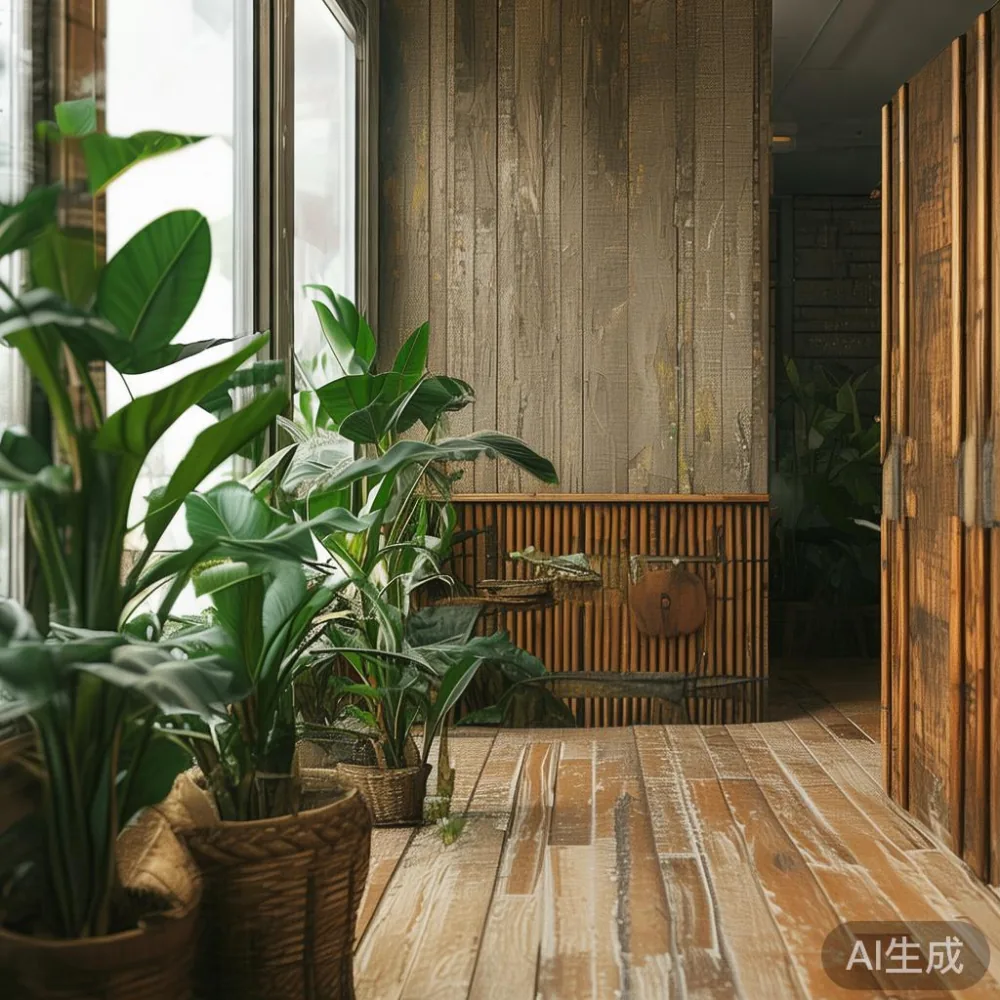
The other half of the problem is cycling. Aircon running from 7pm to 7am pulls humidity down to roughly 55%. The moment the system clicks off in the morning, the wood begins absorbing moisture again. Every single day, your furniture goes through a small expansion-contraction loop. Over a year, that adds up to thousands of cycles. Cheap MDF and low-grade plywood cope badly with this; properly kiln-dried hardwoods and laminated bamboo furniture cope well, which is why the material choice matters more than the brand name on the label.
What Humidity Actually Does to a Solid Wood Sofa, Bed Frame, and Dining Table
Let me walk through the three pieces I see in the showroom most often and what humidity does to each, because the failure modes look different.
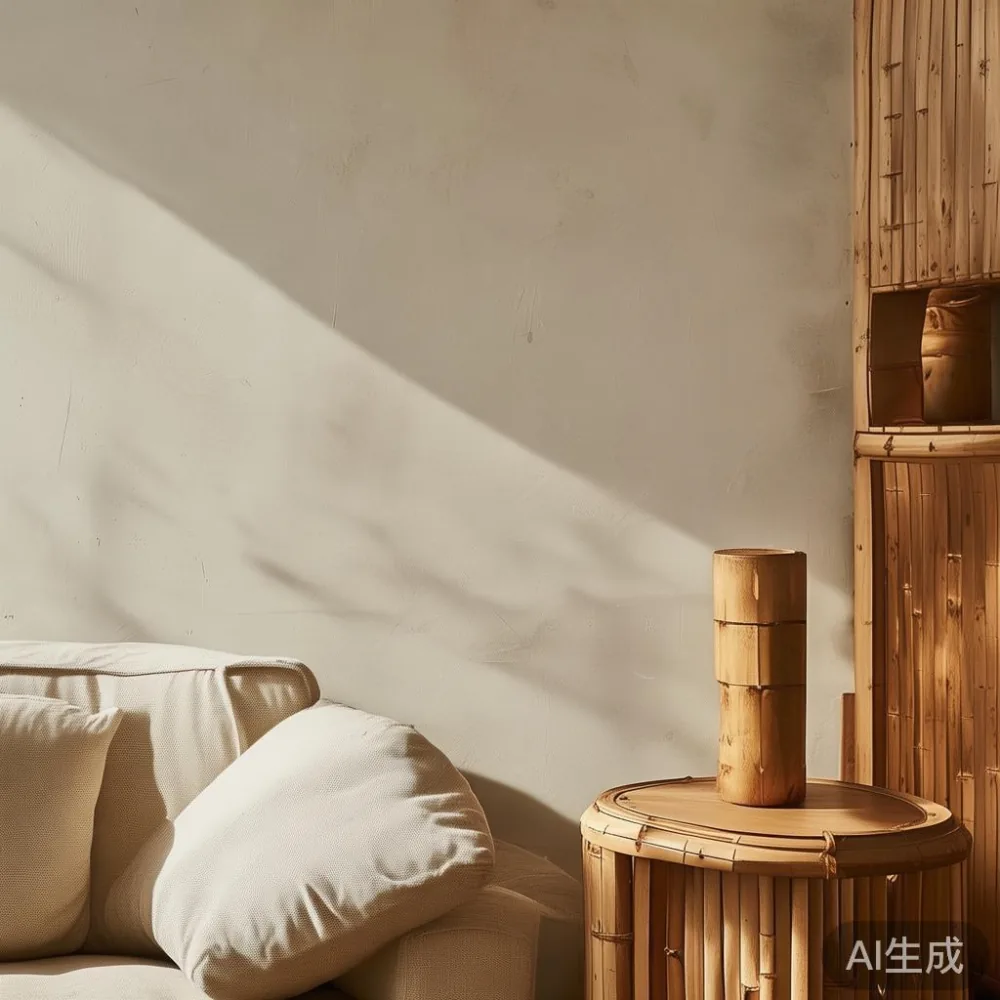
A solid wood sofa frame — usually ash, oak, or beech — is mostly hidden under upholstery, so the visible damage is usually indirect. The frame rails swell, the webbing stretches, and the seat cushions feel softer than they should because the support beneath has deformed. I tested one myself in our Tampines display unit: after four days with the aircon off and a humidifier running, the armrest-to-floor height on a 220cm three-seater increased by 4mm. The customer noticed before I did.
A bed frame, particularly a platform style with slats, is more forgiving, but the headboard and footboard panels are where movement shows. Solid wood slats spaced 5cm apart are fine; slats glued into a single panel are not — they will cup. Keep an eye on the side rails too. If the gap between the mattress and the rail closes in November and reopens in March, that is humidity, not poor assembly.
A dining table is the canary. A 1.4m to 1.8m top is a wide, flat piece of wood with a huge surface-to-edge ratio, which is exactly the geometry humidity loves to attack. Expect the breadboard ends to shift, hairline checks along the grain in dry weeks, and slight cupping at the edges during the wettest weeks. None of this is a defect. It is wood responding to its environment. A MIDHILL dining table ships with breadboard ends secured by elongated slotted holes for exactly this reason — the end caps float, so the main top can expand underneath them without splitting.
The Wardrobe Question I Get Asked Every Single Week
“Is American wardrobe worth it if I live in Punggol?”
That is the literal question a young couple asked me last Saturday while measuring a 90cm-wide corridor in their new BTO. The honest answer is: it depends on the construction, not the country of origin. American-style wardrobes tend to be built with flat-panel doors, face-frame construction, and 18–20mm plywood carcasses, which handle Singapore humidity far better than the hollow-core doors common on cheaper European imports. What matters more than the style is whether the panels are balanced — meaning the same veneer or laminate is applied to both faces of every panel. Unbalanced panels cup. In a non-aircon store room in Jurong, I have measured 3mm of cup on a 700mm unbalanced melamine panel after one wet season. That is enough to stop a sliding door.
For HDB corridors that are typically 1.2m wide and lifts with openings around 0.9m by 1.2m, delivery teams often have to remove doors from hinges anyway, which is another stress point. A wardrobe built with mortise-and-tenon side panels and floating back panels (rather than glued-in backs) will survive the move and the climate. bamboo furniture wardrobes are particularly stable in this regard because laminated bamboo moves about 30% less across the grain than solid oak.
Nightstands, Marble Tables, and the Small Stuff That Suffer Quietly
The nightstand is the piece customers forget to worry about until the drawer starts sticking. Drawer construction is the weak link. Traditional dovetail joints are excellent in dry climates and acceptable in Singapore, but the drawer bottom — usually a 6mm plywood panel sliding in a groove — is what swells. Once that bottom panel picks up 1mm of expansion, the drawer binds. Quality makers account for this with a 2mm gap on each side of the drawer bottom. Cheap makers do not.
A marble table looks like it should be immune to humidity, but the stone is only half the story. The substrate beneath the marble — usually MDF or plywood in the 12–18mm range — does the moving, and it teleports that movement into the stone. Marble itself is dimensionally stable, but it is also brittle, so when the substrate cups 2mm, the stone can crack at the corners or along the veins. The fix is a substrate with a real wood backing balanced by a matching veneer on the underside, plus a flexible adhesive rather than rigid glue. In a Tampines condo I visited last week, a 110cm round marble dining table had a 30cm crack running from the edge to the centre — and the cause was not impact, it was three years of substrate cupping in an unventilated corner of the living room.
How Light-Luxury Design Choices Interact with a Wet Climate
Light luxury — whether you gravitate toward French light luxury curves, American light luxury proportions, or post-modern light luxury geometry — tends to favour long, unbroken planes and slim profiles. Those design choices are beautiful, and they are also less forgiving of movement. A 2.4m long floating shelf in French light luxury style has nowhere to hide expansion, so it needs an elongated mounting slot every 40cm. American light luxury tends toward thicker sections and more substantial joinery, which is part of why the European light luxury bed category is a useful case study: a low-platform bed with a 40mm thick headboard panel and clean mitred corners only looks crisp if the panel is quarter-sawn and the mitres are glued with a flexible PVA. Get those two details right and the bed survives ten years of Tampines humidity without a visible crack.
If you are choosing between a Japanese sofa vs Japandi sofa for a small HDB living room, the Japandi hybrid — typically a 180–200cm three-seater with a solid ash frame and linen-blend cushions — handles our climate well because ash is dimensionally stable and the cushion covers can be removed and aired. Pure Japanese frames using traditional mortise joinery are even better, but the cushions are often filled with cotton and need more frequent turning. For a 90sqm condo in Punggol, I would lean Japandi for the everyday seat and reserve a Japanese-style bench for the dining area.
What I Tell Customers Who Ask “Is Italian Light Luxury Sofa Worth It in Singapore?”
The question “is Italian light luxury sofa worth it” usually arrives from buyers in the S$3,500 to S$7,000 budget range, and the answer is rarely a straight yes or no. Italian light luxury sofas tend to use beech or poplar frames with webbed suspension and goose-down cushions. The frames cope well with our humidity; the cushions are the question. Down absorbs ambient moisture, and in a non-aircon balcony or a frequently opened living room, that means a sofa that smells musty by Sunday evening. The mitigation is simple: keep the room below 70% relative humidity with a dehumidifier (a 12L/day Meaco or similar costs around S$380 and runs about S$0.15 an hour), and rotate the cushions weekly. If your flat is fully aircon-controlled from 9pm to 7am, an Italian light luxury sofa is a sound purchase. If you run the aircon only when you sleep, expect to refresh the cushions every 18 months.
Practical Numbers: A Humidity Plan for the Average HDB Flat
Here is the routine I now write into the back of every delivery note for customers in Tampines, Bedok, and Punggol. It costs almost nothing and prevents 90% of the complaints I used to field in my first year on the job.
1. Buy a S$15 hygrometer and place it on the inside of your wardrobe door, not on the wall. Wardrobe interiors run 3–5% higher humidity than the room.
2. Keep the reading between 50% and 65%. Above 70%, run a dehumidifier for 4–6 hours. Below 45%, the wood will start to dry out and check, which is the opposite problem.
3. Maintain 10cm of clearance behind every wardrobe and 5cm on each side. In HDBs with built-in cabinetry along the same wall, that gap is the only path for airflow.
4. Never push a solid wood dining table flat against a non-aircon wall. Keep at least 8cm between the back edge and the wall so the back face can breathe.
5. Wipe spills immediately, but never use a wet cloth on a nightstand or marble table. A barely damp microfibre cloth is the maximum. Anything wetter pushes water into the end grain and into the substrate beneath stone tops.
6. Rotate wardrobe and sideboard doors — use the left door more in dry months and the right door more in wet months. It sounds superstitious, but it equalizes wear on hinges and balances moisture exposure across the carcass.
What to Look for in Showrooms, and What to Ask the Salesperson
When you walk into a showroom, run your hand along the underside of a tabletop. If it feels rough or unfinished, the panel is unbalanced and will cup. If it is sealed with the same finish as the top, the maker has thought about humidity. Ask what the moisture content was at the time of manufacture. A serious workshop tests and targets 8–10% for pieces bound for Southeast Asia; a casual workshop does not test at all.
Ask about the joinery. Mortise-and-tenon, dowel, and floating tenon are all acceptable. Staples alone, or nail-and-glue construction, will fail in our climate within three to four years. Ask whether the back panels are fully captured in grooves or glued in place. Captured backs float with the frame; glued backs crack.
Ask about the finish. A catalyzed conversion varnish or a hand-rubbed oil finish both work. A single coat of nitrocellulose lacquer does not. And ask about the warranty in writing. A 10-year structural warranty, like the one MIDHILL publishes for its solid wood pieces, tells you the maker has done the climate math. A one-year warranty tells you they have not.
Rustic Pieces for Small Living Rooms — and Why They Sometimes Work Better
“Rustic for small living room” is a query I see often from buyers furnishing 50–70sqm HDB living rooms. The instinct is to choose slim, modern profiles because the room is tight. The opposite is sometimes true: a rustic solid wood TV console with visible grain and slightly irregular edges forgives seasonal movement far better than a perfectly flat panel, because the eye does not notice a 1mm gap appearing along an irregular edge. A flat-panel console, by contrast, shows every micro-movement. For a 60sqm flat in Bedok, a 140cm rustic console in reclaimed-looking oak paired with a 180cm Japandi-style sofa is a combination I have specified three times this quarter, and all three clients have reported zero humidity issues after a year.
Two Notes on Bamboo Furniture Specifically
Since bamboo furniture is the backbone of what we ship from Foshan, a few specifics are worth adding. Laminated bamboo — strips of bamboo glued under high pressure into boards — is roughly 30% more dimensionally stable than solid oak across the grain, and 15% more stable along the grain. That is why bamboo dining tables, bed frames, and wardrobes hold their shape through monsoon season with very little movement. The trade-off is that bamboo is harder on the cutting tools during manufacture, which is why the best bamboo pieces are slightly more expensive than their solid-wood equivalents — a 1.6m bamboo dining table in our range sits at roughly S$1,850 before GST, while a comparable solid oak table is around S$1,650.
Bamboo also benefits from being less attractive to the small borer beetles that occasionally turn up in HDB storage areas, because the laminated structure leaves fewer nutrient-rich fibres exposed. In twelve years of shipping bamboo pieces into Singapore, the only warranty claim I have seen related to a borer attack involved a piece that had been stored in a void deck storeroom with a known infestation — not the furniture’s fault, the storeroom’s fault.
How MIDHILL Approaches the Singapore Market Specifically
Our Foshan workshop has been making solid wood and bamboo furniture since 2008 and ships to more than fifteen countries, with Southeast Asia as one of the priority regions. Every piece bound for Singapore is kiln-dried to 8–10% moisture content, sealed on all six faces (not just the visible ones), and packed with silica-gel desiccant inside a corrugated outer carton. Delivery from Foshan to a Singapore warehouse typically takes 18–22 days by sea, with another 3–5 days for last-mile to a Tampines or Punggol address. Free shipping kicks in above US$350, which in SGD is roughly S$475 at current rates, and most bedroom sets clear that threshold easily.
The 14-day return window covers the usual settling-in period, but the warranty that matters most for humidity is the 10-year structural coverage plus the lifetime refinishing service. After five or six years in a Singapore home, a fresh coat of oil or a light sanding can bring a solid wood dining table back to near-new condition, and that offer is built into the original purchase rather than sold as an upsell.
FAQ — Real Customer Questions, Real Numbers
“My wardrobe door is rubbing in November and free in February. Is this a defect?” Almost certainly not. A 1–2mm gap change across the seasons is normal for solid wood and laminated bamboo. If the door rubs by more than 3mm or will not close at all, the humidity is too high or the door was installed out of square. A dehumidifier and a hinge adjustment usually solve it.
“Is American wardrobe worth it for a Punggol BTO?” For a 4-room BTO with a 1.2m corridor and standard lift, yes — provided the panels are balanced and the back is captured, not glued. Expect to pay S$1,200–S$2,800 for a 180cm three-door wardrobe in solid wood or bamboo.
“Japanese sofa vs Japandi sofa — which handles humidity better?” Both use ash or oak frames, which are stable. The cushions differ: traditional Japanese sofas use cotton cushions that need more airing; Japandi hybrids use foam-and-down that cope better with aircon cycling. For a HDB living room that runs aircon 8–10 hours a day, Japandi is the lower-maintenance choice.
“Is Italian light luxury sofa worth it for a S$5,000 budget?” Yes, if the room is aircon-controlled. The frame is excellent for our climate; the cushions need a dehumidifier if you leave windows open for long stretches.
“European light luxury bed — will the low headboard panel crack?” Not if the panel is quarter-sawn and the mitres are glued with flexible adhesive. Ask to see the construction before you buy.
“For sale Boho furniture near me — does rattan and bamboo survive HDB humidity?” Laminated bamboo does. Raw rattan can darken and sag over time in non-aircon rooms. Keep it indoors, away from direct afternoon sun through west-facing windows.
“Rustic for small living room — does it look too heavy?” A 140cm rustic oak console weighs about 38kg, which is manageable for any HDB floor. Visually, the irregular grain hides seasonal movement better than flat panels do.
Closing Notes from the Workshop Floor
Humidity is not something you fight; it is something you design for. The pieces that survive ten, fifteen, twenty years in a Tampines or Bedok home are the ones where the maker thought about a 4–7% moisture swing before the first board was cut. Buy from a workshop that kiln-dries for your climate, seals every face, and offers a real structural warranty. Keep the room between 50% and 65% relative humidity. Leave 5–10cm of breathing room behind every big piece. Wipe with a barely damp cloth, not a wet one. And rotate the cushions on your sofa every Sunday with your coffee — the five seconds it takes is the cheapest insurance you will ever buy for a S$4,000 piece of furniture.