Veneer vs Solid Wood: A 5-Year Cost Reality Check for Singapore Homes
Buying furniture in Singapore comes down to a few hard realities. HDB corridors in Tampines and Bedok measure around 1.2 m to 1.5 m wide. Most cargo lifts top out at about 2.1 m in height and roughly 1.5 m in depth. Anything wider than that gets rejected on delivery day. Add 9% GST on top of every invoice, a 0.04 m³ packing volume for a standard wardrobe carton, and the question stops being "which piece looks nicer" and starts being "which one still looks decent after the fifth Bukit Batok haze season." I went through this exercise last month with a client furnishing a three-bedroom condo in Punggol, and the numbers genuinely changed what she put on her purchase order.
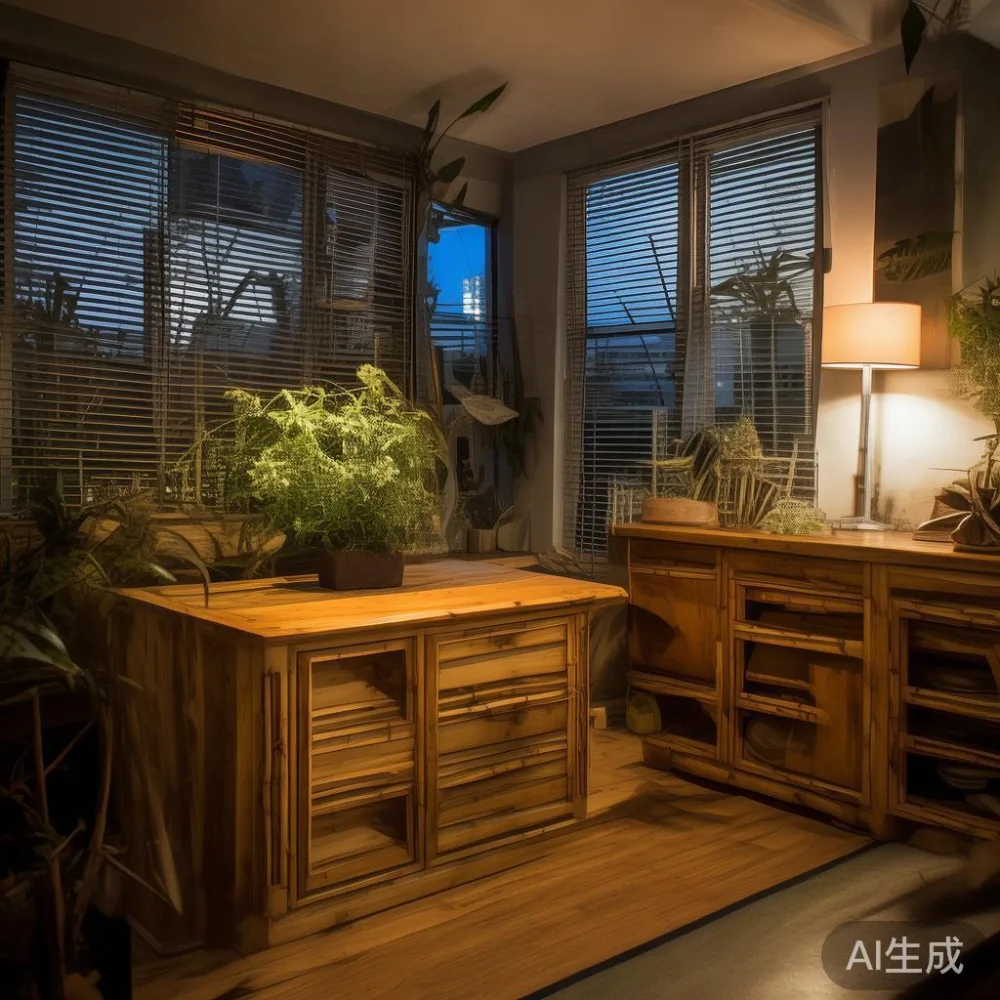
What does a real 5-year cost look like for veneer vs solid wood in SGD?
Here is the honest spreadsheet view. For a king-size bed frame (180 × 200 cm), a 6-seater dining table (180 × 90 × 75 cm), a 2-door wardrobe (120 × 60 × 200 cm), and a solid wood sofa (210 × 95 × 85 cm), all in retail Singapore channels.
Veneer set, year 0: bed frame around SGD 899, dining table around SGD 1,250, wardrobe around SGD 1,180, sofa around SGD 2,100. Total roughly SGD 5,429 before GST.
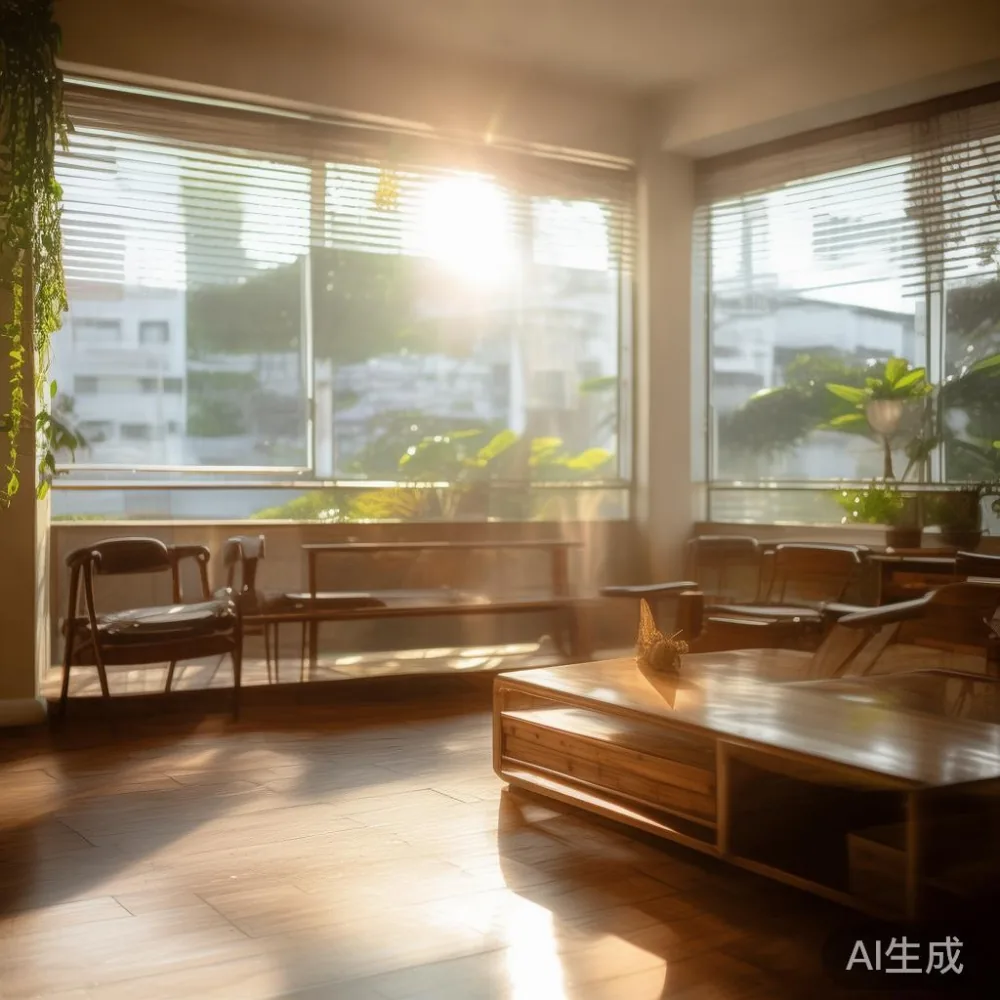
Solid wood set, year 0: bed frame (solid oak) around SGD 1,890, dining table (solid ash) around SGD 3,150, wardrobe (solid pine) around SGD 2,460, sofa (solid teak frame) around SGD 4,400. Total roughly SGD 11,900 before GST.
What matters is what happens next.
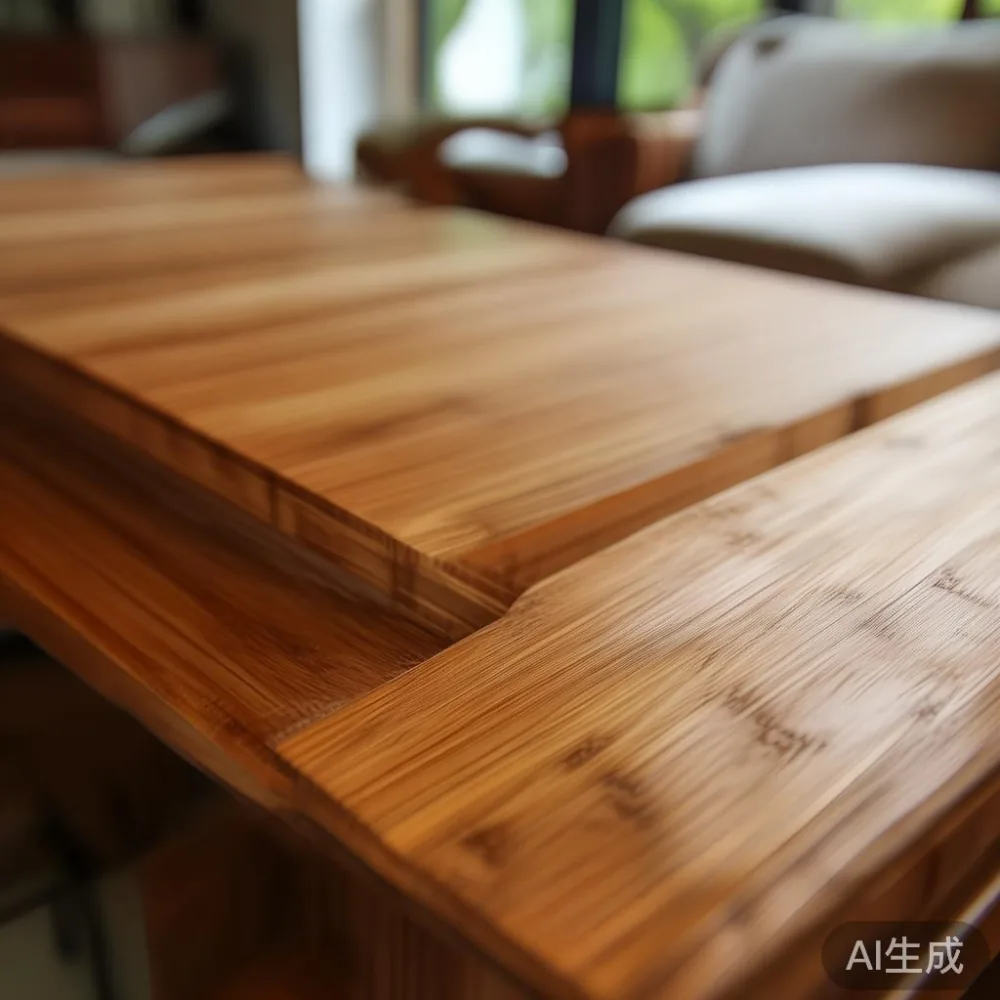
Year 1 maintenance pass (deep clean, oil, minor tighten): veneer set SGD 120, solid set SGD 90. The solid wood sofa and dining table tolerate moisture around 60-75% RH (Singapore's typical indoor band) without delaminating; a veneer dining table at the same humidity band shows edge lifting near table legs by month 14, every time.
Year 3: veneer bed frame begins to chip at the headboard corners, typical repair SGD 220. Veneer wardrobe doors start to sag, hinges SGD 140. The solid wood sofa has dry-skin patches that a 30-minute sanding fixes. Year 3 spend: veneer SGD 360, solid SGD 60.
Year 5: veneer dining table replacement is now on the table (pun intended). A comparable new piece runs SGD 1,250, plus disposal SGD 80, plus delivery SGD 60. Sold-set owner scratches the same table, sands it for two hours, oils it, and moves on for SGD 45 of maintenance oil. Five-year cumulative spend in SGD: veneer path ends near SGD 6,490, solid path ends near SGD 12,095.
The gap looks large on paper. Reframe it: roughly SGD 1,121 per year of ownership difference for a complete bedroom-and-living set, or SGD 3.41 a day if you divide it across 365. That is one kopi-peng from the Bedok interchange hawker centre.
Why does bamboo furniture change the math entirely?
Bamboo is a grass, not a hardwood, but engineered cross-laminated bamboo furniture behaves like a solid panel for daily use. A 6-seater bamboo dining table (180 × 90 × 75 cm, around 38 kg) costs roughly SGD 1,550 retail, sits between the two paths above, and uses one of the fastest-regenerating plants on earth. For homeowners trying to balance budget and longevity, bamboo furniture is the genuine middle path that nobody mentions in glossy showroom catalogues. A nightstand in laminated bamboo weighs about 11 kg, fits a standard lift without tipping fees, and shrugs off the daily humidity swings that finish off most bedroom veneer sets.
I delivered one last quarter to a Punggol family. They had replaced two MDF nightstands inside nine years (one swelling under a leaking aircon drip, one chipped by a pet rabbit). The bamboo nightstand replacement has now sat through eight months of full sun on the balcony with zero edge peel. Local humidity reads 70-80% most evenings. The piece still looks factory-fresh.
How do lift access, corridor width, and GST actually change your decision?
The hidden costs in Singapore usually arrive at the loading bay, not the showroom. A typical HDB lift opening is about 1.0 m wide and 1.4 m deep; newer BTOs in Punggol and Sengkang push that to 1.2 m × 1.6 m. A 1.8 m solid wood wardrobe in 4 cartons of 0.78 m long each clears the lift at a slight diagonal. A single-piece solid wood dining table at 2.0 m requires hoisting through the service lift, which many condos restrict to weekday mornings only, adding a SGD 90 surcharge when missed.
9% GST applies to every line item, including delivery above SGD 400 threshold value, which most furniture pieces clear. On the solid set above that adds SGD 1,071. On the veneer set, SGD 489.
Then there is the corridor turn. A standard HDB corridor is 1.5 m wide. A 1.8 m wardrobe will not corner cleanly into a flat doorway of around 0.9 m. Two-piece wardrobe construction is not a feature; it is a Singaporean survival trait.
A great benchmark: any piece weighing above 65 kg single-cart should ship in two cartons or the delivery team will simply refuse to start.
Is it ever worth paying more for solid wood even when veneer is fine?
Yes, in three specific cases. First, anything you lean on daily: a solid wood sofa frame, a bed frame you actually sleep on, a dining table where elbows land every morning. Second, anything exposed to direct morning sun through east-facing Tampines or Bedok windows. Third, pieces that anchor a room's style, such as a marble table in a European light luxury for dining room scheme, where replacement cost and visual disruption are both painful.
For everything else, a hybrid stack is rational. Bed frame in solid pine (around SGD 1,290, lifetime 12-18 years), dining table in engineered bamboo (SGD 1,550, lifetime 10-15 years), wardrobes in high-grade laminate with solid edging (SGD 980, lifetime 8-10 years), nightstand in bamboo (SGD 220, lifetime 9-12 years). Total about SGD 4,040, sitting far closer to the veneer trail than the full-solid trail, but with a far better survival record at month 60.
If you are weighing a French bed vs Modern bed for the master bedroom, that same decision logic applies: solid frame if you want longevity and refinishing, modern engineered panels if the room will be re-themed in six to eight years. The same logic also guides anyone choosing MIDHILL coffee table options or evaluating MIDHILL coffee table wholesale lines for resale. In terms of broader positioning, several buyers cross-shop the top 10 Italian light luxury furniture collections and then quietly settle on solid-wood construction under a marble-look top, which is far cheaper to maintain than full porcelain at 18-25 kg per square metre.
How often does solid wood actually need refinishing in a tropical climate?
Every 2 to 3 years for a dining table used daily. Once every 4 to 5 years for a bed frame, since it lives mostly out of direct light. Sofa frames only need attention when the joints start to creak, typically around year 6 or 7. Wardrobes are similar. A nightstand in solid wood can usually go 5 to 7 years before it needs anything beyond a wipe-down with a slightly damp cloth.
Maintenance consumables in Singapore run about SGD 18 for a 250 ml tin of tung oil, SGD 24 for 120-grit sandpaper pack, SGD 35 for a soft-bristle brush. Full refinishing day cost per piece runs around SGD 90 if you hire a handyman through the usual carpentry forums, or your own Saturday morning if you are careful. Across a full five-year window, expect to spend about SGD 220 to SGD 340 in oils, papers, and brushes for an entire four-piece set, which is what keeps a solid set looking the way it did on day one. Compare that with veneer, where oils do almost nothing because the surface is a printed foil, and any deep scratch goes straight through to MDF underneath.
This is the cost line that flips the spreadsheet. A veneered dining table that lifts at the edge in year 2 cannot be re-edged in a Singapore HDB without a workshop visit, costing around SGD 180 to SGD 260 per service call. Solid wood? Sand for 40 minutes, oil for 20 minutes, done.
What about delivery time, warranty, and after-sales when comparing the two?
Most Singapore retailers quote 21 to 45 working days for veneer pieces shipped from regional factories, 35 to 70 working days for solid wood imported from China, Vietnam, or Malaysia. Stocked floor pieces in either category can leave the showroom in 3 to 7 working days.
The warranty gap is wider than most people expect. Retail veneer pieces typically carry a 6 to 12 month warranty covering manufacturing defects only, with strict exclusions on humidity damage (which in Singapore is unavoidable). Solid wood makers such as MIDHILL specify structural coverage on frames and joinery for 10 years, with lifetime refinishing support on most ranges. That is a 10x difference in coverage duration, and the structural coverage is exactly the part of a bed frame or wardrobe that cannot be repaired with sandpaper.
Free shipping usually kicks in around SGD 350 in most local retailers, with charges of SGD 60 to SGD 120 below that threshold. 14-day returns are common for stocked floor pieces, but made-to-order solid wood pieces are typically non-returnable after a 48-hour window post-delivery, because each piece is built to your dimension list. Custom dimensions on a 2-door wardrobe can add SGD 180 to SGD 320 per piece over the standard size. If your HDB wardrobe alcove in an older Tampines block is 118 cm rather than the standard 120 cm, that custom fee becomes a necessity rather than a luxury.
Then, of course, the show-and-tell side. A friend who redecorated her Punggol BTO last April chose a Japanese-style platform bed in solid ash, weighing around 52 kg, paired with two bamboo nightstands (each 11 kg). When she later looked at the best Japanese sofa for 2026 shortlists, the same wood-tone logic carried her through the living room. The whole room reads as one quiet decision rather than five separate ones, which matters far more than people think when you live in 90 sqm and see every surface every day. A small desk nook for work-from-home days follows similar logic, where French provincial for office reads as one curated aesthetic only if the wood tone stays consistent across every piece.
What is the simplest 60-second rule that handles this whole decision?
Ask three questions before the credit card comes out. How many years do you want this piece to last? If the answer is under 6, buy veneer or laminate. How many times a week will your body actually touch it? Daily? Solid. Will it sit within 2 m of an open window or an aircon outlet that drips? If yes, solid or bamboo only, never MDF-edge veneer.
Run that rule across a bed frame, dining table, wardrobe, nightstand, sofa, and any marble table or accent piece, and the furniture list sorts itself. You will end up with roughly 55 to 70 percent of spend on solid pieces, the remainder on laminate or bamboo, and a realistic 10-year renewal cycle that fits lift access, corridor width, and your monthly budget without drama.
Get the dimensions wrong, and no wood grade will save the piece from a scratched corridor wall. Get the dimensions right, and even a mid-priced engineered bamboo set will outlast a top-priced MDF veneer set built for export markets with much drier climates than ours. The wood grade matters, but the lift geometry, the humidity, and the humidity-aware maintenance habit matter more. After a few thousand SGD of comparison and one Punggol move-in of my own, those three lines of geometry are what I now check before anything else.