The True Cost of Furniture: A 5-Year Veneer vs Solid Wood Analysis for Singapore Residences
Furnishing a home in Singapore, whether it's an HDB flat in Tampines or a condominium in Punggol, is a significant investment. The choices you make now will impact your daily life for years to come. Among the most critical decisions is the material of your furniture. This article provides a detailed, five-year cost comparison between veneer and solid wood furniture, using concrete data, local context, and real-world examples to help you make an informed financial decision.
Understanding the Core Difference: Veneer and Solid Wood
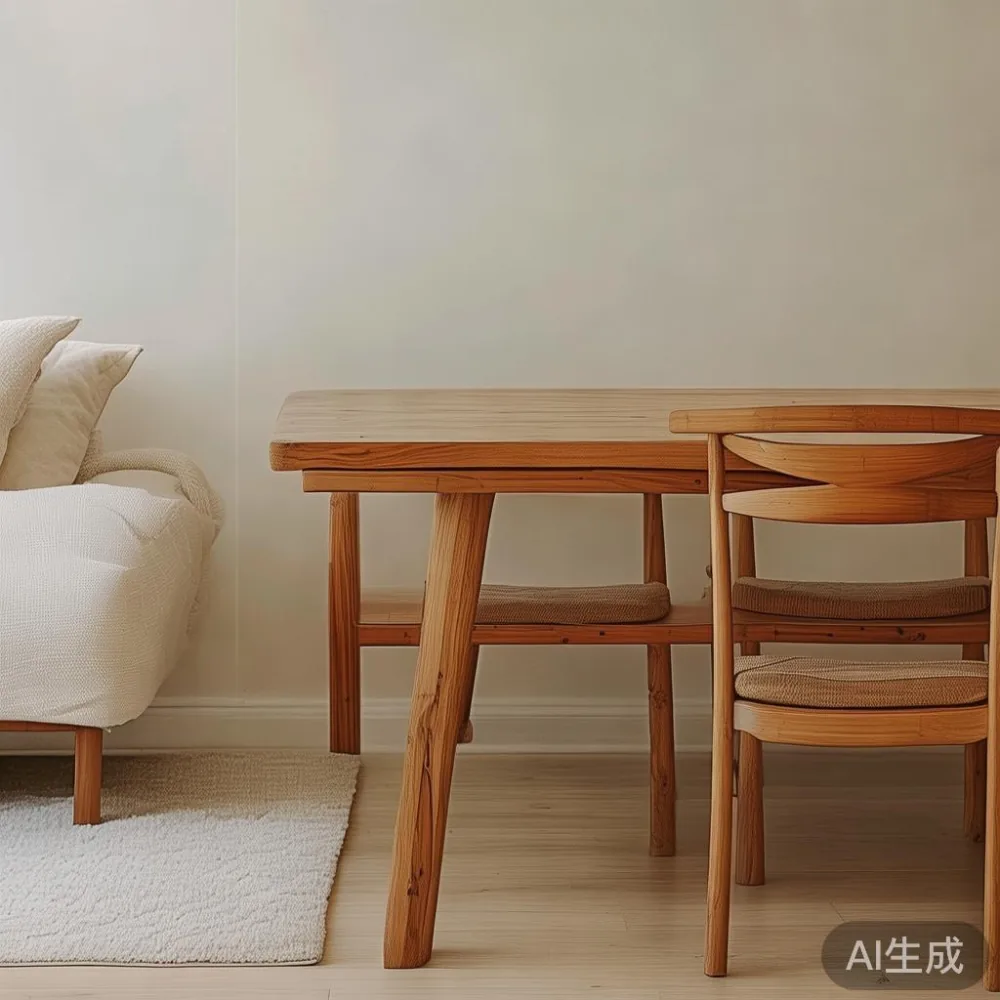
Before diving into the numbers, it's important to understand what these terms mean. Veneer furniture consists of a very thin slice of real wood, often no thicker than 0.6mm, glued onto a substrate like particleboard, MDF (Medium-Density Fiberboard), or plywood. This substrate provides the shape and structure, while the veneer provides the aesthetic wood grain. Solid wood furniture, conversely, is crafted from solid planks of timber—such as oak, teak, or the sustainable option of bamboo—where the entire piece is made from the same wood. This distinction is fundamental to understanding their long-term performance and cost.
Initial Investment: The Upfront Cost Breakdown
The most apparent difference between veneer and solid wood furniture is the initial price tag. Veneer is generally less expensive because the base materials (MDF, particleboard) are cheaper to produce and the amount of actual wood used is minimal. Solid wood requires more raw material and skilled craftsmanship, commanding a higher price. Let's look at the typical costs for key furniture items in Singapore, including the 9% Goods and Services Tax (GST).
| Furniture Item | Veneer (SGD) | Solid Wood (SGD) |
|---|---|---|
| Dining Table (seats 6) | $850 - $1,200 | $2,500 - $4,000 |
| Wardrobe (150cm wide) | $1,000 - $1,500 | $2,800 - $3,800 |
| Solid Wood Sofa (3-seater) | $1,200 - $1,800 | $3,000 - $5,500 |
| Bed Frame (Queen size) | $800 - $1,100 | $1,800 - $2,500 |
For a typical living room and bedroom set, a veneer package might cost around $4,500, while a solid wood equivalent could easily exceed $10,000. This substantial initial outlay is the primary reason many homeowners opt for veneer, but the story doesn't end with the purchase price.
Long-Term Durability and Maintenance Costs Over 5 Years
The true cost of furniture is revealed over time. Veneer furniture, while attractive initially, is more susceptible to environmental changes and physical wear. Singapore's high humidity can cause the substrate (MDF/particleboard) to swell and warp, leading to the veneer cracking or peeling. Solid wood, on the other hand, is more stable and can withstand these conditions better, often looking better with age as it develops a natural patina.

Maintenance costs over a five-year period can add up significantly. Veneer surfaces are easily scratched and damaged. A deep scratch on a veneer dining table is often irreparable, whereas a solid wood table can be sanded down and refinished. Here’s a breakdown of potential maintenance expenses:
- Refinishing: A solid wood dining table can be professionally refinished every 7-10 years. The cost is approximately $300-$500. Veneer cannot be refinished; if the surface is damaged, the entire piece may need replacement or a very expensive repair.
- Repair Services: Fixing a cracked veneer panel or repairing water-damaged MDF can cost $150-$400 per incident. For a family with children or pets, these incidents can be common.
- Touch-up Kits: Veneer furniture often requires touch-up markers and fillers to hide scratches, costing around $50 per year for upkeep.
Over five years, a veneer dining table might require one major repair ($300) and annual touch-ups ($250), totaling $550 in maintenance. A solid wood table might need a single professional clean and polish ($100) over the same period, costing significantly less.
Resale Value: An Overlooked Financial Factor
When you eventually move or decide to upgrade your furniture, its resale value becomes a financial consideration. In Singapore's property market, where HDB flat owners may move every 5-10 years, having furniture that holds its value is a smart financial strategy.
Well-maintained solid wood furniture retains a remarkable portion of its value. A 5-year-old solid wood dining table purchased for $3,000 could potentially be resold for $1,500 to $2,000. A veneer dining table of the same age, purchased for $1,000, might only fetch $200-$300, if it can be sold at all. The difference in resale value can offset a significant portion of the initial higher cost of solid wood.
Is Solid Bamboo Furniture a Better Long-Term Investment?
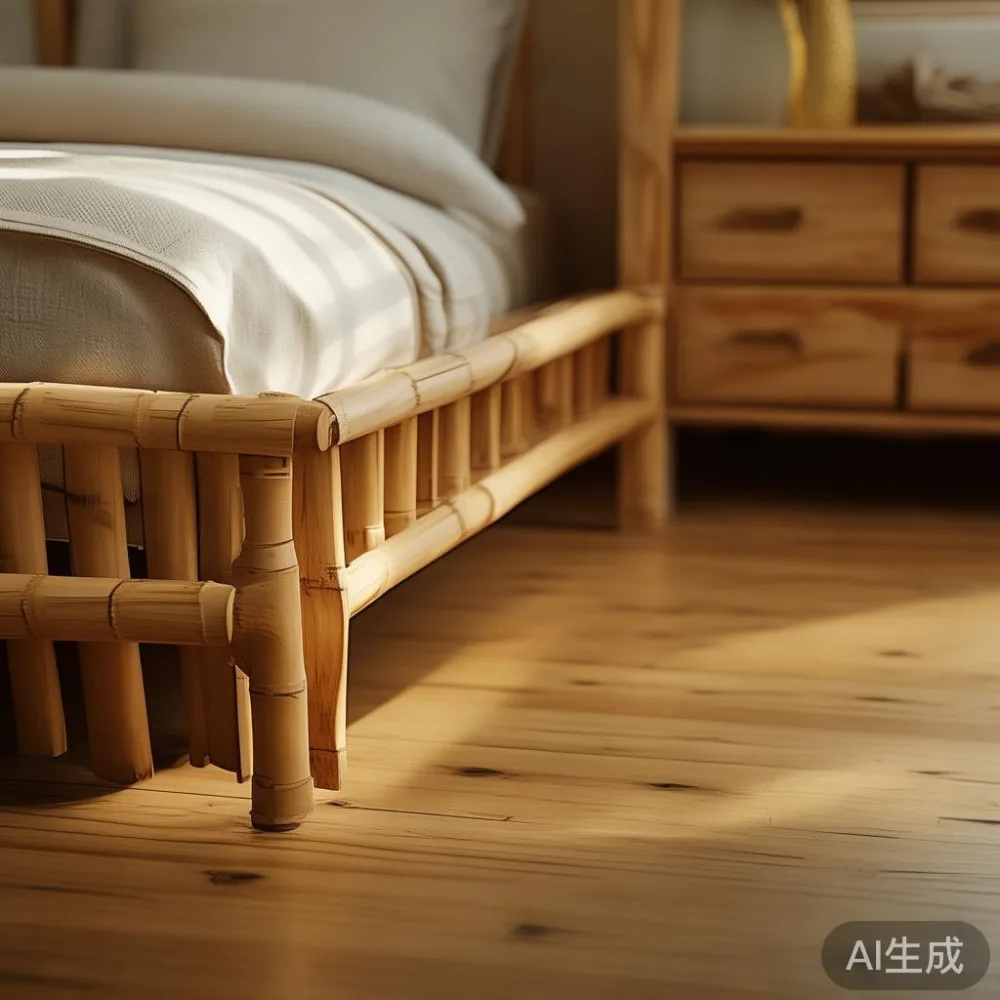
For homeowners seeking a balance of durability, sustainability, and aesthetic appeal, bamboo furniture presents a compelling alternative. Bamboo is not technically wood but a grass, but it shares many of the structural benefits of solid hardwood. It is exceptionally strong, more stable than many woods in humid climates, and highly renewable, growing to maturity in just 3-5 years. A bamboo dining table or wardrobe offers the same long-term durability as a solid oak piece but often at a more accessible price point. This makes bamboo furniture an excellent choice for those who want the longevity of solid wood without the highest initial investment.
A Real-Life Experience: Veneer's Fragility in a Singaporean Home
Last month, I visited a client in a Punggol condominium. They had purchased a veneer Italian light luxury for guest room set for their master bedroom and a matching wardrobe. The pieces looked stunning upon delivery. However, after just 18 months, the wardrobe's veneer door had developed a noticeable warp from the humidity, and the nightstand's surface had several deep scratches from placing a handbag on it. The client was disappointed, as the maintenance costs were already mounting. In contrast, their solid wood sofa, which had a similar price tag initially, looked as good as new. This experience underscored the long-term value of solid wood furniture in the challenging Singaporean environment.
How to Style a European Wardrobe in Your Room?
One of the benefits of solid wood furniture is its timeless aesthetic and versatility. A solid wood European wardrobe, for instance, can be styled in various ways to suit different interior design themes. To achieve a light luxury bed vs Modern bed look, you might pair a minimalist solid wood wardrobe with soft, neutral-toned bedding and brass hardware. For a post-modern light luxury feel, you could choose a wardrobe with clean lines but pair it with a bold, abstract art piece and a marble table. The key is to let the natural beauty of the wood grain be the focal point while complementing it with other elements in the room. This styling approach ensures your furniture remains stylish for years to come, unlike trendy veneer pieces that can quickly look dated.
Comparing Specific Items: A 5-Year Cost Projection
Let's create a detailed 5-year cost projection for two common furniture items: a dining table and a bed frame. This analysis includes initial cost, maintenance, and potential resale value, giving a clear picture of the total financial outlay.
Dining Table (5-Year Cost)
- Veneer Table: Initial cost $1,100. Maintenance: $300 for repairs and touch-ups. Resale value: $250. Total 5-year cost: $1,100 + $300 - $250 = $1,150.
- Solid Wood Table: Initial cost $3,200. Maintenance: $100 for professional polish. Resale value: $1,800. Total 5-year cost: $3,200 + $100 - $1,800 = $1,500.
Bed Frame (5-Year Cost)
- Veneer Bed Frame: Initial cost $950. Maintenance: $200 for repair of water damage. Resale value: $150. Total 5-year cost: $950 + $200 - $150 = $1,000.
- Solid Wood Bed Frame: Initial cost $2,100. Maintenance: $0. Resale value: $1,200. Total 5-year cost: $2,100 + $0 - $1,200 = $900.
As you can see, while the solid wood option has a higher initial cost, its lower maintenance and higher resale value make it the more financially sound choice over five years. The American bed vs Nordic bed debate often comes down to this principle: initial investment versus long-term value.
Why a Solid Wood Nightstand Makes Practical Sense
A nightstand is a small piece of furniture that endures a surprising amount of use. It holds lamps, phones, glasses, and books, making it prone to scratches, dings, and water rings from a glass of water. A veneer nightstand will show these imperfections almost immediately. A solid wood nightstand, however, can withstand this daily wear and tear. A small scratch can be easily buffed out, and a water ring might even disappear as the wood absorbs the moisture. The practical durability of a solid wood piece like a nightstand saves money on repairs and preserves the look of your bedroom for years. This is why finding the best Vintage sofa for 2026 often means choosing one with solid wood legs and frames for added longevity.
Considering Space and Practicalities in Singapore Homes
Singapore living spaces, from HDB flats to condos, have specific constraints. Lift widths in older buildings can be as narrow as 80cm, and corridor turns are tight. A solid wood wardrobe, while heavier, is often built in a more modular way or with simpler designs that work through these spaces more easily than a bulky, veneer unit that might be assembled on-site. Also, the weight of solid wood furniture is a consideration, but its structural integrity means it won't sag or collapse under the weight of clothes like a veneer wardrobe with a thin MDF back might. When planning your furniture layout, it's wise to consider these practicalities alongside aesthetics.
Final Verdict: The Wisdom of Choosing Solid Wood
When you factor in the initial cost, long-term maintenance, and potential resale value, solid wood furniture proves to be a more cost-effective investment over a five-year period. While the upfront expense is higher, the peace of mind, durability, and financial return make it a wise choice for the Singaporean homeowner. Brands like midhillco have built their reputation on this principle, offering furniture that is designed to last a lifetime, not just a few years. For those who appreciate quality and sustainability, solid wood or bamboo furniture is an investment in your home and your lifestyle that pays dividends for years to come.