Caring for Lacquered Bamboo Furniture in Singapore's Tropical Climate
I visited a Tampines HDB flat last month to inspect a three-year-old bamboo furniture dining set that the owner had bought during the BTO renovation phase. The lacquered tabletop had begun to turn cloudy near the kitchen entrance, and one of the solid wood dining chairs had developed a faint white ring under a potted orchid stand. The flat had no full-length windows facing the dining area, and the family ran two dehumidifiers on a 12-hour cycle. None of this is unusual. In Singapore, where relative humidity sits between 70 and 85 percent for most of the calendar year, even a well-finished lacquered surface has to work harder than the same surface would in a temperate city. What follows is a working guide for keeping bamboo furniture and other solid wood pieces looking sharp from your BTO handover through to your next renovation.
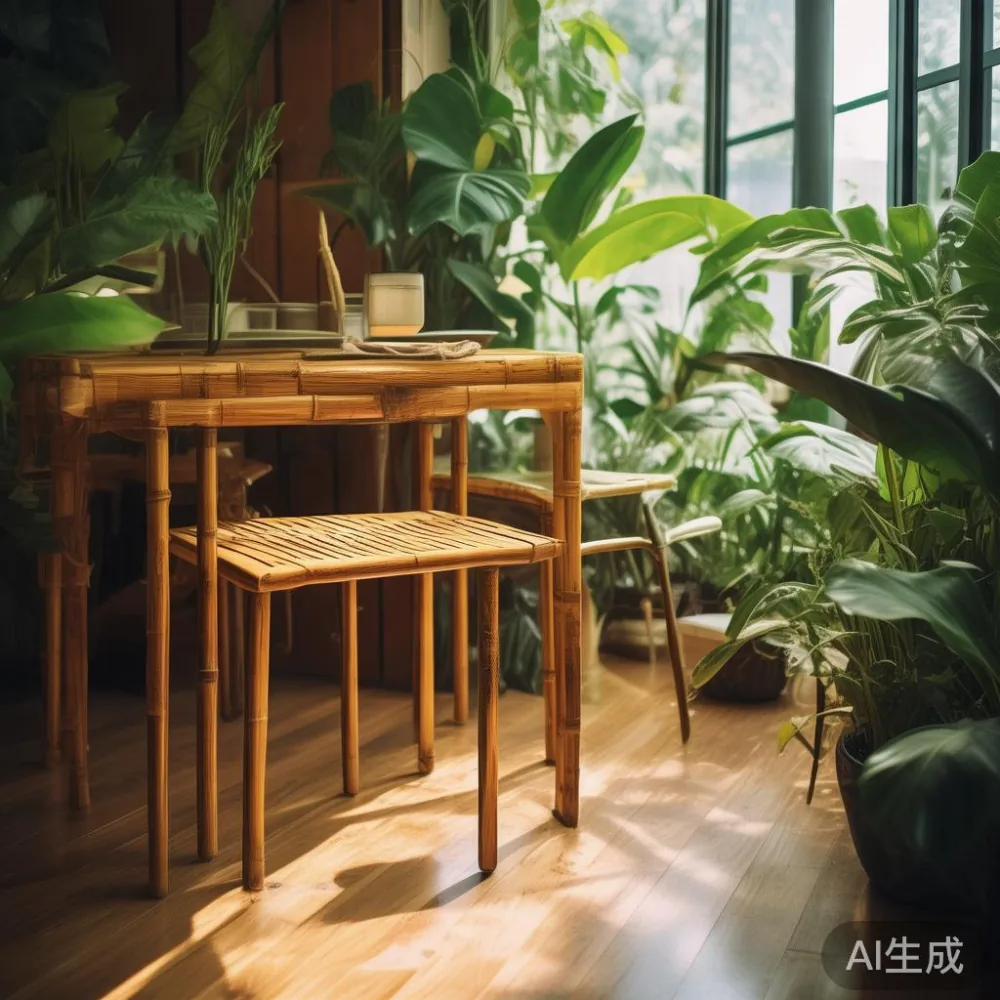
Why Singapore's Climate Is Especially Hard on Lacquered Bamboo Furniture
Lacquer is a protective skin. On a well-built bamboo furniture dining table, the lacquer seals the bamboo fibres from moisture exchange, gives the surface its gloss, and resists the tannins and pigments that can bleed out of the wood. In a Tampines or Punggol HDB, three forces work against that skin at once. First, ambient humidity swings between an air-conditioned 55 percent and a corridor-side 82 percent within the same afternoon. Second, equatorial UV is strong enough, even through north-facing service yards, to start breaking down cheaper polyurethane finishes within 18 to 24 months. Third, salt air from daily sea breezes in estates like Bedok Reservoir and Marine Parade carries chloride ions that dull gloss and pit soft coatings over time. I have seen a 4-year-old wardrobe lose 15 to 20 percent of its sheen on the panel facing the balcony door. None of this means the lacquer failed. It means the lacquer did its job and is ready to be refreshed.
Is French Provincial Headboard Furniture Worth It?
Yes, French provincial headboard furniture is worth it for Singapore homeowners who want a curved, upholstered focal point in the master bedroom, provided the frame is built from solid wood rather than MDF. The provincial style pairs naturally with teak or walnut bamboo furniture side tables, and a headboard finished in satin lacquer survives the air-conditioned bedroom far better than an open-grain untreated alternative. Buyers should still ask the showroom for the lacquer sheen rating, the number of polyurethane coats, and whether the carved details are hand-applied or moulded, because the price gap between a 1,800 SGD and a 3,600 SGD provincial headboard usually comes down to those three answers.
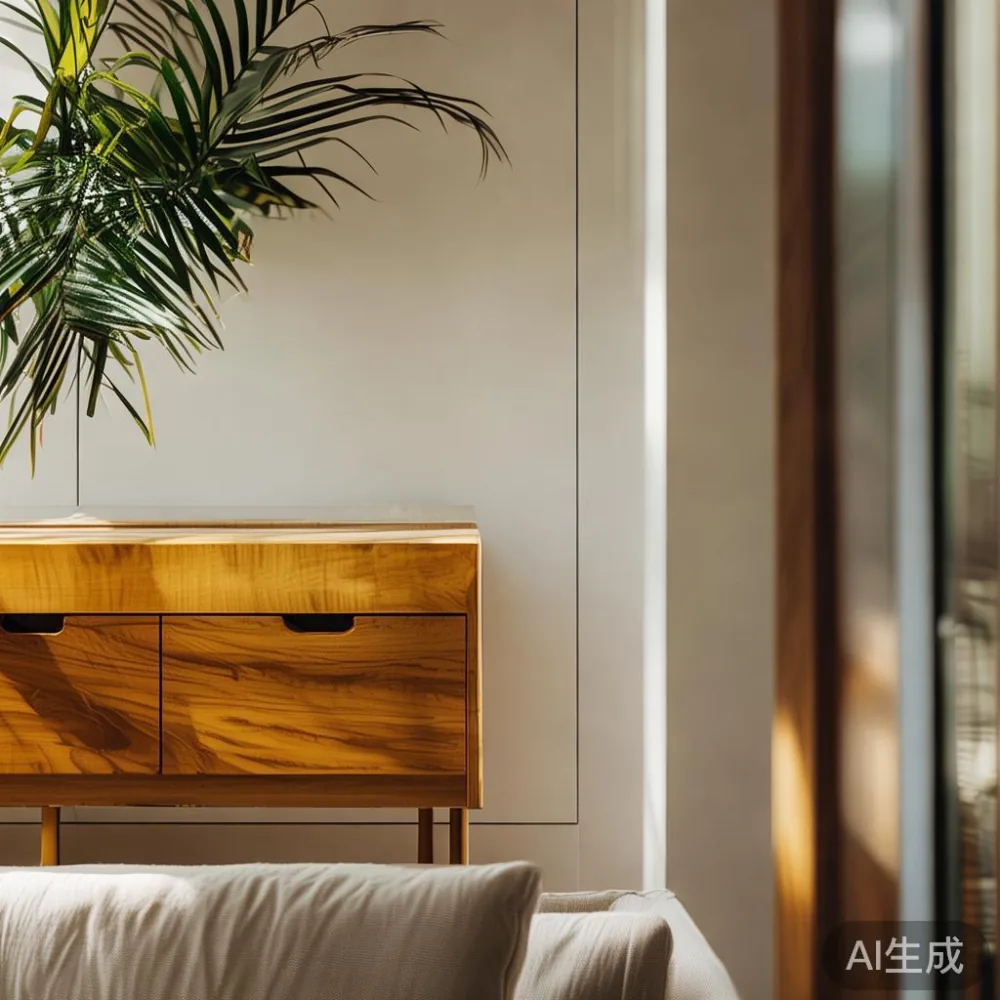
The 10-Minute Weekly Routine That Saves a 2,500 SGD Dining Table
A good lacquered bamboo furniture dining table in Singapore retails between 1,800 and 4,200 SGD for a six-seater, so spending ten minutes a week on it is a sensible trade. The routine is short and the kit costs under 25 SGD. You need one microfibre cloth per metre of tabletop, a pH-neutral wood soap (avoid anything labelled "antibacterial" or "degreaser"), a second dry microfibre, and a small bowl of room-temperature water. Wipe in the direction of the grain, never across it. Dry the surface within 30 seconds so no moisture line forms. For sticky spots from kaya toast or sambal, lay a damp cloth on the mark for 60 seconds, then lift and wipe once. Never spray cleaner directly onto lacquer: overspray creeps into the mitre joints of a solid wood bed frame and softens the glue line over a year or two.
For chairs, the same cloth and soap work, but pay attention to the arm caps and the top rail where skin oils build up. A bamboo furniture chair finished in matte lacquer will mark visibly if oils are left to cure, while a gloss finish hides them for longer but shows swirl marks under the dining light. I keep one cloth marked "oily" and one marked "dry" so I never cross-use them.
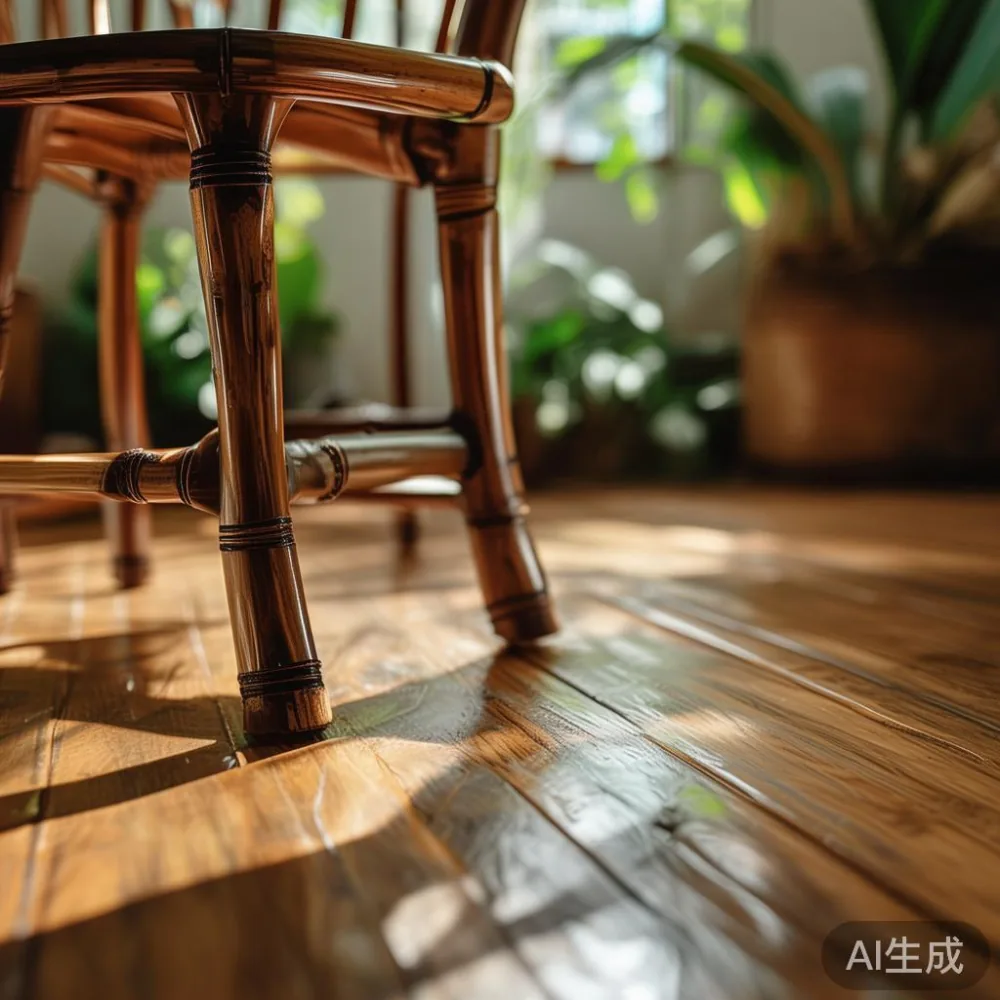
Humidity, Air-Con, and the Condensation Trick Nobody Talks About
Condensation is the silent killer of lacquered bamboo furniture in a Singapore condo. The moment you wheel a 1.6-metre wardrobe from the delivery lorry into an air-conditioned bedroom, the surface temperature of the lacquer drops by 4 to 6 degrees. Humid corridor air that touches that cold panel can leave a faint mist of moisture that hardens into a bloom you cannot polish out without a professional cut-back. The fix is trivial: leave the wardrobe in the bedroom with the door closed and the air-conditioner off for four to six hours before switching the unit back on. The wardrobe equalises slowly, the lacquer does not flash-cool, and the risk of bloom drops by roughly 80 percent. The same rule applies to a marble table that often accompanies a solid wood sofa set; the stone warms and cools at a different rate than the lacquered frame, so give the whole arrangement the same rest period.
Spills, Sunscreen, and the Kaya Question
Three substances ruin lacquered bamboo furniture faster than anything else in a Singapore household. The first is sunscreen. Most SPF 50+ lotions contain avobenzone, which yellows lacquer permanently within weeks of repeated contact. The second is the juice from pandan leaves used in traditional desserts. The third is the chai or teh peng that ends up sitting on a nightstand during a Zoom call. For all three, the answer is the same: blot, do not wipe, then clean with a damp microfibre and dry within a minute. If the spill has been sitting for more than 20 minutes, expect a faint ring and plan a light buff with paste wax in the next maintenance cycle rather than attacking it now.
How Often Should You Re-Wax a Lacquered Bamboo Furniture Wardrobe in Singapore?
A lacquered bamboo furniture wardrobe in a Singapore HDB or condo should be re-waxed every 9 to 12 months, with the closer end of the range applying to units facing the afternoon sun or within 1 km of the coast. Use a paste wax with a clear, non-silicon formula, applied with a clean cloth in two thin coats rather than one thick coat. Buff each coat for 90 seconds per square metre. A standard two-door wardrobe of roughly 1.8 m by 0.6 m by 2.0 m will take about 40 minutes including buffing time and about 35 g of wax, which works out to roughly 2 SGD per maintenance cycle in material cost. If your wardrobe is built from solid wood and the lacquer is intact, this single habit will extend the visible life of the finish past the 10-year mark.
What to Do When the Cloudiness Will Not Buff Out
Sometimes a lacquered surface has gone past the point where home care will rescue it. Signs include a permanent dull patch the size of a saucer that does not respond to wax, fine cracks that catch a fingernail, or a slightly tacky feel on a panel that should feel glass-smooth. At that point, a professional rub-back and re-coat is the right call. A reputable workshop in Singapore will charge between 18 and 35 SGD per square metre for a sand, seal, and two-coat polyurethane refinish, with a 5- to 7-day turnaround for a single nightstand or side table. A full dining table usually lands between 280 and 480 SGD, depending on the leg detail and whether the bamboo furniture is solid or veneered. Ask the workshop whether they use a water-based or oil-based polyurethane. Water-based keeps the colour truer to the original, which matters if you have a Japandi walnut scandinavian furniture palette running through the home, where the warm tone of walnut is part of the design intent.
Buying and Delivery Notes for Bigger Pieces in Singapore
Singapore corridor and lift dimensions dictate a surprising amount about how a lacquered piece arrives at your door. Most HDB passenger lifts measure 1.1 m wide by 1.4 m deep by 2.1 m tall, with a 600 kg payload. A 2.0 m solid wood sofa frame will not fit standing up; it has to be tilted at 30 degrees, which is fine for a well-packaged frame but risky for an unprotected lacquered bamboo furniture dining table. Before you confirm any order, ask the supplier for the packed dimensions and the weight per carton. A six-seater dining table typically arrives in two cartons of 35 to 55 kg each, and a king-size solid wood bed frame usually arrives in three cartons between 28 and 48 kg. Delivery lift bookings for private condos in Punggol or the Tanjong Pagar area usually need 3 to 5 working days' notice and a 50 to 80 SGD fee depending on the MCST.
When to Call the Workshop Instead of the Cleaner
A common mistake is to assume a deep clean will fix a finish problem. It will not. If you see any of the following, skip the weekly routine and book a refinisher directly: hairline cracks along the grain, white rings that do not lift with a 30-second damp cloth test, lifting at the mitre joints of a wardrobe door, or a tacky surface on a panel that should feel cool and dry. For lacquered bamboo furniture specifically, also watch for fibre lift along the edge of a tabletop where bamboo strips meet, which usually means moisture has worked under the seal. A refinisher will sand back to clean wood, re-seal, and apply two to three fresh coats. For a bed frame or a wardrobe that has been in service for six or more years, this is also the moment to check the structural joints. Many Foshan workshops, including MIDHILL, offer lifetime refinishing support on the solid wood sofa, bed frame, dining table, wardrobe, nightstand, and marble table ranges they ship, which means a Singapore customer can ship a single panel back to the factory for a full restoration rather than trust the piece to a local workshop that has never seen the original lacquer formula.
A Short Checklist Before You Close the Door on Your New Piece
Before signing the delivery note at your Tampines or Bedok front door, run through this list. Confirm every lacquered face is free of swirl marks, cloudiness, or dust nibs under the hallway light. Run a fingernail across a corner to check for soft lacquer that has not cured. Open every wardrobe door and drawer to confirm the alignment is within 2 mm. Photograph any blemish before the movers leave, with a timestamp. Read the warranty card carefully and store it in a kitchen drawer you actually open, not the back of a paperwork pile. And finally, give every new bamboo furniture piece the same four-hour acclimatisation window described earlier, even if you are eager to dress it up that evening. Patience on day one saves money on year five.
Final Thoughts on Living With Lacquered Bamboo Furniture in Singapore
Lacquered bamboo furniture can comfortably outlast a single HDB renovation cycle and often two, provided the owner treats it as a living surface rather than a sealed artefact. The weekly routine is ten minutes. The wax cycle is once a year. The professional refinish is a once-a-decade event rather than a recurring bill. None of this requires expensive equipment or imported cleaners; a 25 SGD starter kit covers most households. The pieces that survive the longest in Singapore are the ones whose owners notice the small changes early, address them with simple habits, and call a workshop before a small problem becomes a structural one. A well-kept dining table, a properly acclimatised wardrobe, and a marble table that has been waxed every spring will look sharper at year ten than many pieces do at year two, and they will have earned every bit of their keep.