Solid Wood Furniture Pricing Decoded
Furniture prices can look deceptively simple: one dining table, one bed frame, one wardrobe, and a total that appears far higher than expected. Yet the sticker price is only the visible layer. The material, grade, construction, dimensions, finish, hardware, delivery route, warranty, and after-sales care all affect what a solid wood piece will cost in Singapore.
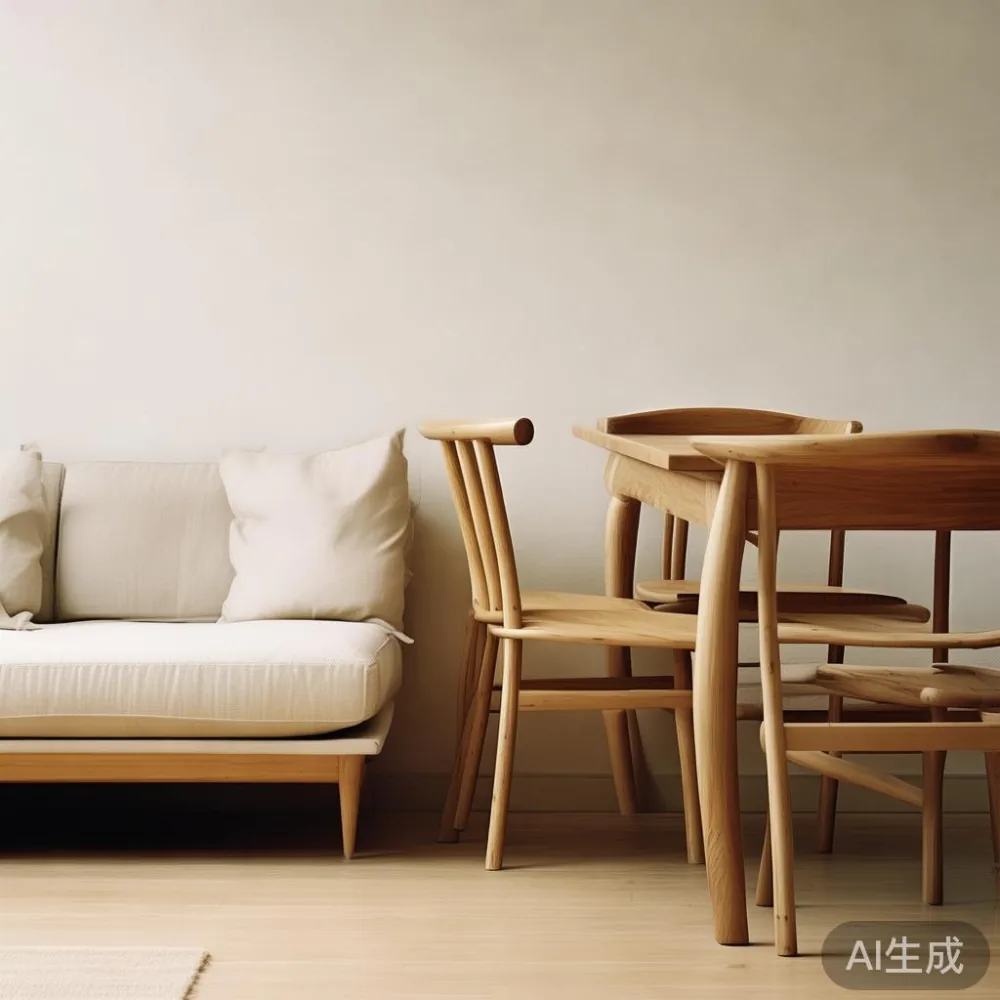
For homeowners in Tampines, Bedok, Punggol, and across Singapore’s HDB flats and condos, those factors become especially practical. A 210 cm dining table may be easy to buy but difficult to manoeuvre into a 90 cm lift. A deep wardrobe may suit a master bedroom yet block a corridor. A solid wood sofa can look light in a showroom while weighing 85 kg in a lift lobby.
This guide explains what actually drives the price of solid wood furniture, where hidden costs appear, and how to compare quotations fairly. It also considers bamboo furniture, which has become popular in compact Asian homes because of its clean lines, useful dimensions, and renewable bamboo construction.
What determines the price of a solid wood dining table?
A dining table price usually begins with the timber species and its grade. Oak, ash, teak, walnut, and rubberwood differ in material cost, grain consistency, workability, and market demand. Solid timber panels also carry more yield loss than engineered components: if a board develops a knot, crack, or colour inconsistency, larger sections may be unusable. That waste affects labour and price.
Dimensions matter just as much. A 160 cm table for six people may cost SGD 1,450, while a 220 cm model with thicker legs may cost SGD 2,350. Thickness is not automatically superior, but a 40 mm top feels more substantial than a 25 mm top. Buyers should inspect how the top and base join together, especially under the long spans common in dining tables.

Construction details include whether the table uses mortise-and-tenon joints, dowels, screws, or concealed metal fittings. Joinery and adequate bracing help resist movement over years. Hardwood or solid wood legs, a solid timber apron, and a well-finished underside indicate attention beyond the visible edges. Lower-priced examples may still use solid wood, but with simpler joinery, thinner components, or more uniform production methods.
For Singapore homes, access deserves a place in the calculation. Measure the HDB or condo door opening, lift door, lift cabin, staircase turns, and final dining space. A 220 cm top cannot safely turn through a tight corridor without planning. Tables also arrive in packages rather than always as one unit. Ask the supplier for the packed dimensions and total carton weight before ordering.
How do timber grade, moisture, and finish affect the price?
“Solid wood” describes the principal material, not a single quality level. Grade determines how the board looks: select-grade timber may have tighter colour and grain matching, while standard or character grades retain more knots, sapwood, and natural variation. A table with controlled grain may cost 10%–25% more than a visually comparable table sourced from a broader grade.
Moisture control is particularly important in Singapore’s humid environment. Quality furniture is dried and acclimatised before assembly. A stable core, balanced panel construction, and properly joined components reduce splitting or warping. The supplier should be able to explain the timber preparation process rather than merely label a product “solid wood.”
Finish is another visible price driver. Lacquer, oil, wax, stain, and water-based coatings have different material and labour costs. A natural oil finish may cost SGD 180–SGD 350 more than a standard factory finish because it may require additional preparation and maintenance. Dark stains can also add process steps. Buyers should ask about sheen, repairability, cleaning requirements, and expected colour change.
Marble is often added to create a light-luxury dining or side table. A marble table may carry a marble top, while the base remains solid wood. This combination can place a side table around SGD 1,250–SGD 2,800, depending on slab thickness, pattern, edge treatment, and structural design. Natural stone varies, so photographs should be treated as representative rather than exact.
How much should a solid wood bed frame cost?
A solid wood bed frame is priced around timber, headboard design, support system, and engineering. A queen-size model may cost SGD 950, while a hand-finished king frame with a slatted base may cost SGD 2,200. Upholstered headboards can add SGD 350–SGD 900 because of the frame build, fabric, foam, and detailed sewing.
The support system should be compared carefully. A sturdy slatted base may include 12–16 slats, whereas a centre-support system can use 4–6 legs. Slats spaced at roughly 5–7 cm provide useful support, but the mattress also matters. A foam-heavy mattress may need closer slat spacing for even support.
Style changes labour and material allocation. An American bed tends to use a substantial headboard and a visual centre of gravity; a Nordic bed often displays more empty space, pale timber, and restrained joinery. The American bed vs Nordic bed comparison therefore involves proportions and construction, not simply solid wood against veneer. A compact Singapore condo may suit a lower-profile frame, while an HDB master bedroom may have enough wall length for a broad American headboard.
For design-led shoppers, the Japanese sofa vs Nordic sofa comparison offers another useful lens. Japanese layouts often prioritise compact proportions and visual calm, while Nordic pieces commonly feature exposed timber frames. Neither label guarantees quality. Check the frame joints, floor protection, assembly method, and whether every visible timber component is solid wood.
Product terminology can also create false price differences. Searches for for sale Nordic furniture or for sale Modern furniture may return broad catalogues, so compare like with like: species, dimensions, finish, joints, and warranty. A description such as “oak look” may indicate veneer rather than solid timber.
What makes a quality solid wood sofa or wardrobe?
A solid wood sofa combines a load-bearing timber frame with suspension, cushions, covers, and decorative details. The external frame may use solid wood, but the seat’s comfort comes from foam density, pocket springs, webbing, or a combination. A three-seat sofa may cost SGD 2,600–SGD 5,800, with premium fabric, deeper seats, shaped arms, and more exacting frame work at the upper end.
French light luxury often appears through upholstered forms, refined proportions, and tactile materials rather than heavy ornament. American light luxury can mean generous scale, deep comfort, and statement details. Post-modern light luxury plays with clean geometry and subtle contrast. These styles can guide selection, but a curved arm does not compensate for weak joints. Ask whether the seat frame uses solid wood components, how the webbing is secured, and whether the cushion covers can be removed.
A wardrobe combines carcass engineering with doors, interiors, and hardware. A 180 cm-wide unit may cost SGD 2,200, while a fitted model with drawers, LED-ready cut-outs, soft-close hinges, and tailored internal fittings may cost SGD 5,500. Light-luxury finish techniques, matching grain, and aluminium or brass-toned fittings can raise the price. A Modern light luxury wardrobe should still be judged on hanging depth, shelf load, hinge adjustment, and wall fixing.
Singapore residents should measure the bedroom and wardrobe opening carefully. Allow roughly 5–10 cm for installation and uneven walls where practical. Door panels need clearance for drawers and hinges. For a nightstand, check drawer travel, handle projection, cable space, and whether the cabinet can be carried through the lift. A compact model may measure 40 × 35 × 50 cm and weigh 15–22 kg.
Why do delivery, lifts, GST, and after-sales care change the final cost?
Delivery is not merely a courier fee. For a dining table, bed frame, or wardrobe, packing, carrying, stair handling, assembly, and damage protection all take time and labour. A non-lift HDB unit on the 12th floor may cost more than a lift-served unit on the 8th floor because the crew must carry components up stairs.
Measure lift doors before ordering. Common passenger-lift doors may be about 80–90 cm wide, with cabins around 140 cm deep and 110–135 cm wide, although building-specific dimensions vary. A 210 cm tabletop must be tilted or separated from its base. Check the longest diagonal and whether the supplier can split the top into two sections. The same caution applies to long wardrobes and headboards.
Singapore prices normally include 9% GST. MIDHILL lists free shipping for orders over US$350, but the amount shown in a Singapore checkout should be converted and checked for GST, courier surcharges, and remote-area fees. Ask for the landed total rather than comparing the catalogue figure alone.
Warranty and service also have value. MIDHILL has operated since 2008, exports to more than 15 countries, and provides a 10-year structural warranty with lifetime refinishing. Those terms should be compared with local repair access, response times, replacement-part policies, and finish care. A 2%–5% price difference may be reasonable if the supplier can service a damaged component years later rather than replacing an entire wardrobe or bed.
How much should bamboo furniture cost, and how does it compare?
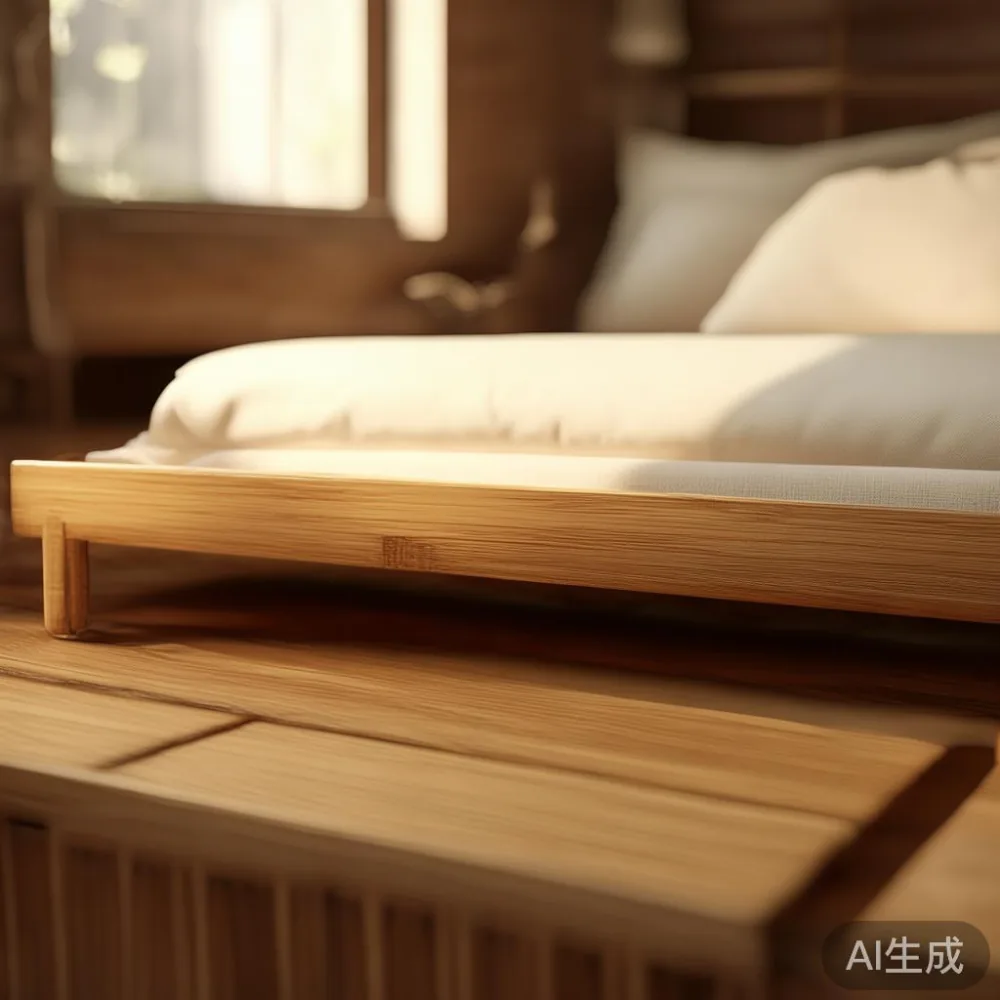
Bamboo furniture is often positioned as an alternative to conventional solid timber, but its price still depends on construction. Laminated bamboo boards may cost less than premium oak or walnut, while carefully engineered bamboo can provide excellent stability when properly dried and finished. A dining table may range from SGD 750 to SGD 2,100; a bed frame from SGD 600 to SGD 1,700; and a nightstand from SGD 180 to SGD 550.
The word “bamboo” alone does not reveal the grade. Buyers should examine board layers, edge sealing, underside finish, joinery, and moisture preparation. Splitting around screw holes or a peeling edge can indicate weak fixing or incomplete sealing. Quality bamboo furniture should also explain whether the visible surfaces are solid laminated bamboo rather than bamboo veneer over another board.
Bamboo can work well in a Punggol or Tampines flat where visual lightness matters. Its straight grain suits Scandinavian and Japanese-inspired rooms, and a 140–160 cm table can seat four people without occupying the footprint of a 200 cm model. However, bamboo does not remove the need for dimensional planning. A 180 cm wardrobe still needs lift access, and a wide bed frame still needs turning space in the corridor.
One useful comparison is the American bed vs Japandi bed question. American beds commonly look more substantial, while Japandi beds use low profiles, pale timber, and restrained lines. Bamboo may suit the latter visual language, although oak, ash, or other solid wood may be preferable where a warmer grain is desired.
How can you compare two furniture quotations without being misled?
Start with the specification, not the style label. Ask each supplier for the timber species or bamboo construction, external dimensions, material breakdown, joinery, finish, hardware, packed dimensions, gross weight, delivery lead time, GST, warranty, and return terms. Compare the same product type rather than matching a solid wood sofa with a fabric-only sofa or a marble table with a standard timber table.
Last month I visited a supplier in Foshan and inspected several dining tables made for export. The most convincing piece was not the most decorative. It had a stable top, reinforced underside, even joint spacing, and protected edges. Its catalogue price was around 8% below a visually similar table, but the construction specification gave it better long-term value. That experience reinforced why close inspection matters more than a low headline number.
Delivery timing should also be specific. A quotation might promise 35–50 days after drawing approval, but another may take 25–35 days. Confirm whether the clock includes production, quality checks, transit, customs, and local delivery. MIDHILL’s 14-day returns policy is useful, yet the practical return process, packaging requirements, and freight charges should be reviewed before purchase.
For a Singapore buyer, a sensible total-cost comparison includes the item price, 9% GST, lift or stair charges, assembly, long-item surcharge, and expected care. For example, a SGD 1,800 dining table plus 9% GST is SGD 1,962 before delivery extras. A heavier frame may cost less than a lighter model if the quoted access service includes stair carry and full assembly.
Finally, compare the service promise with actual ownership needs. Solid wood furniture benefits from a company that understands timber movement, finish renewal, and replacement hardware. That is where light-luxury pricing becomes rational: not as decoration alone, but as controlled materials, accurate construction, dependable delivery, and long-term support.