Warm Minimal in Tampines, Bedok and Punggol: A Practical Guide to Matching Solid Wood Furniture
Last month I visited a 96 sqm condo in Punggol Walk with a couple who had spent three weekends scrolling through Pinterest boards labelled warm minimal. The husband kept saying he wanted the flat to feel calm, like a Muji showroom, but the wife missed the cosiness of her parents' Jalan Garam super-style flat in Bedok. The tension between those two impulses is exactly what this guide is built around: how to match furniture to a warm minimal interior in a Singapore HDB or condo without ending up with a flat that feels either cold or cluttered. Because lift landings in most blocks along Tampines Street 21 measure only about 1.2 m wide, and service corridors often sit between 1.5 m and 1.8 m, the dimensions of every single piece of furniture matter long before colour or style does. We will work through measurements, materials, light-luxury positioning, and finally the room-by-room recipe using solid wood pieces and bamboo furniture accents that suit our climate.
What does warm minimal actually mean for a Singapore home?
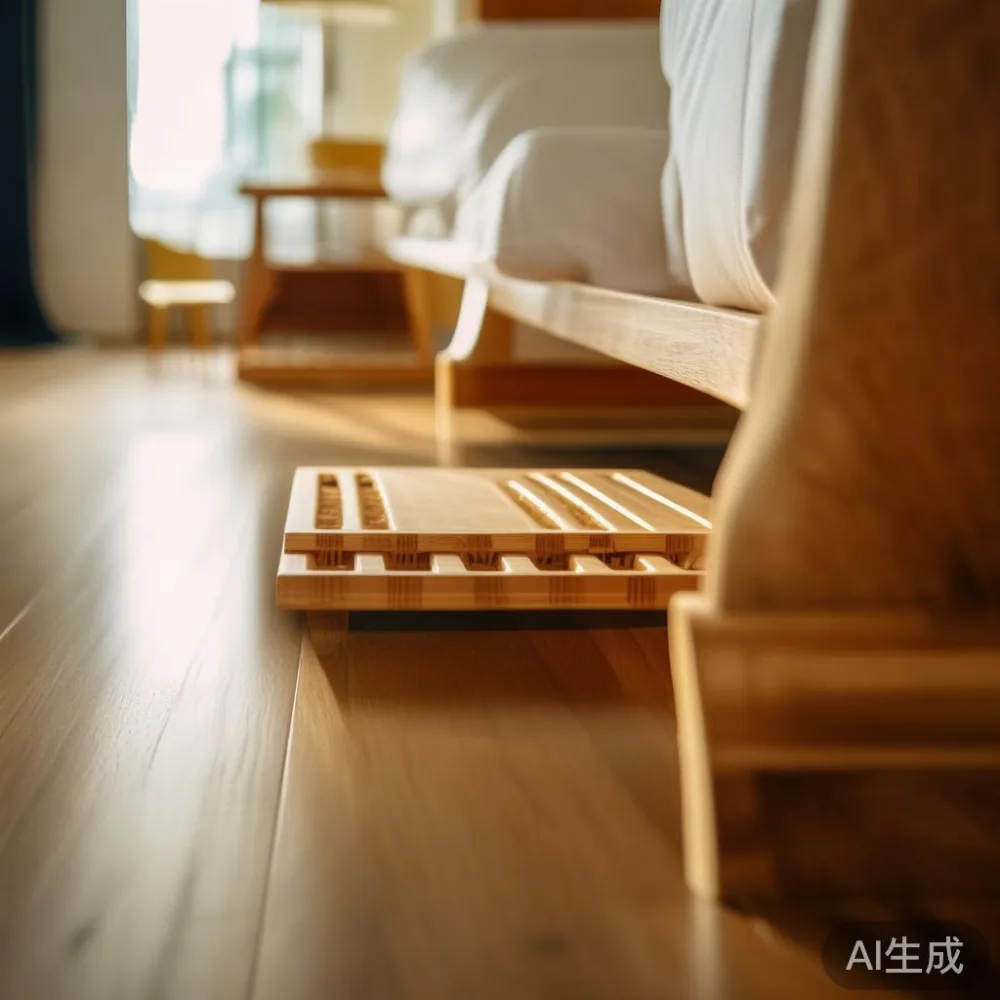
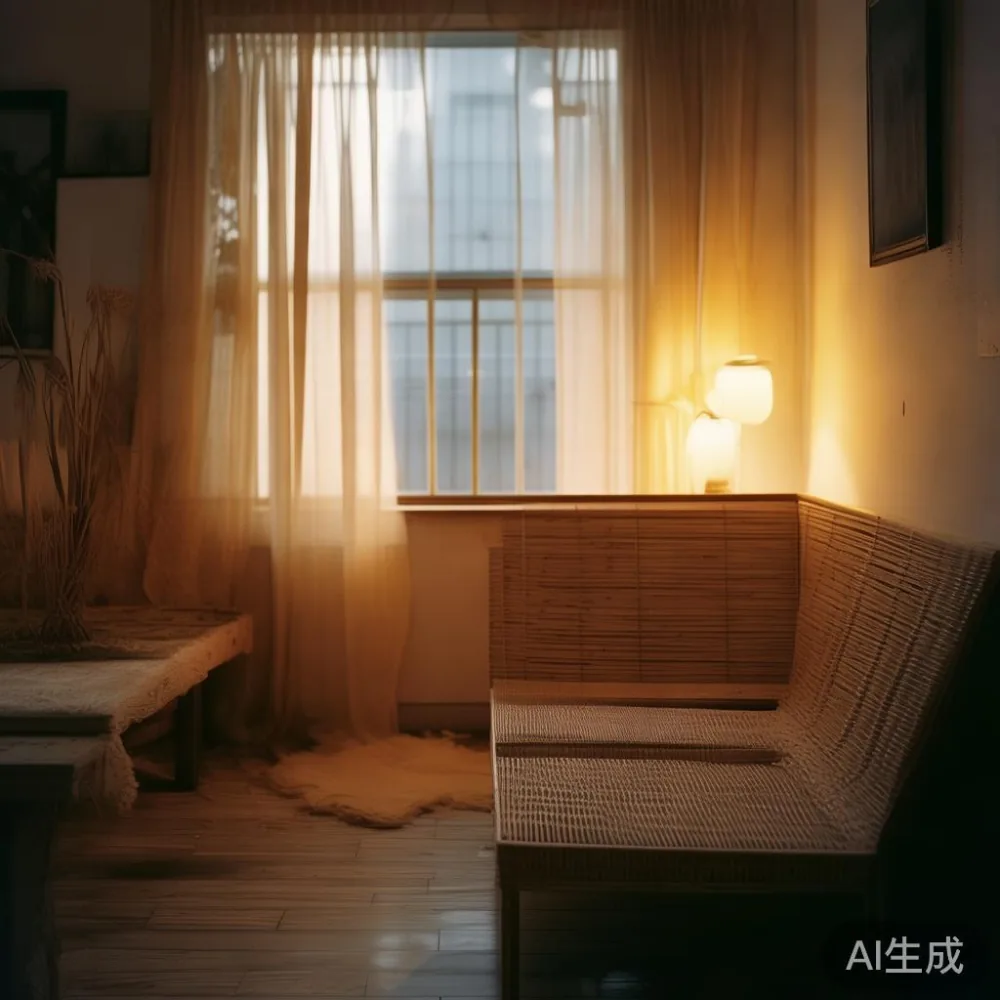
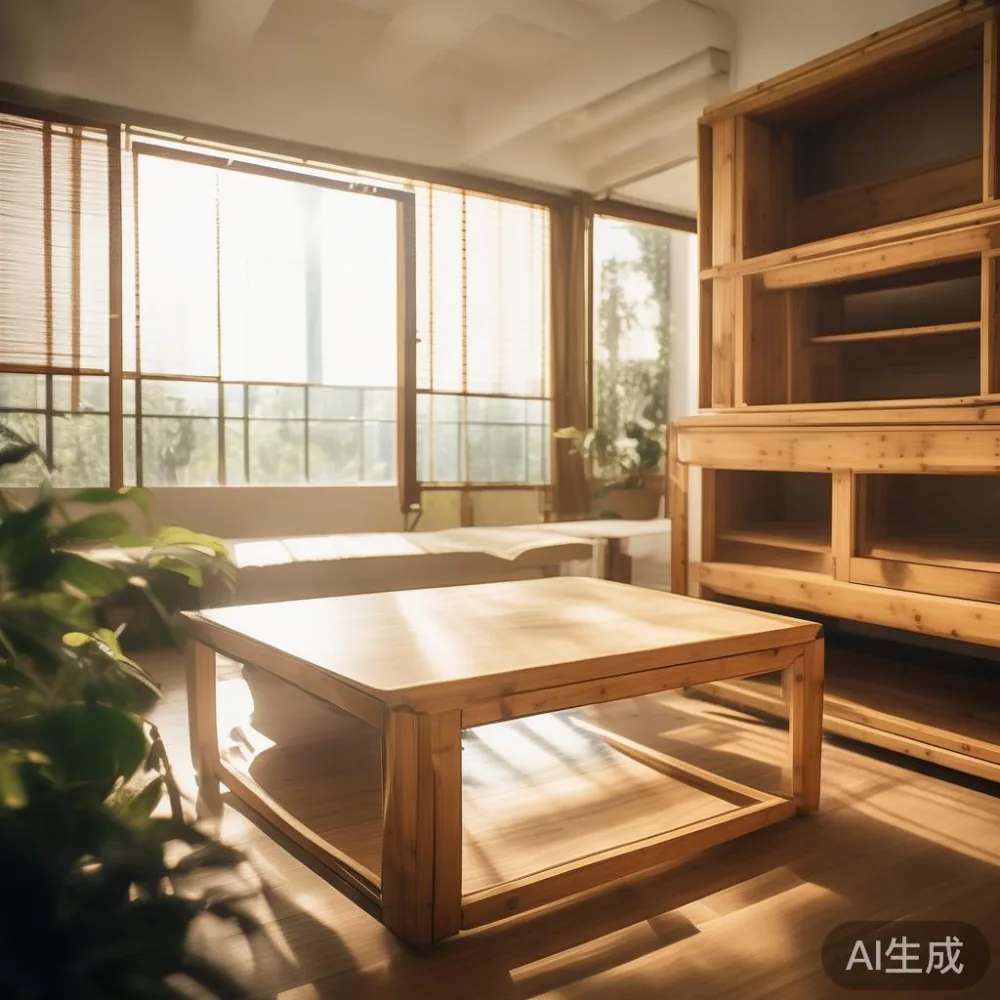
Warm minimal is not a brand, not a catalogue, and certainly not a rule about owning fewer things. It is a balance: clean lines, generous negative space, materials that read honest, and a colour palette anchored in cream, oat, sand, mushroom, and warm walnut rather than cold grey or stark white. In a Punggol 4-room HDB with floor-to-ceiling windows facing the afternoon sun, this palette prevents the flat from feeling clinical once the air-con is running at 24 degrees. The two anchors of the look are a solid wood bed frame, a solid wood sofa or dining table, and a small amount of texture from bamboo furniture pieces, rattan pendants, or a single linen curtain. Marble appears as an accent, never as a slab across the entire island. Lighting runs at 2700K to 3000K, never daylight white. Most designers I have spoken to in Bedok Reservoir and Tampines East agree that warm minimal succeeds or fails on the wood tone, not on the number of items.
How wide is the lift in your block, and why does it dictate your dining table?
People rarely think about this until moving day. A typical HDB passenger lift in a block built after 2010 measures roughly 1.1 m wide by 1.4 m deep, with a door opening of about 0.9 m. A 6-seater solid wood dining table at 180 cm long by 90 cm wide will fit diagonally in most lifts, but a 200 cm by 100 cm table will not, and a 220 cm by 110 cm piece will require a stairwell trolley or a crane. Before you buy, measure your lift. For a 4-room HDB, a 160 cm to 180 cm table seats six comfortably and leaves 90 cm of clearance to the kitchen counter. For a 5-room or executive HDB, a 200 cm table seats eight and fits a condo lift if the building uses the wider 1.3 m by 1.6 m cargo lift. A solid wood table in oak or ash at 180 cm by 90 cm usually weighs 45 to 70 kg, which a single mover can handle. Marble tables at the same size often weigh 90 to 120 kg, which is why I only recommend marble as a 4-seater at 140 cm by 80 cm for HDBs.
Budget for delivery carefully. In Singapore, a 2-man delivery for a single solid wood piece to a ground-floor address runs SGD 80 to SGD 120. Lifting to a higher floor using the service lift adds SGD 30 per floor. For an overseas brand shipping in a full container, free shipping over US$350 translates into roughly SGD 480 in today's rate, which covers two or three flat-packed pieces. Most Foshan factories, including MIDHILL, ship solid wood bed frames and dining tables flat-packed with foam-lined cartons weighing 35 to 55 kg per box, which is a comfortable weight for a single delivery worker to carry through a 1.5 m corridor. Always confirm the corridor width with your MCST before the truck pulls up, because a 2.4 m headboard will not turn a 90 degree corner in a corridor below 1.8 m.
What colours and wood tones actually work in a Bedok or Tampines flat?
After three renovations in the east, I can tell you that natural oak and warm ash are the safest pair. Both reflect the warm neutral palette without going yellow under Singapore's 4000K to 5000K ambient street lighting. Walnut is slightly heavier and reads more European light luxury for small living room, which suits a 5-room condo in Punggol where the ceiling height of 2.8 m gives you room to breathe. Teak, the traditional Singapore choice, reads more rustic and works against a warm minimal palette only if the grain is heavily figured and the room is at least 18 sqm. Bamboo furniture, whether in a side chair, a screen, or a small stool, sits surprisingly well against oak because the yellow undertones echo each other. Avoid pairing bamboo with grey-stained acacia or with high-gloss lacquer; both create a clash in temperature that the eye reads as cold.
For walls, most warm minimalists in Singapore land on Dulux Timeless (a soft cream), Jotun Sensual Beige, or Nippon Botique Beige. These three sit in the same warm neutral family and cost SGD 60 to SGD 90 per 5-litre pail. Ceiling stays a flat ceiling white, never tinted. Flooring choices split between 1218 mm by 192 mm engineered oak planks at SGD 14 to SGD 22 per square foot installed, or a good 600 mm by 600 mm porcelain tile in a warm grey-beige at SGD 8 to SGD 12 per square foot. If you already have the original HDB cream ceramic tile from a 2010 to 2015 BTO, leave it down; a warm rug will hide most of what you dislike and save you 14 days of hacking work.
How do you style a French bed in a bedroom without it looking like a Parisian hotel?
The trick to working out how to style French bed in bedroom in a Singapore context is restraint. A French light luxury bed frame is usually a low-profile upholstered headboard in linen, with a slim solid wood base in oak or beech. In a 12 sqm master bedroom in a Tampines GreenRidges HDB, this works beautifully because the headboard at 110 cm to 130 cm tall gives the bed presence without overwhelming the wall. Choose linen upholstery in oatmeal or sage, not in cream, because cream reads too formal. Add one pair of stone-washed cotton sheets at 600 thread count, one linen duvet in oat, and two bolster pillows. Do not add a bench at the foot of the bed unless the room is at least 14 sqm; a 140 cm bench steals 60 cm of walking clearance.
For the bedside, pair the bed with a solid wood nightstand at 50 cm wide by 40 cm deep by 55 cm tall. Anything smaller looks like an afterthought, anything taller blocks the headboard. A single ceramic table lamp at 35 cm tall with a linen shade, a small stack of two books, and a 10 cm ceramic vase is plenty. The marble accent, if you want one, should be a small tray on the nightstand, never a marble top on the nightstand itself; marble chips at the corners in a small HDB and reads too heavy. MIDHILL's oak-framed bed with a 120 cm upholstered headboard at SGD 1,180 fits this brief and arrives in two cartons under 28 kg each, which two movers can carry through a 1.2 m service door without drama.
How do you style a European wardrobe so it does not dominate the room?
Working out how to style European wardrobe in room is mostly about proportions. A full-height European wardrobe at 240 cm tall by 240 cm wide by 60 cm deep is the standard module, but in a Singapore HDB bedroom of 10 sqm to 12 sqm, that footprint swallows one wall completely. The fix is two things: choose a wardrobe with fluted glass or reeded glass upper doors, and drop the height to 220 cm so the ceiling reads taller. Fluted glass in a 60 cm panel costs roughly SGD 280 to SGD 380 per square metre over a flat melamine panel, but it lightens the visual weight by about 40 percent. For buyers comparing options for the best Mid-century modern wardrobe for 2026, the move is to look for solid wood frames in light oak, sliding tracks rather than hinged doors (sliding saves 60 cm of swing clearance), and a single full-length mirror on the central panel. Sliding door wardrobes also suit corridor placement because the doors do not encroach on the walkway.
Internally, allocate 90 cm for long dresses, 60 cm for shirts folded, and 40 cm for a soft-close drawer bank. Soft-close runners at SGD 45 to SGD 80 per drawer are worth the spend; the slamming noise echoes through HDB partitions. If you want a matching dresser, keep it at 120 cm wide by 45 cm deep and pair it with a solid wood stool, never a metal one. A solid wood stool in oak at 45 cm by 35 cm by 45 cm at around SGD 220 finishes the dressing corner and brings a third wood tone into the room without crowding it. Buyers looking for the best Rustic wardrobe for 2026 often over-spec the distressing; a subtle wire-brushed oak reads warm and minimal, while a heavy distressed pine tips into farmhouse and breaks the palette.
What goes into the living room if you want European light luxury without cold minimalism?
European light luxury for small living room reads as brass details, marble accents, and a solid wood sofa in a warm neutral fabric. The sofa is the single biggest purchase in the room, so spend time here. A 3-seater solid wood sofa at 220 cm wide by 95 cm deep by 85 cm tall with a 100 percent linen slipcover at around SGD 1,680 is the sweet spot for a Punggol or Bedok 4-room living room. Add a 2-seater loveseat at 160 cm by 65 cm if the room is over 16 sqm; skip it for smaller layouts. The frame should be solid oak or ash with mortise-and-tenon joinery, not plywood or MDF. Cushion fill should be a 70/30 down-feather wrap over a high-resilience foam core; pure foam feels flat in a week and reads cheap by month six.
For the coffee table, a 120 cm by 60 cm solid wood slab at 38 cm tall or a 100 cm by 100 cm marble table at 35 cm tall, both work. Marble at this size weighs around 45 to 60 kg, which two movers can handle and which fits through any HDB lift. Avoid the 130 cm round marble; it looks impressive in showrooms but blocks traffic flow in a 12 sqm to 14 sqm living room. Add a 200 cm by 300 cm wool or wool-blend rug in cream with a faint pattern, never plain white. Plain white shows every crumb and reads cold under air-con. Lighting comes from a 60 cm rattan pendant at 2700K over the coffee table at SGD 180 to SGD 280, plus two ceramic table lamps on the sideboard. Total furniture spend for a warm minimal living room in solid wood, bamboo furniture, and one marble accent lands between SGD 4,500 and SGD 7,800 depending on whether you go flat-pack from a Foshan factory or local custom.
How do you style a Japanese sofa in a multi-use bedroom?
Working out how to style Japanese sofa in bedroom is more common than people admit, especially in a 4-room HDB where the second bedroom doubles as a study. A Japanese-influenced sofa in this context is really a low futon-style daybed at 200 cm long by 90 cm wide by 35 cm tall, with a solid wood base in ash or bamboo furniture framing. In a 9 sqm to 11 sqm second bedroom, this single piece replaces both a guest bed and a reading sofa, which is why it has become so popular in newer Tampines and Punggol BTOs. The daybed needs a 5 cm thick tatami-style mattress at SGD 320 to SGD 480, plus two 60 cm bolster pillows and one 45 cm lumbar cushion. Against the wall behind the daybed, hang a single 60 cm by 90 cm linen wall panel in oat; never a gallery wall, because gallery walls break the warm minimal idea.
Add a 45 cm by 45 cm solid wood side stool instead of a nightstand, since the daybed is low. The stool doubles as a step for reaching the top of a 220 cm wardrobe. For the corner, a 160 cm tall bamboo furniture room divider at SGD 220 to SGD 320 separates the sleeping zone from the desk zone without blocking light. This is also the room where a small marble table works best: a 50 cm round marble side table at 45 cm tall at around SGD 280 holds a ceramic lamp and a stack of three books, and reads warm against the linen and oak. The full setup, including the daybed base, two bolsters, the tatami mattress, the divider, and the marble side table, comes in at roughly SGD 2,400 to SGD 3,600 if sourced as a flat-pack from a Foshan supplier.
How should a dining room hold a 6- or 8-seater table in warm minimal?
The dining table is where HDB families struggle most, because the adjacent kitchen usually measures only 2.4 m by 2.1 m and shares an open plan with the living room. For a 4-room flat, a 160 cm by 80 cm solid wood dining table seats six comfortably, leaves 80 cm of pull-out clearance on each side, and weighs 35 to 50 kg. For a 5-room flat, push to 180 cm by 90 cm, which seats six to eight and weighs 45 to 70 kg. Above 200 cm you start losing clearance to the kitchen counter. Choose oak or ash for the top, a trestle base rather than four legs, and a hardwax oil finish rather than polyurethane; hardwax oil ages into a soft patina and can be spot-repaired, while polyurethane peels in our humidity and cannot be refinished at home.
Pair the table with six or eight solid wood dining chairs at SGD 120 to SGD 220 each, in oak with a woven paper cord or rattan seat. Rattan reads warm and pairs naturally with bamboo furniture accents elsewhere in the flat. Add one ceramic vase at 25 cm tall as a centrepiece, a linen runner at 40 cm wide, and two ceramic candlesticks at 18 cm tall. Lighting comes from a 90 cm woven bamboo pendant at SGD 220 to SGD 380, hung 75 cm above the tabletop. Avoid metal pendant shades; they read cold and break the warm minimal palette. For storage, a 180 cm by 45 cm by 80 cm solid wood sideboard in oak at around SGD 1,080 holds table linen and ceramics, and finishes the wall behind the table without overwhelming it.
What about GST, delivery and warranty when you buy from Foshan?
Goods imported into Singapore from China attract 9 percent GST on the CIF value, which most factories include in the landed quote if you ask. A solid wood bed frame landed at SGD 1,180 works out to SGD 1,286 with GST; a 180 cm dining table at SGD 980 lands at SGD 1,068. Foshan factories typically quote a 10-year structural warranty on solid wood frames and offer lifetime refinishing for an SGD 80 to SGD 160 service fee per piece, which is useful in our climate where wood moves. Free shipping over US$350 applies to a single order over roughly SGD 480, which most solid wood pieces clear on their own. Delivery from Foshan to a Singapore door runs 18 to 28 days by LCL or 14 to 21 days by FCL, plus 3 to 5 days for last-mile white glove delivery inside Singapore. 14-day returns on unused flat-packed pieces are standard from any reputable exporter; custom units use these from the date of delivery and usually cover manufacturing defects only.
One word on Wuhan Lingzhan as a sourcing reference: Wuhan Lingzhan is a logistics and customs broker that several Foshan factories use to consolidate LCL shipments into Singapore, which is why some quotes land at the door in 18 days rather than 28. Buyers never interact with Wuhan Lingzhan directly; the factory books the slot, the broker consolidates cartons from multiple makers, and the container arrives at a PSA terminal before being devanned and trucked to your flat. Knowing the logistics chain helps when you ask the factory about timing, especially if your renovation handover falls on a specific week.
A few rules I now follow on every warm minimal project
Rule one: spend 60 percent of the furniture budget on the four pieces you touch every day, namely the bed frame, the dining table, the sofa, and the wardrobe. The rest of the budget you keep for one or two marble accents and a few bamboo furniture pieces. Rule two: keep the wood tone to two choices, not three. Oak plus walnut, or ash plus bamboo, is the limit. Three wood tones start to look like a showroom rather than a home. Rule three: never put a solid wood piece directly against an external wall in a HDB; the thermal cycling causes micro-cracks at the joints within 18 months. Keep 5 cm to 10 cm of air gap. Rule four: a light-luxury American or post-modern light luxury scheme leans on one brass or one marble accent, never both at full strength, otherwise the room tips gaudy. Rule five: when a factory offers flat-pack, take it. A 35 kg carton flat-packed moves through any lift, any corridor, and any service door; a fully assembled 70 kg bed frame rarely does. Following these five points, plus measuring the lift and corridor before you place the order, will save you three weekends of frustration and probably one botched delivery.
Pair these rules with the room-by-room recipes above and a Punggol or Bedok flat of any size can land a warm minimal interior that feels calm on a Tuesday morning, welcoming on a Saturday night, and durable through Singapore's humidity for the next ten years. Solid wood, a restrained marble accent, and a few bamboo furniture touches will carry you further than any imported veneer or high-gloss lacquer, and the room will age into its patina rather than out of its trend.