What Actually Drives the Price of Solid Wood Furniture
When furnishing a Singaporean home, whether it's a compact 4-room HDB flat in Tampines or a spacious condo in Punggol, the choice of furniture is a significant investment. The price tags on solid wood pieces can vary dramatically, from a few hundred Singapore dollars to several thousand. A consumer might see a dining table for SGD 800 and another for SGD 3,500 and wonder what justifies the difference. It’s easy to assume it's just the brand name or a simple mark-up, but the reality is far more nuanced. The price of solid wood furniture is a composite of numerous factors, each contributing to the final number on the price tag. Understanding these components empowers you, the buyer, to make a more informed decision based on your needs, space, and budget.
Why Does a Solid Wood Sofa Cost More Than an Upholstered One?
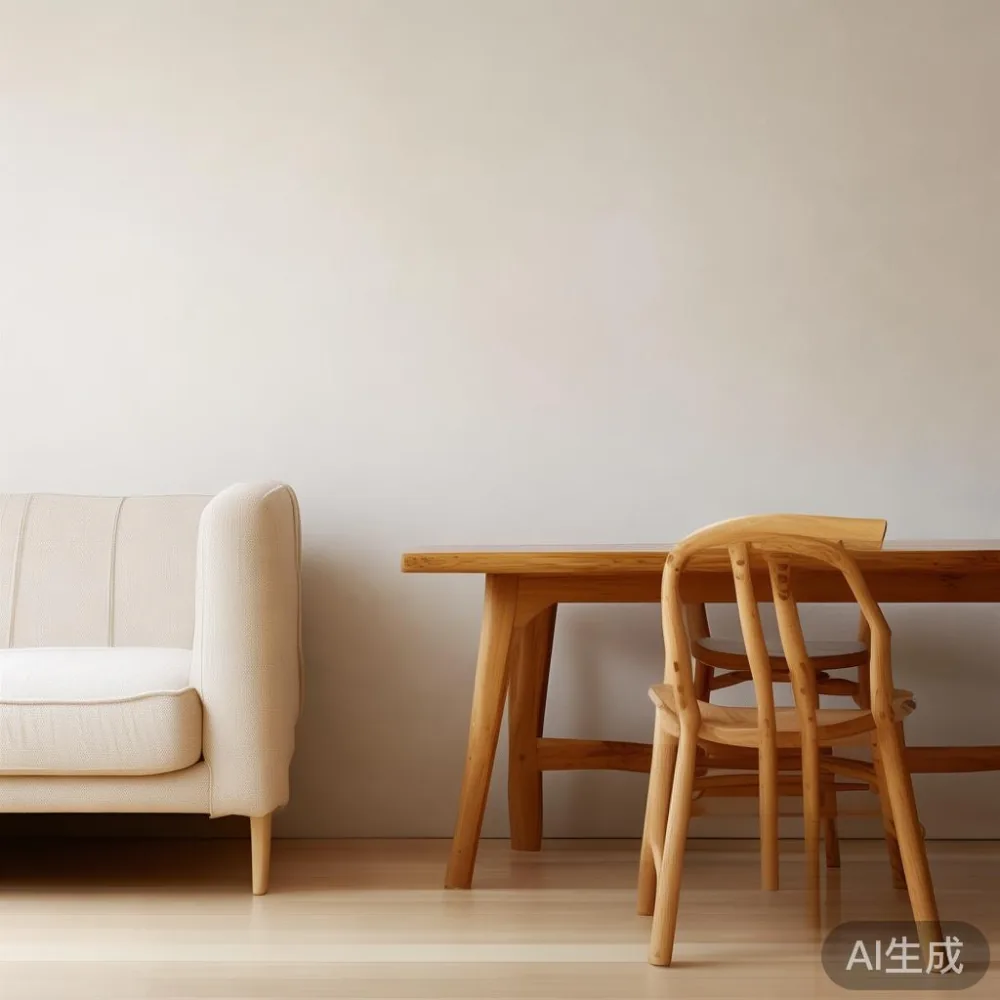
The most fundamental driver of price is the raw material itself. Solid wood furniture, as the name implies, is constructed from a single, solid piece of lumber, not engineered wood like MDF or particleboard. The type of wood used is the first major variable. Common choices for high-end furniture include teak, oak, walnut, and maple. Teak, for instance, is prized for its natural oils that make it highly resistant to moisture and pests, a valuable trait in Singapore's humid climate. A solid teak sofa frame will cost significantly more than a sofa made from a less durable wood like pine. The sourcing of the wood also plays a role. Reclaimed wood, sourced from old structures, carries a premium due to its unique character, history, and the labour-intensive process of preparing it for new use. Also, the grade of the wood—clear of knots, blemishes, and colour variations—is a key determinant of price. A piece made from 'select' or 'first-quality' wood, with a uniform grain and colour, will be more expensive than one made from 'common' grade wood that contains more natural imperfections.
Beyond the type, the volume of wood is a critical factor. A substantial solid wood sofa, capable of seating three adults comfortably, requires a large amount of timber. Consider the dimensions: a sofa that is 220 cm long, 90 cm deep, and 80 cm tall contains a significant volume of wood. The weight alone can be over 50 kg, reflecting the material used. This contrasts sharply with a sofa that has a thin veneer over a lightweight engineered wood frame, which might weigh only 25 kg. The sheer material cost and the amount of lumber needed to create a sturdy, long-lasting piece like a solid wood sofa is a primary reason for its higher price point. This principle applies across all furniture types, from a dining table to a wardrobe.
The Art and Labour of Furniture Making
If the wood is the body of the furniture, the craftsmanship is its soul. The price you pay is heavily influenced by the skill, time, and labour involved in transforming raw lumber into a finished piece. Handcrafted furniture, where each joint is cut, shaped, and assembled by a skilled artisan, commands a premium. This is especially true for complex joints like mortise and tenon, dovetail, or finger joints, which are stronger and more aesthetically pleasing than simple butt joints secured with nails or staples. These techniques require precision and experience, adding hours to the production time of a single item.
Take, for example, a solid wood dining table. A high-quality table will feature tabletop boards that are edge-joined and glued together, with a technique called 'breadboarding' on the ends to prevent the wood from expanding and contracting with changes in humidity. The legs are often attached using a sophisticated apron-and-leg construction. This level of detail and joinery is a labour-intensive process that cannot be rushed. In contrast, a mass-produced table might use pre-cut components and simpler fasteners, drastically reducing the assembly time and, consequently, the cost. The finishing process is another labour-intensive step. A proper finish involves multiple stages of sanding, staining, and applying a protective lacquer or oil. Each coat must be applied and allowed to dry before the next, a process that can take several days for a single piece. This meticulous work ensures the wood is protected and its natural beauty is enhanced.
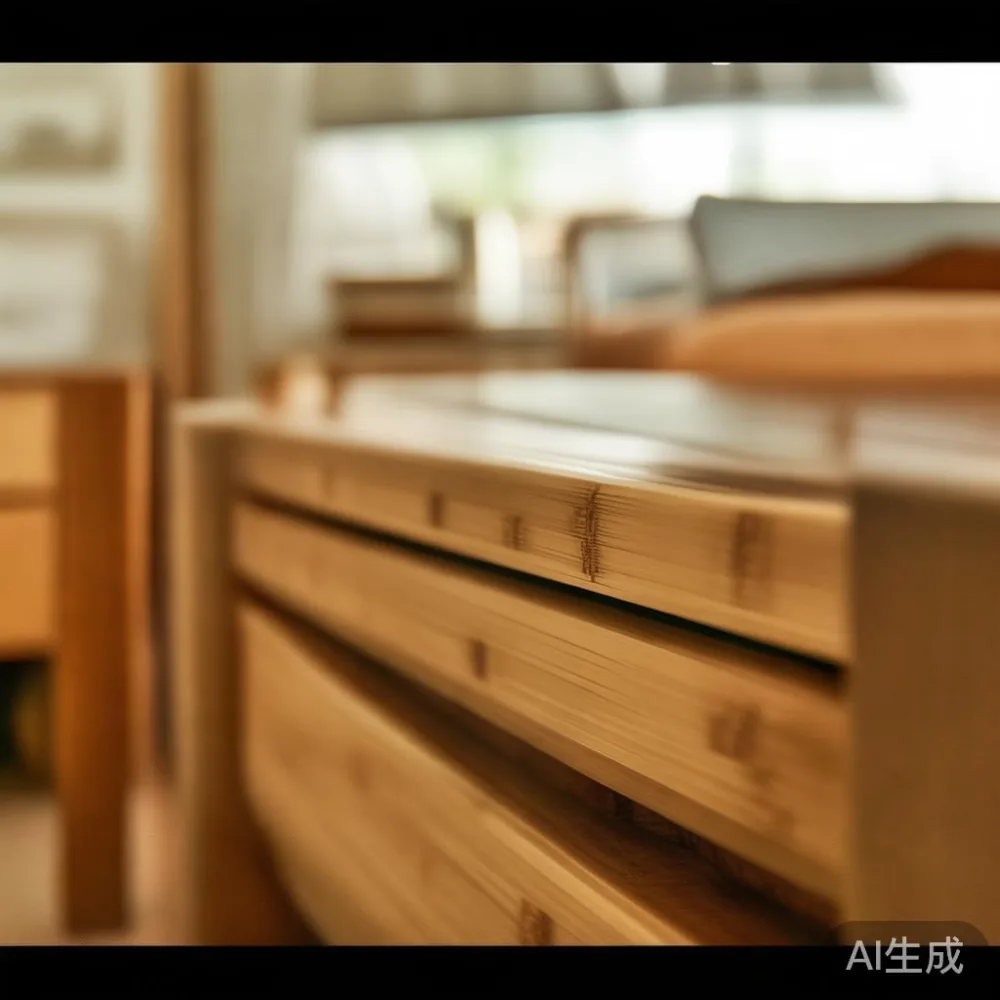
My colleague, Sarah, who visited a Foshan factory last month, was struck by this. She saw a team of carpenters hand-carving the legs for a collection of French light luxury bed frames. Each leg was shaped by hand, with subtle curves and details that a machine could not replicate. She noted that the entire process for one bed frame took a team of three skilled workers nearly two full days to complete, from initial milling to the final polish. This level of dedicated, skilled labour is a significant cost component that is reflected in the final price of the furniture.
Design, Style, and the Light Luxury Factor
The design and style of a piece of furniture are not just about aesthetics; they are a reflection of the intellectual property and creative effort that went into it. Original designs, whether from an in-house design team or a collaborating architect, carry a cost. The design process involves research, sketching, prototyping, and refining, all of which require investment. A post-modern light luxury wardrobe, for example, might feature unique geometric hardware, asymmetrical doors, or a specific combination of wood and materials like marble inlays. These design elements are not accidental; they are the result of deliberate creative choices that differentiate the product from simpler, more generic designs.
The 'light luxury' positioning itself adds a layer of value. This style, whether it's French, American, or post-modern, emphasizes clean lines, high-quality materials, and a sense of understated elegance. It’s about creating a sophisticated atmosphere without being overly ornate. The term 'is light luxury wardrobe worth it' is a question many Singaporean homeowners ask. The answer lies in the value proposition: it offers a premium aesthetic and quality at a more accessible price point than traditional luxury brands. The price includes the design curation, the selection of premium materials that fit the light luxury ethos, and the overall brand experience. When you see a price tag, you are paying for the design's exclusivity and the brand's ability to curate a specific look and feel for your home.
Similarly, the question of 'is American wardrobe worth it' often comes down to the specific design language. American-style wardrobes might feature larger, more substantial forms, classic Shaker-inspired simplicity, or rustic elements. The price reflects the design heritage and the specific material choices that align with that style. A modern Mid-century modern furniture piece, with its iconic tapered legs and organic forms, has a distinct design history that influences its value. The price isn't just for the wood; it's for the design legacy and the specific aesthetic it brings to a space.
How Singapore's Unique Living Spaces Impact Furniture Costs
Living in Singapore presents unique logistical challenges that directly affect the cost of furniture. The most significant of these is space. HDB flats and condos, especially in areas like Bedok or Tampines, often have limited floor area. This means furniture must be both functional and space-efficient. A wardrobe, for instance, needs to be tall and narrow to fit into a bedroom alcove without overwhelming the space. Designing and building a wardrobe that is 200 cm tall but only 60 cm deep requires careful engineering to ensure it remains stable and can hold a significant amount of clothing. This specialized design for a specific spatial constraint adds to the development cost.
Delivery and installation are another major cost factor. Singapore's apartment layouts, with their standardised HDB door widths of approximately 80 cm and condo corridor lifts that can accommodate items up to about 240 cm in length, dictate how furniture can be moved. A large wardrobe or a solid wood dining table often needs to be delivered in parts and assembled inside the home. This requires skilled personnel who understand how to navigate tight corners, narrow doorways, and building lifts. The cost of this specialised delivery and assembly service is a real expense that is factored into the price of the furniture. For a large item like a wardrobe, this service can cost between SGD 80 and SGD 150, depending on the complexity of the assembly.
Also, the Goods and Services Tax (GST) of 9% is applied to the final sale price of furniture. This is a government-mandated tax that is unavoidable. While the price you see on a tag is typically the final price inclusive of GST, it's important to understand that a portion of what you pay goes directly to the government. This applies to everything from a small nightstand to a large dining table. For example, a solid wood nightstand priced at SGD 590 has a GST component of approximately SGD 48.70. This is a standard cost of doing business and purchasing goods in Singapore.
What Does a 10-Year Warranty Actually Mean for Your Investment?
When you see a price tag for a piece of solid wood furniture, it's also paying for the peace of mind that comes with guarantees and after-sales support. A reputable manufacturer stands behind its product. A 10-year structural warranty, for instance, is a significant commitment. It promises that the frame, joints, and overall construction of the piece will not fail under normal household use for a decade. This warranty is a reflection of the manufacturer's confidence in the quality of their materials and craftsmanship. It protects the consumer from defects and ensures the longevity of their investment.
Consider the 'best Japanese wardrobe for 2026' concept. A high-quality wardrobe from a maker like this would likely feature a sophisticated internal organisation system, smooth-gliding drawer mechanisms, and a durable finish. A 10-year warranty would cover the structural integrity of the cabinet, the stability of the doors, and the function of the drawer slides. This level of assurance is part of the value proposition. The cost of honouring such a warranty over a decade is factored into the initial price. Similarly, a lifetime refinishing guarantee means that if the wood's finish becomes damaged over time, the manufacturer will refinish it for you. This service ensures that your furniture can look as good as new decades after purchase, adding immense long-term value.
These guarantees are not just empty promises. They represent a real commitment to customer satisfaction. They mean that if you buy a 'MIDHILL European light luxury bed' and a joint fails within 10 years, the company will repair or replace it. This level of support builds trust and justifies a higher price point compared to a piece from a manufacturer with no such guarantees. It’s an investment in not just the furniture, but in a long-term relationship with the brand.
Understanding the Full Picture of Value
So, when you look at the price of a piece of solid wood furniture, you are seeing the sum of many parts. It’s the cost of the premium raw material, the hours of skilled labour that went into its creation, the investment in original design, the logistics of getting it to your Singaporean home, and the peace of mind from comprehensive warranties. A piece of furniture is not just a commodity; it's a long-term addition to your living space. A well-made solid wood dining table can last for generations, becoming a family heirloom. A sturdy wardrobe can accompany you through several homes.
When searching for items like a piece of 'under 2000 Coastal furniture', you are setting a budget, but you should also be considering the value it offers. Does it come with a warranty? Is it made from solid wood or veneer? Is the craftsmanship evident in the details? These questions help you determine if the price reflects true quality or if it's a lower-cost alternative with a shorter lifespan. The same logic applies when looking for a 'best Japanese wardrobe for 2026'; the price should be seen in the context of its design, material quality, and the support offered by the manufacturer.
In the end, the price of solid wood furniture is a reflection of its total cost of ownership. It's an investment in durability, beauty, and functionality. While the initial outlay may be higher than for mass-produced furniture, the long-term value, longevity, and enjoyment you derive from it make it a worthwhile consideration for any Singaporean home.