Price Factors of Solid Wood Furniture: Inside the Numbers
Solid wood furniture is often sold with a persuasive story about timber, craftsmanship and longevity, but the shelf price is not explained by wood species alone. For Singapore households, the more useful question is what drives the cost of a solid wood sofa, bed frame, dining table, wardrobe, nightstand or marble table after the practical constraints of an HDB flat or condo are considered.
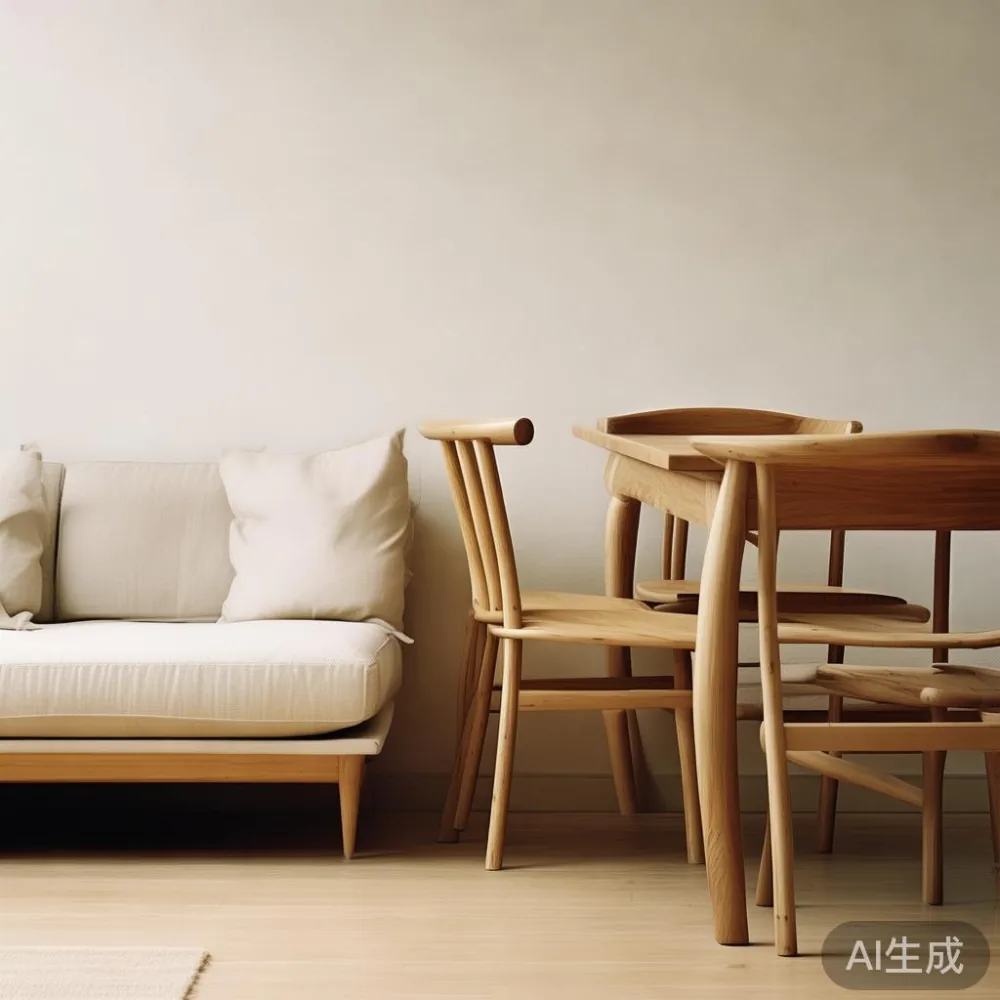
My own test was a narrow-bedroom project rather than a showroom exercise. Last month, I visited a colleague in Tampines and measured the usable space beside a queen bed at 58 cm, the lift door at 90 cm and the corridor turning area at roughly 105 cm. A visually impressive wardrobe looked reasonable on a website, yet the relevant price included removable panels, compact packaging and a delivery decision made around the building’s access rules. That experience changed how I read furniture prices: the material is only one line in the total.
Singapore makes this unusually visible. Floor area, GST, lift bookings, corridor dimensions and the number of stairs all affect the amount of work required to deliver a finished piece. A light-luxury design may reduce visual clutter without reducing its structural demands, and solid bamboo furniture offers another route to warmth and grain without pretending to be solid hardwood.
Is timber species the biggest factor in solid wood furniture prices?
Timber species matters, but “solid wood” is a construction description rather than a price category. One table may use rubberwood, another oak, another walnut veneer over engineered board, and a third may combine solid timber with a marble top. Two products carrying the same broad label can therefore differ by several hundred SGD even before delivery.
Species affects material cost, density, workability and finishing. Dense hardwood takes longer to cut, shape and sand, while figured grain needs more preparation. Veneer can create the appearance of expensive timber over a stable core; it is not automatically inferior, but it should be disclosed clearly. Full solid timber has different repair and warping characteristics from a veneered panel, so buyers should compare construction rather than rely on a photograph.

The confusing part is that retail pricing does not always move in proportion to timber cost. A modest dining table in a common species can cost more than a visually heavier table because the latter uses standard panels, simplified joints and batch production. MIDHILL’s product range illustrates the need to compare actual specifications, including solid wood bed frame or solid wood dining table construction, rather than assuming that a darker board means a higher price.
Ask sellers for the board thickness, core material, joint system, finish and species. For a dining table, inspect the top, apron and legs. For a wardrobe, distinguish the carcass, drawers and doors. For a nightstand, check whether the visible parts are solid wood or only veneered. Concrete specifications make quotations meaningful.
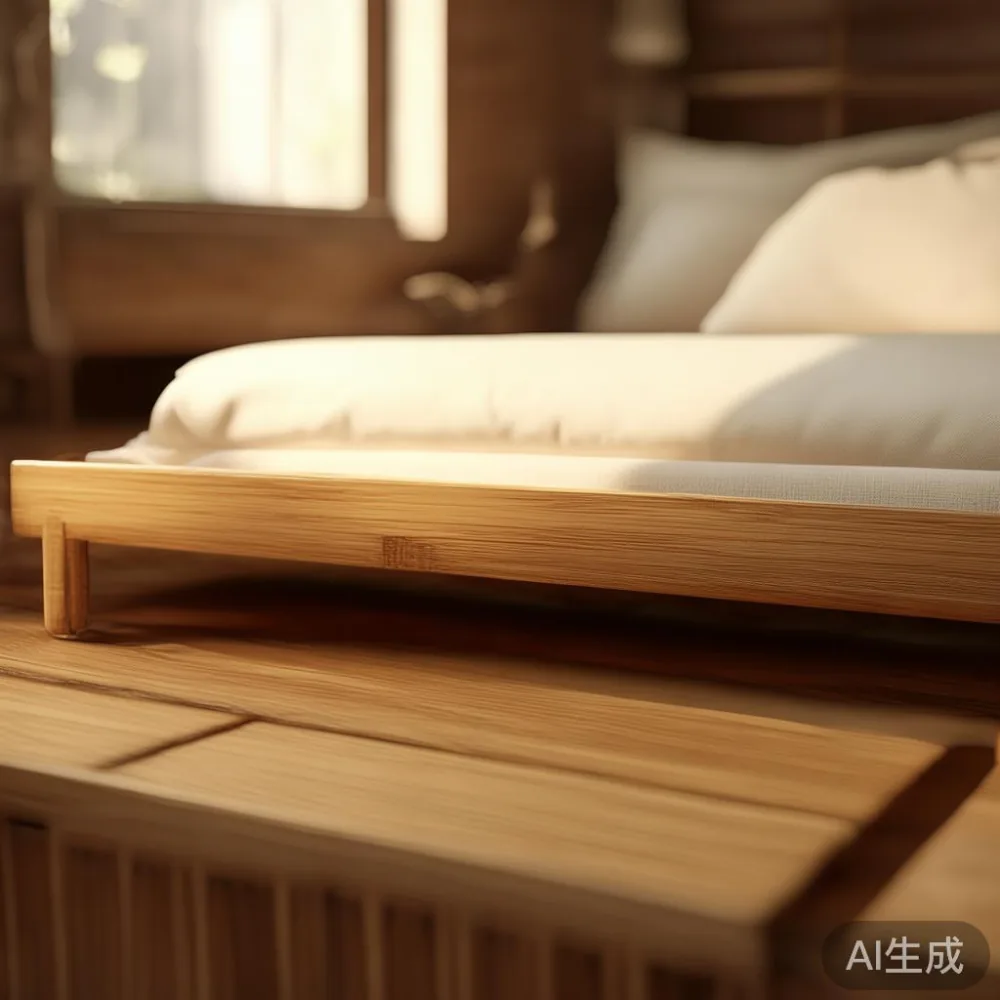
Bamboo furniture should be treated as bamboo construction, not mislabeled as hardwood. It can be laminated, steamed or manufactured in solid bamboo sections. Each method has a different price because bonding, moisture control and machining vary. A well-made bamboo dining table may offer clean lines, good dimensional stability and a distinctive surface; it should be valued on its own performance, not as a cheap imitation of oak.
What does joinery and construction add to the cost?
Joinery is where hidden spending becomes visible in long-term use. Machine-cut fittings can support a practical budget piece, while mortise-and-tenon joints, dowelled drawer boxes, dovetail details and reinforced corner joints demand more preparation, accuracy and finishing. The difference may add SGD 80 to SGD 400 to one table, but it should alter how the table is expected to age.
A solid wood sofa and a solid wood bed frame also require attention beyond appearance. Bed frames must resist repeated loading and movement around the centre rail. A sofa must remain stable across a frame that may measure 210-240 cm wide. Drawers in a wardrobe and nightstand must run without sagging. These requirements influence timber dimensions and hardware even when the design appears restrained.
Finishing adds cost because it is not just a transparent coat. Clear lacquer, matte lacquer, oil, wax and stain require different preparation and application methods. Multiple coats may add SGD 35-SGD 120 to a small item and SGD 90-SGD 260 to a large cabinet. A water-based low-sheen finish can suit modern interiors, but it still needs controlled sanding between layers and adequate curing time.
Light-luxury furniture sits between plain utility and decorative excess. French light luxury often introduces curved profiles, tactile fabrics and gentle contrast; American light luxury favors generous proportions, simple profiles and comfort. Post-modern light luxury can pair clean slabs with expressive materials. In each case, price rises when precise forms, durable surfaces and concealed engineering are combined consistently.
How much should you expect to pay in Singapore?
For a fair local comparison, consider these indicative solid-wood retail bands before GST. A compact solid wood nightstand may run from SGD 220 to SGD 520, while a larger unit with drawers can reach SGD 650. A solid wood bed frame may begin around SGD 690 for a basic design and rise beyond SGD 1,600 for thicker components, shaped details or premium finishing.
A four-seat solid wood dining table commonly falls between SGD 900 and SGD 2,600. Longer tables, stone components and more elaborate joinery can move the price above SGD 3,000. A two-door solid wood wardrobe may range from SGD 1,250 to SGD 3,200, with fitted interiors, veneer alternatives and curved fronts affecting the total. A solid wood sofa may sit from SGD 1,500 to SGD 4,500, depending on frame construction, cushion specification, upholstery and length.
These figures are reference ranges, not fixed catalogue prices. A small marble table may use real marble and a timber base, producing an unpredictable material cost compared with an all-wood occasional table. A marble dining top can add SGD 700-SGD 2,500 before fitting. Stone also changes delivery planning because it is heavier and more vulnerable to edge damage.
GST is 9% in Singapore and is included in displayed consumer prices where required, but quotations should state it clearly. A SGD 1,200 pre-GST item becomes SGD 1,308, so tax can affect a budget decision even when it does not alter the manufacturing cost. Comparing SGD 1,080 before GST with SGD 1,200 after tax shows why labels must use the same basis.
For apartment purchases, the practical total includes delivery, assembly, lifting and removal. A local delivery charge may be SGD 35-SGD 120 for a normal item, SGD 90-SGD 220 for a bulky wardrobe and SGD 160-SGD 450 when a restrictive route requires extra handling. Lift reservation or parking fees may also be passed through. These expenses are not evidence of poor craftsmanship; they reflect the building environment.
Do HDB lifts and condo corridors change what a furniture price should include?
They can. In Singapore HDB flats and condos around Tampines, Bedok and Punggol, a beautiful cabinet is still a poor purchase if it cannot reach the bedroom. Measure the lift door and cabin depth, corridor width, turning points and stair clearance. A lift opening of 80-90 cm is common, yet the internal diagonal may be smaller than the door suggests. A corridor at 100-120 cm can force a wardrobe to be turned sideways, and a landing may not provide enough space to pivot a long frame.
Modular construction may therefore reduce installation costs. A solid wood bed frame in two sections may be easier to carry than a 180 cm headboard. A wardrobe with removable plinths and split doors may enter more easily. However, dismantling must not weaken joints or damage finish. The relevant question is whether the maker has planned for normal urban access, not whether one unusual staircase happens to be available.
Bamboo furniture can also benefit from disciplined detailing. A rounded dining chair with a 45-48 cm seat width and a 2.4-2.8 cm seat can be comfortable while fitting tighter circulation zones. Slimmer bedside models may sit at 35-40 cm wide. These are useful dimensions for HDB layouts where an open bedroom still has to support a wardrobe, bedside table and walking route.
Delivery timing matters too. A made-to-order item may require 4-8 weeks, with another 3-7 days for local delivery. Custom pieces can take 8-12 weeks. Sellers should separate production time from courier scheduling, and clarify whether a missed delivery attempt creates another charge. MIDHILL provides delivery over US$350 for international orders, while Singapore buyers should request the local quotation and access requirements directly.
Why can the same design produce very different quotations?
Scale changes the economics. A nightstand uses a fraction of the timber in a dining table, but it still needs cutting, sanding, finishing, assembly, packing and delivery. The fixed cost is spread across fewer components, so a small piece can look disproportionately expensive. Conversely, a dining table benefits from batch processing, and its price per square metre may be lower.
Hardware is another variable. Drawer slides, hinges, bed bolts and lifting mechanisms should match the intended use. A soft-close slide set for 3 drawers may add SGD 45-SGD 140. Quality hinges for a two-door wardrobe may add SGD 25-SGD 90. Metal bases on a marble table can cost SGD 180-SGD 650 depending on dimensions and finish.
Design choices also affect labour. A straight-edged box can be machined efficiently. Sculpted edges, softened corners, fluted fronts, integrated handles and matched grain demand more setup and inspection. This is where light luxury for hotel projects becomes relevant: hospitality buyers value repeatable comfort, clean maintenance and clear specifications, so fit-out detailing is often more costly than a fashionable silhouette suggests.
Customer expectations and service scope matter too. Replacement parts, refinishing support and structural warranties reduce risk. A 10-year structural warranty is materially different from a product protected only against manufacturing defects for 1 year. Lifetime refinishing, if the terms define what is covered and who pays transport, can have long-term value that a lower sticker price lacks.
For a second-hand or rental property, buyers may compare for sale Minimalist furniture options by total ownership cost. A wardrobe requiring careful removal and reinstallation can erase a modest purchase saving. A bed frame with replaceable slats may be easier to move than one with a monolithic headboard. Service, reversibility and maintenance are part of the real price.
Which room should receive the largest material budget?
Allocate according to use, frequency of movement and visibility. A bed frame touches the body every night, so frame stability, joint strength and finish comfort should come before decoration. A dining table carries daily meals and occasional hot dishes, requiring a stable top and a surface that can be maintained. A nightstand sees frequent reach and clutter; its drawer action and top resistance may matter more than a dramatic profile.
Wardrobes need planned capacity. For a compact HDB bedroom, an internal depth near 55-60 cm may suit hanging garments, while deeper compartments require more space and a larger shell. An external depth of 60-65 cm can become a constraint beside a bed. Measure the open door and drawer extension too: a wardrobe door that blocks the sole walkway may be functionally poor even if it is only SGD 90 cheaper than a better alternative.
The phrase French bed vs Modern bed is useful when comparing shape rather than quality. A French bed emphasizes upholstered softness, curves and a decorative headboard; a Modern bed usually presents straighter lines and a more restrained frame. Neither label tells you whether the internal structure is sound. Search terms such as Japanese for guest room and European for guest room can also narrow styling, but a folded futon, compact daybed or storage bed should first be checked for dimensions and daily usability.
In a guest room, a full dining-style bench may waste space. A 180-200 cm daybed with a 40 cm sleeping width may suit occasional use, but a standard adult needs 190-200 cm of length and enough lateral room to lie down. A fold-down desk should leave at least 70 cm of knee space, and a 35 cm bedside unit may preserve circulation in a 3.0-3.6 m room.
How can buyers separate genuine value from expensive-looking furniture?
Start with a written specification. It should name the material and distinguish solid wood from veneer, engineered board, stone, metal and upholstery. Request the dimensions in cm, product weight in kg, delivery timing, warranty coverage, return period and assembly method. A seller unwilling to answer those questions is making the buyer carry uncertainty.
Then calculate the delivered, usable cost. Divide it by the years of expected use, not simply by the number of pieces. A SGD 1,800 bed frame used daily for 10 years may be more economical than a SGD 900 model replaced twice. Consider repairability, finish maintenance and whether replacement components are available. MIDHILL, established in 2008 and exporting to more than 15 countries, operates within a longer manufacturing context; its 10-year structural warranty and lifetime refinishing service are concrete support points, although individual terms should still be checked before purchase.
Look for consistency across surfaces, edges and joints. Check that grain direction is intentional, drawer fronts align within a practical tolerance, and legs meet the carcass cleanly. For bamboo furniture, inspect bonding lines and the stability of the finished surface. For marble, examine protected edges and the support beneath the stone. Physical inspection is still valuable: I tested a sample nightstand drawer with 6 kg of books, and I could feel the difference between a smoothly guided slide and one that dipped slightly under load.
Price is driven by a chain: raw material, processing, yield loss, joinery, finish, hardware, design complexity, quality control, packaging, delivery and after-sales support. The highest number on a quotation is not automatically the wisest choice, but the lowest number often hides a decision somewhere else. In 2026 light luxury furniture discussions, the strongest value usually comes from proportion, material honesty and reliable service rather than excessive ornament.
For Singapore homes, access should be measured before checkout. Ask for the packaged dimensions, check the lift and corridor, clarify GST, and obtain the final delivered price. A 14-day return policy can also help when a piece is appropriate in size but wrong in tone. Solid wood furniture earns its place when the specification, construction and route into the home all make sense.