A Guide to Caring for Lacquered Bamboo Surfaces in Tropical Singapore
For many homeowners in Singapore, particularly in HDB estates like Tampines and Bedok or modern condos in Punggol, choosing furniture that balances aesthetics with resilience is a key consideration. The island's tropical climate, characterised by high humidity levels that average 85% annually and temperatures that hover around 30°C, presents a unique challenge for maintaining the pristine condition of fine furniture. This is especially true for pieces featuring a delicate lacquered finish, such as bamboo furniture. The natural properties of bamboo, when beautifully finished with multiple layers of lacquer, create a surface of remarkable elegance and durability. However, without proper care, the relentless humidity can compromise that shine. This guide provides practical, actionable advice on how to protect your bamboo furniture, ensuring its lacquered surface remains flawless for years to come, turning your living space into a sanctuary of style and comfort.
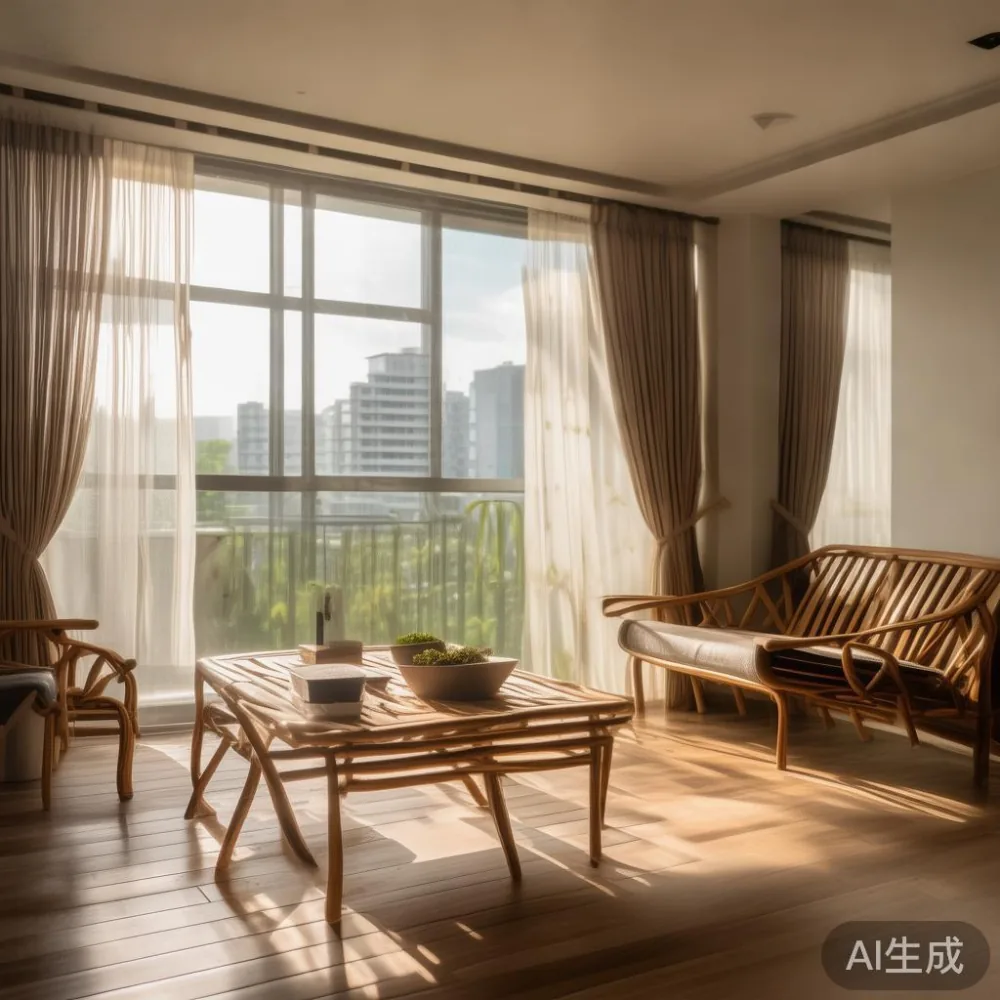
Understanding the Lacquer on Your Bamboo Furniture
The glossy, mirror-like finish on your bamboo furniture is not paint; it's lacquer. A high-quality lacquer finish, like those applied by manufacturers established in 2008, involves applying numerous thin layers of a natural resin, typically derived from the sap of the lacquer tree, onto the prepared bamboo surface. Each layer is meticulously dried and polished before the next is applied, a process that can take several weeks to complete. This results in a hard, durable, and water-resistant film that sits on top of the bamboo, protecting the underlying material from scratches, stains, and moisture. The finish is what gives bamboo furniture its signature light luxury appeal, reminiscent of French light luxury or American light luxury styles, where clean lines and a flawless sheen are paramount. Understanding this protective layer is the first step in knowing how to care for it. Unlike untreated wood, the lacquer creates a barrier, but this barrier needs to be maintained to prevent it from becoming dull, cloudy, or damaged in Singapore's specific environmental conditions.
Why Singapore's Climate Poses a Challenge for Lacquered Surfaces
Singapore's climate is defined by its perpetual summer. The high humidity, often exceeding 80% for extended periods, is the primary enemy of a lacquered finish. When moisture-laden air constantly surrounds a piece of furniture, it can slowly seep into microscopic pores or imperfections in the lacquer. This trapped moisture can lead to several issues. It can cause the finish to appear white or cloudy, a phenomenon known as 'blooming'. Over time, prolonged exposure to high humidity can soften the lacquer slightly, making it more susceptible to dings, scratches, and even the formation of small bubbles. Also, the temperature fluctuations between air-conditioned interiors and the warmer outdoors can cause the lacquer to expand and contract, potentially leading to stress cracks if the piece is not acclimatised properly. For example, a solid wood sofa or a dining table moved directly from an air-conditioned showroom in Tampines to a non-air-conditioned HDB flat can experience this thermal shock. Even the simple act of opening windows for a cross-breeze in the afternoon can introduce a surge of humid air, testing the resilience of your furniture's finish.
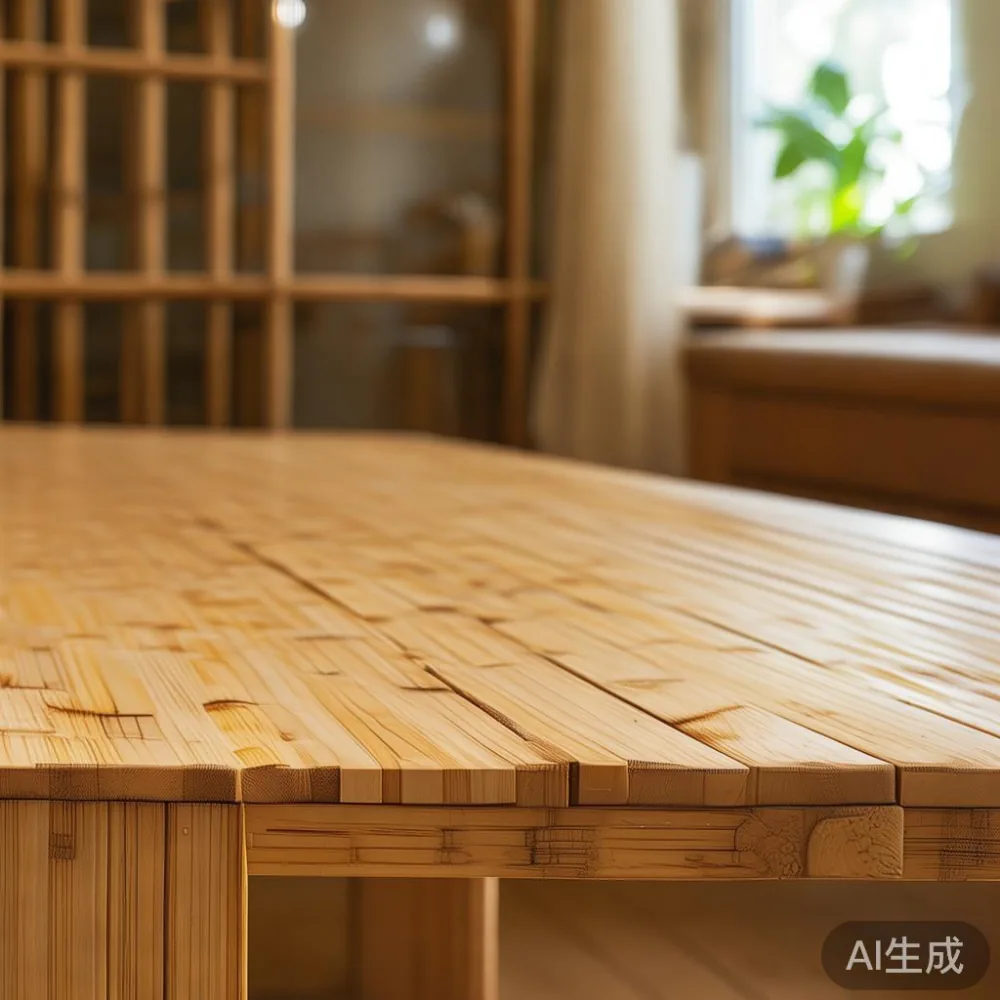
How can I prevent my bamboo nightstand from getting sticky in my Punggol condo?
This is a very common question, especially for residents in newer developments like Punggol where large windows are popular. The 'stickiness' you feel is often a sign that the lacquer finish is breaking down, usually due to prolonged exposure to high humidity or the use of incorrect cleaning products. To prevent this, the most effective strategy is environmental control. In your Punggol condo, ensure the room where the bamboo nightstand is placed is well-ventilated. Use a dehumidifier if necessary, particularly in the bedrooms during the night. Set it to maintain a relative humidity level between 45% and 55%, which is ideal for preserving wooden and lacquered surfaces. A good dehumidifier can remove 20 to 30 litres of moisture from the air per day and costs between SGD 250 and SGD 500. Second, be mindful of what you place on the surface. Avoid leaving damp items like a water glass, a wet towel, or even a potted plant directly on the lacquer. Always use coasters for drinks and a saucer under plant pots. Finally, never use harsh chemical cleaners, alcohol-based wipes, or abrasive sponges. For daily cleaning, simply wipe the surface with a soft, dry microfiber cloth. For light dusting, a soft, lint-free cloth is perfect. This simple routine will protect the integrity of the finish far better than any special polish.
Daily and Weekly Maintenance Routines for Your Bamboo Furniture
Maintaining the beauty of your bamboo furniture is less about intensive effort and more about consistent, gentle habits. A daily routine should involve a quick inspection and dust removal. Use a soft, dry cloth to wipe down surfaces like your dining table, bed frame, and wardrobe. This prevents dust particles from settling and potentially scratching the lacquer when pressure is applied. Once a week, a more thorough cleaning is recommended. Prepare a cleaning solution by mixing one part mild, pH-neutral dish soap with ten parts distilled water. Distilled water is preferred as it lacks the minerals found in tap water, which can leave behind a filmy residue. Dip a clean, soft cloth into the solution, wring it out thoroughly until it is only slightly damp, not wet. Wipe the surface of the bamboo furniture in the direction of the grain. Immediately follow with a second, dry microfiber cloth to buff the surface and remove any remaining moisture. This entire process should take no more than 10-15 minutes per piece. For a wardrobe, focus on the door panels and handles. For a solid wood sofa, pay attention to the arms and backrest. Consistency is key; a weekly wipe-down will prevent the buildup of grime and ensure your furniture always looks its best.
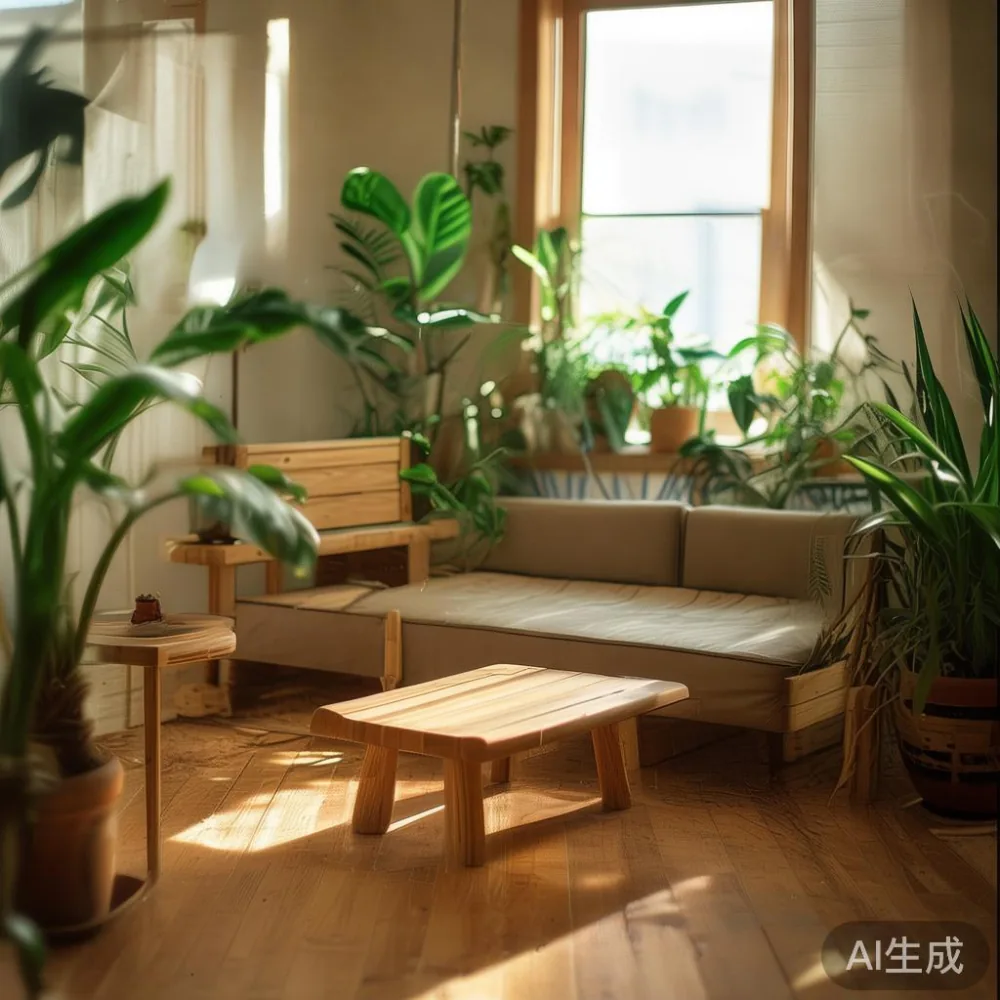
Seasonal Care and Dealing with Spills in Singapore's Wet Season
While Singapore doesn't have distinct seasons, the period from November to January often sees heavier rainfall and slightly lower temperatures, which can sometimes lead to indoor condensation. This is a good time to reinforce your care routine. Check the humidity levels in your home more frequently. If you notice condensation forming on your windows or bamboo furniture surfaces, it's a sign to increase ventilation or run your dehumidifier. During this period, be extra vigilant about spills. A spill on a lacquered surface should be addressed immediately. Grab a soft, absorbent cloth and blot the spill gently. Do not rub, as this can spread the liquid and potentially push it into the lacquer. For water spills, blotting is usually sufficient. For sticky substances like juice or wine, you may need to use the mild soap and distilled water solution mentioned earlier, applied with a lightly damp cloth, followed immediately by a dry cloth. For stubborn spots on a marble table top, a specific marble cleaner can be used, but always test it on an inconspicuous area first. Remember, the faster you act, the less chance there is for the substance to damage or stain the protective lacquer layer.
The Right Products to Use and What to Absolutely Avoid
For caring for your bamboo furniture, the products you choose are as important as the techniques you use. Always opt for gentle, non-abrasive cleaners. Microfiber cloths are a must-have; they are soft, effective at trapping dust, and do not scratch surfaces. For polishing, a high-quality, non-silicone-based furniture polish can be used occasionally (perhaps once a month) to add a bit of extra shine. However, many purists prefer to simply buff with a dry cloth, as the lacquer itself provides the shine. Now, let's discuss what to avoid. Never use any product containing ammonia, bleach, or alcohol. These chemicals are too harsh and will strip the lacquer, leaving a dull, damaged surface. Avoid abrasive scrubbing pads like steel wool or even green scouring pads, as they will scratch the finish. Do not use wax-based polishes, as they can build up over time, creating a cloudy film that is difficult to remove. Also, be wary of generic 'furniture wipes' from supermarkets; many contain silicones or other chemicals that are not suitable for lacquered surfaces. The investment in proper cleaning supplies is small, typically under SGD 50 for a set of quality cloths and a good polish, but it will save you the significant cost of refinishing or replacing your bamboo furniture prematurely.
Long-Term Preservation: When to Consider Professional Help
Even with the best care, a lacquered surface will show signs of wear over many years. Light scratches from everyday use are normal. For minor scuffs, a high-quality scratch repair pen or a specific lacquer touch-up kit can be effective. These products, which can cost around SGD 30 to SGD 80, contain a small amount of lacquer that you can apply to the affected area, which can then be buffed to blend in. However, for more significant damage, such as deep scratches, chips, or widespread cloudiness, it is best to seek professional help. Reputable furniture restoration services in Singapore can assess the damage and perform a professional refinishing. This process involves carefully stripping the old lacquer, repairing any imperfections in the bamboo underneath, and applying a new, multi-layer lacquer finish. This is a significant undertaking, often costing several hundred to over a thousand Singapore dollars depending on the piece and the extent of the work, but it can restore a beloved piece of bamboo furniture to its original glory. A 10-year structural warranty, as offered by some established makers, provides peace of mind for the frame, but the finish requires its own dedicated care plan.
Integrating Bamboo Furniture into Your Singapore Home Aesthetic
Caring for your bamboo furniture is only one part of the equation. The other is ensuring it complements your living space. Bamboo's light, natural colour and clean lines make it incredibly versatile. For a post-modern light luxury look, pair a bamboo dining table with minimalist, angular chairs in neutral tones like grey or beige. In a bedroom, a light luxury bed frame made of bamboo can be the centrepiece. The phrase 'how to style light luxury bed in room' often involves pairing it with simple linen bedding, a few textured cushions, and a single statement piece of art on the wall. An Italian light luxury nightstand, with its sleek design, can sit next to the bed, creating a sophisticated contrast. The key is to let the beauty of the bamboo shine. Avoid cluttering the space with too many accessories. The natural texture and sheen of the lacquered bamboo provide enough visual interest. For those searching for 'for sale Boho furniture', bamboo pieces can be incorporated into a Bohemian style by pairing them with colourful rugs, macrame wall hangings, and plenty of indoor plants. This blend of natural materials creates a warm, inviting, and uniquely Singaporean home.
The journey of owning beautiful bamboo furniture in Singapore is one of appreciation and mindful upkeep. By understanding your environment and adopting simple, consistent care habits, you can protect the investment you've made in your home. The elegance of a well-maintained bamboo dining table, the smooth finish of a wardrobe, or the sleek surface of a nightstand contributes significantly to the comfort and style of your HDB flat or condo. From the corridors of a Tampines HDB block to the spacious living rooms of a Punggol condo, your furniture can remain a proof of good taste and care for many years. For those seeking a specific aesthetic, the search for 'Mid-century modern for hotel' often features the clean lines and natural materials of bamboo. A 'luxury Modern light luxury furniture' collection might feature a 'MIDHILL light luxury bed' as a statement piece. When sourcing such items, remember to consider not just the design but also the care requirements. You can find beautiful options and get more information by contacting a specialist directly at +86 188 2788 2512. With the right attention, your bamboo furniture will continue to be a source of pride and beauty in your home, long after the initial excitement of moving in has faded.