How to Read a Furniture Warranty Without Getting Caught Out
When furnishing a new HDB flat in Tampines or a condo in Punggol, the excitement of choosing a solid wood sofa or a marble table can quickly be tempered by the dense, often confusing language of a furniture warranty. A document promising 'lifetime' protection can feel like a shield, but what happens when a claim is denied? For Singaporean homeowners, understanding the fine print is not just about peace of mind; it's about protecting a significant investment, especially when factoring in the 9% GST and the logistical challenges of working through narrow HDB corridors with a 180 cm wide dining table.

What Exactly Does 'Lifetime' Warranty Mean in Singapore?
The term 'lifetime warranty' is one of the most powerful marketing phrases in the furniture industry, but its meaning is rarely universal. In Singapore, where humidity can cause natural wood to expand and contract, this promise needs careful scrutiny. For a bamboo furniture piece, a 'lifetime' warranty might refer only to the structural integrity of the frame, not the surface finish. My colleague, Sarah, who recently moved into a Bedok HDB, learned this the hard way. She purchased a solid wood bed frame with a 'lifetime warranty,' only to be told that the warranty did not cover the natural cracking of the wood's finish after 18 months of Singapore's high humidity. The manufacturer considered it 'normal wear and tear,' leaving her with a SGD 2,500 repair bill.
To avoid this, look for specific timeframes and exclusions. A reputable manufacturer, like one established in 2008 with a 10-year structural warranty, provides a clearer promise. Always ask: Is the warranty for the frame only, or does it include the upholstery, finish, and hardware? For example, a warranty on a light brown luxury sofa might cover the frame for 10 years but the fabric for only 3 years. Be precise. A warranty that covers 'defects in materials and workmanship' is stronger than one that vaguely promises 'product protection.' Remember, in Singapore, the cost of replacing or repairing a large item like a wardrobe can easily exceed SGD 3,000, so a clear warranty is your financial safety net.
Is My Bamboo Furniture Covered for Delivery and Installation?
Many warranties begin only after the product has been delivered and accepted. This is a critical point for Singapore residents living in apartments with tight access. A standard clause might state that the warranty is void if the furniture shows signs of damage upon delivery. This places the responsibility for inspection squarely on you. When a 120 kg marble table arrives, you have a limited window to check for chips or cracks before the delivery team leaves. Do not sign the delivery form until you have thoroughly inspected the item in good light. Take photos from multiple angles, especially focusing on corners and edges.
Installation is another grey area. Some warranties are invalidated if the furniture is assembled by anyone other than a certified technician. For a complex piece like a modular wardrobe, this can add SGD 150 to SGD 300 to your total cost. Check if the manufacturer offers professional assembly as part of the package or if it's an extra. Also, consider the physical environment. Will the furniture fit through your lift or corridor? A 90 cm wide nightstand might seem fine on paper, but if your HDB corridor is only 95 cm wide, maneuvering it around corners is a risk. Documenting the dimensions of your access points and sharing them with the seller can prevent disputes later if damage occurs during placement.
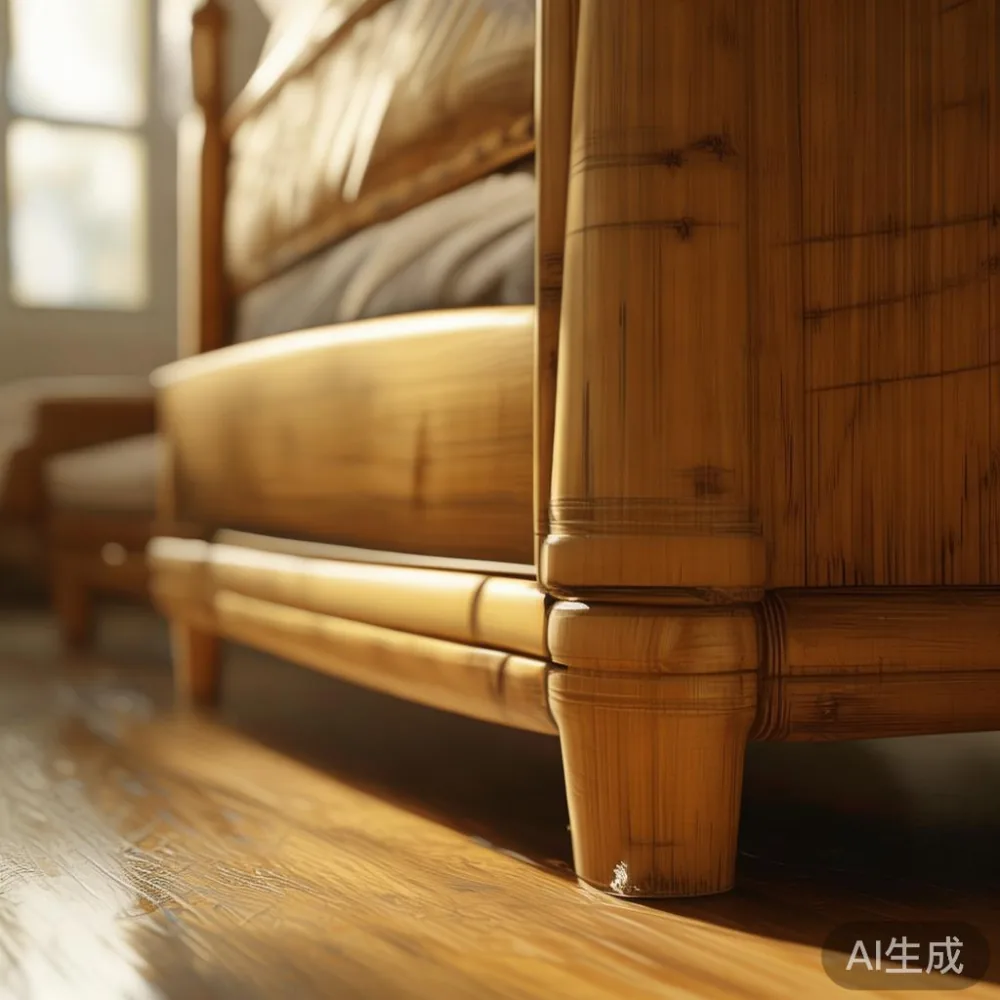
What Specific Damages Are Excluded from Most Warranties?
No furniture warranty is a blank cheque. There are almost always specific exclusions designed to limit the manufacturer's liability. Understanding these is key to avoiding a nasty surprise. The most common exclusions fall into three categories: environmental damage, misuse, and normal wear and tear.
Environmental damage is a major concern in Singapore. High humidity can cause solid wood to warp, crack, or swell. A warranty will typically state that this is not covered. Similarly, prolonged exposure to direct sunlight can fade the finish of a dining table or the fabric of a sofa. This is considered preventable damage, not a manufacturing defect. When placing your bamboo furniture, ensure it's not in direct sunlight and maintain a stable indoor humidity level between 40% and 60% if possible.
Misuse is another common exclusion. This includes placing a hot dish directly on a wooden surface, using improper cleaning chemicals, or exceeding the weight limit on a shelf. A marble table, for instance, might have a weight limit of 50 kg per leg. Placing a heavy aquarium on it could void the warranty. Similarly, using a harsh solvent on a Japanese bed vs Italian light luxury bed could strip the finish and invalidate a claim. Always follow the care instructions provided by the manufacturer.
Finally, 'normal wear and tear' is a vaguely defined but powerful exclusion. This includes things like fabric pilling on a sofa, softening of cushions, or minor scratches on the floor of a wardrobe from everyday use. A warranty is meant to cover defects, not the gradual degradation of materials over time. The line between a defect and wear and tear can be blurry, but a manufacturer will argue that a sofa cushion that has lost its resilience after 5 years of daily use is simply worn out, not defective.
What Should I Do Before Making a Warranty Claim?
If you believe your furniture is defective and covered by the warranty, your approach can make or break your claim. The process should be systematic and documented. Last month, I visited a friend in a Punggol condo who had a problem with the drawer slides on his new nightstand. His first instinct was to call the seller in frustration. I advised him to follow a more structured approach.
First, stop using the furniture immediately. Continuing to use a defective item can be interpreted as accepting the condition and may complicate your claim. Second, gather all your documentation. This includes the original purchase receipt, the warranty certificate, and any photos or videos you took upon delivery. Third, review the warranty document one more time. Confirm that the specific issue you're facing is indeed covered and that you haven't violated any terms. Fourth, contact the seller's customer service department, not just a salesperson. Be clear, calm, and factual. Describe the problem, provide your proof of purchase, and reference the specific clause of the warranty you believe applies. Ask for their procedure for making a formal claim.
For Singaporean customers, logistics are a key part of the claim process. If a repair is needed, who pays for the technician's visit? If a replacement is required, who handles the delivery and removal of the old item? A good warranty will state that the manufacturer covers these costs. For example, a company offering free shipping over SGD 350 should also offer free collection for defective items. Keep a record of all your communications, including emails and reference numbers for any phone calls.
How Do I Know If a Warranty Is Legitimate and Enforceable?
In a market flooded with options, a warranty can be a key differentiator, but not all warranties are created equal. A legitimate warranty from a company like midhillco will be clear, specific, and easy to understand. It will state the full company name and address, not just a website. It will provide a clear timeline for how long a claim will take to process, for instance, 14 days for an initial assessment. It will also specify the warranty's territorial validity. If you buy furniture from a Singapore-based company that imports goods, will the warranty be honoured if the parent company is overseas?
Enforceability is another matter. A warranty is a contract, and like any contract, it must be fair. In Singapore, the Consumer Protection (Fair Trading) Act provides some safeguards against unfair contract terms. A warranty that attempts to exclude all liability for personal injury or damage to property is likely unenforceable. However, terms that limit liability for consequential damages (e.g., the cost of accommodation if your bed frame breaks) are generally permissible.
When comparing warranties, don't just look at the length. A 5-year comprehensive warranty is far better than a 'lifetime' warranty that only covers the frame and has numerous exclusions. For example, the best French bed for 2026 might come with a 10-year warranty on the frame and a 5-year warranty on the upholstery, while the best Japandi bed for 2026 might offer a 15-year frame warranty but only a 2-year warranty on the finish. The choice depends on which aspects of the furniture you value most. A warranty that includes a lifetime refinishing service, like the one offered by some established makers, adds significant long-term value, protecting the appearance of your solid wood sofa or dining table for decades.
What Are the Warranty Differences Between Furniture Styles?
The style and materials of your furniture directly influence the terms of its warranty. A minimalist Japanese bed vs Italian light luxury bed will have very different warranty considerations due to their construction and materials. Understanding these differences helps you set the right expectations.
A European light luxury sofa vs Japandi sofa highlights this contrast perfectly. The European sofa, often featuring intricate tufting, multiple loose cushions, and a mix of fabrics like velvet and leather, will have a more complex warranty. It might cover the frame for 10 years but the leather for 5 years, the fabric for 3 years, and the filling for 2 years. The warranty will be very specific about cleaning methods, as improper care can easily damage delicate materials. In contrast, a Japandi sofa, with its clean lines, solid wood frame, and often removable, washable fabric covers, may have a more straightforward warranty. The focus is on the structural integrity of the frame and the durability of the fabric, with less concern about complex upholstery techniques.
For beds, the warranty often focuses on the support system. The best American bed for 2026 might feature a sophisticated spring or memory foam system, with the warranty specifically covering sagging beyond a certain depth (e.g., 2 cm) after a set number of years (e.g., 10). A Japanese bed, often platform-style with a simple slat system, will have a warranty focused on the slats' integrity and the frame's stability. The materials also play a role. Bamboo furniture, known for its strength and sustainability, will have a warranty that speaks to its resistance to warping and cracking under normal humidity conditions, a key selling point in the Singaporean climate.