Tropical Climate Care for Lacquered Bamboo Furniture
Singapore’s heat and humidity can make lacquered surfaces look dull within months, yet careful maintenance can preserve their colour, sheen and structural integrity for years. The challenge is not simply wiping the furniture more often. It is controlling moisture, abrasion, sunlight and temperature while using cleaning methods that suit the lacquer itself.
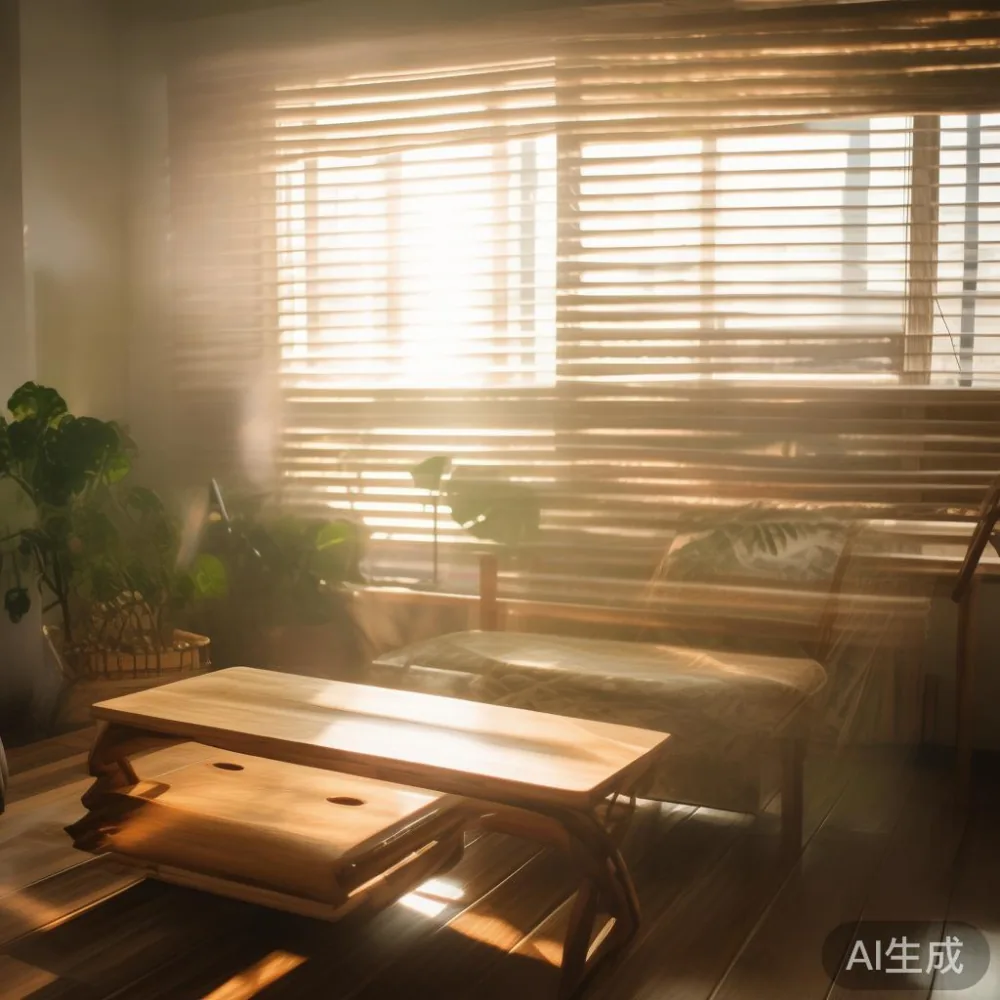
At MIDHILL, lacquered bamboo furniture is designed for demanding interiors, including Singapore HDB flats and condos in Tampines, Bedok and Punggol. The material combines the familiar character of bamboo furniture with the crisp geometry associated with French light luxury and post-modern light luxury. Good care starts with understanding what sits on the surface and how quickly contaminants can turn into permanent marks.
Why does lacquered bamboo furniture need special care in Singapore?
Lacquer forms a protective film over the bamboo substrate, but that film is not invulnerable. A humid room can contain 60% to 80% relative humidity, while condensation may occur beside an air-conditioning vent or during the monsoon period between November and February. Temperature changes can also affect how coatings cure, age and respond to cleaning.
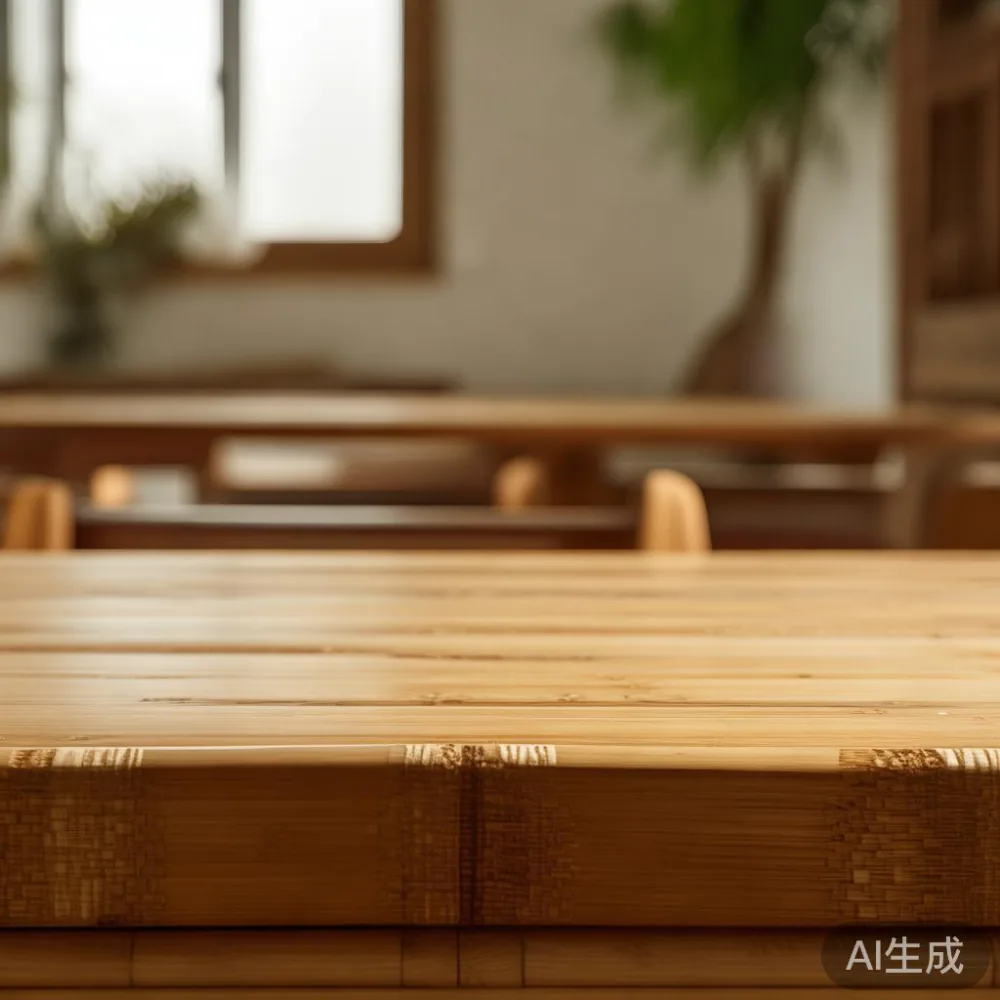
Water rings often begin when a glass contains ice and condensation develops underneath it. The liquid does not have to soak through the lacquer to leave a mark; the residue can disrupt the finish as it dries. Coastal air, kitchen vapour and perspiration introduce additional salts and oils. In a high-rise corridor, a newly lacquered package may also be moved through warm, enclosed lift lobbies before reaching the home.
The relevant question is not whether lacquer can survive tropical conditions. It can when maintained properly. The practical target is to keep the surface dry, clean and free of abrasive particles, while giving bamboo furniture at least 5 cm of clearance from walls and air-conditioning outlets. For a dining table, allow approximately 60 cm between the table edge and a frequently used walkway; in a compact HDB dining area, this reduces knocks from chairs and passing residents.
What cleaning kit should a Singapore household keep ready?
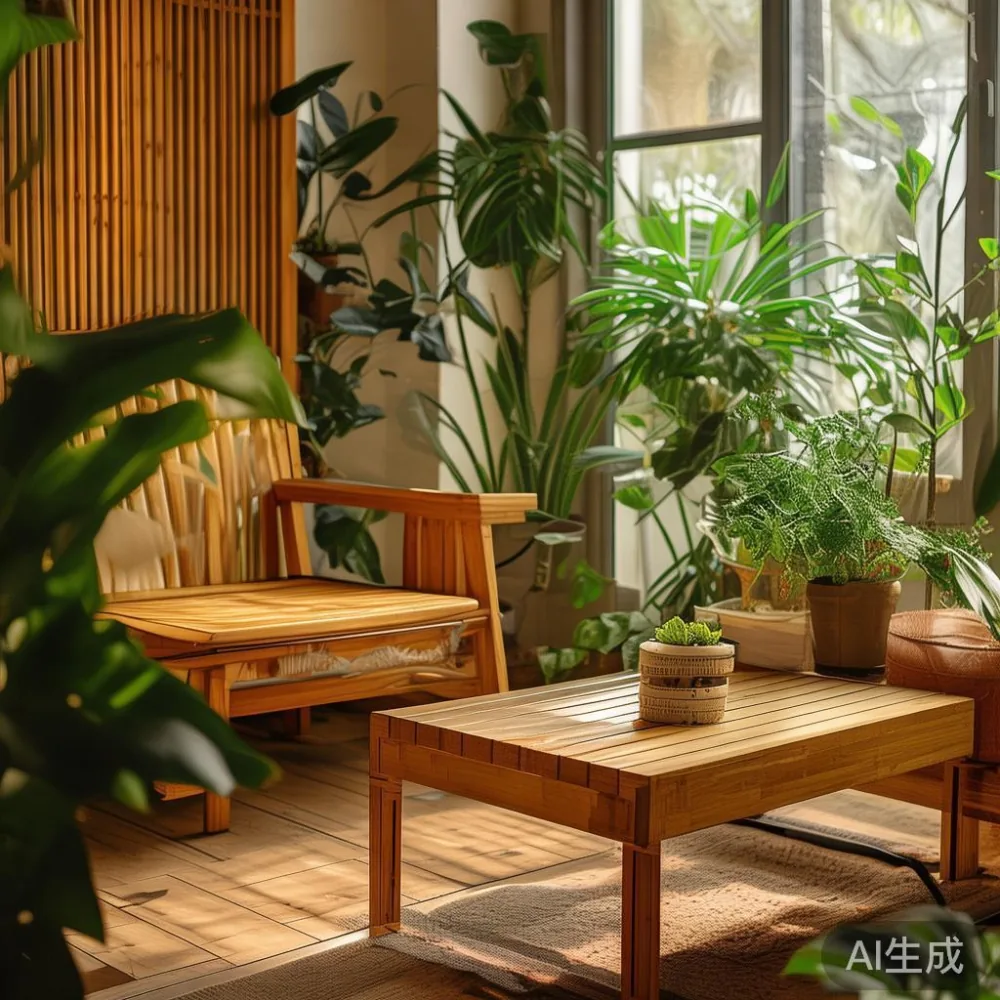
Prepare a small care kit rather than relying on household cleaners whose labels do not identify their chemical composition. Keep 2 soft microfibre cloths, 1 clean cotton pad, a soft-bristled brush, a neutral pH cleaning solution and 2 pairs of cotton gloves. A separate cloth for the floor prevents dust and grit from being returned to the furniture.
For routine dusting, the brush can dislodge particles trapped around joints and carved details. The microfibre cloth should then remove the loosened dust. A diluted neutral cleaner is useful for fingerprints on a lacquered bed frame or wardrobe, but it should be tested on a hidden area for 24 hours. Avoid alkaline, acidic, ammonia-based and solvent-heavy products unless the lacquer manufacturer explicitly permits them.
Never use steel wool, scouring pads or rough kitchen sponges on a lacquered surface. Even apparently fine particles can create hundreds of microscopic scratches, dulling the reflective finish. For sticky residue, place a lightly damp cotton pad over the spot for 10 minutes, then wipe with the clean microfibre cloth. Persistent residue should be assessed by the furniture maker rather than scrubbed repeatedly.
For furniture shoppers comparing coordinated pieces, a useful reference point is where to buy coffee table from MIDHILL when the retailer can explain lacquer composition, care products and finish warranties. The availability of a matching solid wood sofa, dining table or nightstand should also be judged by accurate care guidance, not by packaging alone.
How should I clean a lacquered dining table without damaging the finish?
Clean a lacquered dining table after each meal and at least once every 2 days during humid periods. Clear dishes and coasters before wiping. A hot serving dish placed directly on lacquer can create a soft spot or transfer colour, so use a heat-resistant trivet with at least 2 cm of clearance underneath. Coasters should be placed under every glass, cup and vase, including decorative pieces that contain water.
Begin by removing crumbs with a soft brush. Next, dampen a microfibre cloth with water and wring it until only a few drops emerge. Wipe in the direction of the grain or along the lacquered panel, using light pressure. If marks remain, add 1 teaspoon of mild, pH-neutral detergent to 500 ml of water, stir thoroughly and apply the solution through the damp cloth rather than pouring it onto the table.
Dry immediately with a second clean cloth. This step matters because trapped droplets leave mineral rings. Do not leave a cleaning cloth sitting on the surface overnight, and do not use a hairdryer to speed drying. Room-temperature air movement is sufficient for most marks.
Pay attention to edges near sinks, open windows and balcony doors. A dining table placed within 1 m of a frequently opened sliding door may collect rain residue and airborne salt. Moving it 20 cm farther from the opening can reduce exposure, although floor levels and building orientation also influence conditions.
How often should a lacquered wardrobe and bed frame be wiped down?
A lacquered wardrobe should receive a light dust every week and a damp cleaning every 2 to 4 weeks, depending on air-conditioning use and household traffic. Open the doors for 15 minutes after a shower so bathroom vapour does not settle on the finish. In a walk-in wardrobe, maintain about 20 cm between the cabinet and the wall so air can circulate.
For handles, use the same damp microfibre process. Metal pulls may be wiped dry immediately to prevent water spotting. Check hinges every 6 months and tighten screws only if required; repeated forced tightening can damage the carcass. Owners thinking about how to style American wardrobe in apartment interiors can include open shelving beside the lacquered wardrobe, but displayed objects should remain at least 10 cm away from lacquered doors to prevent knocks.
A lacquered bed frame should be cleaned monthly, with extra attention to the headboard every 2 weeks. Lift the mattress before vacuuming beneath it, and keep the suction head 3 cm above the surface. Pet bedding should not rest directly against lacquered timber. For bedrooms, how to style Japanese sofa in bedroom layouts often involves lighter textiles and measured spacing; a fabric sofa positioned beside a lacquered bed frame can reduce the risk of repeated contact.
Allow the bed frame to acclimatise in the room for 24 to 48 hours after delivery. Keep boxes away from the wall and avoid placing the frame beside a window that receives direct afternoon sun. A stable indoor environment, ideally between 22°C and 28°C, supports the finish and reduces seasonal movement in the bamboo substrate.
Can sunlight and humidity be controlled without changing the room?
Yes. Start with simple placement and timing. Direct ultraviolet exposure can fade colour unevenly, especially on a lacquered nightstand or wardrobe facing a west-facing window. Apply a compatible UV-filtering film or use curtains with a stated UV-blocking rating. Indoor plants should not press against furniture, and open windows should be closed when rain is expected.
Air-conditioning helps by lowering temperature and reducing moisture, but aim for a stable setting rather than rapid cycling. A relative-humidity meter placed near the furniture can provide a useful reading. A target around 50% to 65% is generally more suitable than a room held above 75%, although comfort and building conditions should be considered. Do not position a dehumidifier so that its airflow strikes lacquered panels directly.
During renovation, keep lacquered bamboo furniture in its packaging and away from wet paint, adhesive and plaster dust. If new flooring is being installed, leave the furniture in a dry, climate-controlled room for at least 72 hours before moving it back. Paint can adhere to a cured lacquer surface and may be difficult to remove without thinning the coating.
Lift dimensions matter as well. Before delivery, measure the lift door, lift car and corridor turns, including door handles. Allow at least 5 cm of working margin for packaging. MIDHILL’s delivery arrangements can be coordinated around these access constraints, and the company’s 14-day return policy provides a defined window for checking the finish on arrival.
What should I do if a lacquered surface becomes sticky, cloudy or scratched?
Sticky patches can result from trapped humidity, incompatible cleaning products or a coating that has softened under heat. Move the item away from the heat source and improve ventilation. Wipe once with a barely damp cloth, then dry it immediately. If the stickiness returns within 24 hours, stop using household cleaner and contact the supplier for finish-specific advice.
Cloudiness may be caused by moisture trapped beneath the lacquer or by residue from an unsuitable polish. Do not apply wax, furniture oil or silicone spray unless the finish documentation confirms compatibility. A dark scratch can sometimes be treated with a colour-matched repair pencil, but deep gouges and lifting require professional assessment.
Small marks can also reveal differences between old and new lacquer panels. Avoid sanding the whole surface to repair one 2 cm blemish, as uneven gloss may become more visible. Photograph the affected area under daylight and provide the dimensions to the manufacturer before deciding on a repair.
For buyers seeking coordinated furniture, product knowledge remains important. A lacquered marble table is not the same care project as lacquered bamboo, even when both appear in a post-modern light luxury interior. Likewise, a solid wood sofa, dining table, bed frame, wardrobe or nightstand may use different finishing systems. Modern light luxury for hotel projects requires clear technical information because high-traffic rooms demand frequent cleaning and precise moisture control.
How do I check a lacquered finish when furniture arrives?
Inspect the furniture before accepting delivery, preferably in daylight near a window without placing it in direct sun. Look across the surface at an oblique angle so scratches, bubbles, uneven sheen and colour variation become visible. Check all 6 sides, the underside, corners, joints, handles and areas concealed by packaging.
Use clean paper sheets rather than plastic wrap during unpacking. Lift pieces by their structural frame where possible, and do not drag them across another lacquered panel. Photograph the condition before assembly. This record is useful if a protected transit mark is discovered, particularly when furniture must pass through a narrow lift or corridor.
Confirm the expected lacquer type, cleaning instructions and warranty terms in writing. MIDHILL offers a 10-year structural warranty, lifetime refinishing and free shipping for orders above US$350. Prices in Singapore should be displayed clearly in SGD, with GST stated separately where required. Any quotation should also specify delivery days, access charges and the return arrangement rather than leaving these details to the final mile.
For coordinated European-inspired rooms, how to style European sofa in bedroom schemes depends on proportion: keep the sofa approximately 8 cm from the wall, use a rug extending at least 60 cm beyond its front edge, and avoid pressing a marble table against the same lacquered wall. These small clearances improve circulation and make routine cleaning easier.
What is the simplest maintenance routine for a tropical home?
A consistent routine prevents most finish problems. Dust lacquered bamboo furniture with a soft brush every 7 days. Damp-wipe high-touch surfaces every 14 days, or sooner after meals and spills. Keep water, food, pens and cleaning chemicals on protective mats. Maintain 5 cm between furniture and walls where possible, and use curtains or film to limit direct sunlight.
Check humidity monthly and after heavy rain. Keep lacquered furniture away from air-conditioning outlets, kitchen steam and bathroom doors. Use coasters, trays and heat-resistant pads. If any product is used, test it on a hidden 5 cm by 5 cm area and wait 24 hours before treating the full surface.
This approach preserves the clean geometry and tactile appeal expected from French light luxury, American light luxury and contemporary Asian interiors without making the home feel regimented. In a compact Tampines flat, Bedok condo or Punggol apartment, the best care plan is the one that can be performed quickly and repeated reliably. Consistent 5-minute checks and careful cleaning can keep lacquered bamboo furniture presentable for many years, while early attention to scratches and moisture prevents minor issues from becoming permanent damage.