How Southeast Asian Humidity Affects Wood Furniture in Singapore
Singapore’s equatorial climate can change the moisture content of wood faster than many buyers expect. In a Tampines HDB flat, a newly delivered solid wood dining table may absorb moisture during the monsoon season, expand by several millimetres, and develop small gaps along its edges. A bed frame near an open balcony can also react to the sharper humidity shifts common in Bedok and Punggol. These changes are not automatically defects, but correct species selection, acclimatisation, ventilation and careful care determine how a piece settles in its new home.
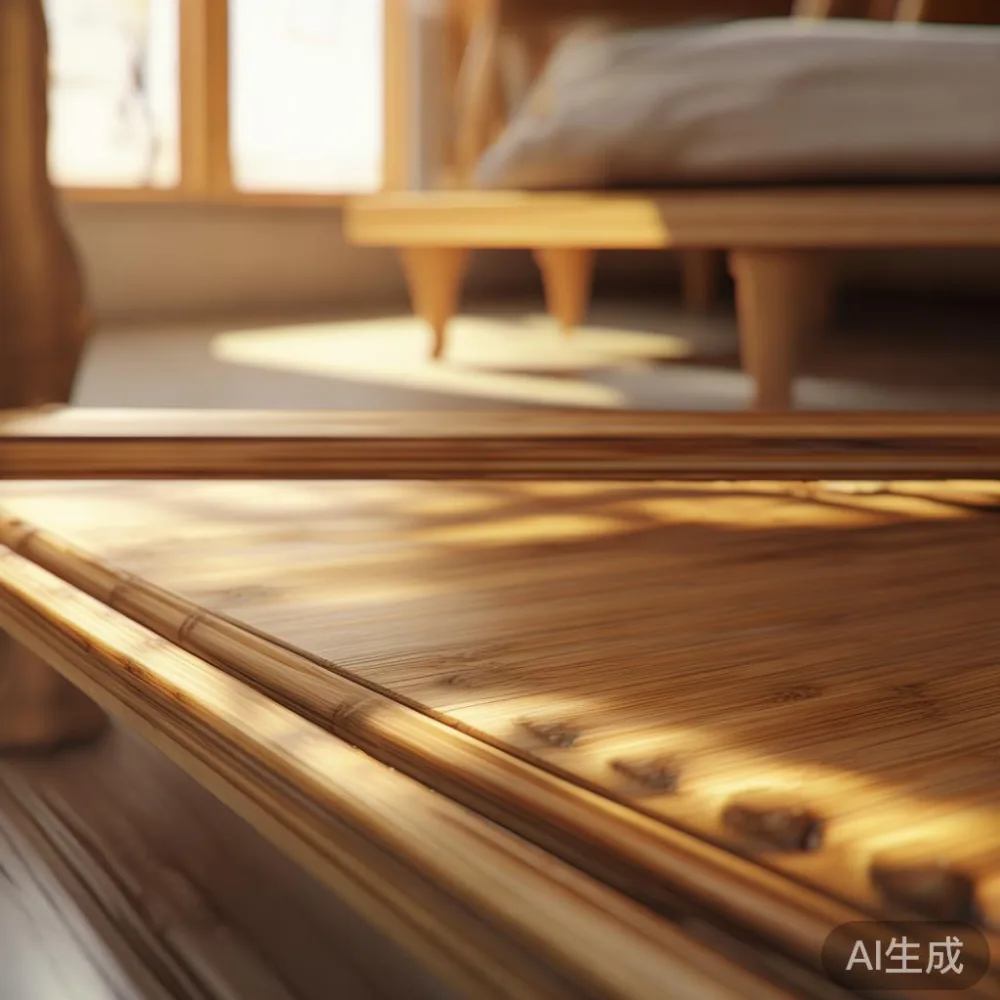
At MIDHILL, we make solid wood furniture for humid interiors and export it to more than 15 countries. Our 10-year structural warranty covers long-term joinery performance, while lifetime refinishing supports furniture that is meant to remain useful across decades. The following guide explains how humidity affects wood and bamboo furniture, what to watch for in Singapore, and how to protect a solid wood sofa, bed frame, dining table, wardrobe, nightstand or marble table without over-maintaining it.
Why does humidity make wood move in Singapore?
Wood is a hygroscopic material: it takes in moisture when the surrounding air is humid and releases it when the air becomes drier. Cell walls swell as they gain water, and their dimensions change in response. A solid wood dining table with a 180 cm top might move across its grain by roughly 2–6 mm during a pronounced seasonal change. A wardrobe door can shift slightly in its frame, while a solid wood bed frame may develop a light tick when head and foot rails expand by different amounts.

Singapore’s monthly relative humidity commonly ranges from about 65% to 90%, with daily conditions influenced by rain, sun, wind and building ventilation. Air-conditioned HDB rooms can sit below 55% during the day and rise above 75% after the family returns. A corridor with weak airflow can remain above 80%, while a west-facing condo unit may experience repeated swings between a dry afternoon and a humid evening. Furniture therefore sees a changing moisture environment even when it never touches a wall or floor.
These movements are normal because solid wood is not a completely rigid, moisture-proof material. The relevant question is whether the furniture was properly dried, constructed, finished and allowed to acclimatise. Stable movement of about 1–3 mm is often manageable; cracking, bowing or loosening that grows beyond several millimetres deserves investigation.
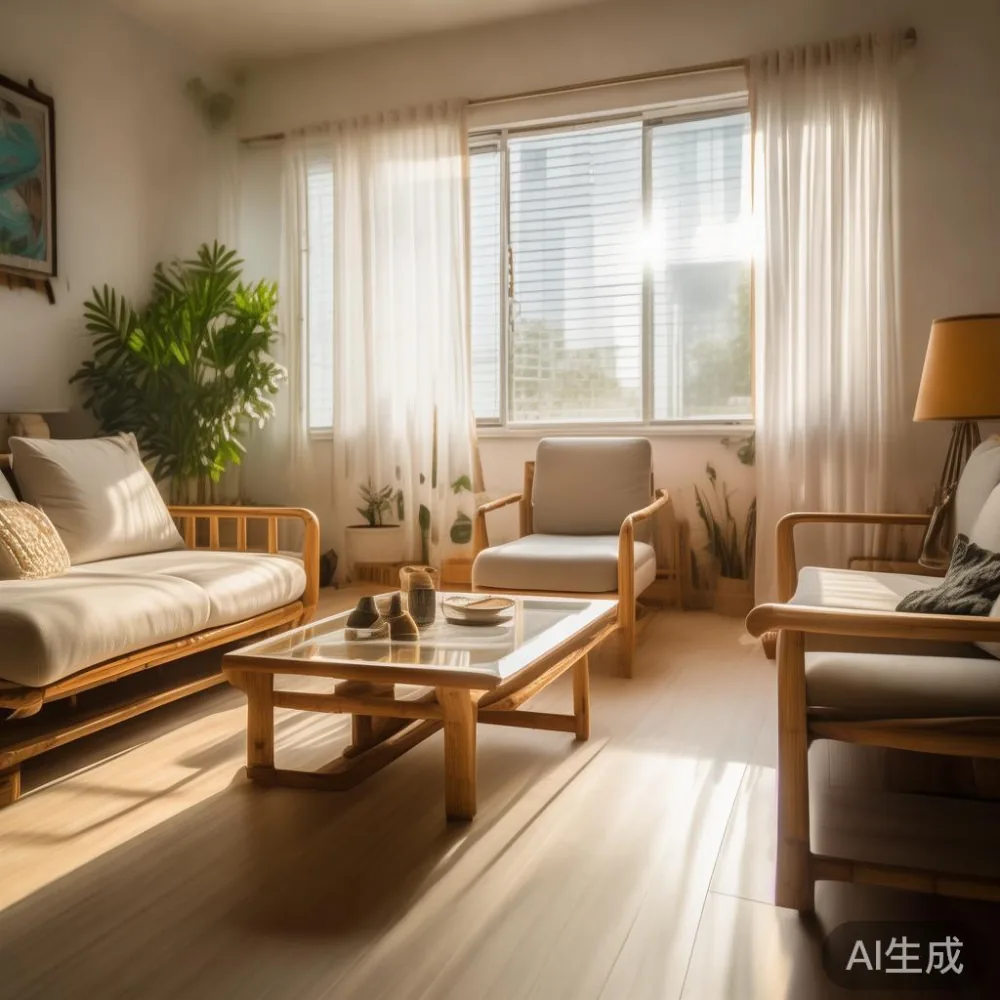
Bamboo furniture responds to moisture in a related way. Laminated bamboo panels can swell, soften or show fine surface lines when exposed to persistent dampness. Bamboo is naturally suited to Southeast Asian conditions, but “bamboo” is not a licence to leave furniture outdoors or beside a leaking window. Its dense strands still need sensible protection from standing water, trapped humidity and prolonged condensation.
How humid air affects bamboo furniture
Bamboo furniture is often chosen for its clean lines and warm colour, especially for a dining table, compact nightstand or open shelving in a Punggol apartment. Laminated bamboo is less vulnerable to the large seasonal movement seen in some solid timber, yet it can react quickly to direct water, steam and poorly ventilated corners.
For bamboo furniture, keep it at least 30 cm away from an open window during heavy rain and 60 cm from an air-conditioning vent. Do not place it against a cold shower wall or behind a laundry machine where damp air accumulates. A useful interior target is around 40–65% relative humidity where practical, with short ventilation periods after cooking, bathing and laundry.
Clean laminated bamboo with a soft, damp cloth and wipe it dry within 10 minutes. Avoid a soaking cloth, steam mops and abrasive pads. If a joint begins to feel soft or a surface develops a pale water mark, reduce exposure and allow the panel to dry naturally. Outdoor-rated bamboo furniture should still be moved under cover during monsoon storms; furniture designed for a balcony is not automatically suitable for constant rain.
For buyers comparing natural finishes, note that a clear-coated bamboo dining table and an oil-finished solid wood dining table require different care. A film finish can usually tolerate brief damp wiping more readily, while an oil finish must be protected from water. Always follow the care instructions supplied with the specific product.
What changes should be normal in a solid wood dining table or bed frame?
Singapore’s HDB and condo interiors often have narrow lift and corridor dimensions. A boxed dining table may fit a 900 mm common lift but have very little clearance in a 1,000 mm private corridor. Before delivery, record the tabletop dimensions, packed carton size and route rather than relying on a general delivery estimate. A 180 cm table that ships in two cartons should still be checked at the stair turn, and the assembly area should provide about 2 square metres.
Once a solid wood dining table arrives, leave it in its room for 48–72 hours if the package is sealed, or 7–14 days if the maker recommends longer acclimatisation. Remove the wrapping progressively so the wood is not trapped in a humid pocket. Keep the table 15–30 cm from a wall where possible, allowing air to circulate behind it. Do not place hot pots directly on the surface; use a trivet and maintain a gap of roughly 10 cm from a steaming rice cooker.
A solid wood bed frame should be checked every 4–6 weeks during the first 6 months. Pay attention to the joint between the headboard and side rails, not just the centre span. A normal dry-season gap of less than 3 mm can appear at a panel edge. A wider, irregular gap, a persistent squeak or a rail that visibly twists should be reported before finish damage develops.
The same principles apply to a solid wood sofa, wardrobe and nightstand. Keep sofa cushions away from a misting balcony door, position wardrobe away from a bathroom wall and leave 10–15 cm around a nightstand if ventilation is restricted. For a marble table, humidity is less likely to change the stone itself, but moisture can affect the supporting timber, sealant, metal fittings and adjacent cabinetry.
How should you care for furniture in a Tampines, Bedok or Punggol home?
Start with the room rather than the furniture. Use a hygrometer costing about SGD 15–30 to check a representative indoor area. Place it at 100 cm above the floor and away from windows, vents and bathroom doors. Read it at the same time on a weekday morning and evening. If readings remain above 70% for several hours, improve airflow or address the moisture source.
In HDB flats, afternoon ventilation for 20–30 minutes can be useful, but open only the windows that are sheltered and safe. In Punggol, check whether balcony doors are frequently left open during showers; in Bedok, look for condensation around metal frames; in Tampines, consider the gap between furniture and a shared wall that may remain warm and damp. Dehumidifiers are most effective in enclosed rooms, not open corridors. A compact unit can reduce visible moisture in a bedroom, but it should not be treated as a substitute for repairing a leak.
For daily care, dust with a dry microfibre cloth and clean spills promptly. Use a lightly damp cloth for most finished surfaces, then dry immediately. Maintain a distance of at least 60 cm from an air-conditioning outlet because repeated cooling and reheating can dry lacquer or oil finishes. Avoid silicone-based sprays, bathroom cleaners and ammonia products unless the finish supplier explicitly permits them.
Re-oil a natural solid wood dining table, bed frame or nightstand every 12–24 months, depending on use and sunlight exposure. Test the product on an unseen 5 cm square and allow 24 hours before treating the full surface. Do not apply oil to a lacquered or wax-coated panel unless directed. Furniture near a window with strong afternoon sun may need inspection every 6 months rather than once a year.
Are expensive solid wood pieces safer in humid weather?
Price alone does not make furniture moisture-resistant. A well-designed solid wood sofa with stable joinery and an appropriate finish can perform well in Singapore, while a poorly constructed or unusually vulnerable panel can move even at a modest price. Judge the construction: look for tight joints, balanced grain, sound drawer runners, properly fitted door frames and finishes suited to the intended room.
Light-luxury design should also be judged through proportion and material restraint. French light luxury, American light luxury and post-modern light luxury can all work in Singapore when pale upholstery, warm timber and gentle curves are controlled rather than crowded. A MIDHILL French provincial sofa can complement a neutral HDB living room, but it should not sit against a persistently damp balcony wall.
Buyers searching for the top 10 French provincial furniture pieces should examine frame stability, finish quality and humidity suitability, not merely decorative detail. Similarly, a European sofa vs French provincial sofa comparison is more useful when it includes seat-frame construction and clearance from exterior walls. If a low Japanese-style profile is preferred, a guide to how to style Japanese sofa in room can help with scale: allow at least 75 cm behind the sofa, 90 cm at the front and 40 cm beside a table. Japanese sofa vs Modern sofa choices often differ in depth and comfort, but neither should block ventilation.
For lower-cost browsing, cheap Mid-century modern furniture can reveal why solid timber construction varies widely. Inspect the underside, drawer sides and fasteners. A lightweight piece with particleboard hidden beneath veneer deserves greater caution in humid conditions than a properly joined solid wood piece.
How can I compare materials before ordering?
Write down the room’s humidity range, sun exposure and ventilation before choosing furniture. Solid wood is attractive where durability and repairability matter, while laminated bamboo furniture can suit a bright dining zone if kept dry and ventilated. A solid wood sofa should have removable, washable covers where possible. A bed frame should have connections that allow small seasonal movement. A dining table benefits from an underside finished with the same care as the top, and a wardrobe needs enough clearance from a wet wall.
Check delivery timing carefully in SGD terms. MIDHILL offers free shipping for orders above US$350, but the buyer should confirm whether that international threshold, currency conversion and final tax or freight arrangement applies to the destination. Singapore orders can involve GST at 9%; confirm the quoted total and whether it includes GST, delivery and lift booking. Allow 7–14 days for standard production and delivery, plus roughly 1–3 days for a scheduled HDB lift or a condo concierge handover.
Measure before the carton arrives. Common HDB lift doors are around 900 mm wide, while many condo service lifts measure roughly 1,000–1,100 mm. A 200 cm wardrobe carton may require turning at the corridor; ask for the packed dimensions rather than the assembled dimensions. Delivery staff should not force a package that cannot pass safely.
At MIDHILL, every order is tied to a 10-year structural warranty, and lifetime refinishing is available under the stated policy. The 14-day return period also gives buyers time to assess a piece indoors, provided it remains in acceptable condition and is properly protected. These provisions help with long-term confidence, but they do not replace sensible humidity control.
What does a careful humid-climate maintenance plan look like?
A practical schedule is simple. Check the hygrometer weekly for the first month, then monthly. Inspect solid wood edges and joints every 3 months during the first year. Clean bamboo furniture immediately after spills, and never leave wet cloths on a surface overnight. Check silicone and rubber seals around balcony doors twice a year, especially before the November–January monsoon period.
Rotate small accessories so one side of a nightstand does not stay darker or wetter. Keep indoor plants on trays and away from timber feet. Do not stack freshly washed bedding directly against a wardrobe side. Leave the solid wood bed frame’s headboard area clear of curtains that trap moisture.
Move furniture rather than trying to correct severe dampness with a stronger finish. If a dining table sits beside a frequently misted sliding door, relocate it at least 60 cm into the room. If a wardrobe is pressed against a shower wall, create a 20–30 cm ventilated gap where building rules permit. For a marble table, inspect the base and fixings for staining or looseness every 6 months.
I tested one of our oil-finished solid wood dining tables last month in a humid Bedok studio with a west-facing window. I recorded indoor humidity at 72–86% during wet evenings and 48–57% during air-conditioned afternoons. Over 4 weeks, the panel edges moved by approximately 2–4 mm, then stabilised after the room was ventilated for 30 minutes each evening. The key observation was not that the timber changed, but that controlled airflow reduced the rate of change. A nearby bamboo furniture stool showed no swelling, although a water ring appeared after 15 minutes of condensation and disappeared once the surface was dried and lightly treated according to its finish guidance.
The aim is not to make wood behave like glass. It is to limit sudden moisture exposure, allow stable movement and respond before minor changes become finish damage. That approach protects a solid wood sofa, bed frame, dining table, wardrobe, nightstand or marble table while preserving the warmth and tactile character that make well-made furniture worth keeping.