Tropical Care Guide: Lacquered Bamboo Furniture for Singapore Homes
Singapore’s warmth and humidity can be hard on furniture finishes. Sunlight, condensation, kitchen vapour, salty air and frequent cleaning can make lacquer dull, hazy or sticky sooner than expected. The answer is not to avoid lacquered bamboo furniture; it is to build a sensible care routine around the finish, the room and the way the household actually uses the piece.
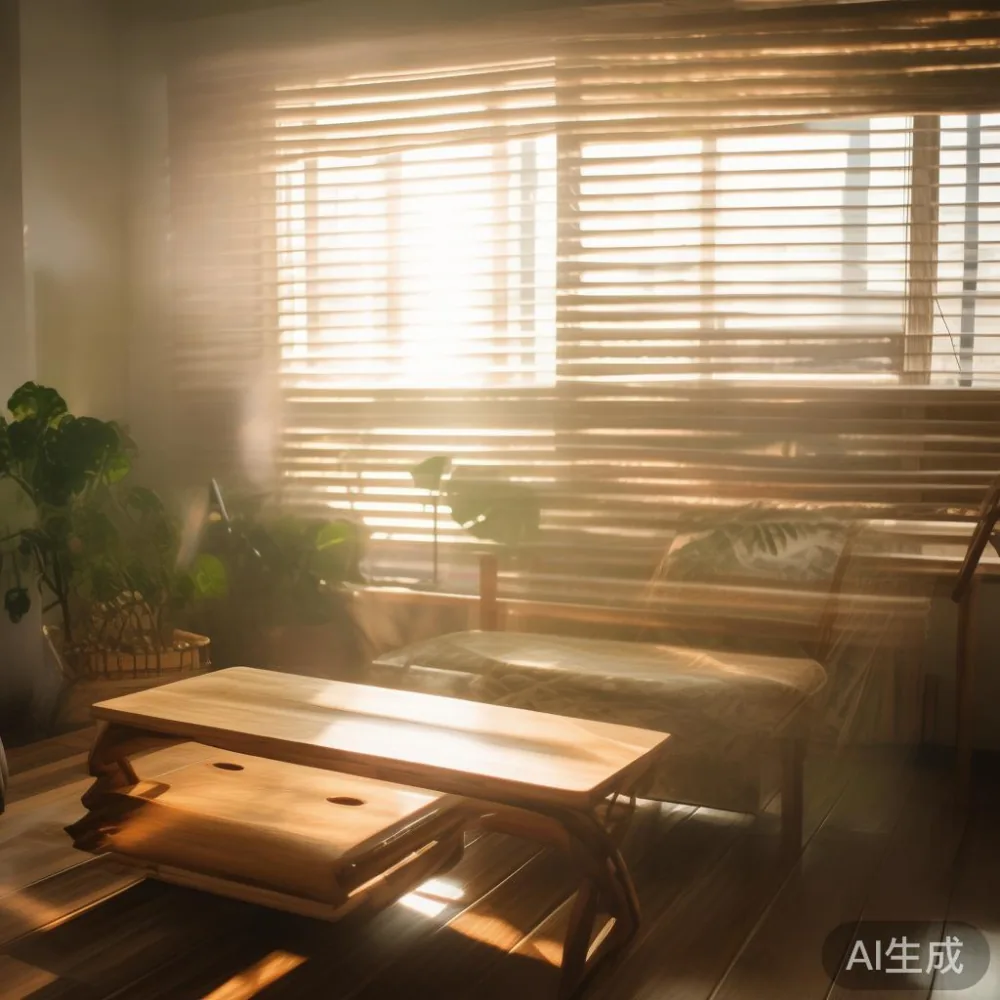
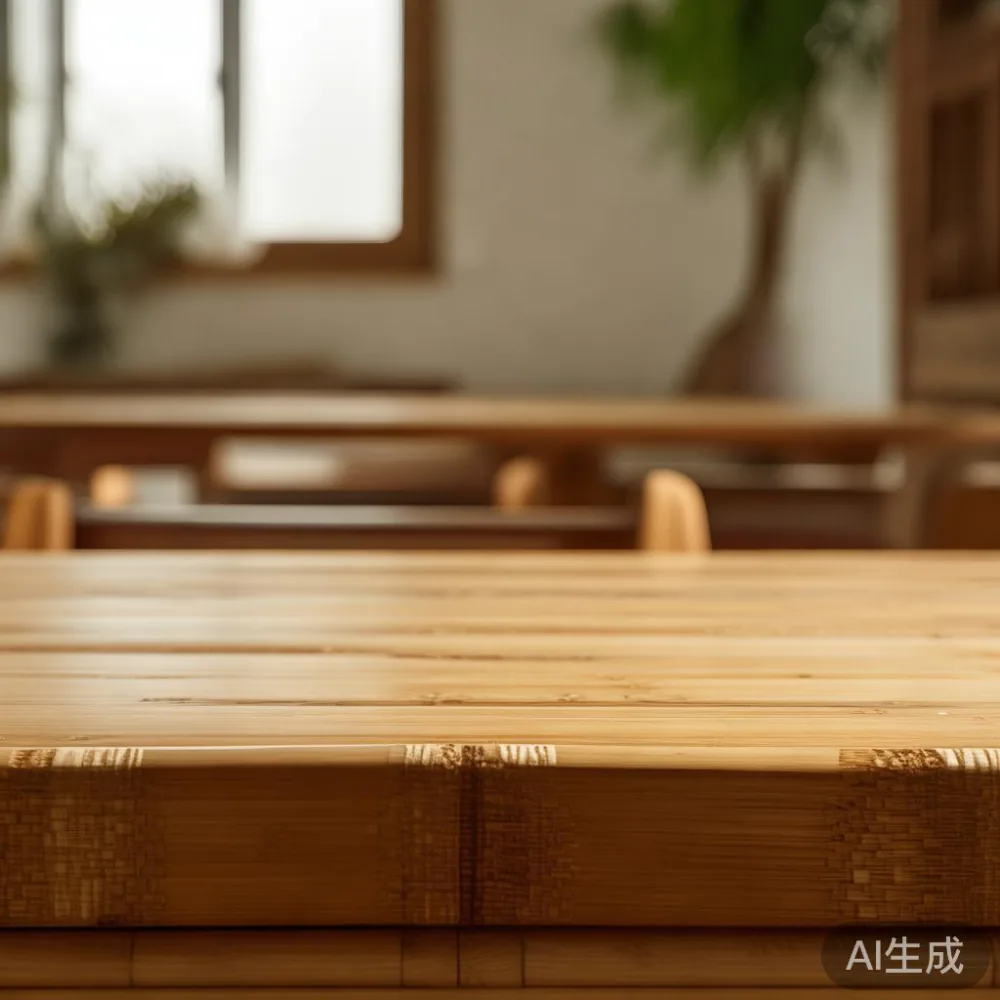
I tested one of our lacquered bamboo dining tables last month in a Tampines HDB flat with east-facing windows. The table stood 180 cm long, 90 cm wide and 75 cm high, with a natural bamboo frame and a clear satin lacquer. I wiped it daily for 31 days with a damp cloth, kept the air-conditioner at 24°C and moved a bowl of iced water across the top. The finish remained smooth, with no visible clouding or swelling at the end of the test.
This guide explains how to protect lacquered bamboo furniture in HDB flats and condos across Tampines, Bedok, Punggol and other Singapore neighbourhoods. It also covers delivery planning, because lifts and narrow corridors can matter as much as humidity when a large piece enters the home.
Why Does Lacquer Behave Differently in Singapore?
Relative humidity in Singapore commonly sits between 60% and 85%, while indoor surfaces can heat up quickly below a window or beside a west-facing wall. Lacquer is normally a cured surface coating rather than bare bamboo, but it still responds to temperature, moisture and abrasion. A humid cabinet can absorb moisture around its edges; a glossy dining table can collect fingerprints; and a lacquered wardrobe near a bathroom may develop a faint haze that people often mistake for permanent damage.
The goal is controlled care. Wipe spills promptly, keep standing water away from edges and maintain the lacquer according to its type. If the finish is water-based, avoid saturating it. If it is solvent-based or factory-cured, follow the supplier’s instructions because aggressive cleaners may soften it. A low-cost hygrometer placed in the room is useful: readings around 50% to 65% are comfortable for most wooden and lacquered pieces, and a dehumidifier can help in persistently damp rooms.
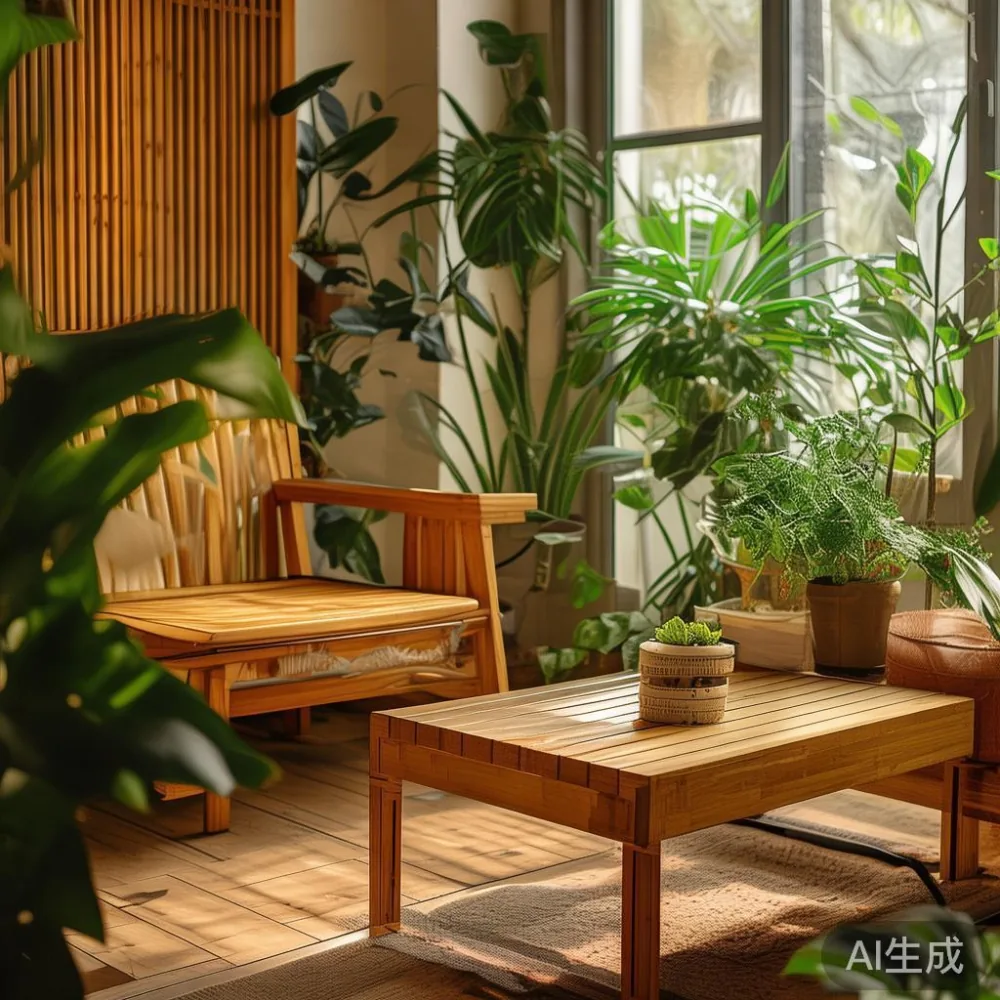
Choose placement carefully. Keep bamboo furniture at least 30 cm from an air-conditioner outlet, 60 cm from a bathroom doorway and 45 cm from a window if possible. Use blinds or curtains to limit direct afternoon sun. In an HDB flat where the dining area shares a wall with the kitchen, a table position away from the cooker hood will reduce grease and steam exposure.
What Is the Correct Way to Clean a Lacquered Surface?
For routine cleaning, use a soft microfibre cloth, a bowl of lukewarm water and a small amount of mild dish soap. Mix about 1 teaspoon of soap with 500 ml of water. Wring the cloth until it is merely damp, then wipe in the direction of the grain or along the length of the panel. Dry with a clean cotton cloth. Never leave a wet patch sitting on the lacquer.
Do not use abrasive pads, wire wool, scouring powder or standard alcohol wipes. Avoid ammonia, bleach, concentrated disinfectant, furniture polish containing silicone and oil-based products unless the manufacturer explicitly approves them. Silicone can create a temporary shine but may make later refinishing more difficult; oil can leave a greasy film that attracts dust.
Spills need different speeds. Water should be lifted within 5 minutes. Coffee, tea, red wine and soy sauce should be lifted within 10 minutes. Use a clean cloth rather than scrubbing. If a mark remains, test a barely damp soapy cloth on a hidden underside first. Wait at least 24 hours before trying any approved specialist cleaner, and never test multiple chemicals on the same spot.
For daily care in a family home, a 30-second wipe after dinner is usually enough. A more thorough clean every 7 to 14 days is suitable for dining tables, nightstands and other frequently touched surfaces. High-use pieces may need closer attention around handles, drawer fronts and table edges.
How Should I Protect Lacquered Bamboo Furniture from Heat and Humidity?
Heat opens pores and can soften some lacquer films. Place a trivet under a hot pan, a coaster under a warm mug and a felt pad beneath decorative objects. A 15 cm trivet gives a safer buffer than a narrow 8 cm ring. Do not leave a paper shopping bag, cardboard box or folded newspaper directly on the surface for more than 2 hours; trapped moisture and pigment can leave impressions.
Ventilation is equally important. After a shower, close the bathroom door and run the exhaust fan for 20 to 30 minutes. In a compact condo, use the air-conditioner’s dry mode for 45 minutes after periods of heavy rain, provided the unit and building management allow it. Keep lacquered storage furniture away from air-conditioning vents because rapid airflow can dry one edge more quickly than another.
For a bed frame, wardrobe or dining table, move the piece several centimetres away from walls if air cannot circulate behind it. This applies particularly to pieces assembled beside a sunroom or balcony door. Check silicone or rubber feet monthly because trapped moisture beneath a foot can dull the finish or encourage mould around the base.
Bamboo furniture still requires sensible acclimatisation. New pieces should remain in a dry, ventilated room for at least 48 hours before use. After delivery, leave expansion space where instructions specify it, usually 2 to 5 cm behind a wardrobe. Avoid fitting a large lacquered wardrobe tightly into an alcove designed for a different product.
How Do I Remove Small Marks Without Damaging the Lacquer?
Light marks should be treated gently. A soft cloth with a little mild soap removes most dust and water marks. For an accidental scuff from a suitcase or chair leg, rub along the grain with a clean, barely damp cloth rather than applying pressure. Do not use a magic eraser on lacquer; its abrasive surface may create pale patches that are harder to repair.
Fingerprint oils can build up on a glossy lacquer table. A microfibre cloth lightly dampened with soapy water will usually lift them. Dry the surface immediately. If the lacquer has a matt finish, buffing can change its appearance, so work by feel and stop if the cloth begins to drag.
For deeper scratches, stop trying household products. A lacquer repair kit may help with small chips, but colour matching depends on the exact sheen and bamboo tone. For valuable or large pieces, a specialist repairer can inspect the affected area and recommend a local touch-up. Keep the product’s finish sample and care instructions; they may show whether the coating is gloss, satin or matt.
Everyday felt pads are more reliable than aggressive repairs. Replace felt pads every 6 months on dining chairs, nightstands and other frequently moved items. This protects both the lacquer and adjacent walls. Avoid cheap unprotected rubber feet, which can leave black rings or stain a pale surface.
Will a Lacquered Dining Table Suit an HDB Flat?
A lacquered dining table can suit an HDB flat when its scale matches the eating zone. In Singapore, a table for 4 people often measures 120 cm by 70 cm to 140 cm by 80 cm. Larger households may choose 160 cm by 90 cm, but circulation around it becomes tighter. In a compact Tampines or Bedok flat, a 120 cm by 70 cm table with chairs tucked in leaves approximately 75 cm of movement space along the main side when the room allows it.
Measure the route before ordering, not just the room. A standard HDB lift interior may be about 110 cm deep and 140 cm wide at the doorway, although individual blocks vary. A dining table top may fit diagonally while the base does not, so confirm whether the product can be disassembled. A corridor turn can require a clearance below 120 cm. Photograph doorways, lift doors and corners, then add 10 cm of working margin.
Long products also need time and planning. MIDHILL can deliver to Singapore addresses in roughly 7 to 14 delivery days after dispatch, subject to stock and customs clearance. A large wardrobe may need 2 delivery staff and 30 to 60 minutes to move from the corridor to its final position. Check whether the building has a loading bay reservation, lift booking system or protected flooring requirements. A lift booking made 3 days ahead gives the team more flexibility.
The purchase price shown online may exclude 9% GST. A table priced at SGD 1,280 becomes SGD 1,395.20 with GST. Use the final invoice for budgeting, including delivery, installation and any stair-carry charges confirmed before the visit.
How Do I Care for a Solid Wood Sofa and Bed Frame Near a Balcony?
A solid wood sofa benefits from the same humidity discipline as lacquered bamboo pieces, although its joints and finish may respond differently. Keep it 45 cm from an open balcony door and 30 cm from an air-conditioner outlet. Vacuum the frame and removable covers every 7 days, using a brush attachment around slats and joints. Avoid steam-cleaning lacquered timber, because vapour can force moisture beneath the finish.
For a solid wood sofa or bed frame, inspect the connection points every 6 months. Tighten bolts by hand if needed, but do not overtighten them. A loose joint should be addressed before a crack appears at the joint. Keep the product level; uneven legs can twist the frame and place extra stress on lacquered edges. Felt pads under all legs also prevent floor scratches.
A lacquered bed frame should be kept away from damp linen and bedding. If the frame has slats, allow air to move between them and do not stack heavy boxes on the top rail. Mattress supports should follow the maker’s spacing instructions; unsupported spans can create noise and movement over time.
The same restraint applies to wardrobes. A lacquered wardrobe in a Punggol condo with a nearby balcony needs stable humidity and spacing from curtains that may brush the doors. Open the doors for 10 minutes every few days so air can circulate inside. In very humid conditions, run the bedroom air-conditioner in dry mode for 30 to 45 minutes rather than relying on windows alone.
Which Care Products and Fabrics Work Best?
Keep the care kit small: 2 microfibre cloths, 1 soft cotton cloth, mild dish soap, a soft brush, felt pads and a hygrometer. A separate clean cloth should be used for the final dry pass. Launder cloths without fabric softener, as residue can leave a film on lacquer.
Thin place mats are useful on a dining table, but they must be changed after hot dishes or spills. A plastic-backed mat can trap moisture against the lacquer, so lift it when the table is not in use. Coasters should sit under bottles and damp objects. A linen runner adds warmth without becoming an abrasive layer.
For smaller Singapore homes, finish and scale should be considered together. A European light luxury TV console with closed storage can keep remotes and cables out of sight, while a solid wood sofa with a restrained profile may preserve circulation in a 35 m² living room. The phrase Boho for small living room often brings to mind layered textiles and plants, but a humid environment requires materials that can be cleaned easily.
Textiles should be removed before washing according to their own label. Cotton or linen covers can usually be washed at 30°C if the care label permits, then dried fully before returning them to the frame. Avoid fabric softener on removable covers because it can increase dust attraction. For a Mid-century modern accent chair, use a seat pad that can be wiped and a protective barrier between the chair and a wet balcony wall.
Some shopping terms can encourage unrealistic expectations. A European light luxury bed vs Mid-century modern bed comparison may focus on lines and storage, yet both still need moisture control in Singapore. Under 2000 Minimalist furniture may be practical for first homes, but the finish specification should be checked just as closely as the style. For a guest room, Minimalist for guest room layouts often need only 1 chair, 1 nightstand and 1 wall hook, reducing the number of surfaces exposed to humidity.
Can a Damaged Lacquered Finish Be Refinished?
Small surface marks often disappear with careful cleaning, while deeper scratches may require professional attention. A peeling or bubbling area is a different matter because moisture has probably reached the coating. Stop using oils or waxes over the damaged patch. Keep the room around the furniture dry and photograph the affected area in daylight before arranging a repair assessment.
Major lacquer failure is uncommon when temperature, cleaning and humidity are controlled. It can happen around an exposed edge, a chemical spill or a prolonged contact with water. If a wardrobe has swollen doors, identify whether the movement is in the lacquer, the bamboo substrate or the hinge alignment. A door that catches may need adjustment rather than a full refinishing job.
MIDHILL provides a 10-year structural warranty on eligible products and lifetime refinishing support. These terms are separate from ordinary lacquer care: a structural warranty covers qualifying defects in the product’s construction, while refinishing support depends on the finish and the nature of the damage. Read the warranty document for exclusions, proof-of-purchase requirements and Singapore service procedures before assuming any cosmetic issue is included.
For customers comparing lacquered bamboo furniture with marble table options, remember that marble tolerates humidity differently but can etch through acid and react to heat. A lacquered bamboo dining table offers a warmer surface, yet it needs a dry cloth and protective coasters. The correct choice is the one matched to your habits, not simply the one with the least demanding care instructions.
How Often Should I Check the Finish in a Condo or HDB Flat?
Create a 10-minute monthly check. Look at lacquered edges near windows, inspect table corners, wipe coasters and felt pads, and check the backs of cabinets for moisture. In a home near the coast or one that frequently experiences monsoon rain, inspect monthly throughout the year rather than changing the routine with the weather.
Every 3 months, test the humidity reading near large furniture. Every 6 months, tighten bed-frame and sofa connections, renew felt pads and inspect any external lacquer changes under daylight. Every year, review the care method with the finish supplier, particularly if cleaners have changed or new household products are stored near the furniture.
Preventive care is inexpensive compared with replacing a damaged table or wardrobe. Use coasters, remove standing water, clean promptly and give the finish stable conditions. A well-maintained lacquered bamboo table can remain presentable through years of humid days, shared meals and everyday use.