Humidity and Wood Furniture in Southeast Asia: A Buyer's Guide for Singapore Homes
Last month I visited a friend's new 4-room HDB flat in Punggol, and the first thing she showed me was not the kitchen or the view. It was a hairline crack running along the top panel of her six-month-old dining table. The table had been promoted as solid wood, but three months of nightly rain and an air-conditioner that ran only in the bedrooms had pulled the panel into a gentle U-shape. She had spent SGD 1,650 on it. That single afternoon is what pushed me to write this guide for anyone buying solid wood sofa frames, bed frames, dining tables, wardrobes, nightstands, or marble table pieces for a Singapore home.
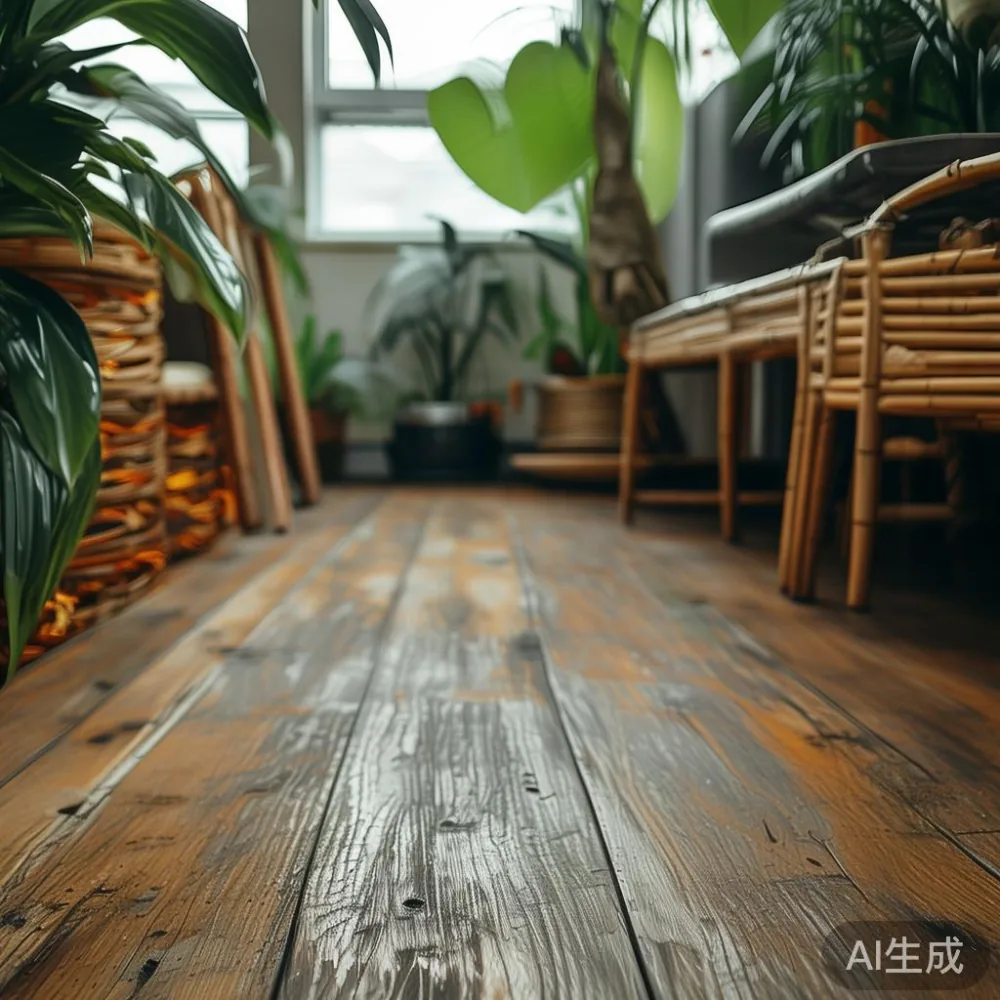
Singapore sits on the equator. The mean relative humidity hovers between 78% and 86% for most of the year, and indoor humidity in a typical Tampines or Bedok condo without a dehumidifier regularly hits 75% at 2 a.m. Pair that with afternoon thunderstorms that dump 25 mm of rain in an hour, lift widths of roughly 110 cm in most HDB blocks, and a corridor clearance of about 120 cm before the stairhead, and the engineering problem becomes concrete. Your furniture has to fit the building, survive the climate, and still look like something from a French light luxury showroom.
Why does humidity in Southeast Asia damage wood furniture so quickly?
Wood is hygroscopic. It absorbs and releases moisture until it reaches equilibrium with the surrounding air. A solid teak plank cut and kiln-dried to 8% moisture content in Foshan arrives in a Singapore container at roughly 9 to 10%. Once unpacked into a room at 80% RH, the same plank slowly climbs toward 16 to 18% moisture content. That 8 to 10 percentage point swing is enough to make a 200 cm dining table top expand by 4 to 6 mm across its width. Over twelve months of wet and dry cycles, that expansion turns into cupping, checking, and the kind of crack my friend found in Punggol.
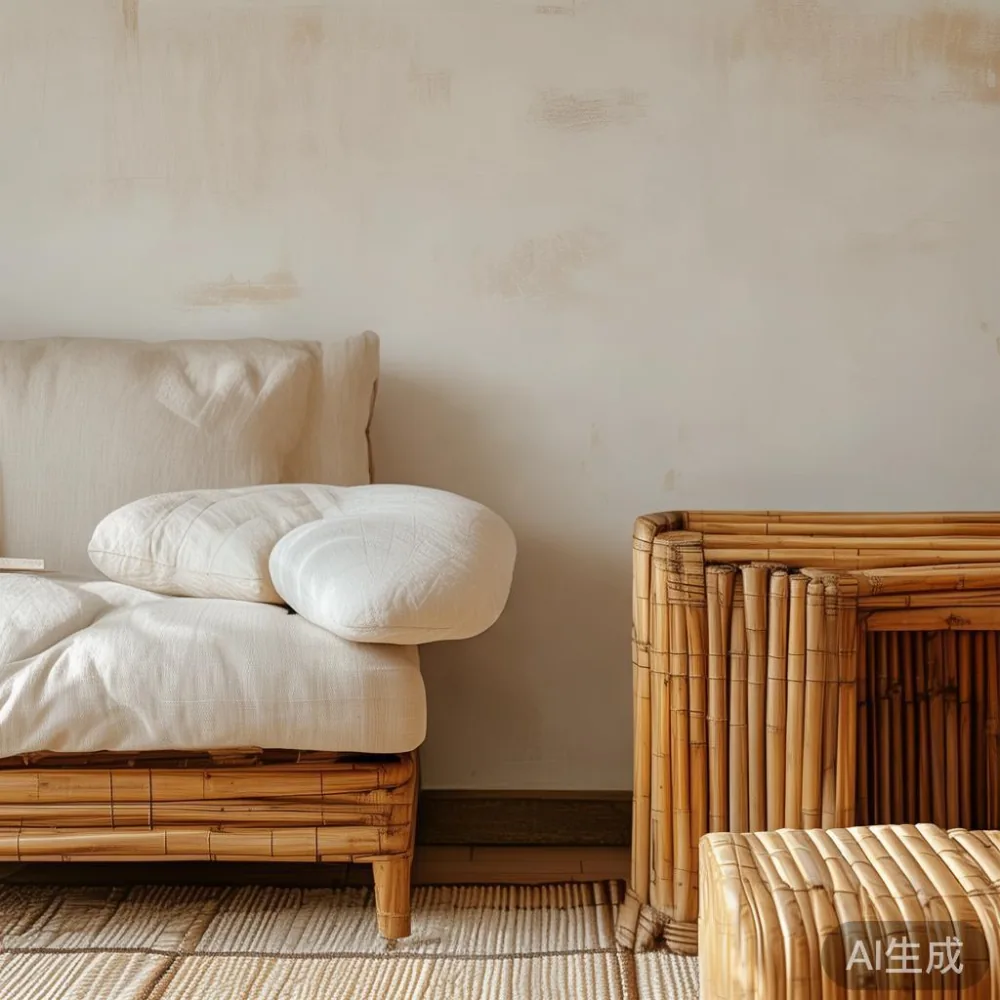
Engineered boards with thin veneers react differently. A 0.6 mm oak face veneer over an MDF core can de-laminate within two monsoon seasons if the glue line is not marine-grade. Even bamboo furniture, which is often marketed as tropical-proof, is not immune. Strand-woven bamboo strands are bound with resin, and resin softens when indoor temperatures cross 32°C and humidity crosses 80%. The strands swell, the binding stretches, and a bamboo chair that felt rock-solid in the showroom can wobble by month nine.
Is French loveseat furniture worth it?
Yes, French loveseat furniture is worth it for Singapore apartments, provided the frame is solid hardwood and the cushion cores are high-resilience foam wrapped in down alternative. A well-built French light luxury loveseat typically measures 145 to 160 cm wide, 85 cm deep, and 82 cm tall, which fits a standard HDB living room of 18 to 22 sqm without crowding the walkway to the balcony. The upholstery is usually a linen-cotton blend rated at 30,000 double rubs, and the legs are turned beech or ash with a 4 cm cross-section. The frame is kiln-dried to 10 to 12% moisture content before assembly, which means it arrives closer to Singapore's indoor equilibrium and moves less once installed.
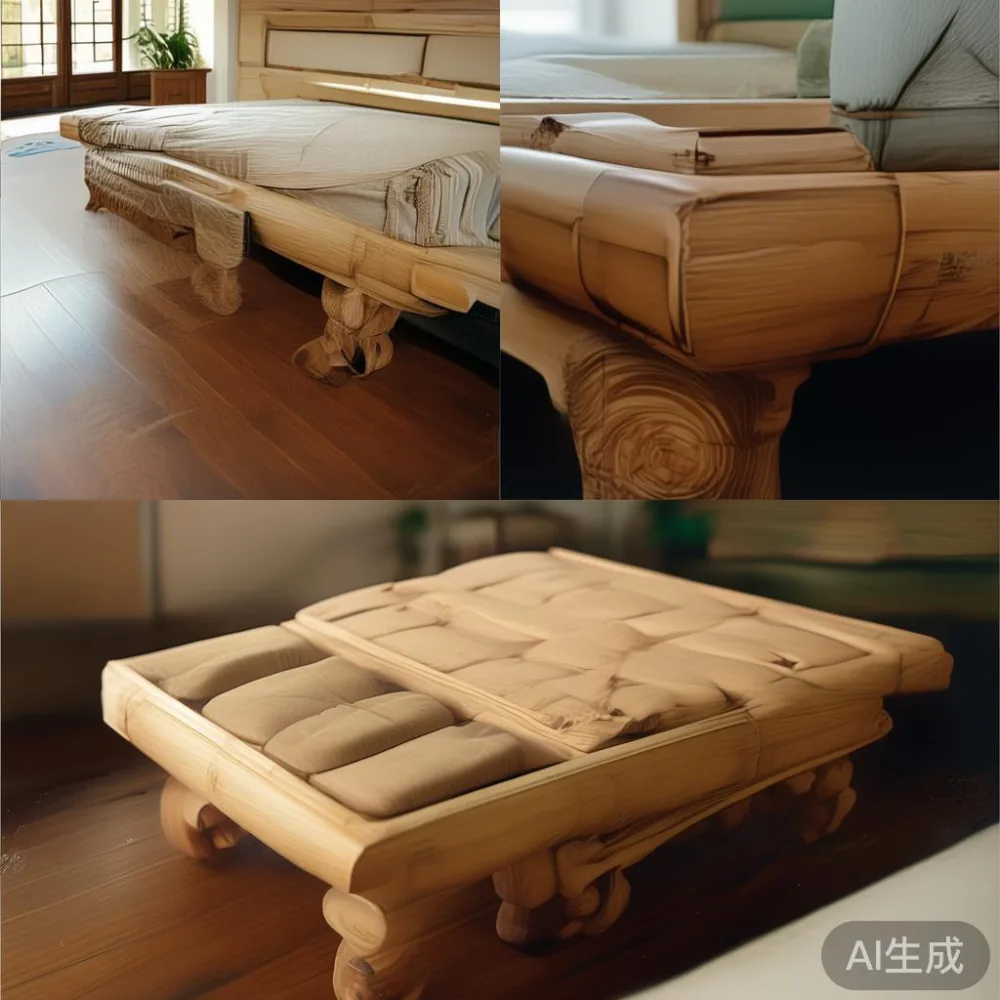
What makes a French loveseat different from a generic two-seater is the silhouette: a low rolled back, a tight seat, and exposed wood legs that show off the joinery. That silhouette only works if the wood is straight and stable. Cheap versions use rubberwood with a 2 mm veneer of walnut; the veneer checks within a year. A genuine French light luxury piece uses solid beech or solid ash throughout, with mortise-and-tenon corners and a corner-block glued and screwed from the inside. That construction, combined with a fabric treated for mildew resistance, is what justifies the SGD 1,400 to SGD 2,200 price band you will see at serious showrooms.
What should Singapore buyers check before a solid wood sofa or bed frame goes into the lift?
Three measurements matter before you fall in love with a piece online: the carton dimensions, the lift door opening, and the corridor turn radius. Most HDB passenger lifts in blocks built after 2010 have a door width of 90 cm and an internal cabin of about 135 cm deep by 160 cm wide, but the older blocks in Bedok and Toa Payoh sometimes narrow to 80 cm. A solid wood sofa with a 3-seater frame usually ships in two cartons of 180 cm by 95 cm by 65 cm. If the carton cannot stand on its long side inside the lift, the delivery team has to lay it flat, and that is when corner damage happens.
For a bed frame, the king-size variant measures 198 cm by 213 cm externally, and the headboard panel often ships in one piece at 210 cm by 110 cm. That panel will not fit through a standard HDB door of 90 cm by 210 cm on its side, so any serious supplier will split the headboard into two bolt-together sections. Ask before you pay. The same logic applies to a wardrobe over 180 cm tall: most Singapore corridors cannot accommodate a tipped wardrobe, so flat-pack construction with panels no taller than 195 cm is the practical limit.
Weight is the second issue. A solid teak dining table for six weighs between 65 kg and 90 kg. A marble table top in travertine or Carrara can hit 110 kg for a 160 cm round. Confirm that the supplier uses a two-man delivery team with a furniture dolly, and check whether stair carry charges apply for walk-up blocks. In Singapore, the average lift-up fee for a single bulky item on the fifth floor by stairs is SGD 35 to SGD 60 per floor per item.
How does Foshan manufacturing actually solve the humidity problem?
Foshan factories that export to Southeast Asia run their kilns longer and hotter than factories that ship to temperate markets. The standard European kiln schedule drops moisture content to 8% over three weeks; a Foshan factory shipping to Singapore, Kuala Lumpur, or Jakarta typically targets 10 to 12% over four weeks, then lets the boards rest in a humidity-controlled holding room for another seven to ten days before assembly. That rest period is the hidden step. It is the difference between a dining table that arrives stable and one that cups on day thirty-one.
Joinery matters as much as drying. Traditional Chinese cabinetry uses mortise-and-tenon with hide glue, which is reversible and tolerant of movement. Post-modern light luxury pieces, by contrast, use a combination of mortise-and-tenon, dowels, and confirmat screws, with a PVA or polyurethane glue line. The polyurethane line is more water-resistant and is the right choice for a Singapore kitchen or balcony-edge dining setup. When you tour a factory floor in Foshan, ask to see the glue pot. A pot that smells sharply of acetic acid is PVA; a heavier, sweeter smell signals polyurethane. For a bathroom-adjacent nightstand or a balcony wardrobe, polyurethane is the safer pick.
MIDHILL has run this Foshan schedule since opening its first workshop in 2008, and the factory's holding rooms hold boards at 70% RH for the rest week before any frame is assembled. That is one reason pieces from a long-established Foshan workshop behave differently from pieces assembled quickly from imported blanks. The other reason is finishing. A closed-pore finish with three coats of conversion varnish seals the wood against rapid moisture exchange. An open-pore oil finish breathes, looks beautiful, but moves more in the first year.
How should Singapore owners care for bamboo furniture and other solid pieces through the monsoon?
Three habits keep solid wood and bamboo furniture stable through a Singapore year. The first is a digital hygrometer on the wall near the largest piece in the room, ideally a dining table or wardrobe. Cost is SGD 18 to SGD 35 from any neighbourhood electronics shop. The second is a small dehumidifier set to 55% RH, sized to the room. A 12-litre Meaco or similar unit costs SGD 280 to SGD 380 and pulls enough moisture per day to keep a 20 sqm living room inside the safe band. The third is a six-monthly check of all moving parts: drawer runners, door hinges, and the bolt connecting a split headboard. A tube of beeswax and a 4 mm hex key handle 90% of adjustment needs.
For bamboo furniture specifically, avoid placing it directly under a window that faces west, where late-afternoon sun pushes surface temperatures above 45°C. The heat does not damage the bamboo itself, but it softens the resin binder and accelerates yellowing of the finish. A sheer curtain drops the surface temperature by 8 to 10°C and is enough protection. Wipe bamboo with a damp microfibre cloth weekly, never a soaked rag, and dry the surface within sixty seconds.
For marble table tops, the rule is the opposite of wood. Marble wants stability, so a coaster is mandatory for any cold drink and any hot mug. A marble top will etch from citric acid within thirty seconds, and the etch will not buff out without professional polishing. The good news is that marble does not move with humidity the way wood does, so once a marble table is on a stable wooden base, it stays put.
What about warranty, shipping, and the practical side of buying from Foshan direct?
Most Singapore buyers add 8% GST to the landed cost of any imported furniture, since the GST threshold for goods imported by air or sea is well below a single dining table. Reputable Foshan exporters ship CIF Singapore with insurance, so the buyer pays the table price, the shipping, and the GST, nothing else. A four-piece set (sofa, bed frame, dining table, nightstand) typically ships in one 40-foot container load shared with three other buyers, and the per-set shipping cost lands between SGD 180 and SGD 320 depending on volume.
Delivery from the Singapore port to a HDB flat takes 7 to 14 working days once customs clears the container, and customs clearance adds another 3 to 5 days for the paperwork. A serious supplier provides a tracking number at the factory gate and a second tracking number at the Singapore warehouse, so you always know where the container is. Free shipping over US$350 is the threshold to ask for, since a single solid wood bed frame in king size clears that bar on its own.
Warranty terms vary. The industry baseline is one year against manufacturing defects. A 10-year structural warranty on frames and joinery, paired with a lifetime refinishing service, is the mark of a maker confident in its kiln schedule and its glue lines. The lifetime refinishing offer is the more useful of the two in Singapore, because the surface takes more abuse from sun and humidity than the joints do. A sanding and re-oil every five to seven years keeps a solid teak dining table looking new for thirty years or more, and the cost is a fraction of replacement.
Returns are a separate question. A 14-day return window works for stocked items but rarely applies to made-to-order pieces, since the freight cost from Singapore back to Foshan can equal 40% of the piece's value. Measure twice, confirm the finish sample twice, and keep the carton for the first thirty days in case of damage that needs a swap rather than a repair.
Where does light luxury actually meet everyday Singapore living?
Light luxury is not a logo on a cushion. It is a joinery detail you can run your thumb across without catching a snag. It is a drawer that closes with a soft pull rather than a slam because the runners are rated to 45 kg and the bottom of the drawer is solid poplar ply rather than hollow-core MDF. It is a marble table with a 22 mm calibrated top, not a 12 mm slab that flexes when two people lean on it. A Post-modern fabric work from home desk in the same collection usually pairs a slim solid ash frame with a 25 mm quartz top, which gives the home office a calm, anchored feel that plastic and steel cannot match.
In a 65 sqm condo in Punggol or a 90 sqm unit in Tampines, that kind of restraint reads as expensive without shouting. The room feels lighter, the air feels calmer, and the furniture stops competing with the view. That is the test I now use in friends' homes: walk in, take a breath, and ask whether anything in the room feels like it is fighting the climate. If the answer is no, the furniture was built for this part of the world.
MIDHILL's light luxury line, anchored by a French light luxury silhouette and post-modern light luxury proportions, has been refined against exactly this question since the workshop opened in Foshan in 2008. Pieces ship to more than fifteen countries now, and the ones that end up in Singapore, Kuala Lumpur, and Bangkok carry the same kiln schedule and the same polyurethane glue line as the ones that end up in colder markets. The wood simply moves less on the equator when it starts life at 11% moisture content rather than 8%, and the joints stay tight because the glue never softens under Singapore indoor conditions. That is the quiet engineering behind every stable shelf and every un-cracked tabletop you have ever wondered about in a friend's home.