Bamboo Furniture: A 5-Year Cost Comparison Between Veneer and Solid Wood
Choosing furniture for a Singapore HDB flat or condo is rarely a simple price comparison. A 180 cm dining table may fit an open-plan kitchen, but a 220 cm solid wood version can become difficult to manoeuvre through a 90 cm doorway, around a tight corridor turn, or into an older lift. The material also affects maintenance, repairability, resale value, and how often the piece needs replacing. For buyers comparing bamboo furniture with engineered veneer panels, a practical five-year cost calculation is more useful than focusing only on the invoice.
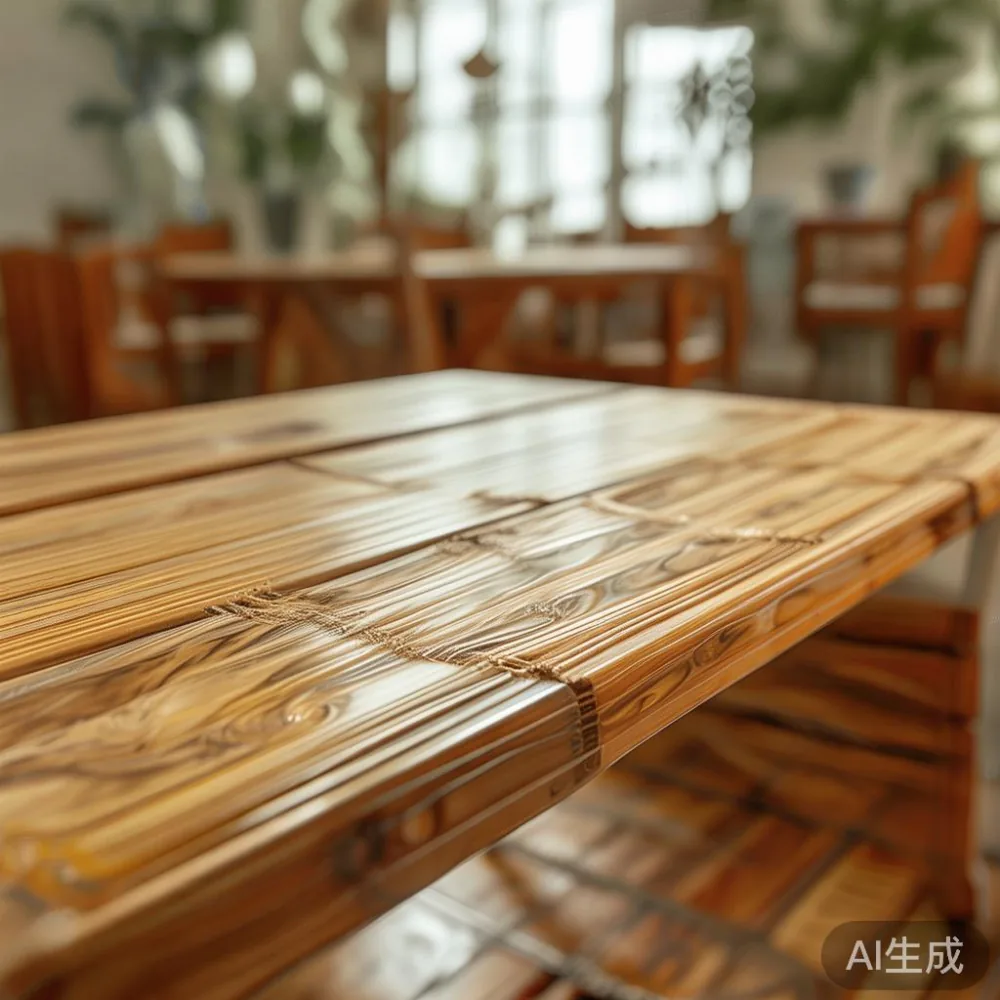
MIDHILL makes solid wood furniture in Foshan and has exported since 2008 to more than 15 countries. Its structural warranty runs for 10 years, while refinishing service is available for the lifetime of the product. These commitments matter in Singapore, where humidity, frequent moving, and compact urban homes can shorten the practical life of lower-cost furniture. For bamboo furniture specifically, the same disciplined cost comparison can show whether a lighter renewable material or a hardwood construction produces the lower five-year ownership cost.
What does a fair 5-year furniture cost comparison look like?
A fair comparison includes more than purchase price and GST. Add delivery, assembly, consumables, maintenance, repair, and expected resale or disposal value. In Singapore, a 9% GST applies to most new furniture purchases, so the calculation should use the full amount payable. Delivery to a standard HDB address may take 7 to 14 working days, while a condo with a loading bay or lift booking can require an additional 3 to 5 days.
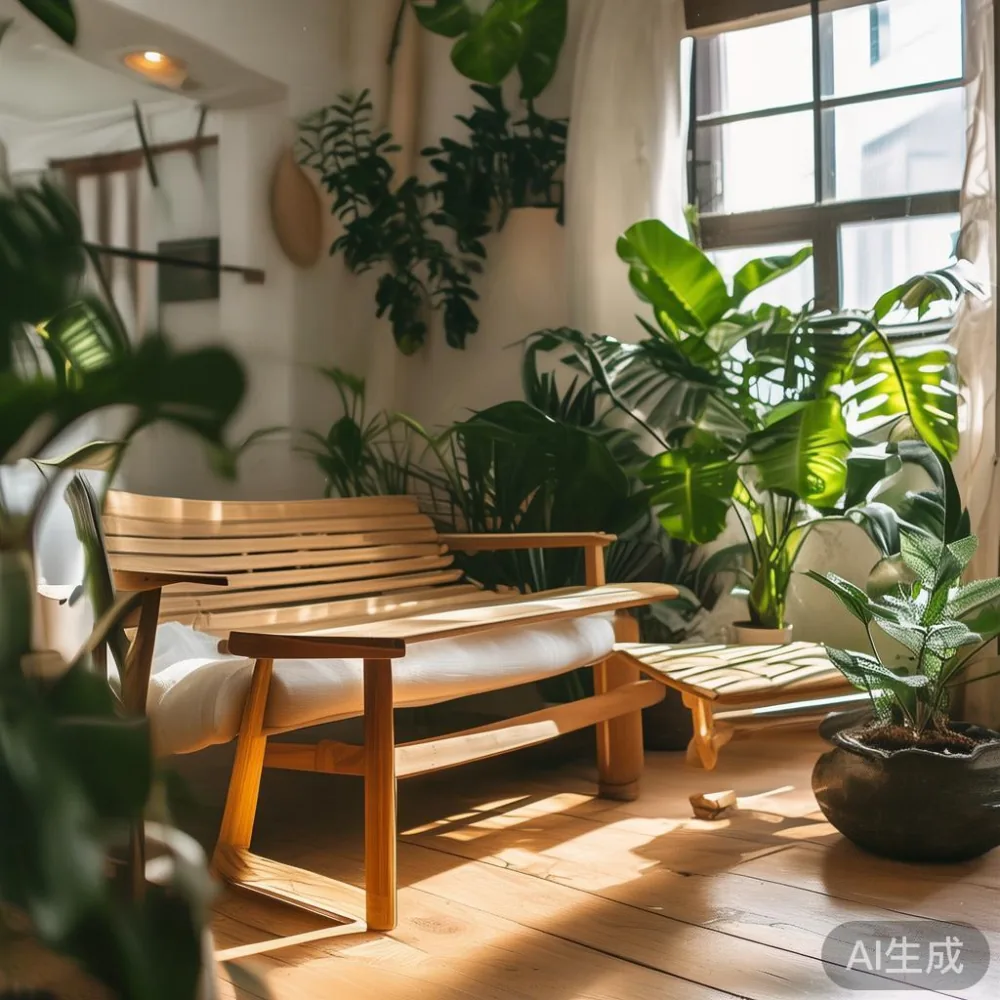
For this exercise, compare one 180 × 90 cm dining table, one 150 cm solid wood sofa, one 150 × 200 cm bed frame, one 120 cm wardrobe, and one 45 cm nightstand. The veneer set has an initial subtotal of SGD 2,850. The solid wood set has an initial subtotal of SGD 4,950. After 9% GST and estimated delivery, both scenarios land near the figures below.
The estimated values are representative planning figures rather than quotations. Actual costs vary with timber species, dimensions, access conditions, hardware, and finish. The important point is to apply the same period, assumptions, and household-use pattern to both material choices.
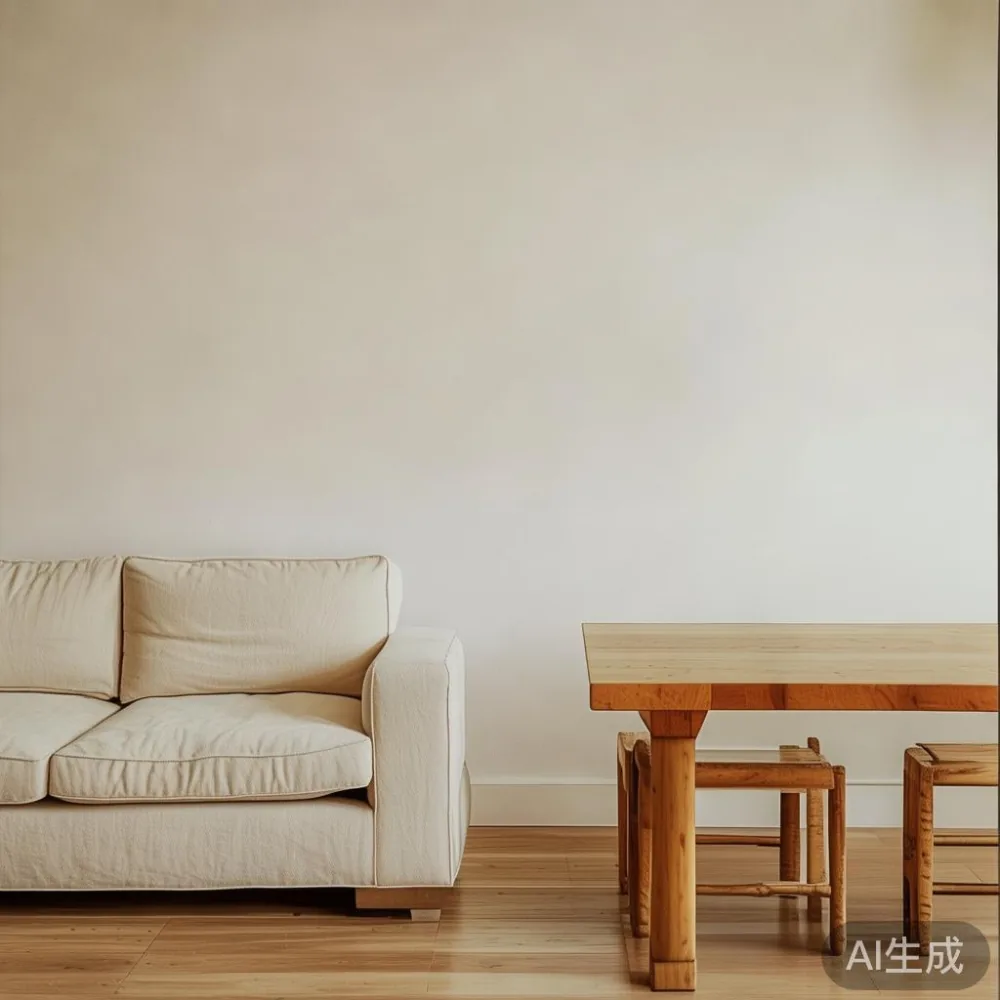
How much do veneer and solid wood furniture cost over 5 years?
For the sample set, the veneer option includes SGD 2,850 before GST, SGD 2,565 as the tax portion, SGD 210 for delivery and assembly, and SGD 285 for estimated five-year maintenance. This produces a gross five-year cost of SGD 3,345. After assigning a conservative residual value of SGD 300, the net cost is SGD 3,045.
The solid wood option includes SGD 4,950 before GST, SGD 4,455 as the tax portion, SGD 300 for delivery and assembly, and SGD 175 for maintenance. The gross five-year cost is SGD 5,425. A residual value of SGD 950 reduces the net cost to SGD 4,475.
On these numbers, solid wood costs SGD 1,430 more over five years, or about SGD 286 per year. That is the premium for a thicker repairable construction, stronger tactile character, and generally better retained value. It is not automatically the right answer for every home. A renter who expects to move after 3 years may value the lower initial outlay more, while a family keeping a dining table and bed frame for 15 to 20 years may obtain a better return from solid wood.
Is solid wood worth the higher price in a Singapore home?
Solid wood is worth considering when the piece is structural, frequently touched, or intended to stay in one home for many years. A solid wood sofa may be rebuilt when its webbing loosens, a solid wood bed frame may be sanded when a joint becomes uneven, and a solid wood dining table can be refinished after scratches. Veneer can also perform well when its substrate is sound and the paper or veneer skin remains intact. The difference lies in the repair path once the surface fails.
My colleague in the furniture trade showed me a 6-year-old dining table with a 10 cm section of veneer bubbling away from a moisture source. The tabletop had cost SGD 680 new, but replacing the sheet, matching the grain, and restoring the finish cost SGD 245 in labour and materials. During the same visit, a solid wood nightstand had two white marks, one swollen drawer runner, and a chipped corner. The marks were removed with a small abrasive pad, the runner replaced with a SGD 18 fitting, and the corner filled using a timber-matching patch. The repair cost was SGD 46, excluding the finish that MIDHILL can handle through its lifetime refinishing service.
Humidity deserves careful treatment. Singapore's outdoor relative humidity often ranges around 70% to 90%, but indoor conditions vary with ventilation and air-conditioning. Neither material should sit against a damp wall or beside a bathroom doorway. Solid wood can move by 2 to 5 mm across a 180 cm board as moisture changes, while good-quality veneer is engineered to move with its substrate. A warped panel is not automatically the fault of either material; stable indoor conditions and sound construction remain necessary.
Will veneer or solid wood work better with small HDB lifts and condo corridors?
Weight can decide the outcome before appearance does. A compact bamboo dining table might weigh 24 kg, while a comparable solid wood table weighs 68 kg. A 150 cm solid wood sofa can weigh between 75 and 95 kg, and a 150 × 200 cm solid wood bed frame may reach 58 to 74 kg. Veneered versions often weigh 35% to 50% less because the structural core uses thinner timber components or engineered panels.
That difference affects delivery teams. A common HDB lift interior is approximately 110 cm wide and 135 cm deep, although older blocks and newer configurations differ. A condo corridor may provide only 100 to 120 cm of clear width. If the packaged bed frame exceeds the usable lift dimension or turning space, the delivery crew may need to bring it through the staircase. This can add 2 to 4 hours and SGD 80 to SGD 180 in access charges, even when the original delivery is advertised as free over US$350.
Measure before ordering: check the lift door, the lift's diagonal usable space, the corridor turn, the stair width, and the bedroom door. Ask the supplier for the packaged dimensions and gross weight, not only the product dimensions. A 12 to 18 cm gap beyond the narrowest measurement reduces the risk of damage during handling. Protect the corridor with cardboard if the route includes corners or terrazzo steps.
What maintenance costs should you budget for each material?
For veneer furniture, allocate about SGD 30 to SGD 60 per dining table in the first year for coasters, felt pads, and small touch-up work. Add SGD 15 to SGD 35 per year for a sofa, bed frame, wardrobe, or nightstand. A high-use household might spend SGD 285 over five years on consumables and minor repairs, as shown in the sample calculation.
For solid wood, allocate about SGD 15 to SGD 30 per major piece per year for cleaning products, felt pads, and a refinishing check. Sanding or polishing should not be attempted every year; most well-maintained pieces need a full refinishing cycle every 7 to 12 years. Over a five-year window, SGD 175 in estimated maintenance is reasonable, but a 10-year-old table with severe sun fading could require a professional refinishing job costing SGD 250 to SGD 600.
Keep furniture away from direct afternoon sun through a west-facing HDB window. Use a coaster with a minimum diameter of 8 cm, a felt pad under each leg, and a moisture level below 60% where a hygrometer is practical. Wipe spills within 15 minutes. Avoid silicone sprays, acetone, and concentrated cleaners. These habits extend the useful life of both veneer and solid wood and reduce patch repairs.
Can light-luxury styling change the value calculation?
Material cost and interior character are linked but separate. French light luxury often uses pale oak, cream upholstery, curved silhouettes, and warm metal details. American light luxury leans toward generous proportions, neutral fabrics, and restrained ornament. Post-modern light luxury can combine a solid wood bed frame with a marble table, rounded geometry, and clean-lined storage. The style should not be confused with structural quality: a marble table may be visually light but extremely heavy, while a bamboo wardrobe may suit a Japandi room and still require careful moisture control.
For clients searching for Modern light luxury for office, the material comparison may involve a solid wood desk rather than a dining set, but the same calculation applies. A lighter desk may weigh 38 kg and cost SGD 1,250, while a solid timber desk may weigh 64 kg and cost SGD 2,080. The lighter piece may be easier to relocate between a Tampines home office and a Punggol co-working space.
Style terminology also changes with market listings. A search for French sofa vs Japandi sofa can return both upholstered silhouettes, with the material details hidden in the listing. Likewise, a search for wholesale French provincial furniture may focus on carved forms, whereas a search for for sale Rustic furniture may include painted MDF or veneer. Always request the core material, veneer thickness, plywood grade, joinery, finish type, and warranty rather than relying on a style label.
How should you choose a wardrobe, nightstand, or bed frame?
Those who ask how to choose Japanese wardrobe should begin with usable depth, not appearance. In a compact HDB bedroom, a 120 cm-wide wardrobe with a 55 to 58 cm depth can hold approximately 60 to 70 hanging garments, while a 150 cm unit may hold 85 to 100, depending on rail and drawer arrangement. A 180 cm unit can reach 120 garments but may obstruct the side of a queen bed in a 3.5 × 4.5 m room.
For hinges and runners, specify soft-close hardware rated for at least 80,000 cycles. A usable drawer should open by at least 35 cm and carry 25 kg. For a bed frame, check that the centre support sits below the mattress's compression zone. A 150 × 200 cm mattress requires an internal frame size of at least 157 × 207 cm for comfortable clearance. Confirm that the headboard fits through the bedroom door after measuring its diagonal.
Nightstands should align within 5 cm of the mattress height and provide a stable surface for a 1.5 L water bottle, a phone weighing 220 g, and a 2 kg lamp. A 45 cm-wide solid wood nightstand might weigh 16 kg and cost SGD 390; a veneer alternative might weigh 10 kg and cost SGD 245. The lower mass is useful for frequent cleaning or a small Bedok condo.
What should Singapore buyers ask before paying?
Ask whether “solid wood” covers the visible surfaces only or the frame, legs, drawer boxes, and back panels too. For mixed construction, request a drawing showing every component. A solid wood bed frame can have plywood or solid timber slats, while a veneer wardrobe can include solid wood rails and engineered side panels. Transparency prevents an expensive surprise.
Confirm the warranty exclusions for humidity, commercial use, unauthorised repairs, and finish wear. MIDHILL provides a 10-year structural warranty and lifetime refinishing, which should be read with its documented service terms. For direct imports, clarify who arranges local delivery, who carries the item from the lift to the room, and whether GST is itemised.
Buyers considering under 2000 Post-modern furniture should check dimensions and materials as carefully as the visual style. A statement price below SGD 2,000 may exclude GST, delivery, lift booking, and assembly. Obtain a written landed quotation. For a quote below SGD 350, international shipping is not included by the stated free-shipping threshold, so local freight should be budgeted separately.
Which option gives the lower 5-year cost?
In the sample comparison, veneer furniture has the lower five-year net cost: SGD 3,045 against SGD 4,475 for solid wood. The difference is SGD 1,430. That is the figure most families can verify with their own quotation. The higher-priced option earns its premium through repairability, finish renewal, and better residual value rather than through immediate savings.
Choose veneer when the budget is limited, the home is likely to change, the pieces will face moderate use, and the design calls for painted or book-matched surfaces. Choose solid wood for a dining table, bed frame, sofa frame, wardrobe, or nightstand expected to remain for at least 10 years. Bamboo furniture becomes a useful middle path when the supplier controls moisture treatment, carbonisation, adhesive quality, and load-bearing design. It can be lighter than hardwood and visually distinct, but it is not automatically immune to splitting or finish wear.
For most Singapore households, the strongest decision is not veneer or solid wood in isolation. It is the combination of a stable 55% to 65% indoor humidity range, careful access planning, realistic maintenance, and a material suited to how long the furniture will remain. Measure the route, request the construction details, compare the full GST-inclusive five-year total, and then select the piece that will still look considered after 60 months of daily use.