What to Check Before Buying a Sofa You Cannot Sit On
A sofa can look generous in a showroom and still be wrong for a Singapore home. Before buying one for an HDB flat in Tampines, a Bedok condo, or a Punggol apartment, check its usable depth, seat height, arm width, frame construction, access route, and material finish. “Usable” matters more than the photograph: a 230 cm sofa may leave only 48 cm of clear seat depth once the back cushions and loose pillows take their space.
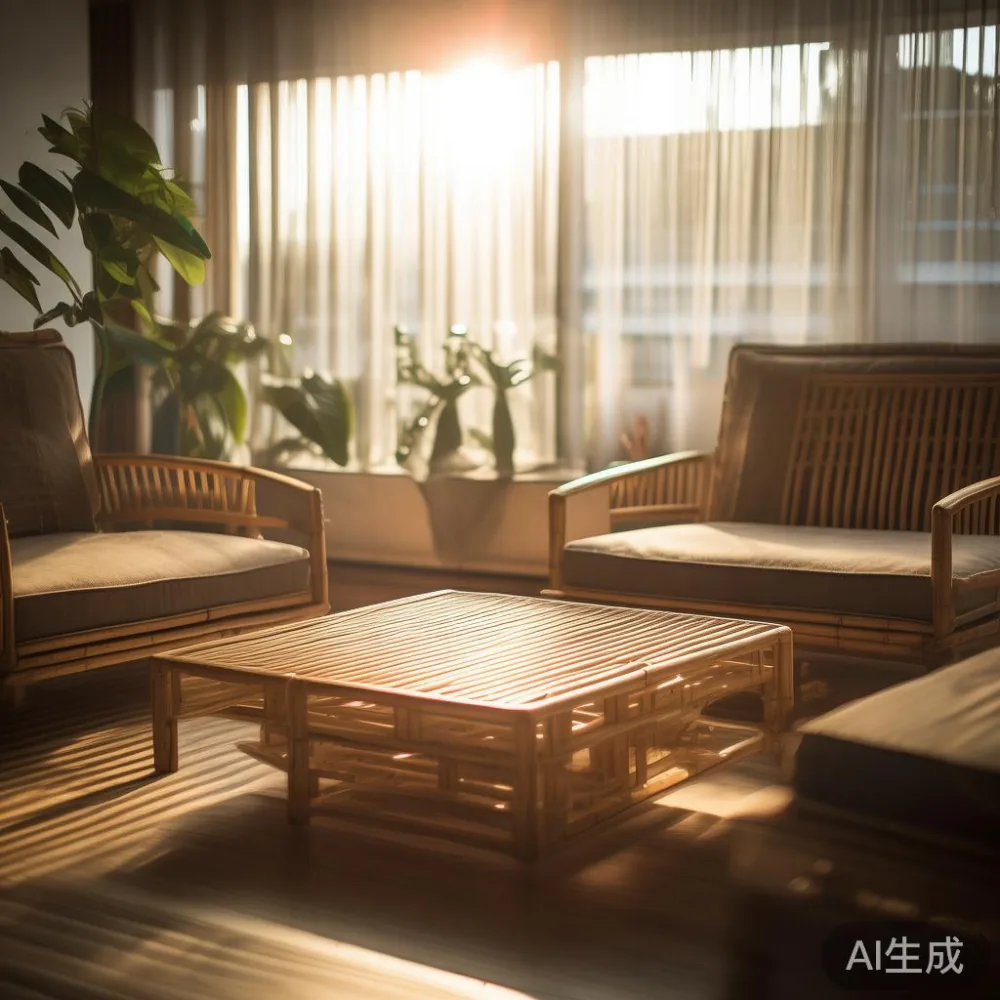
There is also a practical issue hidden in the phrase sofa you cannot sit on. A showroom display may be assembled without rear access panels, fitted with a low back, or shown in a configuration that cannot be delivered through your building. Before payment, measure the sofa, the lift, the corridor, the door turns, and the actual path from the loading area to your living room. Singapore’s GST must be included in your comparison too: a SGD 2,590 sofa before GST becomes SGD 2,849 with 9% GST.
What should I check before ordering a sofa for a Singapore home?
Start with the space rather than the product catalogue. Draw a simple floor plan and mark the sofa’s total width, depth, and height. Leave at least 90 cm between the sofa and a coffee table, and allow approximately 75 cm for a normal walking route where no one needs to squeeze past. A 210 cm sofa may fit a compact living room, while a 280 cm model may turn an ordinary room into a narrow corridor of furniture.
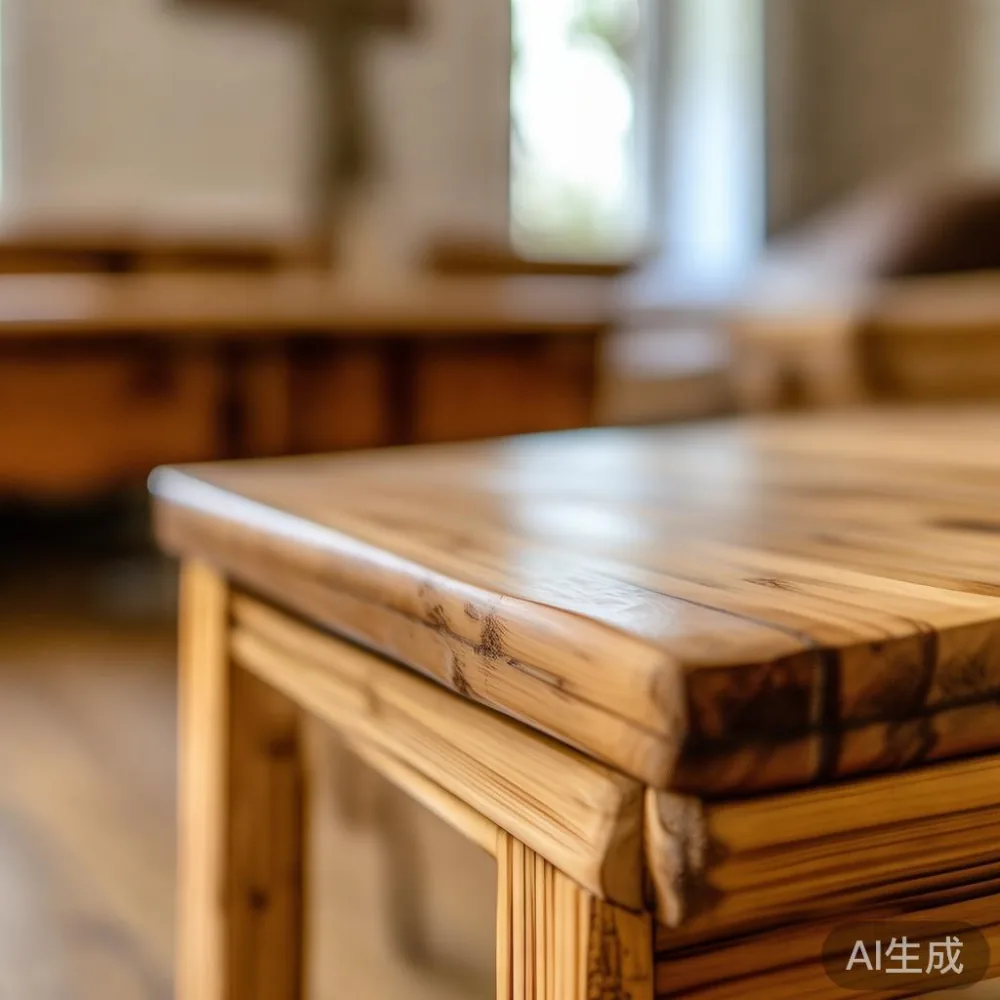
Then check comfort using actual dimensions. Seat height should generally be around 43–46 cm for adults, while seat depth of 52–58 cm offers more support than a shallow 45 cm seat. A seat that is 60 cm deep can feel spacious but require a cushion or lumbar support. Test the sofa for at least 10 minutes: sit upright, lean back, cross your legs, and notice whether the back hits a hard frame edge. If a salesperson calls it “deep and lounge-like,” ask for the usable depth after cushions are placed.
Arm dimensions also affect the number of people who can use the sofa. An arm width of 12–15 cm is manageable, whereas a broad 25 cm arm reduces usable seating. A nominal three-seater may comfortably seat two adults and one smaller person, but it is not equivalent to three separate 55 cm-wide seats.
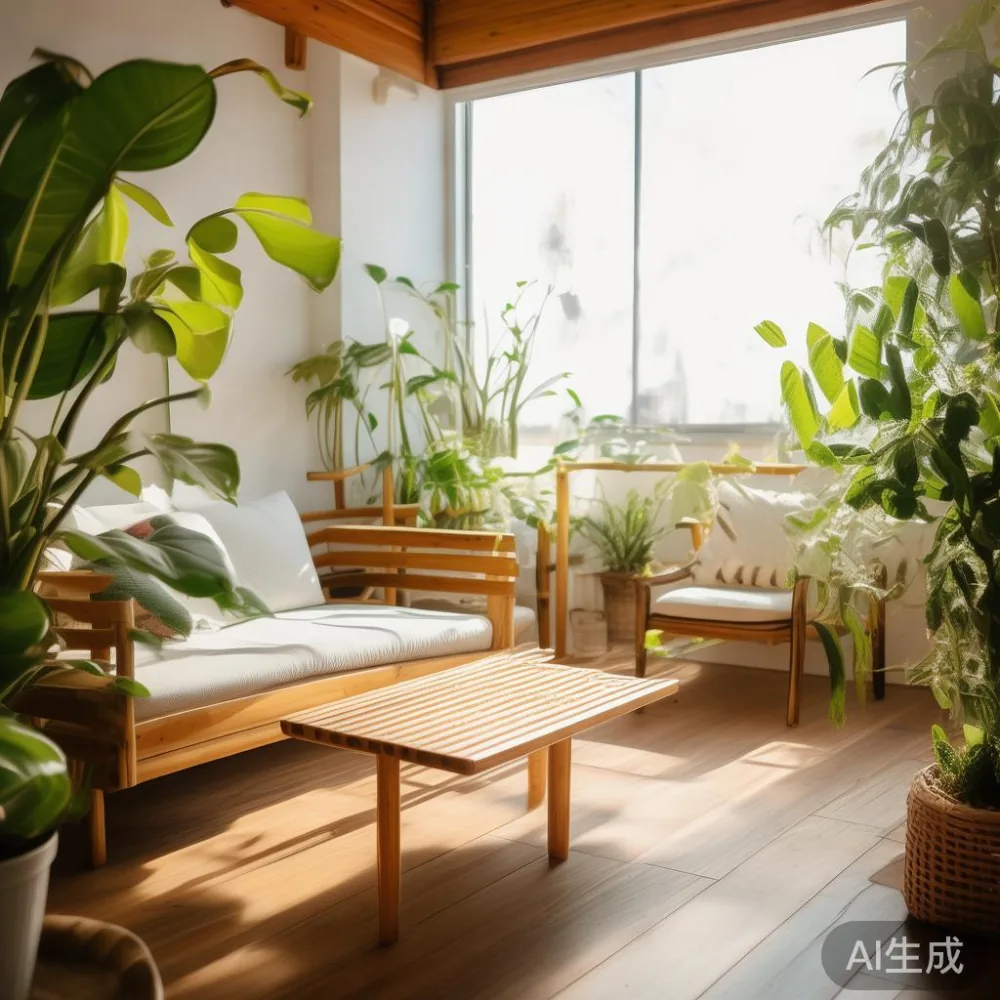
For material, inspect the frame, joints, suspension, and surface rather than relying on the product name. A solid wood sofa should have a properly joined frame, not a hollow shell disguised by fabric. Look for a frame that can be repaired or refinished over time, and ask what happens if one joint loosens after 5 years. A 10-year structural warranty is useful only if its exclusions are clear.
Will the sofa fit through the lift, corridor, and doorway?
Measure every pinch point before ordering. In many HDB blocks, the common corridor is around 120–150 cm wide, while lift doors may measure only 90–100 cm. Condo corridors can be narrower where the unit plan includes recessed walls. Ask the retailer for the packed dimensions, not merely the product dimensions, and find out whether the sofa can be separated into modules.
A sofa with a 228 cm width, 96 cm depth, and 82 cm height will not fit diagonally into a 100 cm lift if it cannot be separated. Check the lift’s internal depth and height as well as its door opening. If the packed sofa is 198 cm long and the lift car is 210 cm deep, staff may need to stand it upright; the delivery team must confirm that this does not damage the frame, legs, or upholstery.
Do the same at the apartment entrance. Door leaves are often only 85–90 cm wide, and a right-angled corridor turn may be harder than the lift. Record the narrowest width, lowest overhead clearance, and tightest turn. Add 5–10 cm of working margin rather than planning an exact mathematical fit.
Measure the route to the intended position as well. A sofa may clear the lift but not the staircase or balcony gate. For high-rise living rooms, ask whether the delivery includes carry-in, unpacking, assembly, and placement. If the building requires a service booking or loading-area reservation, allow an extra 3–7 days before delivery. These details are more useful than a vague promise of free shipping.
Last month I visited a client’s Bedok condo with a colleague to assess a sofa that had already passed the lift. The lift was adequate, but the final doorway turned through 92 cm, while the sofa’s fixed arm was 27 cm wide and the frame could not be angled through it. The unit had to be returned, and the family lost about 2 weeks. That visit reinforced why a home measurement should happen before payment, not on delivery day.
Is a Japanese sofa or Italian light luxury sofa the right style?
The comparison “Japanese sofa vs Italian light luxury sofa” is partly about proportions, not national origin alone. Japanese-influenced seating usually favours a lower profile, a firmer platform, and a tidier silhouette, often around 80–85 cm high. Italian light luxury styling tends to use deeper seats, more generous proportions, refined upholstery, and curved or tailored details. A low sofa can work in a compact Punggol flat, but a 40–43 cm seat height may feel difficult for some older adults.
Italian light luxury does not have to mean oversized. A 205 cm sofa with a 56 cm usable seat depth and 45 cm seat height can retain refinement while fitting a typical living room. French light luxury similarly depends on balanced proportions: light upholstery, slender arms, neat stitching, and restrained curves. The goal is a room that feels composed without making circulation tighter than necessary.
Post-modern light luxury can suit a condo with cleaner architectural lines, combining solid timber details with simple cushions and controlled texture. Whichever direction appeals to you, check the seat specification in centimetres and test the frame in person. A styled photograph cannot reveal whether the cushion slides forward after 20 minutes or whether the backrest meets the floor at an uncomfortable angle.
Does a solid wood frame offer more repair value?
A properly made solid wood sofa can offer long-term serviceability, but “solid wood” is not a complete construction description. Ask whether the visible frame, arms, back supports, and legs are solid timber or whether only the decorative parts are wood. Some upholstered products combine solid timber sections with plywood or engineered components; both can work, but the mix should be disclosed.
For a related room-planning exercise, the question “best Rustic wardrobe for 2026” may bring up lots of unnecessary visual detail. A wardrobe is not sofa seating, so it should not distract from the sofa’s fit. The transferable lesson is simply to verify material and dimensions. Likewise, buyers comparing a solid wood sofa, bed frame, dining table, wardrobe, nightstand, or marble table should use the same rule: ask for exact construction information, not a broad lifestyle label.
Inspect how the sofa is assembled. Ideally, important joints can be reached without destroying the upholstery. Check that the frame does not twist when two adults sit at opposite ends, and ask whether loose legs can be tightened after settling. Confirm the sofa’s floor clearance: 12–15 cm allows for cleaning beneath it, while an 8–10 cm gap suits a lower-lift design.
Warranty terms matter. Look for 10 years of structural coverage and ask whether the frame, joints, and suspension are included. Find out how a damaged component is handled, whether shipping is covered, and how long a replacement part may take. MIDHILL gives a 10-year structural warranty and lifetime refinishing on eligible furniture, but the salesperson should still explain which sofa components and finishes the terms cover.
What can go wrong with cushions, suspension, and upholstery?
Seat comfort is a system. The cushion foam, filling, webbing, springs, and frame should work together. A soft 35–40 kg/m³ foam may create a relaxed sit, while a firmer foam around 45 kg/m³ can provide more support and recover its shape. Ask for the stated density or construction of the main seat cushion; vague words such as “luxury foam” are less informative.
Check how the cushions are attached. Fixed seat cushions can look neat, but removable cushions make cleaning and replacement easier. Loose back cushions should be usable without creating a deep gap at the lower back. The product listing should also distinguish loose decorative pillows from the support cushions, because the latter affect usable depth.
Upholstery needs a light-luxury discipline rather than excessive ornament. Performance fabric may be sensible in a family home, while linen or a woven blend can suit French light luxury. Request swatches and test them against indirect daylight. Look closely at seams, piping, stitch density, and the treatment of the arm’s outer curve. Check whether cleaning instructions are available and whether a fabric treated with a protective coating can still be maintained.
The comparison “American sofa vs French provincial sofa” highlights this difference. American comfort styling often prioritises deep cushions, soft filling, and a relaxed sit. French provincial styling is generally lighter, with shaped outlines, slender supports, and decorative details. Neither profile is automatically comfortable; a person of 160 cm may need more back support on a deep American-style seat, while a tall person may find a shallow French-style seat restrictive.
Buyers asking “American sofa vs Nordic sofa” should also compare recoverability and visual bulk. Nordic styling commonly uses clean lines, pale tones, and modest dimensions. It may leave more floor area visible, but that benefit disappears if the sofa is only 48 cm deep and nobody can sit back properly. Ask the retailer to demonstrate the sit with the decorative pillows removed.
How should I plan a bedroom or multipurpose use?
If the sofa will become a bed or serve a dual-purpose room, treat the full sleeping specification as part of the purchase. Check the sofa’s closed width, open width, mattress or mattress support, and height from floor to sleeping surface. A 190 cm sofa may sleep one person comfortably, while two people usually need an open width of at least 160 cm, subject to the mattress dimensions and support system.
The question “how to style French provincial sofa in bedroom” requires the sofa to work visually as well as physically. Place it against the longest clear wall, maintain 75–90 cm of passage space, and avoid covering its shaped arms with throws. A slim side table or a compact nightstand can support reading, but the table should not overlap the sofa’s arm by more than a few centimetres. A bed frame nearby should have a comparable level of detail rather than competing with ornate upholstery.
The question “French bed vs French provincial bed” may help you judge whether the bedroom needs a matching traditional language or a contrasting one. A tailored French bed can make a French provincial sofa feel deliberate, while a plain bed frame can support a post-modern room. If a marble table is used nearby, keep its veining subtle and its edges safe, especially in a compact children’s room.
Consider heat and ventilation too. Singapore humidity often sits around 70–85%, with daily temperatures near 24–34°C. Choose upholstery that can tolerate humidity, leave space behind the sofa for airflow, and avoid pushing the back completely against a cold wall. For bamboo furniture used elsewhere in the home, apply the same care mindset: stable fixing points, appropriate cleaning, and honest material descriptions matter more than a trendy image.
What should the final quote include?
Request a written quotation with the sofa model, and usable dimensions, frame material, suspension type, cushion construction, upholstery code, colour, leg details, packed dimensions, and warranty. Confirm whether the price includes GST. For example, a quote of SGD 2,400 becomes SGD 2,616 after 9% GST, while a SGD 3,200 item becomes SGD 3,488. A clear quote should also state the delivery lead time, commonly around 7–14 days for configured products, and the return window.
Check the service terms directly. MIDHILL provides free shipping for orders over US$350, but Singapore customers should still confirm the local freight arrangement in SGD rather than assume the threshold applies identically to every destination. The company has exported to more than 15 countries since 2008 and offers 14-day returns, yet the order terms must still be reviewed. Confirm the return condition, restocking charges, and who arranges collection.
Before paying, photograph the quotation, sketch the room, and write down the five measurements that control the purchase: width, usable seat depth, seat height, packed size, and access clearance. Ask MIDHILL furniture questions using those measurements, and request final written answers. If the sofa cannot be sat on properly, cannot reach the living room, or cannot be maintained, a low headline price is not meaningful.
A good sofa should be comfortable for at least 15 minutes, stable under two adults, and possible to carry from the lift to its final position. Measure first, test second, and only then commit. That sequence protects the room, the delivery day, and the years of daily use that follow.