Solid Wood Furniture Prices: Why They Differ
Solid wood furniture can look deceptively simple: four legs, a tabletop, a frame and a drawer. Yet the selling price may range from SGD 600 to SGD 8,000 for pieces built from the same broad material category. The difference is usually not a mysterious luxury mark-up. It is a combination of timber species, board construction, joinery, surface treatment, dimensions, hardware, design effort, quality control and delivery obligations.
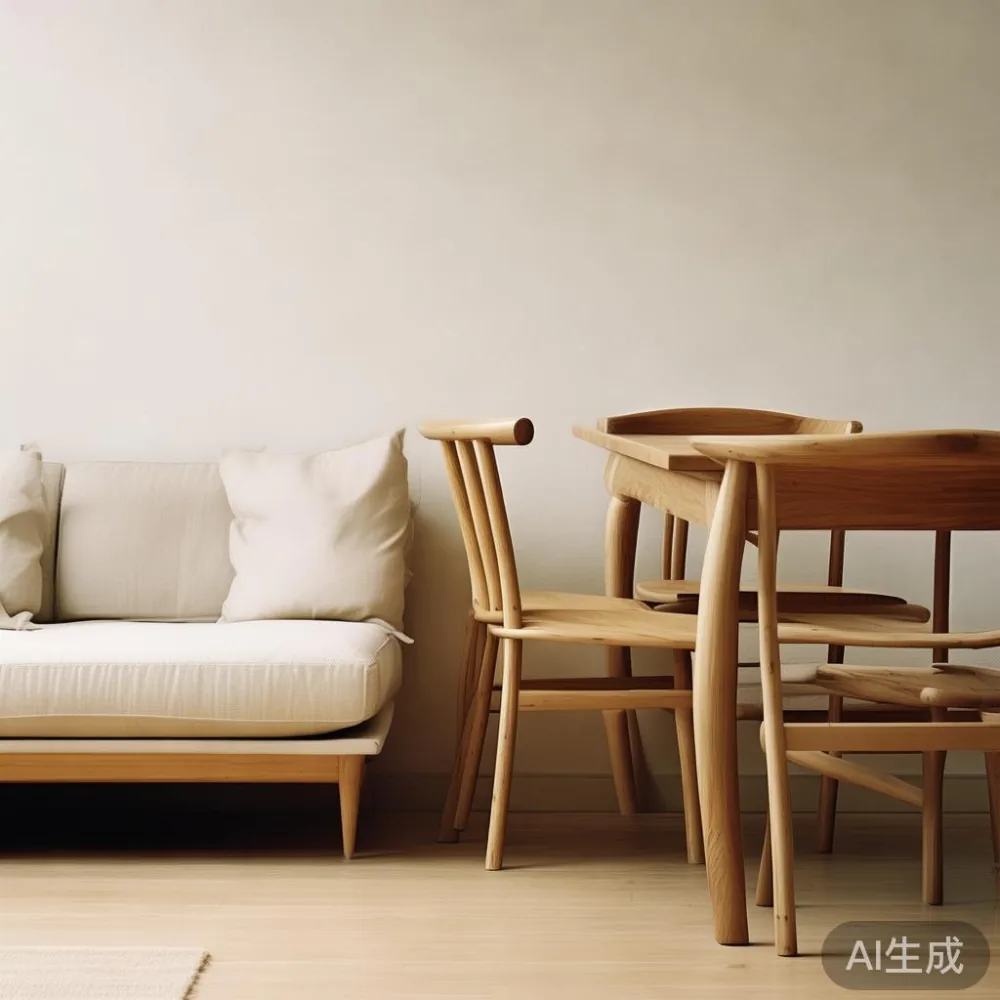
For Singapore homes, those factors matter in very practical ways. A 220 cm dining table may be comfortable in a Tampines HDB dining area but difficult to manoeuvre through a common corridor. A 35 kg wardrobe may fit the lift dimensions of a Punggol condo yet still challenge the turning space on level 3. A narrow bed frame may be visually light but structurally weak. Price is therefore connected not only to appearance, but also to fit, handling and expected service life.
MIDHILL has manufactured solid wood furniture since 2008 and exports to more than 15 countries. Its 10-year structural warranty and lifetime refinishing policy reflect a long-term approach to product value, but they do not mean every solid wood piece costs the same. The question worth asking is: what exactly are you paying for?
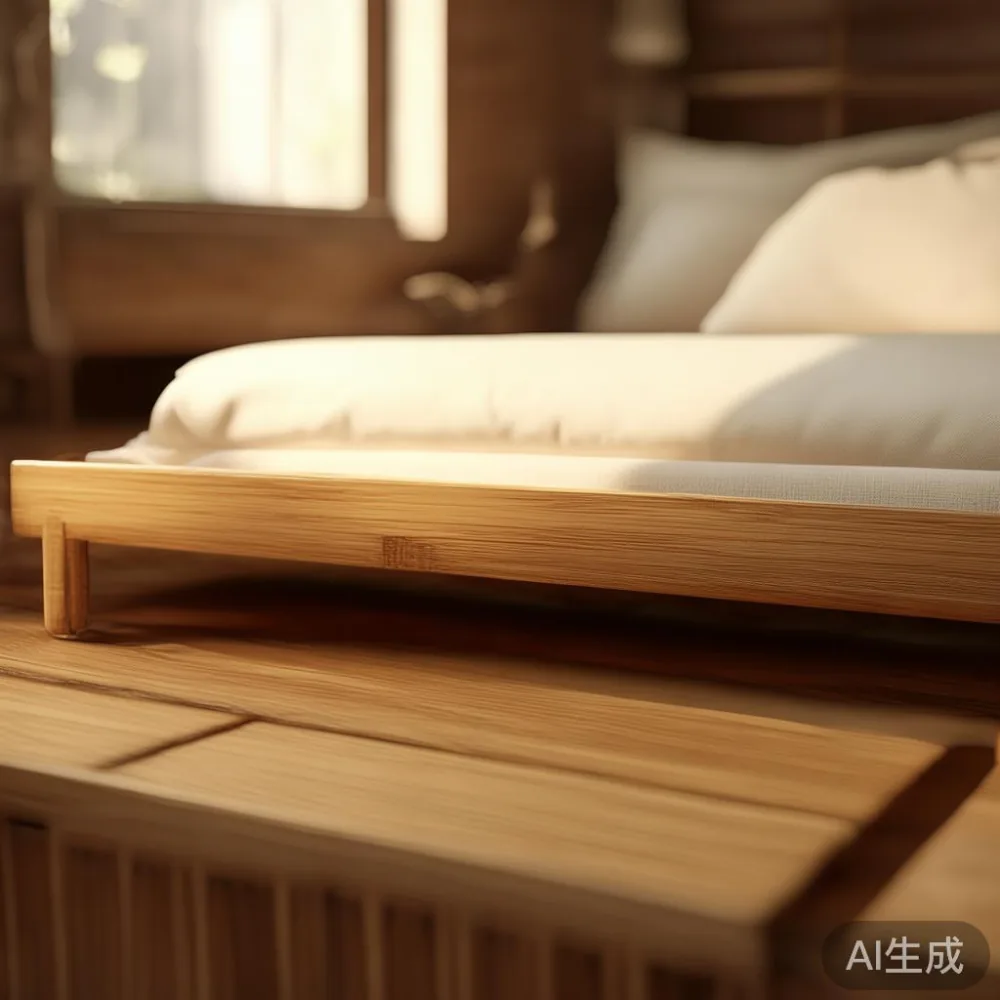
What determines the price of a solid wood dining table?
A dining table begins with timber. Solid hardwood is different from solid pine, engineered wood and veneered boards. Species such as oak, ash, beech, walnut, rubberwood and other kiln-dried hardwoods have different densities, grain patterns and working properties. Oak, for example, is commonly used for its visible grain and strength, while walnut is often selected for a darker, more decorative appearance. Material certification, moisture control and drying also affect cost.
Thickness changes the bill materially. A 180 × 90 cm dining table with a 20 mm top may require a different quantity of timber and machining from a 200 × 100 cm table with a 40 mm top. Curved edges, chamfers, mitred corners, rounded corners and hand-matched grain require more preparation than straight, square components. An extension mechanism adds rails, fasteners and alignment requirements; a fixed table may use more mass but fewer moving parts.

Joinery is another price driver. Strong joints may use dowels, mortise-and-tenon construction, screws concealed from view or combinations selected for the component. Marketing language can make this difficult to compare, so ask for construction details, timber species, board thickness and load information. A well-made table should have a stable base and resist movement over Singapore’s changing humidity.
Finish is less visible than the wood itself, yet it can add substantially to the cost. Hardwax oil, water-based coating, lacquer and other systems differ in colour, sheen, maintenance and repair. A matte natural finish may cost no more than a heavily tinted finish, but a multi-layer sprayed finish requiring several sanding and curing stages takes more factory time. The lifetime refinishing available from MIDHILL should be read as a service commitment: it is not a substitute for checking the species, dimensions and care instructions before purchase.
Why do bed frames and wardrobes vary so much in price?
A solid wood bed frame is priced around the amount of timber used, the design of its support system and the labour needed to assemble it. Platform frames, slatted bases and more traditional bed structures may look similar from a distance, but their parts, tolerances and functions differ. Headboard panels, shaped rails and decorative joinery add cost. A frame that weighs 48 kg may require more material than a 25 kg frame; it may also be harder to move into an apartment.
For Singapore interiors, bed-frame sizing is a genuine cost decision. A 180 × 200 cm queen bed may suit a larger bedroom, while a 120 × 200 cm bed can free 60 cm of width in a compact room. Before ordering, compare the outer dimensions—not only the mattress size. Allow at least 5 cm behind the headboard and around the sides where drawers or circulation are needed.
Wardrobes combine wood, hardware, internal components and installation work into one price. A 150 cm wide wardrobe with two hanging sections, six shelves, two drawers and adjustable rods may cost more than a 120 cm unit with fixed shelves. Soft-close runners, thicker drawer bases, hanging rails, LED strips, mirrored panels and ventilated sections add complexity. A wardrobe also has to fit the route into the bedroom: measure the door, lift opening and corridor turns, not merely the wardrobe against the wall.
This is where searches such as how to choose Italian light luxury wardrobe can become misleading. “Italian” may describe a visual influence, hardware brand or manufacturing location rather than a complete technical standard. For apartment buyers, compare carcass material, back-panel thickness, drawer construction, hardware, finish and warranty directly. Italian light luxury styling can be achieved with proportion, warm wood, restrained hardware and textured textiles, without paying for a label that cannot be inspected.
Is bamboo furniture a lower-cost alternative to hardwood?
Bamboo furniture occupies an important middle position. Bamboo is a grass, not a tree, and laminated bamboo boards can offer good dimensional stability when manufactured and finished properly. Dense, well-pressed boards can be useful for shelving, dining tables, stools, bed frames and storage furniture. They may cost less than a comparable hardwood design, but “bamboo” alone does not reveal board grade, adhesive, thickness, formaldehyde-control standard or moisture behaviour.
The price of bamboo furniture depends on density, pressing method, edge treatment and finish. A 25 mm laminated bamboo tabletop has more material and machining than an 18 mm panel. Solid bamboo slats, woven surfaces and complex curved components require additional fabrication. Certified low-emission board systems can also command a higher price because of controlled production and testing.
Solid wood and bamboo should not be treated as interchangeable materials in every application. Hardwood can offer familiar repairability and grain depth, while laminated bamboo can provide a clean, contemporary surface and useful dimensional stability. Outdoor or bathroom use demands a product-specific moisture rating. Neither material should be placed in direct rain or exposed to standing water unless the maker explicitly permits it.
For buyers comparing options in Bedok or Tampines, request the board thickness, maximum load, expansion guidance and warranty terms. A SGD 900 bamboo dining table with documented construction may offer better long-term value than a cheaper model with thin panels and vague specifications. For a larger order or project, a physical sample can reveal edge finish, colour and surface texture more clearly than a 2 cm product tile.
What makes a light-luxury sofa or chair worth paying more for?
A light-luxury solid wood sofa is not simply a sofa with a higher price. Its frame, suspension, cushioning, upholstery and joinery determine how it feels and how long it remains usable. A kiln-dried hardwood frame may carry a load rating of 1,200 kg when properly engineered; weaker frames may not offer the same support. The number alone is less informative than the test method, warranty and frame construction.
Seat density affects both comfort and replacement cost. High-resilience foam, fibre wrapping and carefully graded cushion filling can improve a soft seat, but they add material cost. Upholstery has a similar pattern. A woven Belgian-linen blend may cost more per metre than a mass-produced polyester, while leather grades differ in thickness, finish and consistency. Removable covers, welted edges and tailored seams add labour.
Design language also has a price. French light luxury tends toward pale woods, gentle curves, upholstered details and calm rooms. American light luxury often combines solid wood with generous upholstery and practical construction. Post-modern light luxury can use cleaner lines, material contrast and carefully proportioned geometry. These are useful directions, but the visual category should not override measurable build quality.
Marble table is a separate material decision within this spectrum. A marble-top table may use natural stone slabs, which vary in pattern and can be heavy. A 120 × 60 cm marble top may weigh 45 kg, while a 100 × 50 cm top may weigh 32 kg. Natural stone, engineered stone and porcelain look different under daily use, and each needs its own care instructions. Stone selection should follow the base design rather than conceal it.
How much should quality assurance, warranty and delivery add to the price?
A serious maker spends money on dimensions, moisture conditioning, component accuracy, finish curing and packaging before a furniture item leaves the factory. Some defects are visible; others appear after months of use. Quality control may include checking board moisture, inspecting colour, testing joints, checking drawer travel, photographing packing and recording production details. Those steps account for part of the difference between two products that initially look equal.
Warranty length is useful, but wording matters more. A 10-year structural warranty is meaningful when it identifies covered frames, beds, tables and wardrobes, explains exclusions and provides a clear claim route. Finish and hardware warranties may have different periods. Ask whether the warranty covers manufacturing defects, consumer misuse, normal colour change, chipped edges and work carried out by another party.
Delivery is especially important for bulky furniture in Singapore. A standard service might take 7–14 working days after production, while made-to-order pieces can require 4–8 weeks. A lift surcharge, stair carry, remote-area fee or custom-fit service may apply. If a wardrobe is 210 cm tall and 120 cm wide, confirm that it can enter a typical lift rather than relying on the flat’s floor plan alone.
These are some of the terms I saw when I visited a supplier’s workshop last month: a moisture meter, labelled timber batches, staged finish samples, hardware drawers and packaged dining tables. The visit did not make every component self-explanatory, but it showed why production control deserves budget. It also made me more attentive to what is absent from a sales listing: species, board thickness, joint type, weight and warranty details.
MIDHILL’s free shipping threshold of US$350 appears in its international offer structure, while Singapore quotations should be checked directly for GST, lift access and installation. GST is normally charged at 9% on taxable supplies in Singapore, though the exact treatment shown at checkout depends on the seller and order. Ask for an all-in figure rather than assuming that a displayed base price includes delivery and installation.
How should you compare two solid wood products with very different prices?
Compare products using a specification sheet rather than appearance alone. Record the material, dimensions, weight, finish, joint type, load rating, hardware, warranty and delivery scope. For a dining table, ask about top thickness and underside bracing. For a wardrobe, inspect the back panel and drawer boxes. For a bed frame, examine the centre support and slat spacing. For a nightstand, check whether the drawer moves smoothly and whether the back is closed rather than open-frame.
Measure the home before comparing widths. HDB corridors can be narrow, and older lift doors may impose tighter limits than modern condo lifts. If the lift measures 90 cm at the door and 110 cm at its widest internal point, a 105 cm wide wardrobe may enter but require careful turning. If the bed frame is 185 cm long, check whether it can pivot inside a 140 cm landing space. A small measurement error can add S$80–S$250 in delivery work or force a return.
Design planning can add value without unnecessary spend. If you are working through how to style light luxury wardrobe in apartment, begin with floor space, wall colour and one focal material rather than filling every surface. A 120 cm nightstand may provide better proportion beside a queen bed than two wider units. A 140 cm dining table can seat four people in a 220 cm-wide bay, while 180 cm may suit six to eight people in a larger dining zone.
Online phrases such as for sale Modern light luxury furniture and top 10 Boho furniture may help generate ideas, but rankings often mix unrelated materials, dimensions and quality levels. Treat them as discovery prompts, not technical comparisons. Likewise, a search for best Mid-century modern wardrobe for 2026 needs evidence behind the wording: solid timber, coherent proportions, usable internal space and repairable hardware matter more than a period label.
Where does price meet everyday Singapore practicality?
A good solid wood piece should justify its price through material, construction, use and service—not through exaggerated claims. A dining table that seats six comfortably, a bed frame with stable support, a wardrobe with usable drawer boxes and a nightstand that opens smoothly can reduce frustration for years. A cheaper piece can still be sensible when the dimensions are right and the construction is clear for its purpose.
Look for evidence that travels with the product: a care guide, material label, assembly instructions, warranty terms and packaging details. For bamboo furniture, confirm board construction and moisture guidance. For solid wood furniture, verify species and finish care. For marble table designs, ask for weight and handling instructions. For any delivery to Tampines, Bedok or Punggol, provide lift dimensions and photos if access is unusual.
Light luxury does not need to mean clutter. In a compact condo, one well-proportioned dining table, a solid wood bed frame and a fitted wardrobe can establish the room’s character with fewer objects. In an HDB flat, slim-profile storage and warm timber tones can soften practical rooms while preserving circulation. The most useful luxury may be a piece that fits the route into the home, works hard each day and can be maintained rather than replaced.
Before paying, slow down and turn the price into a set of checks. What is the timber or bamboo construction? What are the dimensions and weight? Which joints and hardware are used? What does the finish require? What happens if a component fails? What will delivery cost after GST, lift access and installation are considered?
Those answers reveal the real drivers of price. A higher number may reflect denser timber, thicker boards, better hardware, more elaborate shaping, tighter tolerances, documented testing and meaningful after-sales support. A lower number may reflect a legitimate simpler design—or a product with underspecified construction. The difference becomes clear when you know what questions to ask and what has to work after the invoice is paid.