The Silent Challenge: How Singapore's Humidity Affects Your Bamboo Furniture
Living in Singapore, with its year-round high humidity and the unique microclimates within our HDB flats and condominiums, presents a beautiful, green landscape but also a subtle challenge for homeowners. The air is thick with moisture, a fact that is both a comfort and a concern. For those of us who appreciate the natural beauty and sustainable nature of solid wood furniture, particularly bamboo, this constant dampness can feel like a ticking clock. The question isn't if humidity will affect your furniture, but how you can protect it and ensure its longevity in your home.
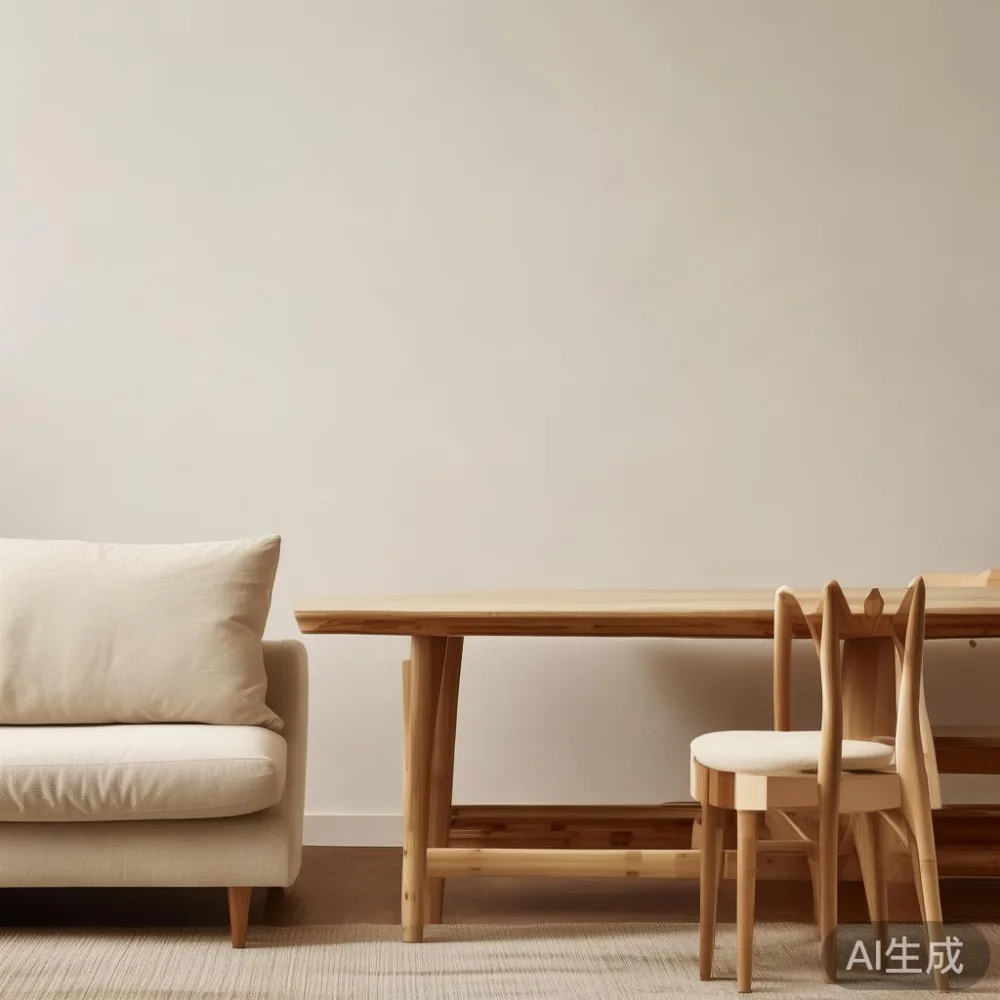
Understanding the Singaporean Humidity Environment
Singapore's climate is characterised by high relative humidity, often hovering between 70% and 90% throughout the year. This isn't just a number on a weather app; it's a physical presence. The air feels heavy, and it seeps into every corner of our living spaces. For a piece of bamboo furniture, which is in effect a giant, porous sponge made from a grass, this constant moisture absorption is a natural but potentially damaging process. When bamboo absorbs moisture, its fibres expand. Conversely, when the air is drier, it contracts. In a place like Singapore where the humidity rarely drops significantly, the expansion phase is dominant, leading to a constant, slow warping of the material.
Consider the specific conditions in different types of Singaporean housing. An older HDB flat in Tampines might have less cross-ventilation than a modern condominium in Punggol with large, strategically placed windows. A unit in Bedok, facing the afternoon sun, might experience more extreme temperature swings, causing the wood to expand and contract more rapidly. Even the layout of your home matters. A narrow corridor or a small lift in older buildings can make moving large, pre-assembled furniture a logistical puzzle, often leading to pieces being stored in temporary, less-than-ideal environments before they reach their final spot. Understanding your home's specific humidity profile is the first step in protecting your investment.
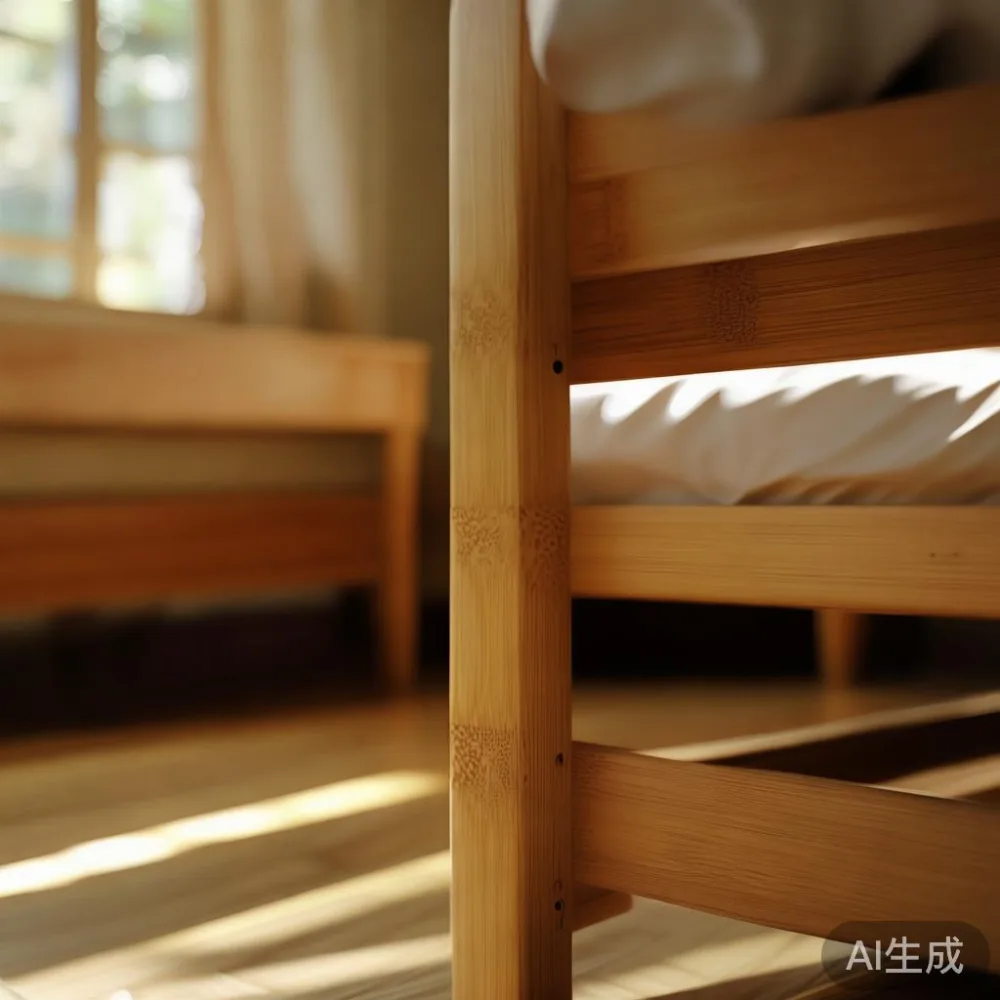
How Humidity Physically Damages Bamboo Furniture
The damage from high humidity is not instantaneous but cumulative, manifesting in several distinct ways. The most common issue is warping. A solid wood dining table, for instance, might start to develop a slight crown in the centre, where the wood has absorbed more moisture than the edges. A bed frame might twist, causing the mattress to sit unevenly. This happens because the bamboo absorbs water vapour from the air, causing the cells to swell. As the moisture content increases, the wood loses its structural integrity and begins to bend and twist.
Another significant problem is cracking. This might seem counterintuitive—how does a material absorbing moisture end up with cracks? The answer lies in uneven drying. While the surface of a bamboo nightstand might feel cool and damp, the core of the wood retains moisture for longer. If a sudden dry spell occurs or if an air conditioner is placed too close to the furniture, the surface will dry out and shrink rapidly while the core remains swollen. This differential stress causes the wood to split and crack, often starting at the corners or along the grain. A wardrobe door, for example, might develop fine cracks that eventually widen, compromising not only its appearance but also its ability to close properly.
Mould and mildew growth is a third, and more serious, consequence. The high humidity provides the perfect breeding ground for these fungi. They thrive on the organic material of the wood and the moisture trapped in its fibres. You might first notice a musty smell in the room, or a slight discolouration on the surface of your furniture—a fuzzy, grey or black patch. If left untreated, mould can penetrate deep into the wood, causing permanent staining and weakening the structure from within. This is particularly problematic for furniture with intricate details or carvings, where moisture can get trapped and create ideal pockets for mould growth.
What is the Best Way to Protect Bamboo Furniture in a Humid Climate?
Protecting your bamboo furniture in Singapore requires a proactive, multi-faceted approach. It's about managing the environment the wood lives in. The most effective solution is to control the humidity levels in your home. Using a dehumidifier, especially in bedrooms and living rooms where solid wood sofa sets and bed frames are kept, can make a world of difference. A good dehumidifier can reduce the humidity to a more stable 45-55% range, which is much healthier for wood. Running it for a few hours each day, particularly during the night or after a rainy day, can prevent the wood from becoming waterlogged.
Proper ventilation is equally important. Cross-ventilation allows moist air to escape and drier air to circulate. If you live in an HDB flat, try to open windows on opposite sides of your unit to create a breeze. For condominiums in areas like Punggol, take advantage of the modern layouts designed for airflow. Placing furniture away from external walls, which can be damp, and away from direct sources of heat like air conditioners or radiators, will help maintain a more consistent temperature and humidity level around the piece.
Finally, regular care and maintenance are non-negotiable. Applying a high-quality, breathable wood oil or wax creates a protective layer that helps regulate moisture exchange between the wood and the air. This should be done every 3-6 months, depending on the product's instructions and the furniture's exposure. For those who appreciate a specific aesthetic, choosing a finish that aligns with a light luxury style, like a French provincial furniture finish with its soft, painted look, can offer a degree of protection while adding a touch of elegance to your home.
Is It Possible to Have Stylish Furniture That Can Withstand Humidity?
A common misconception is that furniture designed for humid climates must be bulky, impractical, or stylistically limited. This is far from the truth. Modern furniture makers have developed techniques and materials that combine style with resilience. For instance, the process of kiln-drying bamboo before it is crafted into furniture is critical. This involves slowly heating the wood in a controlled environment to reduce its moisture content to a level that is stable for the Singaporean climate, typically around 8-10%. This pre-treatment minimises the wood's tendency to expand and contract after it has been assembled into a dining table or wardrobe.
When selecting furniture, consider the construction. Look for pieces that use mortise and tenon joints or dovetail joints, which are mechanically interlocking and less likely to pull apart under stress than simple glued or nailed joints. A well-constructed solid wood bed frame will hold its shape far better than a poorly made one, even under the strain of high humidity. The aesthetic choices are also plentiful. You can find a best Post-modern bed for 2026 that features clean lines and minimalist design, perfectly suited for a modern Singaporean condo, or an is Italian light luxury sofa worth it that combines plush comfort with durable, humidity-resistant fabrics.
The key is to choose furniture from brands that understand the local environment. A light luxury bed vs Nordic bed debate often comes down to material choice and construction. While Nordic designs might favour drier woods, light luxury styles often incorporate more stable, tropical hardwoods or bamboo that are inherently suited to humid conditions. For example, a MIDHILL French provincial wardrobe is designed with this in mind, using carefully selected and treated bamboo that can withstand the Singaporean climate while offering the timeless elegance the style is known for.
Real Experiences: A Homeowner's Journey in Singapore
Last month, I visited the home of a colleague, Sarah, who lives in a beautiful, newly built condominium in Tampines. She had recently purchased a stunning solid wood dining table and a set of bamboo chairs from a reputable brand. Within two months, she noticed the table top had a slight, but noticeable, warp in the middle. The chairs, which had straight legs, were starting to wobble. She was worried she had made a poor investment and that the furniture was defective.
Upon closer inspection, it was clear the issue was environmental. Her unit had floor-to-ceiling windows that overlooked a lush, green area. While the view was incredible, the lack of air circulation and the constant high humidity near the windows was taking its toll. The dining table, positioned directly in the path of the afternoon sun, was experiencing extreme temperature and moisture fluctuations. I suggested she move the table away from the window and invest in a dehumidifier for the dining area. She also started wiping down the furniture with a dry cloth each morning to remove any surface condensation. Within a few weeks, the warping stabilised, and the chairs became firm again. Her experience is a perfect example of how even the best furniture needs a little help from its owner to thrive in our unique climate.
Choosing the Right Bamboo Furniture for Your Singapore Home
When you're ready to furnish your home, making an informed choice is paramount. Look for manufacturers who provide clear information about their wood treatment processes. A 10-year structural warranty, for instance, is a strong indicator that a company stands behind the quality and durability of its products, including its ability to handle environmental stress. This kind of guarantee from a brand like MIDHILL provides peace of mind, knowing that the furniture is built to last in the local conditions.
Consider the logistics of delivery and assembly. Singapore's HDB corridors and lifts can be narrow. A company that offers free shipping over SGD 1,500 and includes professional assembly is a significant advantage. They will have the experience and tools to work through tight spaces without damaging your new furniture or your walls. A 14-day return policy also offers a safety net, allowing you to inspect the furniture in your home's specific environment before committing to it long-term.
Ultimately, the goal is to find furniture that you love and that is built to endure. The trend towards 2026 European light luxury furniture, for example, often features pieces made from sustainable, durable materials like bamboo that are designed for modern, eco-conscious living. A well-chosen MIDHILL sofa, for instance, can be the centrepiece of your living room, offering both comfort and resilience. By understanding the challenges of humidity and selecting furniture wisely, you can create a beautiful, stylish home that your bamboo furniture will not only survive but thrive in for years to come.