The 5-Year Value Equation: Veneer vs. Solid Wood Furniture in Singapore
In the context of Singapore's HDB flats and condominiums, from the wide corridors of Punggol to the compact layouts of Tampines and Bedok, choosing furniture is a long-term decision. The space is defined, the budget is finite, and the desire for a home that feels both personal and enduring is universal. The debate between veneer and solid wood furniture is not merely a matter of aesthetics; it is a financial calculation that plays out over years. This article will break down the actual costs, from purchase to maintenance, over a five-year period for a typical Singaporean household, providing a clear, numbers-driven comparison.
Understanding the Materials: A Tale of Two Surfaces
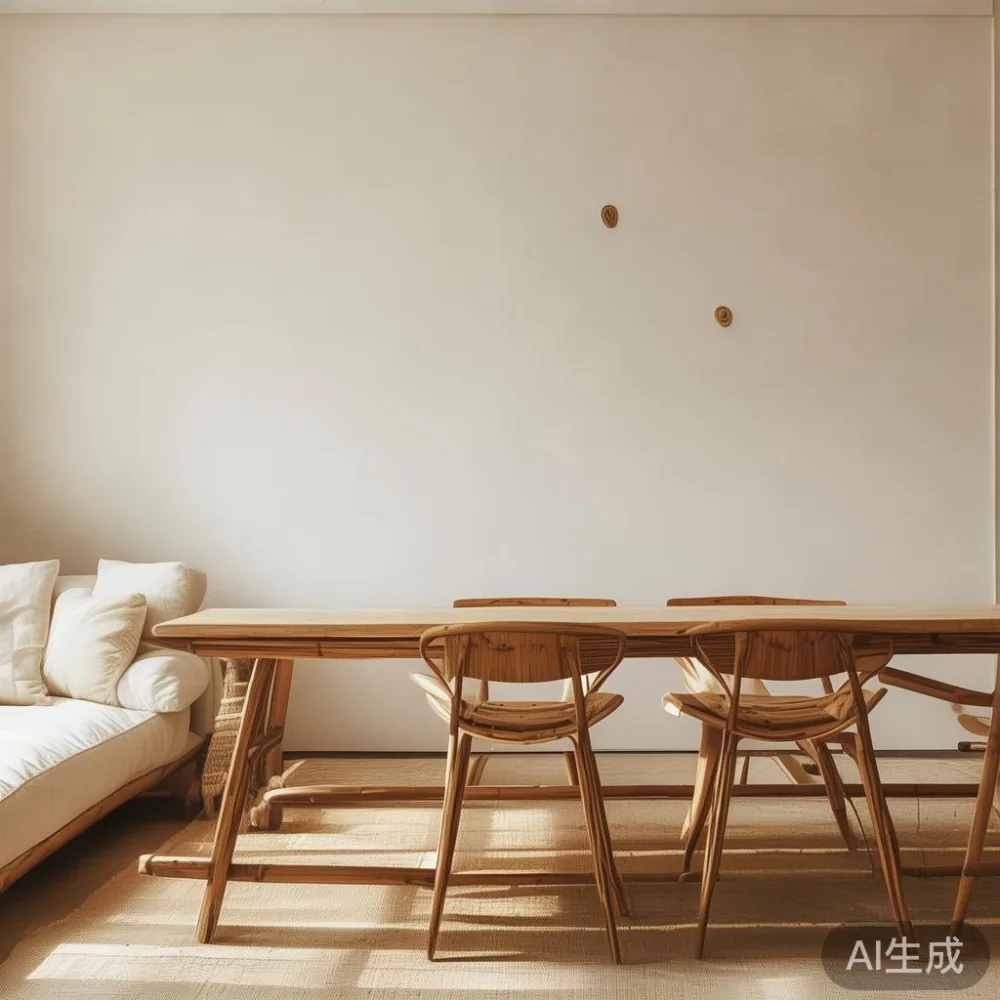
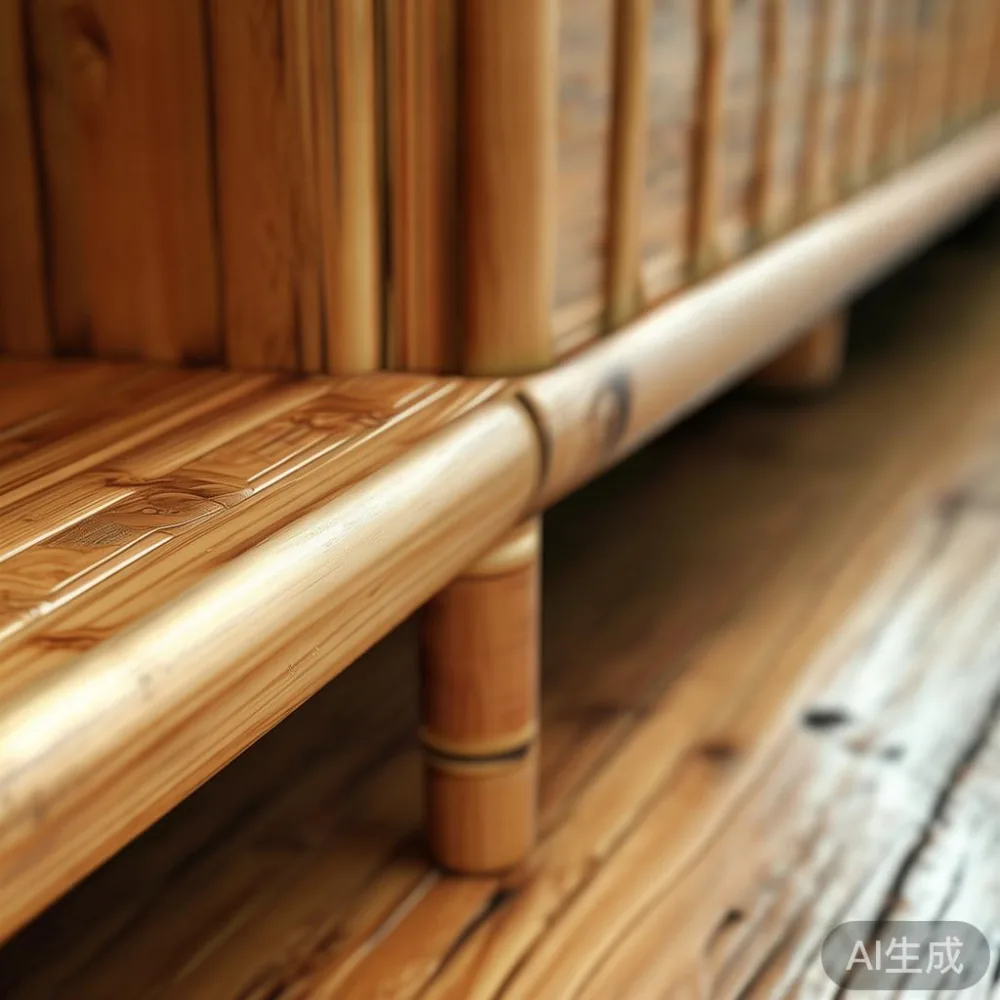
Before we can compare costs, we must understand what we are buying. Solid wood furniture is constructed from a single piece of wood, such as oak, teak, or bamboo. It is prized for its natural grain, durability, and its ability to be sanded and refinished multiple times. A solid wood dining table, for instance, is a statement piece that can last for generations. In contrast, veneer furniture uses a thin layer of real wood (often less than 1mm thick) glued onto a substrate, which is typically a composite material like MDF (Medium-Density Fiberboard) or plywood. This layer provides the look of solid wood at a lower initial price point. However, the substrate is the Achilles' heel of veneer construction; it is susceptible to moisture damage, warping, and cannot be refinished. When considering the long-term value of your home, the choice between these materials has significant financial implications.
Initial Investment: The Upfront Cost in Singapore Dollars
The most immediate difference between veneer and solid wood is the price tag. Let's consider a standard furniture set for a 4-room HDB flat: a dining table, a sofa, a bed frame, and a wardrobe. We will use prices typical for the Singapore market.
Scenario A: Veneer Furniture Set
- Dining Table (seats 4): SGD 800. A rectangular table measuring 140cm x 80cm.
- Sofa: SGD 1,200. A 3-seater light brown luxury sofa, 200cm long.
- Bed Frame (Queen): SGD 600. A platform bed with a veneered finish. li>
- Wardrobe: SGD 900. A 2-door wardrobe with sliding doors, 180cm tall.
Total Initial Cost (Veneer): SGD 3,500
Scenario B: Solid Wood Furniture Set
- Dining Table (seats 4): SGD 2,500. A solid teak table, 140cm x 80cm.
- Sofa: SGD 3,500. A solid wood sofa with premium upholstery, 200cm long.
- Bed Frame (Queen): SGD 1,800. A solid wood European light luxury bed vs Modern bed frame.
- Wardrobe: SGD 2,200. A solid wood wardrobe with 2 doors, 180cm tall.
Total Initial Cost (Solid Wood): SGD 9,000
The initial difference is stark. The veneer set costs SGD 5,500 less. This is a significant amount that could cover GST (currently 9%) on other household items or a family holiday. However, this is just the first chapter of the story. The true cost is revealed over time.
Year 1-2: The honeymoon phase and the first signs of wear
During the first two years, both sets of furniture will look good. The veneer set offers an immediate aesthetic upgrade to a new flat without the financial strain. The solid wood set, while more expensive, exudes a sense of quality that is immediately apparent. The wood has a rich, tactile depth that a thin veneer cannot replicate. For many, the satisfaction of owning a well-crafted piece is worth the premium.
The first signs of trouble for the veneer set often appear in the second year. The most common issue is delamination, where the thin wood layer begins to peel away from the substrate, especially at the edges of the table or along the corners of the wardrobe. This is often caused by the Singaporean climate, with its high humidity. Repairing this is not simple; it's a cosmetic flaw that permanently diminishes the piece's value. A single repair for a dining table corner can cost SGD 150-250, and the results are often imperfect.
Last month, I visited a client in a Bedok HDB flat. He had purchased a veneer dining table from a local brand two years prior. The edges were peeling, and the surface had developed a permanent watermark ring that couldn't be buffed out. He was already considering replacing it, a cost he hadn't anticipated. This is the hidden cost of veneer: the anxiety and unexpected expenses that begin to surface much sooner than with solid wood.
Year 3-4: Maintenance costs and the value of refinishing
This is where the financial divergence becomes undeniable. The veneer set continues its slow decline. The MDF substrate in the wardrobe doors may begin to warp in Singapore's humidity, causing them to stick or not close properly. The legs of the veneer sofa might wobble as the internal joints weaken. The initial savings from year one are now being eroded by a series of small, frustrating repairs.
The solid wood set, however, enters its prime. It has settled into the home, developing a beautiful patina. The wood may show minor signs of use—small scratches on the dining table, perhaps a slight dulling of the finish—but these are not flaws; they are character. Maintenance is simple and inexpensive. A good quality wood polish applied every 6 months costs about SGD 30 per bottle and can be used for years. For deeper scratches, a light sanding and reapplication of a clear coat is a viable DIY option.
The most significant advantage of solid wood is its ability to be professionally refinished. A solid wood dining table or bed frame can be sanded down and completely refinished for around SGD 800 to SGD 1,500, depending on the size and complexity. This process in effect makes the furniture brand new, restoring its original lustre. A veneer piece cannot be refinished; once the surface is damaged, it must be replaced or lived with. Over a 5-year period, the solid wood owner has the option to refresh their investment, while the veneer owner faces the reality of replacement.
Is bamboo furniture a better long-term investment than veneer?
When discussing solid wood options in the modern Singaporean home, bamboo furniture deserves special attention. Technically a grass, bamboo possesses the density and stability of hardwood, making it an exceptional material for furniture. It is also more sustainable and often more affordable than traditional hardwoods like oak or teak. A solid bamboo dining table, for instance, might cost SGD 1,800, placing it between the veneer and solid wood options in price. Its resistance to moisture makes it particularly well-suited for Singapore's climate. For a homeowner seeking the durability of solid wood without the highest price point, bamboo furniture presents a compelling and intelligent choice that often outperforms veneer in longevity and requires less maintenance than some hardwoods.
The 5-Year Bottom Line: A Financial Breakdown
Let's put it all together. We will add up the initial cost, maintenance, and potential repair or replacement costs over five years. We will also factor in the resale value, as furniture can be sold on platforms like Carousell.
5-Year Total Cost (Veneer Set)
- Initial Purchase: SGD 3,500
- Maintenance (polish/cleaner): SGD 60
- Repair (delamination/water damage): SGD 400
- Replacement (dining table): SGD 800 (after 4 years)
- Resale Value (after 5 years): SGD 500 (for the remaining items)
Net Cost over 5 Years: SGD 4,260
5-Year Total Cost (Solid Wood Set)
- Initial Purchase: SGD 9,000
- Maintenance (polish): SGD 60
- Professional Refinish (optional): SGD 1,000 (done in Year 4)
- Resale Value (after 5 years): SGD 4,000 (excellent condition due to refinishing)
Net Cost over 5 Years: SGD 6,060
At first glance, the veneer set still appears cheaper. However, this calculation misses the most important factor: the value of the furniture remaining at the end of five years. The veneer set is largely a consumable; it has been replaced and its value is minimal. The solid wood set is an asset. It has been refreshed and is worth nearly half of its original purchase price. If you were to move, you could sell the solid wood set for a significant sum, effectively reducing your net living cost. The veneer set would be sold for a fraction of its price, or given away. The true cost of ownership is the net outlay minus the residual value. In this case, the solid wood option represents a far more sound financial decision over the long term.
Choosing Style for Singaporean Living
Value is not purely financial. It is also about style and integration into one's lifestyle. The clean lines of a Japanese bed vs Mid-century modern bed can define a bedroom's aesthetic. A designer French provincial furniture piece can add a touch of elegance to a living room, while an Italian light luxury dining table can become the heart of a home. For those who prefer a more minimalist approach, a streamlined MIDHILL TV console in a natural finish can complement any decor.
When selecting a wardrobe, for example, the search for the best Japanese wardrobe for 2026 might lead you to a design that is not only functional for Singapore's limited space but also crafted from solid materials that will not warp. The choice between a European light luxury bed vs Modern bed often comes down to the desire for timeless craftsmanship versus contemporary simplicity. Solid wood furniture accommodates all these styles beautifully. It is a canvas that accepts various stains, paints, and finishes, allowing it to adapt to your taste over time. A veneer piece, locked into its finish, offers far less flexibility for personalization as your home and style evolve.
Ultimately, the choice between veneer and solid wood is a choice between a short-term solution and a long-term investment. For the Singaporean homeowner, where space is premium and quality is a reflection of personal pride, solid wood furniture—and particularly well-crafted bamboo furniture—offers a path to a home that is not only beautiful now but will continue to provide value, style, and satisfaction for years to come.