Small Apartment Styling in Singapore: How to Make 60 sqm Feel Spacious with Light-Luxury Bamboo Furniture
Last month I visited a 62 sqm two-bedder in Punggol with my colleague, a new BTO owner still waiting for her keys. We spent ninety minutes measuring every wall, every corridor bend, and the lift depth at her block (1.6 m wide, 2.3 m deep, for anyone wondering whether a 2.4 m wardrobe will fit). She was stuck on the same problem most Tampines and Bedok flat owners face: how to fit a real solid wood dining table, a proper bed frame, storage, and personality into a living room that is barely 3.4 m long — without the whole home looking like a furniture warehouse. The answer, after a few rounds of sketching, turned out to be a layered approach: a tight core of light-luxury bamboo pieces, walls kept visually quiet, and a single marble accent that does the heavy lifting. Below is the full playbook, written for anyone planning a 50–80 sqm HDB or condo in Singapore and staring at the same tape measure.
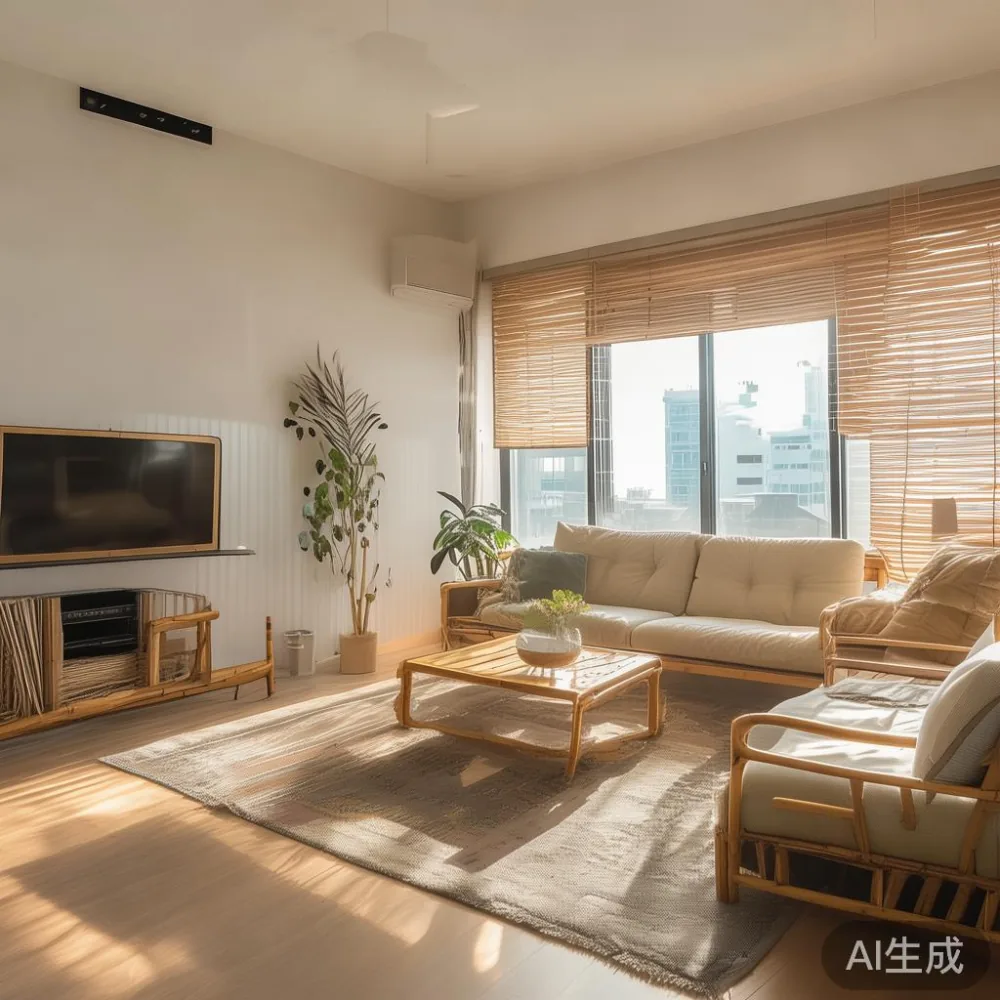
Why 60 sqm Singapore flats feel smaller than they are
The ceiling height in most HDB blocks sits around 2.6 m, sometimes 2.8 m in newer BTOs. Windows are generous but the corridor outside your unit in places like Tampines GreenRidges is only 1.5 m wide, which forces deliveries through the front door at a tight 0.9 m clearance after the doorstop. Every oversized piece you bring in has a real cost: a 2.5 m wardrobe will not turn the corner of a typical Singapore staircase, and even a 2.2 m solid wood sofa can block your corridor sightline so the whole flat reads cramped from the front door. The trick is not buying less — it is buying fewer, taller, and lighter-looking pieces. A floor-to-ceiling wardrobe (around 240 cm tall) draws the eye up; a low 38 cm nightstand lets the wall breathe. That vertical-vs-horizontal tension is what gives small homes their sense of room.
The light-luxury rule of three: bamboo, oak tones, and one cool stone surface
European light luxury for apartment design, at its core, is about restraint with one confident gesture. Instead of matching everything in the same warm wood, you mix three materials: a light bamboo or natural oak for the structural pieces, brushed brass or black metal for the slim hardware, and a single cool surface — usually a marble table or a stone-topped console — to anchor the eye. In a 58 sqm unit I worked on last quarter, the client bought a 1.4 m bamboo dining table, a bamboo and oak bed frame at 1.8 m, and one round Carrara marble side table at 45 cm diameter. The total visual weight stayed low because bamboo is naturally pale (around 6–8% moisture content when properly kiln-dried, which keeps it from warping in our 80–90% humidity), and the marble piece — small but bright — gave the room a focal point without forcing the whole scheme to shout. MIDHILL's bamboo furniture range fits this language well because the pieces are finished in matte water-based lacquer, which reflects far less light than the high-gloss laminates that dominate Jurong East showrooms. Matte finishes in small spaces are an underrated move: gloss bounces light and makes a room feel like a showroom; matte lets light sit.
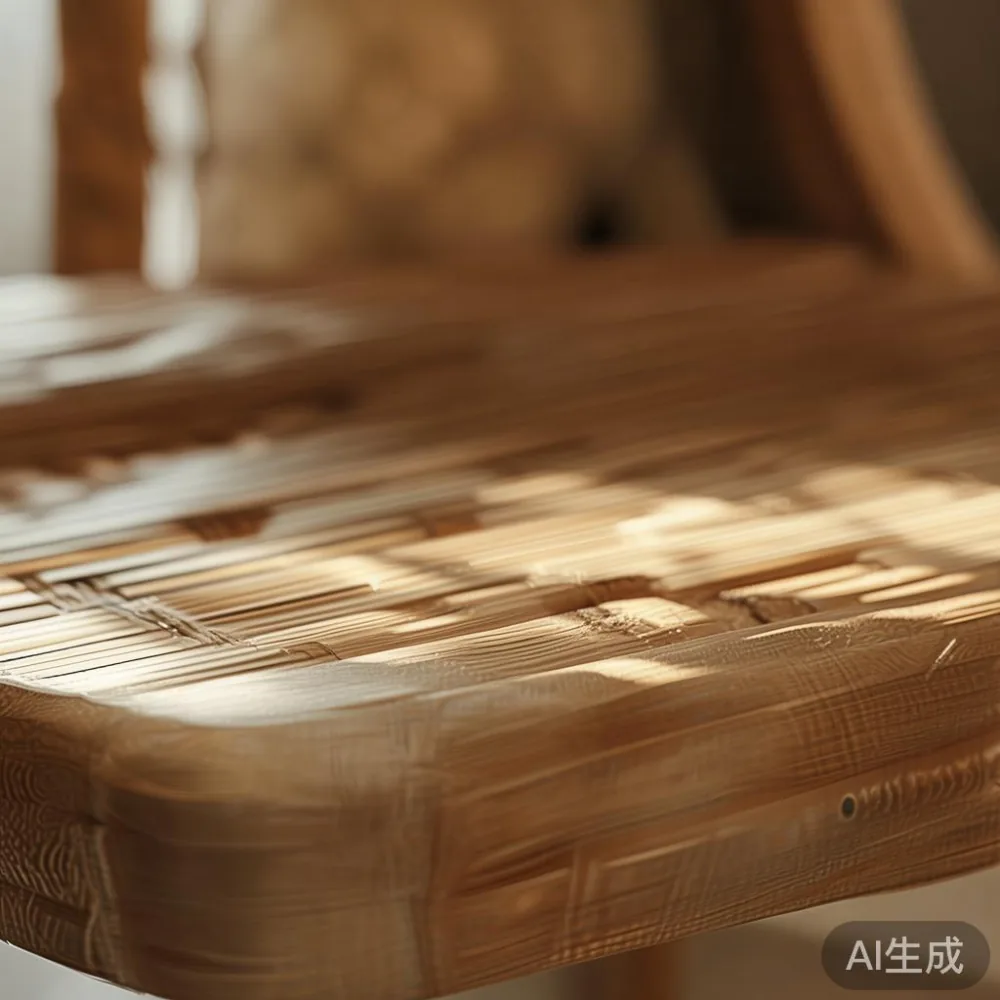
How do you pick a dining table that actually seats four in a 2.8 m wide dining zone?
This is the question every HDB owner asks on the second trip to the furniture mall. A four-seater needs at least 60 cm of width per person and 70 cm of depth per chair, plus 80 cm of pull-back space behind each chair. In a 2.8 m wide zone that is realistic only if the table is 1.2–1.3 m long. A 1.4 m round table sounds romantic but it eats the corner of most HDB dining nooks and you lose one seat to the wall. The pragmatic choice is a rectangular 1.3 × 0.7 m solid wood dining table in bamboo or ash, with chairs that tuck fully underneath to a depth of 45 cm. When not in use the footprint drops to roughly 1.3 × 0.45 m, which leaves a real walking path. Lift access is a quiet concern too: a flat-pack dining table under 1.6 m in any single dimension will fit 90% of HDB service lifts in Singapore, including the older ones in Bedok Reservoir. Anything longer and you are paying the mover to crane it over a balcony, which adds around SGD 180–260 to your bill. If you are browsing for sale Post-modern furniture options, look for tables with chamfered (slightly angled) legs rather than square posts — chamfered legs give the eye a way to pass under the table, which makes the room read taller.
Bed frame, nightstand, and the wall behind your head: a 30-minute layout exercise
Take a sheet of graph paper, set 1 square = 20 cm, and draw the bedroom wall. Mark the door swing (usually 70–80 cm arc) and the wardrobe opening (around 55 cm). The bed frame should leave 60 cm of walking space on at least one side — any less and you will bruise your shin on the nightstand every night. For a 1.8 m queen mattress the absolute minimum room width is 2.6 m, which is why most 3.0 m HDB bedrooms feel tight once the bed is in. The real decision is the height of the bed frame. A 35 cm platform bed keeps the mattress top at around 55 cm, which is the ergonomic sweet spot for most adults in Singapore (average height 168–172 cm for women and men respectively). Anything higher looks hotel-like but forces the nightstand up to 60 cm, which then competes with the wardrobe visually. For how to choose American bed styles, the rule is simple: low-profile headboards under 90 cm work in small rooms, tall winged headboards do not. American light luxury lean toward clean shaker lines and turned wood posts; in a 12 sqm bedroom those posts eat 8–10 cm of clearance and make changing the sheets annoying. A flat-panel bamboo headboard at 80 cm gives you the same horizontal calm without the visual weight. How to style Japanese bed in bedroom layouts is a useful reference here too — Japanese low-platform frames sit at 25–30 cm with no headboard at all, which can work in a 9 sqm study bedroom if you keep the wardrobe on the opposite wall. Best Coastal bed for 2026 trends point to whitewashed oak and woven cane panels, which is worth considering if your window faces the morning sun in Punggol — cane softens glare without going dark.
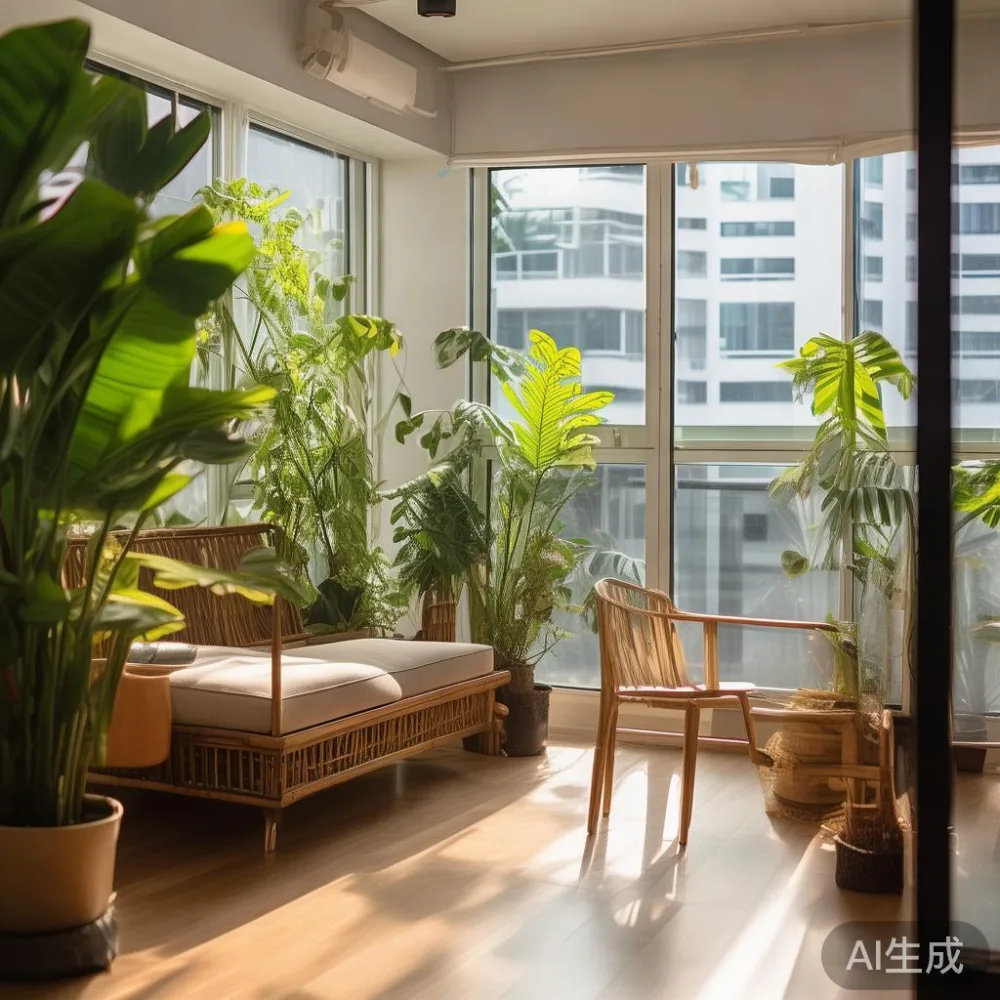
Wardrobes: sliding doors, internal lighting, and the 240 cm height question
For how to choose light luxury wardrobe options in a Singapore flat, the first decision is sliding versus hinged. Hinged doors need a 55 cm swing arc, which is a waste of usable floor space in anything under 10 sqm. Sliding doors need only 8–10 cm of overlap inside the frame, and a good 240 cm tall unit can hold roughly 1.8 m of hanging length, three shelves, and two drawers in a footprint of just 1.8 × 0.6 m. That same volume in a hinged wardrobe needs 2.0 × 0.65 m plus the swing zone. Internal LED strips (warm 2700K, around 4 W per metre) cost about SGD 120–180 to add post-delivery and pay for themselves in daily convenience — you stop leaving the bedroom light on at 6.30 am. MIDHILL's wardrobe range includes bamboo-lined interiors, which matters more than people realise: bamboo has natural anti-microbial properties and resists the musty smell that affects most HDB wardrobes during the November–January monsoon. A 2.4 m wardrobe weighs around 95–120 kg depending on the configuration, so it must be anchored to the wall — a stud finder and four M8 brackets take twenty minutes and are non-negotiable in flats with kids.
What about a marble table in a small living room — is it really worth the weight?
Honest answer: only as a side or coffee table, and only one piece. A 90 cm round marble coffee table weighs 28–35 kg, which two people can move, and the surface is forgiving of small living rooms because it visually disappears against a pale rug. A full marble dining table at 1.4 m weighs 110–140 kg and is genuinely a problem in most HDBs — it scratches the lift floor, blocks your corridor, and cannot be carried up most staircases without a four-man crew at SGD 60–80 per head. Stick to one marble accent: a 45 cm side table next to the solid wood sofa, or a 30 cm round stool that doubles as a plant stand. The contrast between cool stone and warm bamboo is exactly the post-modern light luxury gesture that lifts a small room out of the generic furniture-catalogue look. The other piece I always recommend for a small living room is a console table at 1.2 × 0.35 m behind the sofa. It holds keys, a lamp, and one framed piece, and at 35 cm deep it does not eat the walking path. MIDHILL's console options include a bamboo frame with a sintered stone top at 12 mm thickness, which is 60% lighter than real marble and shrugs off the curry-stain test that ends most HDB furniture.
Delivery, GST, and the boring bits that decide whether your plan works
Singapore's 9% GST applies to all furniture purchases, and the listed prices at most showrooms in Sungei Kadut or online are already GST-inclusive — confirm before you pay. Delivery in mainland Singapore (excluding offshore islands like Sentosa Cove) for pieces over SGD 350 is usually free from the larger makers, with a 14–28 day lead time for made-to-order bamboo furniture and 7–10 days for stocked solid wood sofa and bed frame options. For below SGD 350 the typical delivery fee is SGD 35–60 per trip, and a single delivery covering both a dining table and a wardrobe can save you around SGD 80. Lift bookings for HDB blocks are managed by your town council, and most deliveries outside peak hours (10 am–2 pm weekdays) will not require a special permit. If you live on the 12th floor of a Punggol Northshore block, the service lift holds 1.6 m wide × 2.3 m deep × 2.4 m tall — any single piece over 2.3 m must be split or hoisted, and that adds SGD 220–350 to your bill. Returning pieces is allowed within 14 days at most established makers, but custom bamboo furniture is often non-returnable once the lacquer is on, so measure twice. A MIDHILL bed in queen size, for instance, is a 7–10 day delivery to most Singapore addresses, GST-inclusive, with a 10-year structural warranty and lifetime refinishing service — useful when the humidity does its slow damage after year five.
A practical shopping list for a 60 sqm flat (under SGD 6,800)
Putting numbers to the theory: a 1.3 m bamboo dining table with four chairs, a 1.8 m bamboo bed frame with a queen mattress (separately around SGD 800–1,400 for a good pocket-spring), a 240 cm sliding wardrobe, two 38 cm nightstands, a 1.4 m three-seater solid wood sofa with removable covers, one 45 cm marble side table, and a 1.2 m console with stone top. Total furniture spend lands between SGD 5,200 and 6,800 depending on fabric grade and marble type, with another SGD 400–700 for delivery and installation. The single most expensive mistake people make in Tampines and Bedok flats is buying a 2.6 m wardrobe that they then have to return, paying a 20% restocking fee. Measure the lift before you fall in love with the showroom piece. The single cheapest mistake is buying a particleboard wardrobe for SGD 800 to save money — within eighteen months the humidity in a Singapore HDB will swell the shelves by 3–5 mm and the doors will not close. Pay for bamboo or solid wood once.
Three things I would skip in a 60 sqm Singapore flat
One: a TV console wider than 1.4 m. Most HDB living rooms are 3.0–3.4 m wide, and a wide console shrinks the wall and pushes the sofa forward into the corridor. Two: a bed frame with built-in side tables. The integrated look is tidy, but it removes the option of swapping a nightstand for a small desk later, and the MDF panels inside almost always swell in our climate. Three: a glass dining table. It photographs well, scratches in six months, and shows every fingerprint to a guest standing at your front door. Stick to bamboo or solid ash, keep one marble accent, and let the walls stay pale. That combination — quiet vertical bamboo, a single cool stone, and warm metal hardware — is what gives a small Singapore apartment the calm, considered feel of a much larger home, and it does it without turning the place into a furniture showroom.