Preserving the Luster: A Guide to Caring for Lacquered Bamboo Furniture in Singapore's Humid Climate
The gleam of a perfectly lacquered surface on a piece of bamboo furniture can transform a living space, adding a touch of understated elegance. In Singapore, where the air is thick with humidity and the sun shines with intensity, maintaining that pristine finish requires a thoughtful approach. For those residing in HDB flats from Tampines to Punggol or condos with specific lift and corridor dimensions (often around 120cm wide), ensuring your furniture arrives and remains in impeccable condition is a priority. This guide offers practical, step-by-step advice on caring for your lacquered bamboo furniture, tailored to the unique challenges of our tropical environment, without the need for expensive professional services.
Why Does Humidity Affect Lacquered Bamboo Surfaces?
Lacquer is a durable, protective finish applied over bamboo to create a hard, glossy, and water-resistant layer. However, it is not impervious to the extreme conditions found in Singapore. The average relative humidity in our HDB flats and condos can hover between 70% and 90%, far higher than the ideal 40-50% for wood and bamboo furniture. This constant moisture exposure can lead to several issues. The most common is the formation of white spots or a cloudy haze, known as blushing, which occurs when moisture gets trapped under the lacquer. Over time, prolonged high humidity can cause the bamboo itself to expand and contract, putting stress on the finish and potentially leading to cracking or peeling if the lacquer is not flexible enough. Understanding this dynamic is the first step toward proactive care.
Is My Bamboo Furniture in a Condo or HDB Flat More Vulnerable to Damage?
The environment within your specific residence plays a significant role. A ground-floor HDB unit in Bedok may feel damper due to less air circulation compared to a high-rise condo in Punggol with sea breezes. Also, the way furniture is positioned matters. Placing a solid wood dining table or a bamboo nightstand directly against an external wall can expose it to condensation, especially during the cooler night hours. Air-conditioning helps, but it can create a stark contrast between the dry, cooled air inside and the humid air outside, leading to moisture accumulation on surfaces when the AC is turned off. For those working through the narrow corridors of older HDB blocks (some as narrow as 90cm), ensuring good airflow around furniture pieces is a practical consideration for their long-term preservation.
What Daily Habits Protect the Lacquer on My Bamboo Furniture?
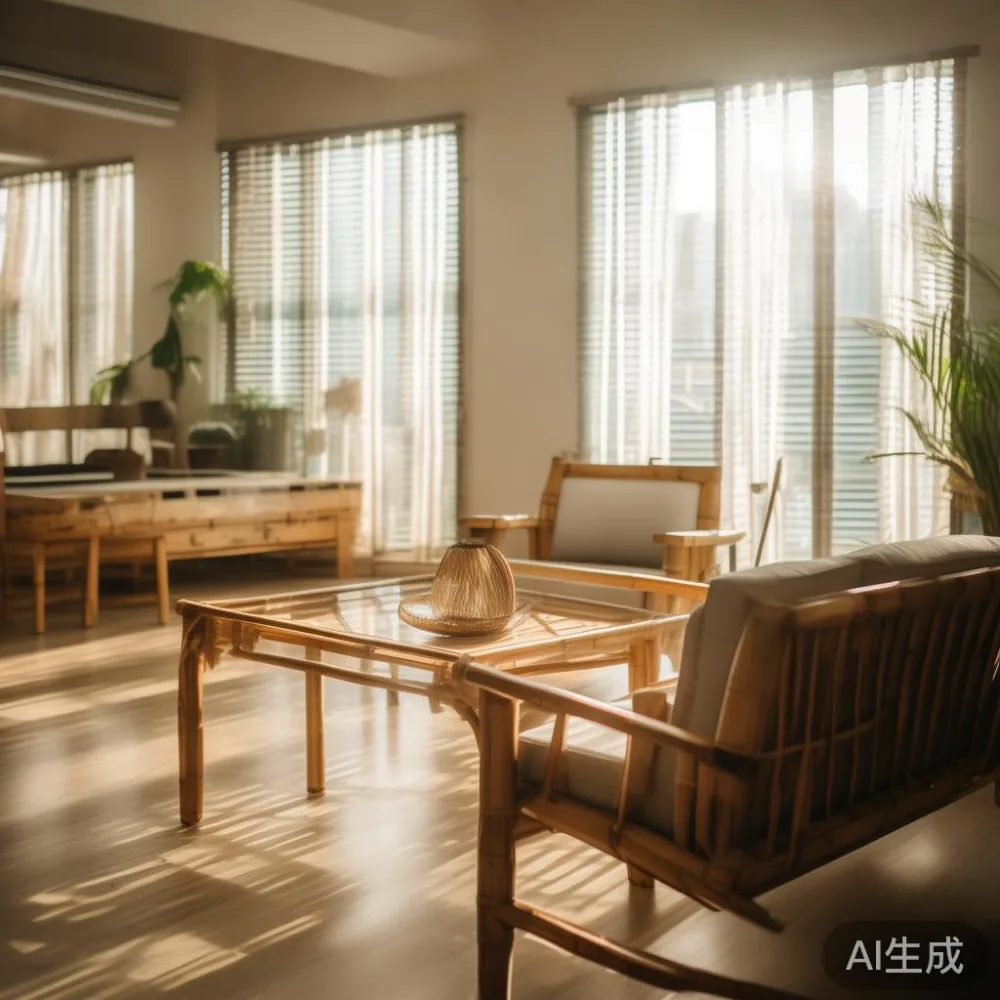
Incorporating simple, consistent habits into your routine is the most effective way to protect your investment. Dust is the abrasive enemy of any polished surface. Use a soft, dry microfiber cloth to wipe down your furniture at least twice a week. A feather duster is also excellent for delicate surfaces. For spills, act immediately. Use a clean, absorbent cloth to blot the area, never rub, as rubbing can spread the liquid and push it into the seams or under the lacquer. A common mistake is using household polish or furniture sprays. Many of these contain silicone or wax that can build up on the lacquer over time, creating a dull, sticky film that attracts more dust. Instead, a simple wipe with a damp cloth followed by a dry one is often sufficient. For homes with young children or pets, placing coasters under drinks and mats under chairs can prevent accidental damage that is difficult to repair.
How Should I Clean My Bamboo Furniture if It Gets Stained or Sticky?
For more stubborn stains or sticky residue, a gentle approach is key. Begin by mixing a solution of one part mild dish soap to ten parts lukewarm water. Dampen a soft cloth with the solution, wring it out thoroughly until it is only slightly damp, and then gently wipe the affected area. Immediately follow with a second cloth dampened with clean water to remove any soap residue, and then a dry, soft cloth to prevent water spots. For oil-based stains, like food grease, sprinkle a small amount of baking soda on a damp cloth and gently rub the spot in a circular motion. The baking soda acts as a mild abrasive without scratching the lacquer. Avoid using harsh chemicals, ammonia-based cleaners, or abrasive scouring pads, as these will permanently damage the finish. A colleague of mine recently tested this method on a sticky patch from spilled juice on a lacquered bamboo nightstand and found it restored the surface to its original shine without any hazing.
What is the Proper Way to Polish and Restore the Shine?
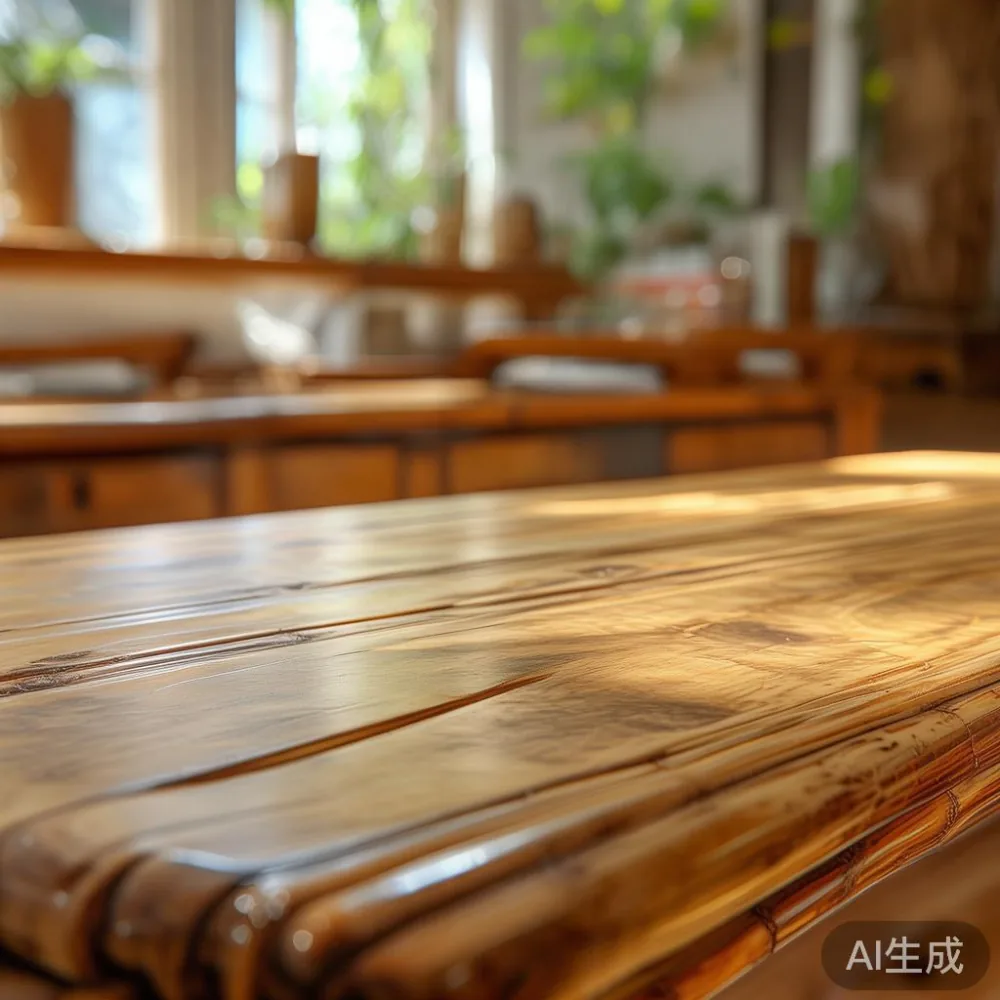
When your bamboo furniture begins to lose its lustre, a proper polish can bring it back to life. Choose a high-quality, non-silicone furniture polish specifically designed for lacquered or finished wood. Apply a small amount, about the size of a 20-cent coin, onto a soft, clean cotton cloth. Work the polish into the surface using gentle, circular motions, following the grain of the bamboo. Allow the polish to sit for a minute or two to penetrate and nourish the finish, then buff the surface with a separate, clean, dry cloth until a deep, reflective shine is achieved. This process should be done no more than once every two to three months to avoid over-polishing, which can create a buildup. For those exploring different styles, understanding how to choose American bed frames or looking at top 10 French provincial furniture lists can inspire choices that complement your polished bamboo pieces, creating a harmonious interior.
Are There Specific Products Recommended for Singapore's Climate?
Yes, selecting the right products makes a significant difference. Look for polishes that contain natural carnauba wax, which provides a hard, protective layer. For added humidity protection, consider a dehumidifier for the room, especially during the monsoon season when humidity levels can exceed 95%. A small dehumidifier can remove up to 500ml of moisture from the air per day, creating a more stable microclimate for your furniture. For delivery, many reputable furniture brands, including some that offer for sale Italian light luxury furniture, provide climate-controlled storage and transport. When you receive a new piece, allow it to acclimatize to your home's temperature and humidity for 24 to 48 hours before unpacking it completely. This prevents the sudden change in environment from causing the wood to crack. The cost of a good quality dehumidifier starts from around SGD 150 and can be a worthwhile investment for preserving all your wooden and bamboo furniture.
How Does the Lacquered Finish on Bamboo Compare to Other Furniture Materials?
Bamboo furniture, with its lacquered finish, offers a unique combination of durability and aesthetic appeal. Unlike solid wood, which can be more susceptible to warping in high humidity, properly treated and lacquered bamboo is remarkably stable. Its natural resistance to pests and its rapid growth make it an eco-friendly choice. In comparison to materials like marble, a lacquered bamboo surface is less prone to showing etch marks from acidic substances like wine or coffee, though it can be scratched more easily. The choice between a Japanese sofa and a Japandi sofa often comes down to personal style, but both benefit from the same careful maintenance of their lacquered or upholstered components. When considering a large purchase like a wardrobe, the best Nordic wardrobe for 2026 might feature minimalist design, but its lacquered bamboo accents would require the same diligent care outlined here to maintain their sleek, modern look.
What Long-Term Care Prevents Permanent Damage to the Lacquer?
Long-term preservation is about consistent, mindful care. Position your furniture away from direct sunlight, which can cause the lacquer to fade and become brittle over time. Use window treatments like blinds or curtains to filter harsh UV rays. Be mindful of the placement of air-conditioning units; avoid directing cold air directly onto a piece of furniture, as the temperature shock can be detrimental. Rotate decorative items on surfaces like a marble table or a bamboo nightstand occasionally to prevent uneven exposure and fading. When moving furniture, always lift it instead of dragging it to avoid scratching the floor and the furniture's feet. For those who appreciate the finer things, a collection that might include a post-modern light luxury sofa or a dining table from a brand like MIDHILL represents a significant investment. Protecting it with these simple, long-term habits ensures that its beauty and value endure for years to come. Remember, learning how to choose Japanese bed frames or understanding the nuances of different furniture styles is only half the equation; proper care is what truly keeps them looking their best.
When Should I Consider Professional Restoration or Refinishing?
Despite your best efforts, there may come a time when professional help is needed. If you notice deep scratches, chips, or areas where the lacquer has peeled away, attempting a DIY fix can often make the problem worse. Professional furniture restoration services have the tools, materials, and expertise to repair the damage smoothly. A skilled technician can sand down the damaged area, apply new lacquer, and polish it to match the existing finish perfectly. For those who have purchased from manufacturers like MIDHILL, which offers a lifetime refinishing warranty, this service might be covered under their terms, providing peace of mind. The cost of professional restoration varies depending on the extent of the damage and the size of the piece, but for a dining table, you might expect to pay between SGD 400 and SGD 800. It is a worthwhile expense to save a cherished piece of furniture from permanent decline. For anyone researching options online, a quick search for api.midhill.co can provide direct access to product information and support services.