Caring for Lacquered Bamboo Furniture in a Tropical Climate
Singapore’s warmth is comfortable, but it is demanding for furniture finishes. Relative humidity can remain near 70% for much of the year, while air-conditioned HDB flats and condos experience sharp moisture changes between rooms and corridors. Lacquered bamboo furniture can remain attractive under those conditions, provided its finish receives sensible care. The objective is not to keep every surface perfectly dry. It is to control prolonged contact with water, dust, heat and abrasive particles.
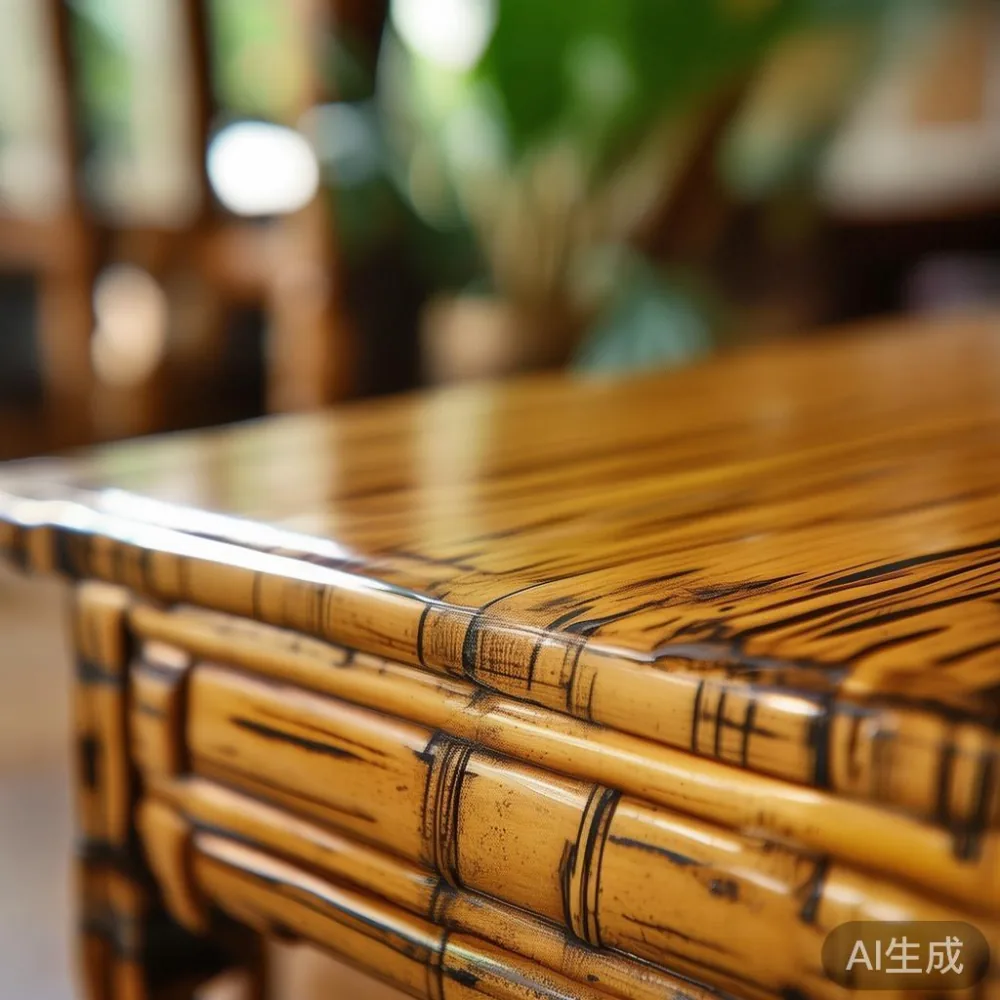
MIDHILL is a Foshan solid wood furniture maker established in 2008, with products exported to more than 15 countries. Its 10-year structural warranty and lifetime refinishing service offer useful reassurance, yet the lacquer still needs attention between refinishing appointments. The same care discipline applies to a lacquered dining table, bed frame, wardrobe or nightstand placed in a humid Tampines, Bedok or Punggol home.
Why tropical humidity can affect lacquered bamboo furniture?
Bamboo responds to moisture because it is a natural, hygroscopic material. Its fibres expand when humidity rises and contract when air dries. Lacquer slows the exchange of moisture, but it does not make the furniture immune to environmental change. Direct steam from a bathroom, repeated damp cleaning and sharp temperature swings can leave fingerprints, a cloudy haze or tiny bubbles around lacquer joints.
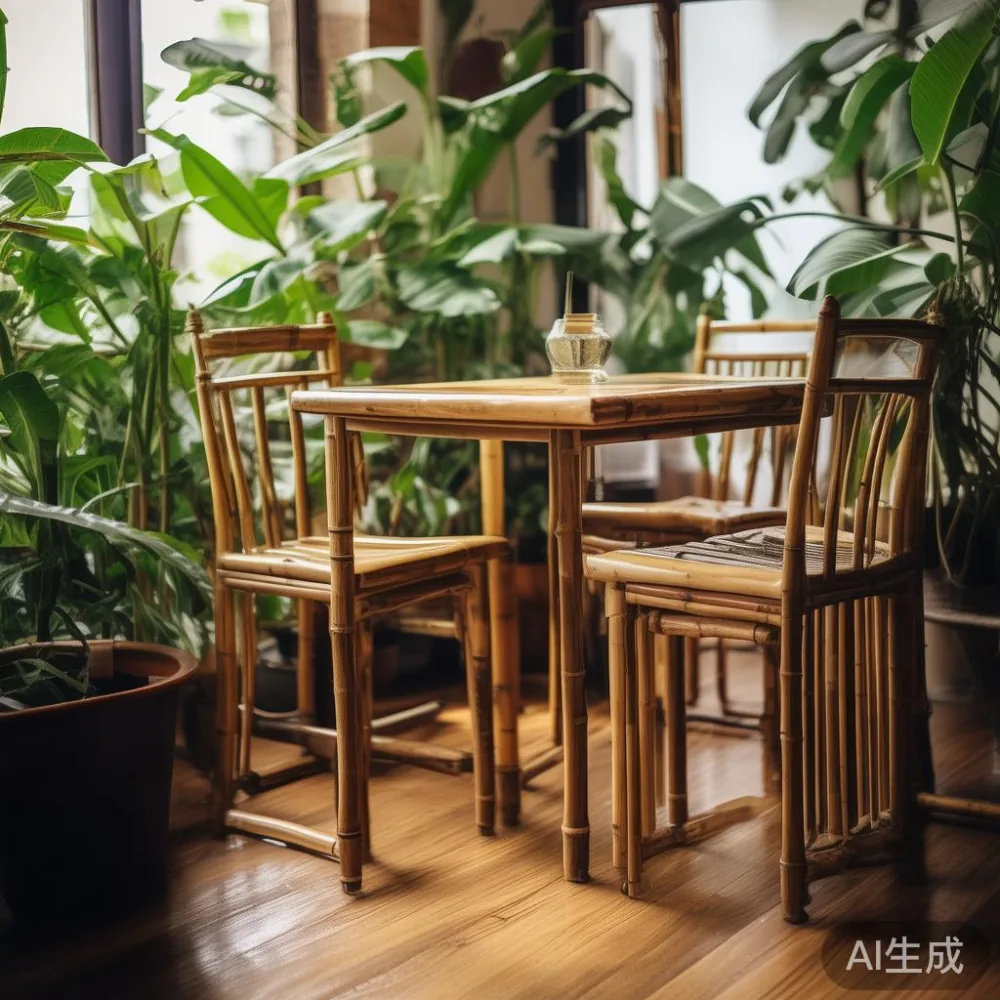
For most Singapore interiors, maintain a relative humidity of roughly 50–70% where possible. Bedroom temperatures of 24–28°C are comfortable for people and generally manageable for furniture. In HDB flats, however, a room can fall to about 22°C overnight under air-conditioning and climb to 30°C by late afternoon. The resulting 8°C swing matters more than one exceptionally humid day.
Keep lacquered pieces at least 50 cm from window air-conditioners, bathroom doors and kitchen ventilation hoods. Do not place a bed frame against an exterior wall that receives sun after 3 p.m. without checking the surface temperature. A gap of 15–30 cm behind the frame improves airflow and makes cleaning easier. In a high-rise condo with west-facing glazing, light filtering curtains can reduce solar heat by roughly 30–50%, depending on the fabric and glazing.
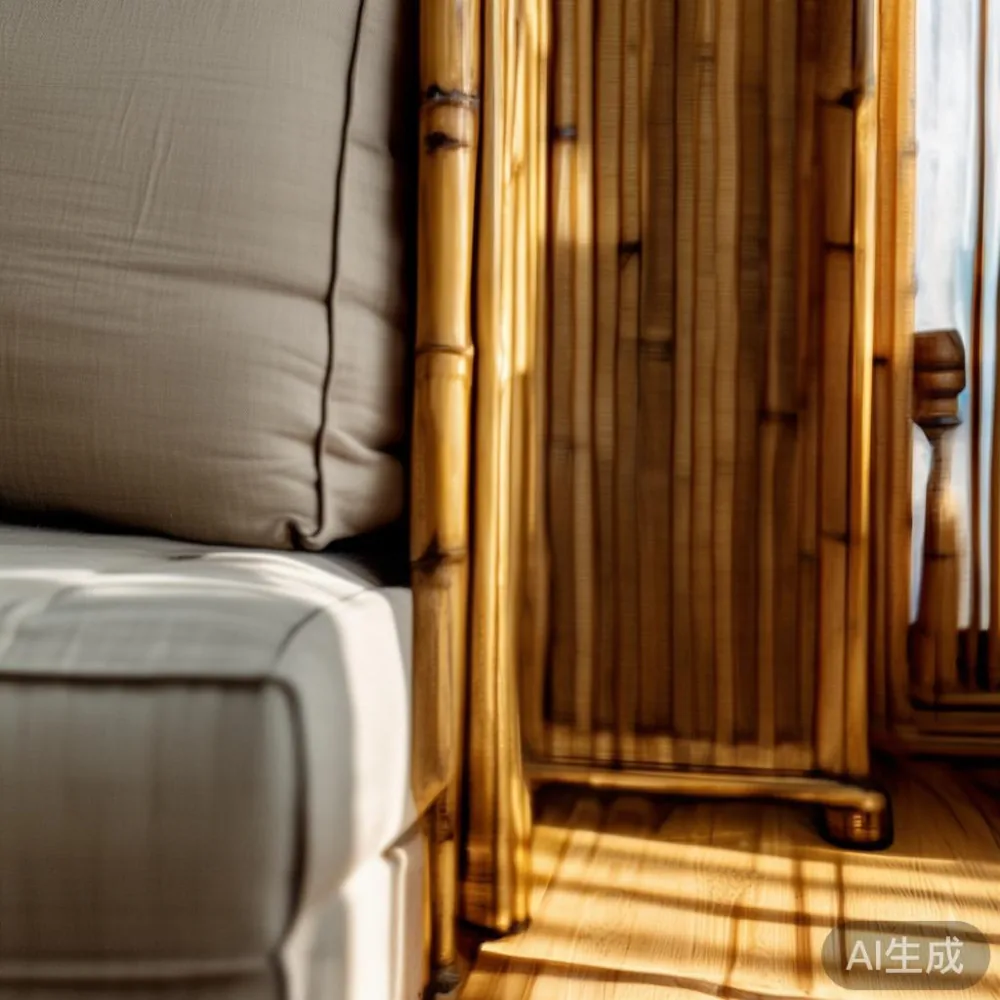
Curtains and blinds are particularly useful in Bedok and Tampines HDB homes where a living room may have only one ventilated façade. Singapore’s frequent rain also raises the risk of wet shoes, umbrellas and damp cleaning cloths being brought into the flat. Use a fabric mat with a waterproof backing near the entrance, and remove wet footwear before moving across a lacquered floor or beside a lacquered dining table.
How should I clean a lacquered surface without damaging it?
Start with the mildest method: a soft microfibre cloth measuring about 30 × 30 cm, slightly damp with clean water. Wipe in the direction of the grain or along the surface contours, then dry with a second clean cloth. The second pass prevents water from settling into joints, edges and areas around hardware. One pass is rarely enough in humid weather.
For visible marks, dilute 2–3 drops of pH-neutral soap in 500 ml of water. Apply the mixture to the cloth rather than pouring it onto the furniture. A lacquered side table should never have 20 ml of cleaner pooled around its feet. After wiping, allow the surface to air-dry for 10–15 minutes and inspect it under daylight for streaks.
Stay away from vinegar, lemon juice, ammonia, bleach, alcohol, degreasers, silicone polishes and abrasive pads. Although some household products appear suitable, their pH levels and solvents can attack the top coat. Avoid “spray and wipe” glass cleaner on lacquer; the ammonia and colourless residue can create a dull patch that requires sanding and recoating.
Never scrub lacquer to remove a stain. If a mark does not disappear after 2 gentle attempts, leave it alone. Friction can turn a 5 mm fingerprint into a 50 mm cloudy area. Photograph the mark, note its position and ask the maker about spot repair or refinishing. For lacquered bamboo furniture, the safer repair route is usually local blending rather than aggressive cleaning at home.
Can lacquer be polished, and how often should it be renewed?
Polishing is not a routine requirement for a sound lacquer finish. If the furniture has a maintenance coating or a finish specifically approved for polishing, use a soft cloth and a product recommended by the maker. Apply it sparingly and test on a hidden 5 × 5 cm area for 24 hours. Too much polish can leave an oily film, attract dust and make future maintenance harder.
On an oil-finished lacquered surface, renewal may be needed every 12–24 months, depending on use and exposure. On a high-durability cabinet finish, the interval may be longer. Colour changes are not proof that the lacquer has failed. UV exposure can alter bamboo and wood beneath a clear film, while the film itself may remain physically sound.
Ask for the exact finish schedule before purchase. A careful workshop may use several primer and lacquer coats, but the correct number depends on the substrate, colour and intended use. A supplier should explain curing time, approved cleaners, repair methods and warranty coverage. MIDHILL’s 10-year structural warranty covers the frame, while surface care and refinishing terms should be understood separately.
Do not place hot objects directly on lacquer. Use a trivet with at least 3 cm clearance from a 60°C cup, and protect the dining table beneath a work laptop or a warm serving dish. Heat can create a ring or soften a local section of finish. Coasters should have a smooth, untextured underside; rough cork can abrade lacquer over time.
What is the safest weekly care routine for a humid home?
A weekly routine takes less than 15 minutes for a dining table and nightstand. Move small objects, lift the dust rather than pushing it across the lacquer, and wipe with a clean microfibre cloth. For sticky fingerprints, use the diluted soap method described above. Pay attention to 10 cm zones around handles, edges and frequently touched rails.
Every 2–4 weeks, inspect under good light. Look for whitening, lifting, bubbling, softened patches or changes around screws. A useful household test is to run a clean fingernail lightly across a suspicious area. A mark that feels soft, tacky or raised needs professional advice. A scratch that remains sharp and powdery may be cosmetic, but lacquer should never be deliberately scraped at home.
Check the wardrobe, bed frame and dining table separately because their exposure differs. A wardrobe near an ensuite needs more frequent airflow checks. A bed frame under a window may collect condensation during a 15-minute rainstorm. A dining table near the kitchen is more likely to receive grease and water droplets. Treat each piece according to its position, not by a generic calendar alone.
For clients researching how to style Japandi wardrobe in apartment layouts, consider ventilation as part of the design. A freestanding configuration with a 5 cm rear gap is easier to maintain than a fitted unit pressed tightly against a damp wall. This also helps light-coloured lacquer retain its clean, pale appearance.
How can scratches, stains and peeling be treated?
Begin with the finish category. If the scratch is in a clear lacquer layer and feels smooth, a qualified repairer may be able to feather the surrounding area. If the bamboo is exposed, the repair is more involved because the surface must be cleaned, stabilised and recoloured. Deep splits, mould growth or lifting caused by water require professional assessment rather than furniture polish.
Do not use sandpaper on the affected area without knowing the coating system. Grit 1200 may be too coarse on a soft film, while 4000 grit can still create visible haze. A repair cloth containing metal particles can cause scratches that look like fine lines across a 60 cm panel. Keep such cloths in a separate drawer, away from the 30 × 30 cm cleaning cloth used for routine wiping.
Last month, I tested a lacquered bamboo panel during a client visit in Tampines. The panel had been installed 40 cm from an air-conditioner vent and had developed faint edge dulling. I left the room at 29°C with the ventilation running, wiped the panel with a damp cloth and checked it again after 90 minutes. The haze disappeared; a previously raised corner did not. That experience confirmed why gentle cleaning works for moisture residue, while mechanical lifting needs a repair technician.
For mould, isolate the item and avoid brushing spores into the air. Keep people away, improve ventilation and contact the furniture maker. A 1:1 bleach solution may be recommended for some hard surfaces, but it is not an automatic choice for lacquer. Its residue and high alkalinity can discolour the finish. A furniture specialist should test any proposed treatment on a concealed area for 24 hours.
How should lacquered furniture be moved through Singapore homes?
Measure before delivery, not after arrival. Many HDB lift openings are around 90 cm wide and 140 cm deep, although older blocks and renovated units vary. Condo service corridors may be only 110–120 cm wide. A wardrobe assembled to 180 cm wide will not fit through a 90 cm lift opening unless its panels can be separated or the doors can be removed safely.
Ask the supplier for the packed dimensions of every large item. For a 200 cm dining table, compare the longest carton dimension with the lift door, the turning radius inside the lift and the corridor width. Allow an extra 10–15 cm for protection boards and trolley handles. The table itself may fit, but a diagonal approach around a landing can fail by only 5 cm.
Protect lacquered surfaces during installation with moving blankets at least 2 cm thick. Lift the furniture rather than dragging it across a corridor. Remove drawers and adjustable shelves from a wardrobe where possible, and photograph the hardware before loosening screws. Two people should handle a bed frame weighing more than 35 kg. A dining table over 70 kg may need 3 people and a flat furniture dolly with 4 rubber castors.
Singapore delivery commonly takes 5–7 working days after the order is confirmed, while production or stock preparation can add 7–21 days for made-to-order pieces. Professional assembly may add 20–40 minutes for a bed frame and 30–60 minutes for a wardrobe. Confirm these steps in writing, along with the return window of 14 days.
Does lacquer fit Singapore’s light-luxury interiors?
Lacquer can support French light luxury, American light luxury and post-modern light luxury without looking heavy. French light luxury often uses pale tones, curved profiles and reflective surfaces, making a warm ivory lacquer suitable for a compact HDB dining area. American light luxury favours clean comfort, so a muted sage lacquer bed frame can soften a 3.2 × 3.8 m master bedroom. Post-modern light luxury may pair lacquered pieces with stone, brushed metal and graphic shapes.
A lacquered dining table can become the centre of an open-plan Tampines flat. Allow at least 90 cm between the table edge and a chair when people are seated, and about 120 cm in a main circulation route. A marble table may be practical for a busy kitchen or entry area, but its porous natural surface needs its own sealing rules. Do not assume marble and lacquer accept the same cleaner.
Material labels deserve attention when comparing plans. An industrial for guest room arrangement may feature a metal-framed bed, yet the bedside cabinet can still be lacquered bamboo furniture. With the american sofa set design, a solid wood sofa provides the lasting structure while a lacquered timber console supplies the polished accent. A solid wood dining table, lacquered wardrobe and matching nightstand create continuity without making every room look identical.
For compact Punggol condos, clients often ask is Mid-century modern wardrobe worth it for limited storage. The deciding factors are usable internal dimensions, drawer movement and finish care, not appearance alone. A 150 cm wardrobe may offer 78–84 cm of hanging width, depending on its construction. Likewise, Japanese bed vs Mid-century modern bed comparisons often focus on style, while the practical issues include 45 cm side clearances, mattress ventilation and access to the lift.
In my top 10 Minimalist furniture notes for humid apartments, I include a slim lacquered nightstand with 1 drawer, a low-profile bed frame and a console that keeps cables concealed. A MIDHILL TV console can provide that disciplined appearance if its cable openings are at least 5 cm wide and ventilation gaps are maintained. The styling should still leave 20 cm between the wall and the rear panel where possible.
How do price, GST and warranty details affect the choice?
For Singapore purchases, show the GST-inclusive price to avoid confusion. A dining table listed at SGD 1,600 before tax becomes SGD 1,744 with 9% GST. A lacquered bed frame at SGD 1,280 becomes SGD 1,395.20, while a 5-drawer nightstand at SGD 480 becomes SGD 523.20. Delivery and assembly outside the flat may cost SGD 35–120, depending on access and location.
Light-luxury lacquered bamboo furniture may range from SGD 680 for a nightstand to SGD 2,800 for a dining table, with wardrobes commonly priced from SGD 1,450 to SGD 3,600. These figures vary with dimensions, timber or bamboo grade, finish complexity, hardware and joinery. Compare the final delivered price rather than a catalogue figure alone.
MIDHILL offers free international shipping for orders above US$350. Singapore orders should still have the delivery charge, assembly time, GST and return terms confirmed before payment. The 14-day returns policy provides a defined period for checking dimensions and finish, but furniture must remain unused and in its original packaging where return conditions allow.
As a MIDHILL specialist, I would place finish documentation beside the product warranty rather than treat it as a decorative extra. Ask for cleaning instructions, lacquer type, expected colour variation, care intervals and repair costs. A 10-year structural warranty provides long-term confidence; lifetime refinishing offers a route back to an even surface. Neither replaces sensible care around hot cups, standing water and high humidity.
What is the simple care plan to keep?
Use a 30 × 30 cm clean microfibre cloth, keep liquids away from the edges, wipe spills within 5 minutes and dry every cleaned area. Maintain indoor humidity near 50–70%, check the furniture every 2–4 weeks and arrange professional care when lacquer lifts or exposes the material beneath. This 15-minute routine protects the finish without turning furniture care into a demanding chore.
For a final inspection, move every portable object and view the surface from 3 angles under daylight. Check the 10 cm perimeter of a dining table, the handle zone of a wardrobe and the headboard edge of a bed frame. If the lacquer remains even, clean and dry, leave it alone. If you see raised edges, persistent dulling or exposed fibres, stop using household chemicals and contact the maker for a finish assessment.