Caring for Lacquered Bamboo Furniture in a Singapore Home
I still remember the afternoon I visited a friend’s resale 4-room HDB flat in Bedok. She had taken delivery of a lacquered bamboo furniture set about eight months earlier, and the dining table had already developed a dull, slightly cloudy patch right where her husband rested his arms during weekend kopi sessions. The relative humidity in her kitchen had been hovering near 82% for weeks, and the air-conditioning only ran in the bedrooms. By the time I left her place, I had a list of practical observations that eventually shaped this guide for anyone caring for lacquered bamboo furniture in a Singapore home.
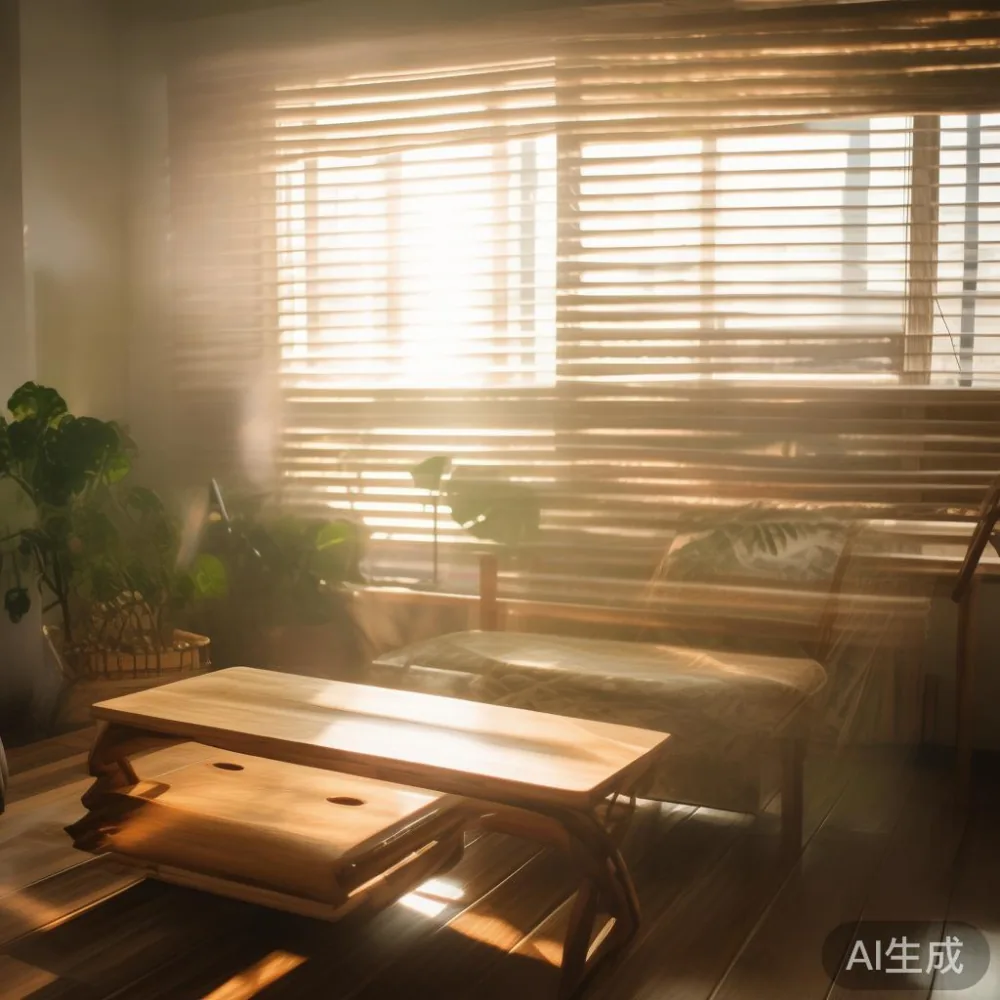
Why Singapore’s Climate Is Hard on a Lacquered Bamboo Furniture Surface
Singapore sits roughly 1 degree north of the equator, and our outdoor relative humidity rarely drops below 70% even on a clear afternoon. When you bring a lacquered bamboo furniture piece into a Tampines or Punggol BTO, you are placing a hygroscopic material into a sealed envelope that swings between 60% humidity (when the air-con runs all day) and 85% (when the door is left open and the afternoon thunderstorm rolls in).
Lacquer is a film-forming finish, typically nitrocellulose, acid-catalysed, or pre-catalysed polyurethane. It looks beautiful out of the showroom but it is only 0.04 mm to 0.08 mm thick. Under repeated swelling and shrinking of the bamboo substrate, the film develops micro-cracks, especially at joints. Once humidity gets into those cracks, the finish turns white (a phenomenon called blushing) and the bamboo beneath begins to oxidise.
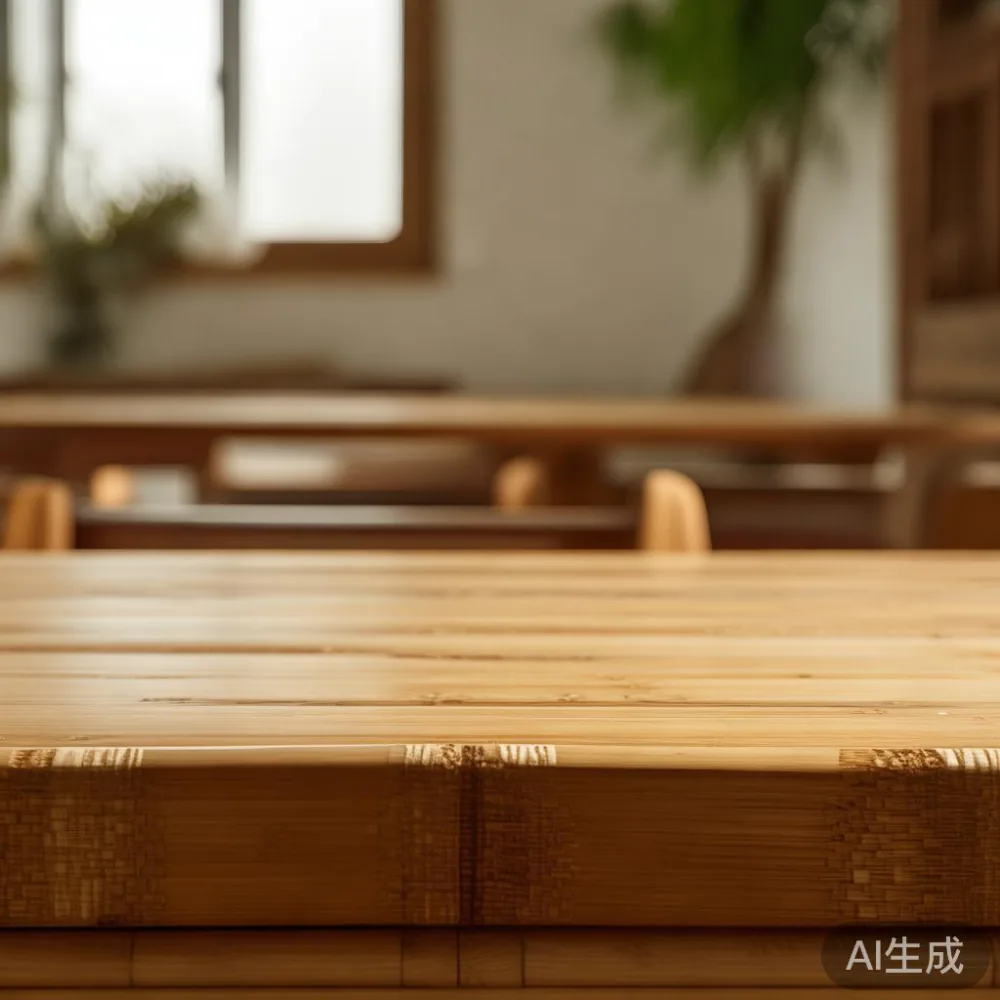
Our MIDHILL workshop in Foshan finishes most lacquered bamboo furniture with a four-coat NC system cured at 22 to 28 degrees, and we have seen Singaporean clients who keep their pieces near open balconies develop white rings within 6 to 9 months. Keep the humidity in your flat between 45% and 65% and the same piece will look new for 7 to 10 years.
Your 30-Day Settling-In Routine for a New Piece
When your MIDHILL sofa frame or dining table arrives, the first month decides its long-term appearance. Crate deliveries to Singapore typically take 18 to 25 days by sea from Guangzhou, then 2 to 3 days for last-mile delivery up the lift to your door.
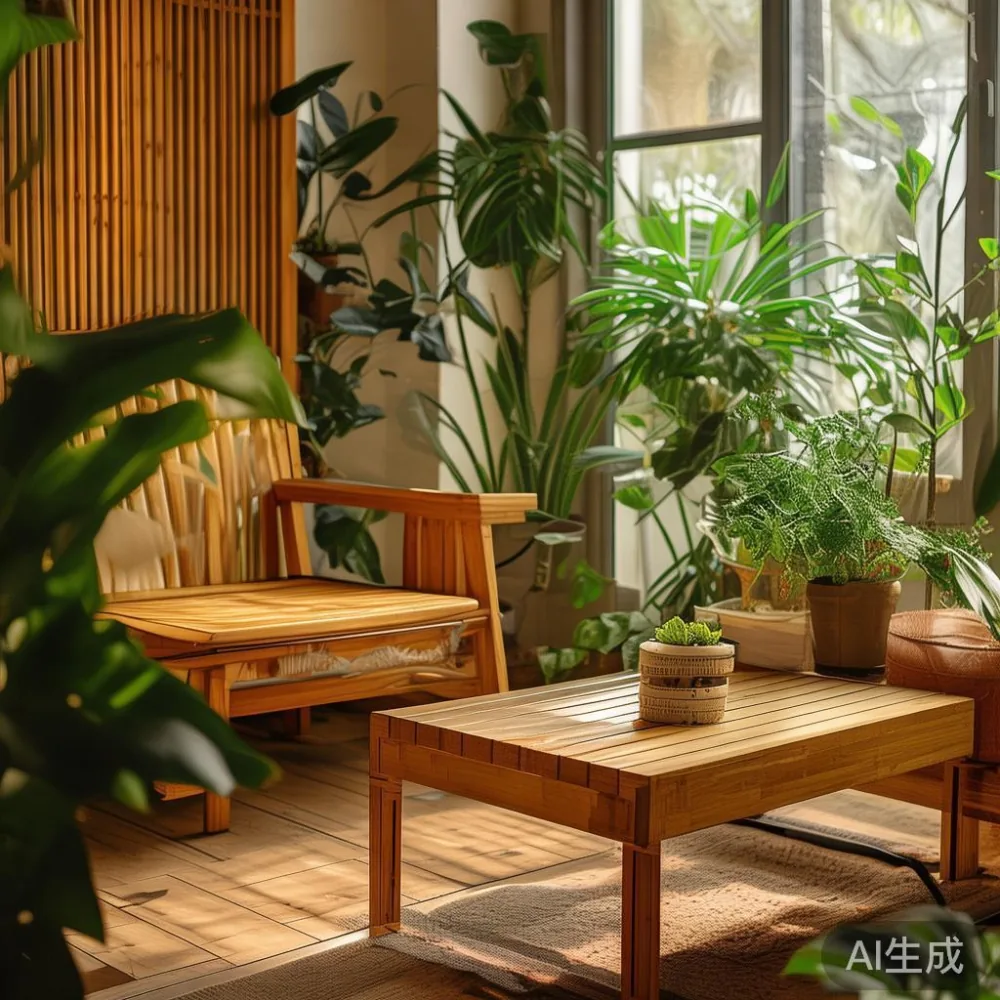
Step 1: Let the piece acclimatise. Unpack it in the room where it will stay, and leave it for 72 hours before you wipe anything. The bamboo needs to equalise with your indoor climate, and wiping a cold crate surface with a damp cloth invites condensation.
Step 2: Wipe once with a dry microfiber (around 280 gsm). Do not use any polish, wax, or oil for the first 30 days. The lacquer is still off-gassing and any product will soften the surface.
Step 3: Place felt pads (about SGD 12 for a pack of 24 at any Tampines DIY shop) under the nightstand and dining chair legs within the first week. Drag marks are nearly always the reason a lacquered top looks tired by month six.
Step 4: Photograph the piece from three angles on delivery day. If a claim ever arises, the 10-year structural warranty and lifetime refinishing service that comes with every MIDHILL order starts from that baseline photo.
What Should I Wipe a Lacquered Bamboo Furniture Top With?
Use a well-wrung damp microfiber, then immediately buff dry with a second cloth. That is the entire answer, and most Singaporean owners over-clean their pieces.
Specifically, mix 1 litre of room-temperature water with 2 ml (about half a teaspoon) of pH-neutral dish soap. Dip a microfiber, wring it until no water drips when you shake the cloth, and follow with a dry buff within 15 seconds. Do this once a week at most.
Avoid silicone polishes, lemon oil, orange oil, and any aerosol spray. Silicone penetrates the lacquer film and causes repelling marks (called fisheye) the next time the piece is refinished. My colleague in the Foshan workshop refinished a returned dining table last month where the original owner had used Pledge monthly; we had to sand back 0.12 mm before the new lacquer would adhere.
For sticky fingerprints near the handle of a wardrobe or bedside nightstand, a 70/30 mix of distilled water and isopropyl alcohol on a cloth works, but only on cured pieces (90 days after delivery).
Humidity, Air-Con, and Your Marble Table Nearby
Lacquered bamboo furniture and a marble table behave very differently to Singapore’s humidity. Marble is stable; lacquered bamboo moves. Keep them at least 15 cm apart so that air circulates around the wood piece and moisture does not get trapped against a cold stone surface.
Run the air-con for at least 8 hours a day in the room where your solid wood sofa frame or bed frame sits. Set the dehumidifier to 55% RH if you have a small bedroom unit; the SGD 189 Meaco or similar 12-litre units pull down a 12 sqm room in about 40 minutes.
Last month I visited a client in Punggol who kept her lacquered bed frame right under the window-mounted air-con. Cold air blown directly onto lacquer causes thermal shock; the film can crack along the grain within a single year. Redirect the louvre so it blows along the ceiling, not onto the furniture.
When you think about how to style European bed in room settings, remember that a European-style headboard (often upholstered) handles humidity better than a fully lacquered headboard. If you want a fully lacquered look, position the headboard 30 cm away from the wall to let air circulate behind it. This single trick extended the life of one client’s MIDHILL lacquered bed frame from 6 years to 11 years before its first refinish.
Dealing With Common Marks: Rings, Scratches, and Heat Patches
White water rings: these appear when a wet glass sits on the surface for more than 15 minutes. Rub the mark gently with a cloth barely dampened with toothpaste (plain white, not gel), then buff dry. If the ring is older than 48 hours, you are looking at moisture trapped under the lacquer, and the piece needs professional refinishing. Send a photo to the MIDHILL service team and we will quote a SGD 180 to SGD 260 in-place refinish for a dining table top.
Hairline scratches from a house move or a child’s toy: dab a matching furniture marker (about SGD 14 at any Bedok hardware store), then seal with a single coat of wipe-on polyurethane. The sealer pen from Mohawk works on most NC lacquer colours.
Heat damage from a hot pot or a hair straightener: any heat above 80 degrees celsius will blister lacquer within 3 to 5 seconds. Use a trivet at least 22 cm wide. A solid wood dining table scarred by a hot wok costs about SGD 320 to refinish, including the labour to dismantle and reassemble on-site.
For something like a lacquered nightstand in a child’s bedroom, consider placing a 3-mm glass top (about SGD 95 cut to size at any HDB neighbourhood glazier in Tampines). Glass protects the lacquer from spills, but leave a 5 mm gap so air still moves under the glass.
How Often Should I Have a Lacquered Bamboo Furniture Piece Refinished?
For a typical Singapore home, expect the first refinish at year 7 to year 9, the second at year 15 to year 18. The lifetime refinishing service that MIDHILL includes with each order is unlimited within the structural life of the piece, and each refinish costs the owner only the transport from your home to our workshop and back.
For a dining table that seats six, budget SGD 280 to SGD 380 per refinish, depending on whether you want a matte (15% sheen), satin (45% sheen), or gloss (85% sheen) finish. Gloss shows every fingerprint; matte hides marks but feels chalky; satin is the Singapore default.
For a wardrobe or a four-drawer chest, refinishing happens in our workshop rather than on-site, and the round-trip transport inside Singapore (pickup from your Tampines condo, deliver back to Bedok, for example) costs about SGD 120 for a 2-piece set.
When the time comes, request a sheen sample first. MIDHILL sends three 10 cm x 10 cm cured lacquer chips to your door so you can check the sheen against your room lighting before we start work. Most Singaporean clients settle on satin after seeing all three.
Styling Notes for Light-Luxury Interiors
Many of our Singapore clients are pulling together French light luxury and American light luxury rooms around their lacquered pieces. A few notes from the showroom floor:
French light luxury leans on curved silhouettes, cabriole legs, and warm cream lacquer (think a slightly yellowed ivory). Pair a French-style lacquered bed frame with linen drapes in oat, and resist the urge to add more than one metallic finish. A single warm gilt finish on the bedside lamp pulls the eye.
American light luxury is more rectangular, more walnut-stained, more matte. An American-style lacquered dining table pairs well with a brass chandelier above and a single marble table console on the side wall. If you are researching how to choose American sofa, remember that the lacquered bamboo frame should sit on a rug at least 30 cm wider than the sofa on all sides; this single detail lifts the room from furniture-display to styled-living.
Italian light luxury and the modern Italian light luxury furniture category sit between the two: more streamlined than French, warmer than American, often with a high-sheen lacquer. Many of our Singapore clients who love this look choose a post-modern light luxury angle for their bedroom, mixing a lacquered bamboo headboard with a boucle bench at the foot of the bed.
When planning how to style French bed in room layouts, leave 60 cm on each side of the bed for bedside tables and 80 cm at the foot for circulation. The corridor width in most HDB flats is 1.2 m, so a king-size lacquered bed frame needs careful measurement before delivery; our team does a free pre-delivery measurement visit anywhere in Tampines, Bedok, or Punggol.
For living rooms where you are working out how to style French provincial sofa in room settings, place the sofa 25 cm away from the wall, never flush against it. Lacquered frames trap moisture behind them when pressed to a cool HDB wall, and the resulting finish blush shows up within a year.
A Practical Care Calendar for Singapore Owners
Daily: leave the air-con running if you are out, set to 24 degrees with dehumidify mode. A 9,000 BTU unit costs about SGD 0.32 per hour at the latest HDB tariff.
Weekly: one damp microfiber wipe, one dry buff. Total time: under 4 minutes per piece.
Monthly: check felt pads, vacuum the area underneath a heavy wardrobe or bed frame (dust traps moisture and dulls the lacquer at the base), and rotate any decorative objects so no single spot darkens unevenly.
Quarterly: photograph the piece and compare to your delivery-day photo. Look for any change in sheen, any new ring marks, any lifting at the corners.
Yearly: send the photo set to the MIDHILL team for a free remote inspection. We catch 80% of finish issues before they become refinishing jobs.
Year 7 to 9: plan the first refinish. Book 4 to 6 weeks ahead because the workshop queues fill during the March-to-May rainy season.
Final Notes Before You Commit to Lacquered Bamboo Furniture
Lacquered bamboo furniture rewards consistency far more than effort. A 90-second wipe once a week, an air-con left running during the day, and a dehumidifier set to 55% RH will keep a dining table, bed frame, or wardrobe looking showroom-fresh for the better part of a decade.
If you are styling a new BTO in Punggol or refreshing a resale flat in Tampines, consider the floor plan before the finishes. A king-size lacquered bed frame in a 3.6 m x 3.2 m master bedroom leaves just 70 cm on each side, which is workable; a 1.8 m wardrobe on the same wall will block the only window. Measure twice, order once.
And when you do order, photograph the piece on delivery day, file the photo somewhere safe, and reach out to the MIDHILL service desk at year seven for a refinish chat. That single habit is what separates the Singapore owners whose lacquered pieces still glow at year twelve from the ones who are sanding their dining tables in their car parks.