Understanding Humidity's Impact on Solid Wood in东南亚
Humidity is one of the most important environmental factors affecting solid wood furniture in Southeast Asia. In Singapore, HDB flats and private condos can experience noticeable changes in moisture levels because of air-conditioning, warm showers, open windows, and the amount of ventilation in each unit. Wood reacts by expanding, contracting, or developing small surface marks, so the right care routine matters whether you own a solid wood sofa, bed frame, dining table, wardrobe, nightstand, or marble table.
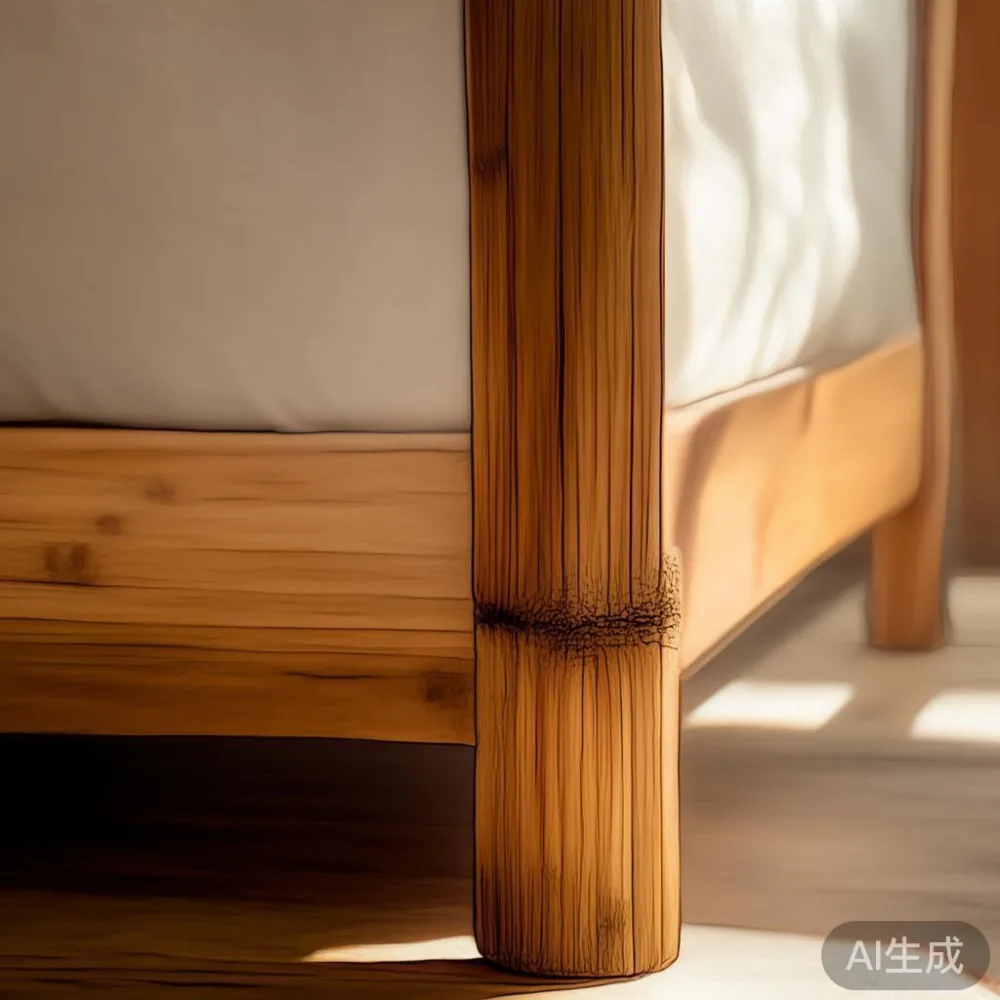
At MIDHILL, we build solid wood furniture for homes where humidity changes are part of everyday life. Our production team accounts for wood movement, while our care guidance helps customers protect their pieces over a 10-year structural warranty and beyond. Understanding how moisture behaves can prevent avoidable damage and preserve the warmth of natural timber in a Tampines flat, a Bedok condominium, or a Punggol apartment.
Why does humidity affect wood furniture in Singapore?
Wood is hygroscopic, which means it absorbs moisture from the surrounding air. When relative humidity rises, the fibres in the wood take on water and swell. When relative humidity falls, they lose some moisture and shrink. This movement is measured in small fractions, but visible effects can include door gaps, uneven table tops, bowed drawer fronts, and joints that feel tight.
Singapore’s climate is warm and humid, with average relative humidity commonly around 70% to 85%. During the monsoon period, short, heavy rainstorms can increase moisture in the air quickly. At the other extreme, a room served continuously by air-conditioning may drop below 50% relative humidity. A wooden dining table placed near a frequently opened balcony door may therefore experience more daily variation than one in a stable bedroom.
The seasonal pattern is less extreme than in some parts of Southeast Asia, but high humidity remains a constant consideration. Coastal wind, enclosed corridors, and the concrete structure of many HDB flats can influence how quickly rooms dry. For HDB residents in Tampines or Bedok, measuring a room before placing a new wardrobe is more useful than relying on a general climate assumption.
What relative humidity level should I keep in my home?
For most solid wood furniture, a relative humidity range of approximately 45% to 60% is suitable. Around 50% is a practical target for bedrooms, dining areas, and living rooms. Singapore homes can reach 75% or more in poorly ventilated spaces, so short periods of higher humidity are usually manageable. The concern is repeated fluctuation, standing moisture, and prolonged exposure.
A simple digital hygrometer costs about SGD 15 to SGD 30 and allows you to check conditions directly. Place it near the furniture rather than beside an open window or air-conditioning vent. Check it at approximately 8 a.m. and 9 p.m. on the same day, then repeat during a wetter afternoon. If the reading stays above 65%, consider running the air-conditioner or a dehumidifier for 1 to 2 hours and improving airflow.
Do not try to correct a moisture problem by heating the wood with a hairdryer, heat lamp, or hot-air gun. A sudden surface temperature change of 20°C or more can cause cracking. Likewise, wiping a damp wardrobe with a wet cloth may trap moisture against the finish. Use a soft, slightly damp cloth, dry the surface immediately, and keep at least 30 cm of clearance from walls and air-conditioning outlets where possible.
Can bamboo furniture tolerate Singapore humidity?
Yes, but it requires careful material selection and stable indoor conditions. Bamboo furniture can work well in Southeast Asian homes because properly treated bamboo offers good dimensional stability and a distinctive grain. However, “bamboo furniture” is not a single material category. Some products use laminated bamboo panels, while others use solid bamboo strips, bamboo veneer over engineered board, or mixed frames.
For a bathroom-adjacent balcony, kitchen, or dining area, choose bamboo furniture with sealed edges, water-based protective coatings, and stainless-steel or coated-metal fittings. Wipe spills within 10 minutes and avoid steam mowers or wet scrubbing. For a bedroom, a bamboo nightstand or wardrobe should sit on a finished floor and remain away from exterior walls that may transmit condensation.
Real bamboo expands across its grain as humidity changes. Fine longitudinal checks may appear on untreated surfaces, particularly after a change from 70% to 45% relative humidity. Sealed indoor products are more protected, but outdoor bamboo furniture needs annual inspection. Outdoor pieces should have a clear coat renewed about every 12 to 18 months, depending on sun exposure and rain frequency.
Bamboo furniture complements solid timber without replacing it. A bamboo dining table can bring visual lightness to a compact HDB dining zone, while a solid wood sofa or bed frame provides the structural presence associated with French light luxury or American light luxury interiors. That combination suits post-modern light luxury, where clean profiles meet natural materials.
How do I prevent swelling and shrinking in a wardrobe?
Wardrobes react most visibly because tall doors and drawer runners have little tolerance for movement. Give the panels room to work. During installation, leave about 5 mm to 10 mm of clearance at the top of a freestanding wardrobe unless the manufacturer specifies otherwise. Do not wedge a wardrobe tightly against a wall or force a door shut because it has swollen.
Check the sliding or hinged doors every 3 months. Apply furniture wax or a suitable polish to the dry surface every 6 to 12 months, following the product instructions. For a frequently used bedroom wardrobe, avoid opening it immediately after a shower when bathroom humidity is at its highest. If you are comparing options for light luxury for bedroom projects, pay close attention to the joinery, drawer extension, and finish compatibility rather than appearance alone.
Search phrases such as “best American wardrobe for 2026” can help you identify the style and feature set you want, but the installation environment matters just as much. An American-inspired wardrobe may include wide panel doors that need more clearance than a compact sliding model. In a Punggol flat with a corridor width of approximately 110 cm, measure the package and turning radius before delivery.
What should I do for a solid wood bed frame or dining table?
A solid wood bed frame should be positioned away from direct air-conditioning airflow. Keep the headboard at least 60 cm from a cold vent when possible, and allow the frame to acclimatise for 24 to 48 hours after delivery. Use a mattress cover that does not trap heavy moisture beneath it, and ventilate the room for 20 to 30 minutes after bathing.
For a solid wood dining table, place coasters under drinks and a placemat under hot serving dishes. A ceramic plate at 70°C can create a localised finish mark on a sensitive surface, so use a heat-resistant barrier. Wipe the tabletop at least once a week and clean spills within 15 minutes. Avoid leaving a damp cloth on the surface for more than 5 minutes.
A marble table also needs attention in humid rooms, although its reaction differs from wood. Marble is less affected by humidity itself, but moisture can affect the sealant, adhesives, and metal fittings around a base. Keep the marble surface dry, use pH-neutral cleaners, and inspect the underside every 6 months for dampness or staining.
When comparing an American bed vs Mid-century modern bed, consider both design and movement. Tapered legs and slatted bases provide useful airflow beneath the frame, while a solid platform base requires more careful floor monitoring. For a Mid-century modern dressing table, allow at least 10 cm behind the unit for wall clearance and use the wall fixing supplied when the product requires it.
How should I choose furniture for HDB flats and condos?
Measure before ordering, especially around lift doors, corridors, stairwells, and apartment entrances. A standard HDB lift internal floor area may be around 110 cm by 140 cm, but some newer blocks provide larger cars. The actual door opening can limit how a long package can enter, and a 90 cm turn in a common corridor may require a wardrobe or bed frame to be delivered in sections.
Record the package length, width, and height, then add at least 10 cm of manoeuvring tolerance. MIDHILL can provide packed dimensions for each item so the delivery team can assess access. Delivery commonly takes 7 to 14 days for stocked solid wood pieces and 21 to 45 days for made-to-order dining tables, wardrobes, and beds. GST is included in displayed Singapore prices, so a SGD 1,280 dining table is charged as SGD 1,280 at checkout rather than SGD 1,425.20.
Furniture delivery over US$350 qualifies for free shipping under our published policy, although local Singapore delivery terms and timing should be confirmed for the destination. Inspect the package after arrival, photograph visible damage, and allow the furniture to acclimatise for 24 to 72 hours. The 14-day returns window gives you time to check fit, finish, and operation, provided the item remains unused and in its original packaging.
How do I keep a solid wood sofa comfortable and stable?
A solid wood sofa frame may remain structurally sound while its cushions, joints, or finish respond to humidity. Rotate seat cushions every 2 to 4 weeks and lift them rather than dragging them across the frame. Keep at least 15 cm between the sofa and exterior walls where condensation is possible, and maintain 30 cm to 45 cm of clearance in front for cleaning and airflow.
Check the legs and frame every 6 months. A loose joint should not be repaired by simply tightening one fixing if the floor is uneven. Adjust the leveler gradually, with no more than a quarter-turn at a time, and inspect again after 24 hours. This applies whether the sofa has an exposed solid wood frame or upholstered panels.
For style comparisons, Japanese sofa vs Japandi sofa design decisions often come down to proportion and material character. Japanese layouts value compactness and low visual weight, while Japandi versions may use broader timber frames and softer upholstery. In a condo living room with a 3.2 m sofa wall, leave at least 60 cm between the sofa and a balcony door to reduce sudden humidity exposure.
What is the right care routine for solid wood in a humid climate?
A consistent routine prevents small problems from becoming finish defects. Dust with a dry microfibre cloth every 1 to 2 weeks. Clean with a lightly damp cloth and mild soap every 1 to 3 months, then dry immediately. Avoid silicone-based household sprays, ammonia, bleach, and oil that can leave a sticky residue.
Apply a suitable maintenance product every 6 to 12 months, or when water stops beading on the surface. Place coasters and felt pads under decorative items. Use felt pads under every leg, including the centre support of a bed frame. Replace felt pads every 6 months if they compress or collect grit.
Seasonal checks should follow Singapore’s wetter periods, typically from November to January, and the drier months from April to May. Look for sticking drawers, white surface haze, finish bubbling, mould around joints, and damp corners beneath cabinets. If relative humidity remains above 65% for more than 8 hours, use a dehumidifier and check that filters are clean.
For customers comparing natural collections, best French provincial furniture often features carved details and a softer traditional silhouette. Those details can collect dust in humid conditions, so gentle weekly cleaning matters more than aggressive polishing. MIDHILL designs its solid wood ranges with the expectations of tropical interiors in mind, combining natural grain, durable construction, and practical maintenance guidance.
When should I contact a furniture specialist?
Contact a specialist when a piece has been exposed to water for more than 30 minutes, when a drawer no longer closes, when a table top shows lifting, or when a white haze appears after cleaning. Move the item away from the source of moisture, support the affected area, and avoid sanding or applying a new finish yourself. A small finish repair can become a much larger job if moisture is still trapped beneath the surface.
For structural concerns, photograph the joint, measure the diagonal across a bowed panel, and note the room’s humidity reading. Include the order reference, delivery date, and care history. MIDHILL’s 10-year structural warranty provides coverage for qualifying construction issues, while lifetime refinishing support reflects our long-term commitment to the furniture we make.
Humidity does not make solid wood furniture unsuitable for Southeast Asia. It makes responsible placement, ventilation, and regular care part of ownership. With stable indoor conditions, sensible clearances, and prompt spill response, a solid wood sofa, bed frame, dining table, wardrobe, nightstand, or marble table can remain attractive and dependable for many years in a Singapore home.