How to Care for Lacquered Bamboo Furniture in a Tropical Climate
Lacquered bamboo furniture can look quietly luxurious in a Singapore home, especially where space is compact and humidity is persistent. A 180 cm solid wood dining table, a 150 cm bed frame, or a slim 45 cm nightstand may fit neatly into an HDB flat in Tampines, yet the finish still has to withstand daily meals, warm bedrooms, lift corridors, and monsoon-season condensation.
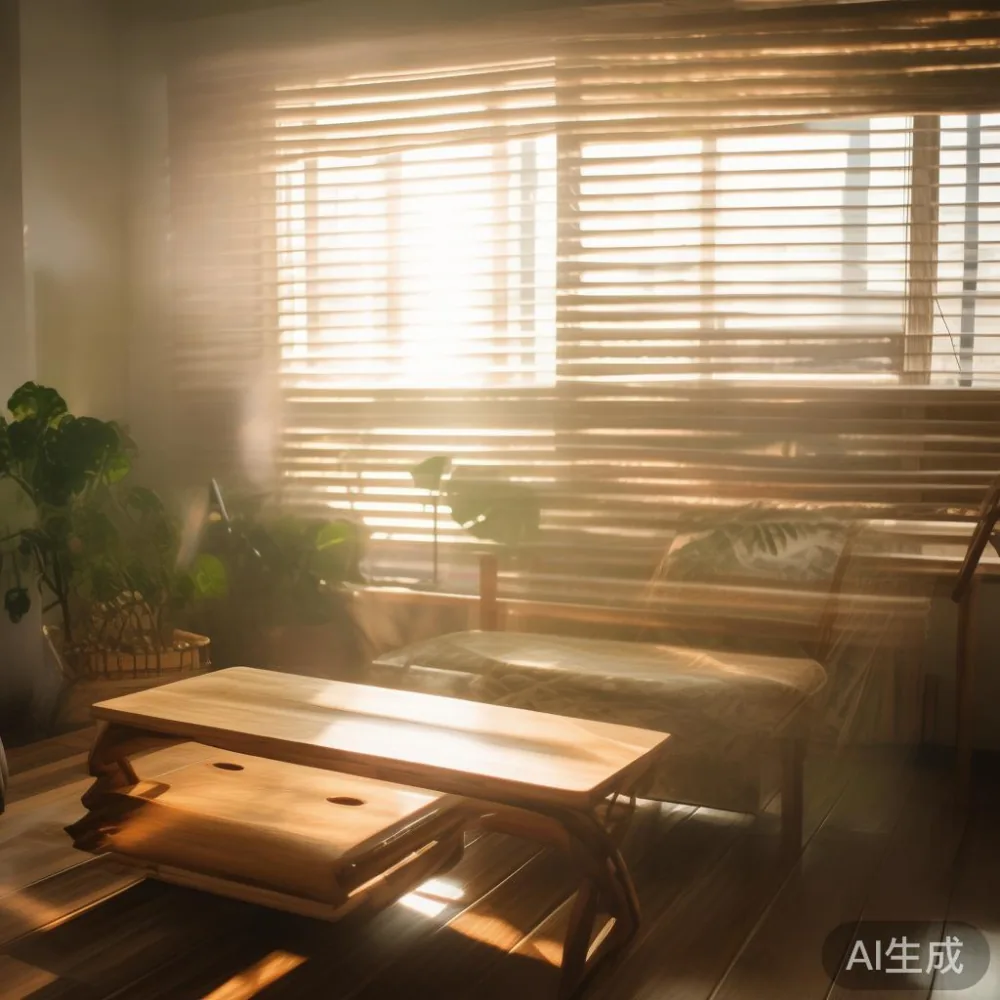
At MIDHILL, we work with solid wood and bamboo constructions for clients in Singapore and other international markets. The finish behaves differently from untreated timber, so a sensible care routine matters. This guide explains how to clean lacquered surfaces, control moisture, prevent scratches, and preserve the pale colour and smooth sheen associated with French light luxury, American light luxury, and post-modern light luxury interiors.
Why does lacquered bamboo furniture need special care in Singapore?
Singapore’s warm, humid climate can encourage lacquer to react with moisture and airborne pollutants. Relative humidity commonly ranges from about 60% to 85%, while indoor surfaces may experience rapid changes when cool air from an air conditioner meets warmer air near a window. A lacquered surface does not absorb water like unfinished bamboo, but moisture can enter through small joints, exposed edges, or a chipped coating. Repeated wet-drying cycles may also cause fine checking around the lacquer.
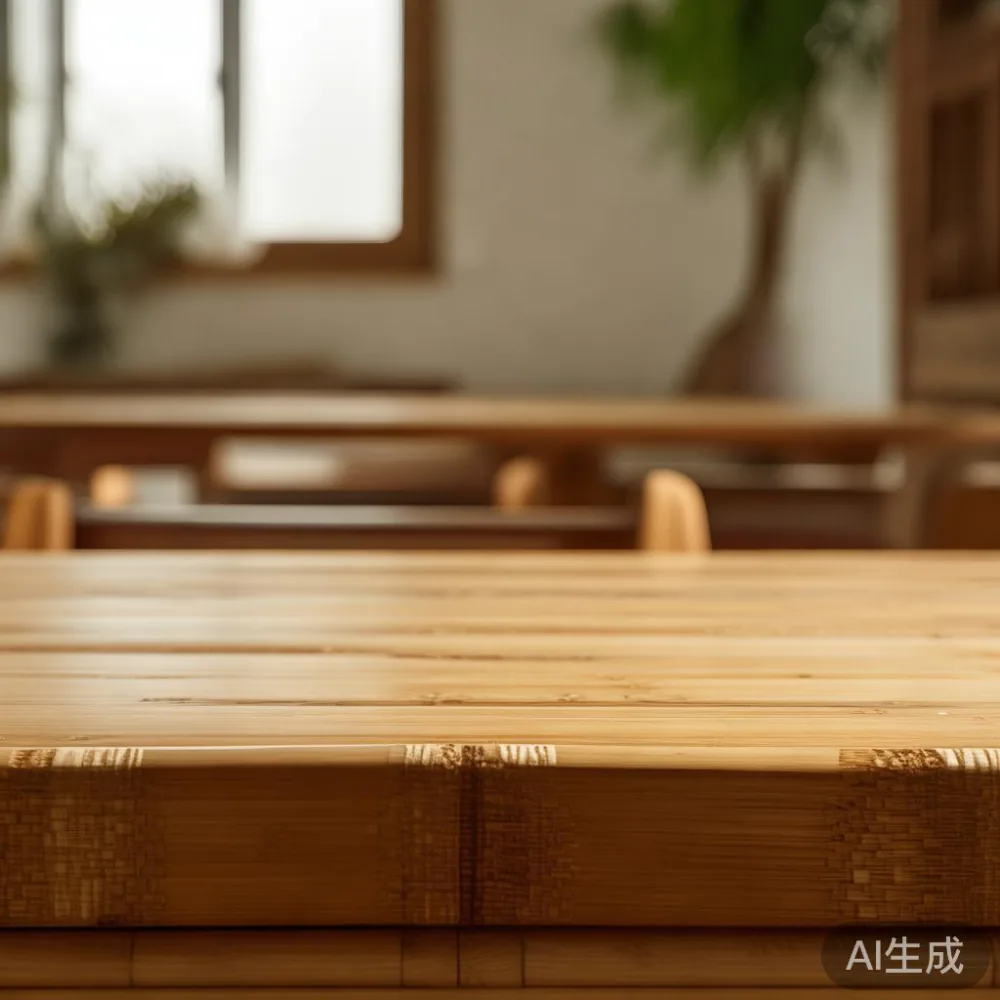
Condensation is a practical concern in Bedok and Punggol HDB flats, particularly beside windows with morning condensation or where a wardrobe stands opposite an air-conditioning vent. Keep lacquered bamboo furniture at least 30 cm from an air-conditioning outlet and 60 cm from an open window where possible. If a new solid wood sofa or bed frame arrives during the monsoon season, allow it to acclimatise in its room for 48-72 hours before tightening small fittings or placing objects against it.
Light exposure is less severe in Singapore than in many countries, but direct afternoon sun can still fade a finish over several years. Curtains with a UV rating of at least 50 provide a sensible barrier. Avoid placing a lacquered dining table directly below a west-facing window, and rotate decorative items every 6 months so one section does not darken unevenly.
How should I clean a lacquered surface?
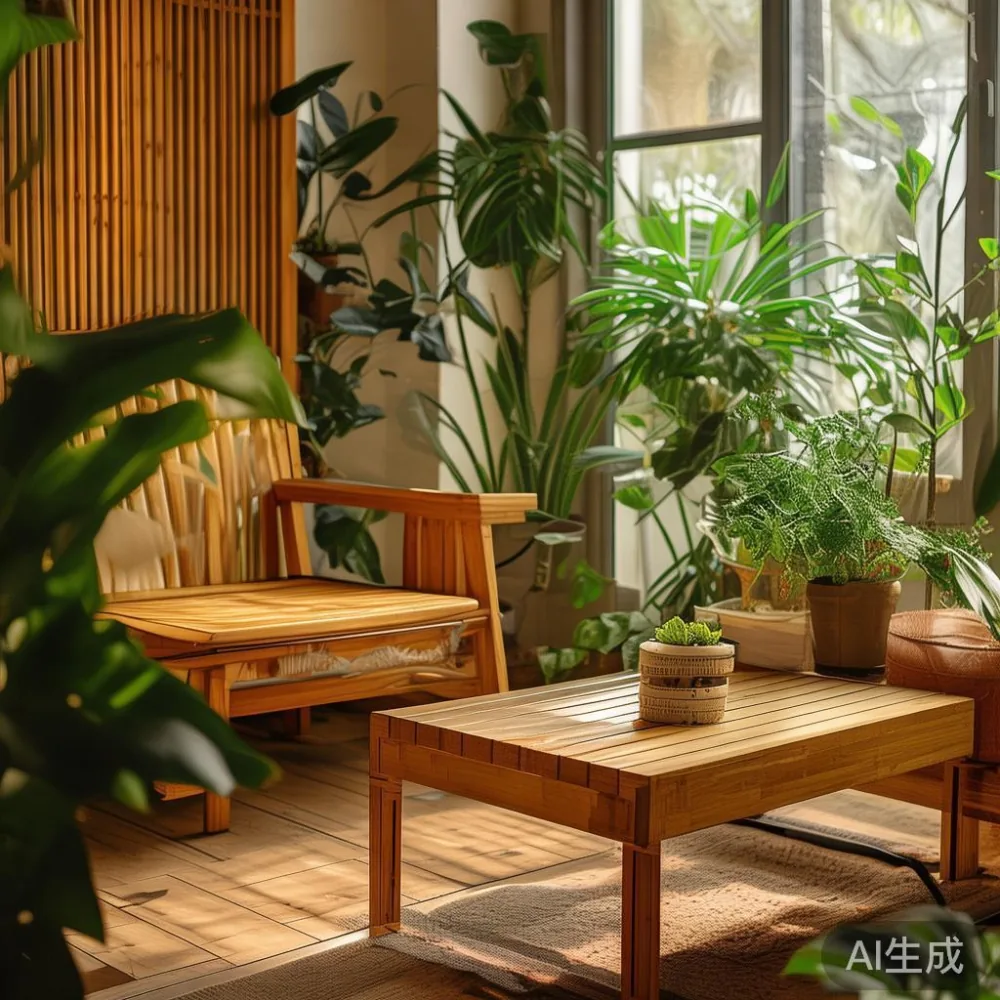
Start with the least aggressive method. Dust with a clean, dry microfibre cloth every 7 days. For fingerprints and light marks, dampen the cloth with warm water and add 1 drop of mild pH-neutral dish detergent. Wring the cloth until it is merely damp, then wipe without soaking joints, edges, or the underside.
After wiping, use a second dry cloth to remove residue. Never leave a visible wet film for more than 2 minutes. A damp cloth can work over a lacquered dining table, but lacquered bed frames, wardrobes, and nightstands should receive an almost dry application. Do not spray cleaner directly onto the furniture, because overspray may penetrate seams or leave a dull ring.
Spills deserve immediate attention. Blot liquid rather than rubbing it. For example, if a 20 ml ring of water remains, absorb it with a paper towel, then wipe the area once with a damp cloth and once with a dry cloth. Oil from food can be removed with a tiny amount of mild soap on a microfibre cloth, followed by a dry pass. Avoid abrasive pads, steel wool, household bleach, ammonia, alcohol-based cleaners, and wax polishes unless the finish manufacturer explicitly permits them.
I tested a lacquered sample panel in our Foshan workshop last month. It had been exposed to 28°C temperatures and 80% relative humidity for 7 days. After wiping one half with a damp cloth and the other with a lightly soapy cloth, both dried cleanly within 12 minutes. A third patch treated with an alcohol-based spray developed a pale matte patch within 4 hours, which confirmed that solvent cleaners can damage lacquer quickly in humid conditions.
How often should lacquered bamboo furniture be maintained?
A weekly clean and quarterly inspection are usually enough for a carefully used home. Wipe dining surfaces after meals, inspect the underside of a solid wood sofa every 3 months, and check wardrobe rails, drawer runners, and nightstand edges twice a year. Use coasters and placemats even when the lacquer feels smooth; a single hot pan at 80°C can leave a mark that is difficult to remove.
Place felt pads beneath table lamps, vases, speakers, and decorative objects. This matters especially on a 200 cm solid wood sofa, where a hard object can transfer stress from the arm to the lacquered frame. Keep protective pads under floor-standing lamps and check them every 6 months, since compressed felt can collect grit.
During the year-end humid period, inspect lacquered bamboo furniture for small chips every 3 months. Treat a chip larger than 3 mm promptly, because exposed bamboo can take in moisture. Minor marks can sometimes be touched up by a trained refinisher, but sanding at home risks creating an uneven sheen. MIDHILL offers lifetime refinishing, so damaged pieces can be assessed rather than discarded.
Can humidity cause lacquer to peel or bubble?
Peeling and bubbling are more likely when water enters through an existing defect or when a finish is exposed to prolonged dampness. Watch for a soft edge, a lifting corner, tiny bubbles under 2 mm across, or a cloudy perimeter. These are not normal signs of good aging and should not be covered with another layer of polish.
Measure the room rather than relying on a weather forecast. A low-cost hygrometer should generally remain between 50% and 65% relative humidity. In a compact HDB flat, this may require brief air-conditioning periods and sensible ventilation rather than a standalone humidifier. A humidifier output of 200-300 ml per hour can worsen the problem if the room already exceeds 65%.
Singapore lifts and corridors can also expose furniture to handling stresses. A wardrobe measuring 180 × 60 × 220 cm may need its panels separated before moving through a 90 cm lift opening and a 120 cm corridor turn. Confirm the route before delivery, protect corners with 10 mm padding, and avoid dragging pieces along the floor. The structural warranty offered by MIDHILL covers the frame for 10 years, while lacquer appearance still benefits from careful transport and use.
What should I do if lacquer gets scratched, stained, or chipped?
Assess the damage before applying any product. A fingernail that catches lightly may be a superficial scratch, while one that catches firmly may indicate a deeper break. A white ring caused by a warm cup should not be scrubbed aggressively. Begin with a soft cloth and mild soap; if the mark remains, consult a furniture-finish professional rather than using a generic colour remover.
Deep chips need a more controlled process. Clean the area, keep it dry, and avoid tape or glue that can lift surrounding lacquer. For an important dining table, bed frame, or wardrobe, professional refinishing is more predictable because matched lacquer can be applied in layers and cured under controlled conditions.
Marble table surfaces require a different routine, so do not transfer cleaners between a marble top and a lacquered bamboo base. Neutral pH cleaners are appropriate for many marbles, but acids and citrus products can etch them. Test any cleaner over a 5 × 5 cm area and wait 24 hours. This distinction also matters when comparing American sofa vs Japandi sofa options for a living room, since upholstery and lacquered timber need separate maintenance products.
How can I keep a lacquered dining table looking new?
Use a placemat measuring at least 40 × 30 cm beneath each place setting. Set hot cookware on a trivet, and do not leave wet glasses in direct contact with the surface overnight. Wipe the tabletop after dinner with a damp cloth, then dry it with a clean cloth. Pay attention to the perimeter, where lacquer often wears first because hands and sleeves repeatedly touch it.
Do not use an ordinary household wax to make the surface shinier. Wax can collect in pores, complicate future refinishing, and create a patchy appearance. If the piece has been specified with a renewable factory finish, follow that finish’s maintenance instructions. For clients searching for sale Modern furniture or wholesale Mid-century modern furniture, the construction and coating specification should be checked before delivery, not only after installation.
For a new apartment, wait at least 7 days after painting before placing lacquered furniture against a wall. Oil-based paints may emit VOCs for several weeks, and fresh lacquer can pick up a faint haze. Maintain 5 cm of ventilation space behind wardrobes and around bed frames where the layout allows.
Which care habits suit Singapore’s HDB and condo layouts?
Compact rooms demand good placement habits. In a Tampines HDB flat, keep a lacquered nightstand away from a bathroom door and place a small 20 cm air gap behind it. In a Bedok condo with floor-to-ceiling glazing, draw curtains before condensation forms and move furniture 30 cm away from the glass. In Punggol, where a solid wood dining table may sit close to a balcony, use a door-mounted hygrometer and inspect the finish after heavy rain.
Choose cleaning tools that fit the home. A 30 cm microfibre cloth is useful for a dining table, while a 15 cm cloth reaches nightstand corners and wardrobe edges. Keep supplies in a lidded box so cleaning residue is not accidentally transferred to the lacquer. A coaster should be replaced after 12 months if its felt becomes compressed or stained.
For bedroom schemes influenced by European light luxury for bedroom design, a lacquered bed frame or nightstand can provide a calm backdrop. The same surfaces can complement a solid wood sofa or marble table, provided each material receives its own care protocol. Timing a furniture purchase around delivery and GST-inclusive pricing can also help households budget properly; Singapore’s standard GST is 9%.
What should I know before choosing a lacquered piece?
Ask the supplier for the coating type, expected maintenance method, repair process, and warranty scope. Check whether lacquer covers only visible surfaces or also the underside and end grain. For a bed frame, inspect slat spacing and frame clearance; a mattress with 2-3 cm of breathing space can reduce trapped moisture. For a wardrobe, verify that door clearances are at least 8 mm and that seals remain intact.
Buyers comparing a best Japanese bed for 2026 or a best Industrial sofa for 2026 should compare joinery, finish durability, dimensions, and after-sales support rather than relying on style labels alone. A clean Japanese-inspired bed may suit a compact bedroom, while an industrial-style sofa needs solid handling, but both benefit from a clear care manual.
MIDHILL has manufactured furniture since 2008 and exports to more than 15 countries. Singapore orders over SGD 350 qualify for free shipping, and qualifying furniture can be returned within 14 days under the stated policy. A 10-year structural warranty supports long-term ownership, while lifetime refinishing gives lacquered bamboo furniture a route for restoration after years of daily use.
The most effective routine is also the simplest: wipe weekly, dry promptly, control humidity, use protective pads, and investigate chips early. With consistent care, lacquered bamboo furniture can retain its smooth tactility and restrained light-luxury character through Singapore’s heat, humidity, and highly lived-in spaces.