How to Read a Furniture Warranty Without Getting Caught Out
A furniture warranty can look generous on a product page and still leave you with a difficult claim. The difference usually sits in 4 details: what is covered, what counts as normal use, who must repair the item, and how quickly the claim must be reported. For shoppers in Singapore, those details matter because HDB flats, Tampines and Bedok condos, and older Punggol homes have different access conditions, while lift and corridor dimensions can determine whether a bulky replacement can even reach its final room.
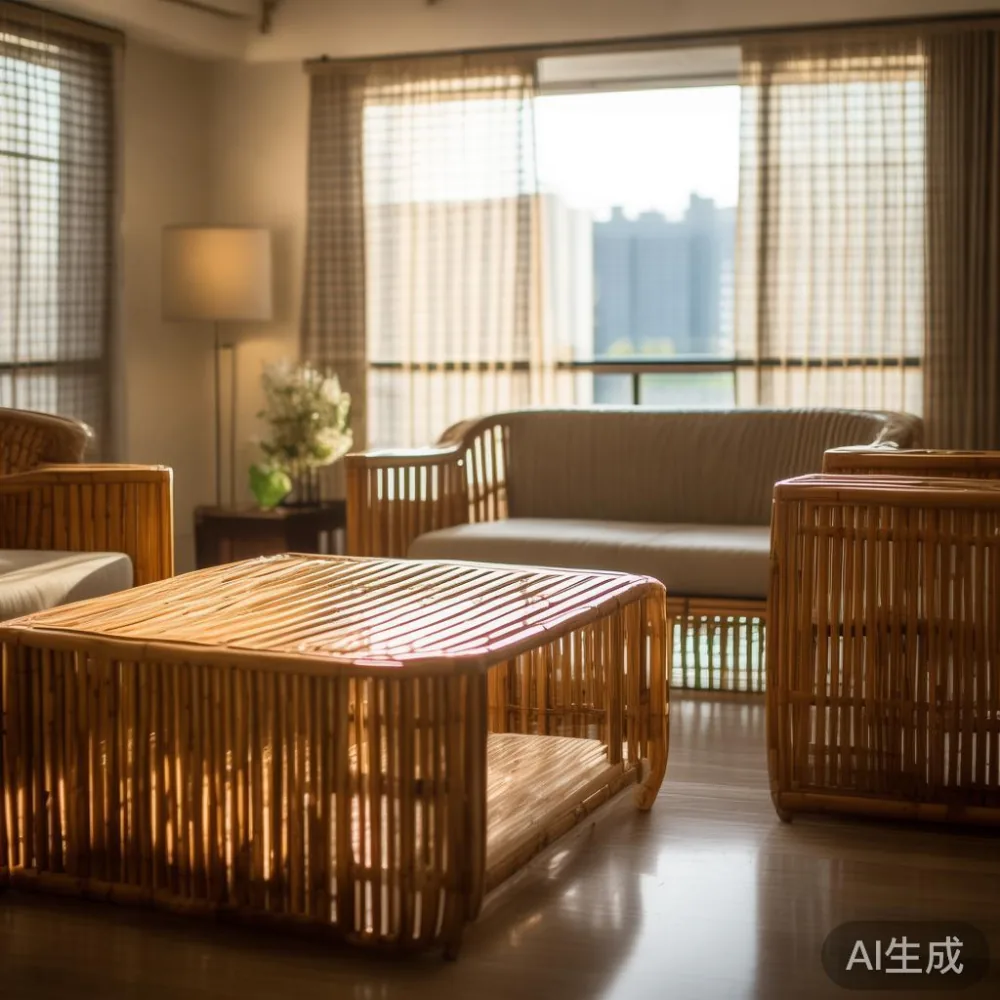
This guide uses solid wood furniture, a solid wood sofa, a bed frame, dining table, wardrobe, nightstand, and marble table as practical examples. It also considers bamboo furniture, where moisture control, surface finish, frame movement, and assembly quality deserve especially clear terms. A light-luxury design should not come with vague protection. Before paying SGD 860 for a dining table or SGD 2,400 for a sofa, read the warranty as carefully as the product specifications.
What does a 10-year structural warranty actually cover?
A 10-year structural warranty is valuable only if the document identifies the structure. For a dining table, look for terms covering the tabletop, apron, legs, joints, and load-bearing components. For a bed frame, check the headboard, side rails, slats, centre supports, and fasteners. A warranty that covers only “parts” may exclude the frame, while one that covers the whole product may still exclude surface finish, movement, or damage caused by an unstable floor.
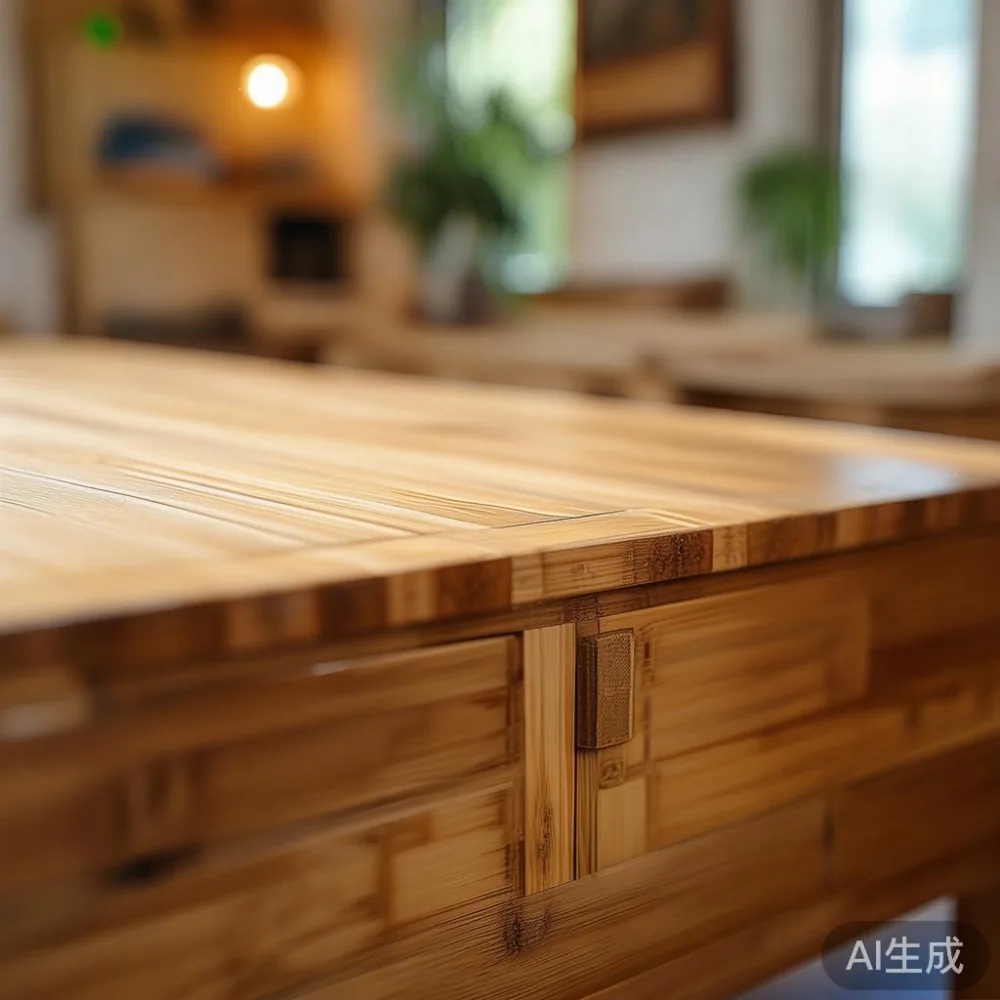
MIDHILL offers a 10-year structural warranty, which is a useful starting point for comparison. Ask for the written definition of “structural”. Confirm whether the warranty applies to the original purchaser, the delivery address, and residential use only. Check whether commercial use, rental accommodation, or a home office changes the period. A sofa used 10 hours a day in a family home is not the same risk as a sofa used 2 hours a week in a study.
Look for exclusions that are specific and understandable. Scratches on a tabletop, small colour changes, joint movement within a stated tolerance, and damage from direct sunlight should not be confused with a broken leg or separated frame. Request the measurement standard. For example, a dining table might be considered defective if the top visibly rocks by more than 5 mm under an evenly distributed load of 100 kg. Precise language is more helpful than an unlimited promise.

Also ask whether the warranty is transferable. If you sell a bed frame after 3 years, does the remaining 7-year coverage follow the item or stay with the original buyer? Transfer can affect resale value, particularly for a wardrobe or a solid wood sofa in a compact HDB flat.
Is “solid wood” covered the same way as engineered wood?
No. Solid wood and engineered wood can behave differently as humidity changes, so the material name alone is not enough. Ask whether the warranty covers the solid timber components only, or also veneer, plywood, MDF, metal brackets, webbing, foam, fabric, and mechanisms. For a solid wood sofa, the timber frame may have a longer structural period than the upholstery. A 10-year frame warranty does not automatically mean 10 years of fabric or cushion support.
For a wardrobe, identify the board type, door alignment, drawer runners, and hanging-rail components. For a nightstand, check the drawer box, handle, and fixing points. A marble table may have stone cracking covered under one condition while its base, adhesive, or chipped edge is treated differently. Ask whether a replacement is based on the original colour and finish, and whether you pay the difference if stock has changed.
In Singapore, warranty language should account for humidity and storage conditions. Ask whether a piece must be kept away from air-conditioning vents, damp walls, and standing water. State the recommended range, such as 40%–65% relative humidity, if the maker provides one. Do not assume that ordinary seasonal movement is a defect if the maker has published a tolerance. Clear tolerances can prevent an argument over a 3 mm gap.
For bamboo furniture, the wording should be even more explicit. Bamboo furniture can be affected by moisture, direct rain, spills, and prolonged contact with wet cleaning cloths. Ask whether the warranty includes delamination, splitting, joint failure, and finish loss caused by misuse. It is also reasonable to ask whether the maker treats mould or swelling after water exposure differently from a manufacturing defect. Keep written proof of delivery, assembly, and maintenance.
What does “lifetime refinishing” include, and what does it exclude?
Lifetime refinishing sounds straightforward, but “refinishing” can mean sanding and staining, replacing a small surface, or supplying a complete new top. Ask which process applies to a dining table, bed frame, wardrobe, or nightstand. Does the service cover scratches, stains, fading, water marks, and colour restoration? Does it include transport, labour, and GST? A quote of SGD 120 for a minor repair and SGD 540 for a full refinishing job are different commitments.
Ask whether refinishing is available once every 5 years, once every 10 years, or only after a certain number of years. Some terms require photographs and an inspection. Others limit the service to the original finish colour, so a later change from oak to walnut may incur a fee. Confirm whether the service is offered to the original customer only and whether it preserves the structural warranty.
I tested this type of wording last month while reviewing samples for a Tampines home. One cabinet description used “free lifetime refinishing”, but the separate policy limited collection to major scratches and excluded edges. Another supplier defined refinishing as surface restoration only. The difference was not the finish quality; it was the definition of the service. I now compare the policy paragraph, not just the badge on the product page.
Marble table owners should ask whether refinishing means polishing, filling, or replacing the stone. A small surface dullness may cost SGD 80 to restore, while a crack may be handled as a structural claim or excluded altogether. Never assume a marble table with a 10-year frame warranty has a 10-year stone warranty.
Is delivery, assembly, and return damage covered?
Delivery protection is separate from structural coverage. A new dining table may leave the warehouse in good condition but suffer a 6 cm edge chip inside a narrow HDB corridor. Check whether the warranty covers damage discovered within 24 hours, 48 hours, or 7 days of delivery. Photograph the item at 6 angles, including the underside and packaging. Record the delivery date and the name of the delivery crew.
Singapore homes make access a practical warranty issue. A standard HDB lift may measure 90 cm wide and 140 cm deep, while a condo service lift may allow a larger lift but have a 210 cm turning restriction at the lobby. A wardrobe flat-packed into 3 boxes of 90 cm length may be manageable; an assembled 180 cm side panel may not. Ask whether the warranty becomes void if the item cannot enter through the lift, stairwell, or corridor. The seller should provide accurate dimensions, not rely on you discovering a 190 cm diagonal after purchase.
Ask whether the team carries items beyond the lift lobby. A quoted SGD 45 second-floor carry-in may be separate from SGD 90 delivery to the door. For a Punggol unit, confirm parking, drop-off point, and the maximum trolley size before delivery. For a Bedok condo, check whether the loading bay requires a booking and whether the delivery window is fixed.
Assembly is another boundary. Some warranties cover defects in factory-installed components but not damage caused by missing screws, over-tightening, or incorrect placement. Ask whether self-assembly affects a claim. A bed frame tightened to 200 kg may be overstressed even if the maker originally rated it for 150 kg. Keep the manual, label the fixing hardware, and use a level.
MIDHILL provides free shipping over US$350, but Singapore buyers should confirm how an international threshold is converted, whether GST is included, and what happens to remote-area delivery. A policy that looks free online may still charge SGD 25 for a scheduled lift booking. The return period also matters: 14-day returns are useful, but confirm whether assembled, custom-size, upholstered, or damaged-on-arrival items follow a separate process.
What is normal wear, and what counts as a defect?
Normal wear includes fading, minor scuffs, small finish changes, and expected movement within published tolerances. A defect should be tied to a measurable condition: a dining table leg that separates, a wardrobe door that drops 8 mm and will not close, a nightstand drawer that cannot close, or a bed frame rail that cracks under a stated load. Ask for photographs and a written diagnosis before accepting a verbal explanation.
Humidity is not an automatic excuse for poor quality, but it is a relevant use condition. A Singapore bedroom may sit at 28°C with 60%–75% humidity, and an HDB unit can experience daily air-conditioner drying. Keep the piece 30 cm from a wall or vent where possible, use coasters, wipe spills within 10 minutes, and do not place a damp cloth against bamboo furniture for 30 minutes. Document care failures if damage appears after ignoring those instructions.
For upholstery, ask about pilling, seam opening, foam compression, and fabric fading. A light-luxury sofa may be judged on appearance as well as structure. In a comparison of light luxury sofa vs Italian light luxury sofa, the warranty often matters more than the country label. Confirm frame coverage, cushion period, fabric treatment, and whether replacement labour is included. If the sofa was sold at SGD 2,900, request the exact replacement value basis.
A French provincial accent chair should have documented frame and finish terms too. Ask whether its carved details, joints, seat frame, and upholstery are treated as one item or separate components. In decisions about how to choose light luxury sofa, I would compare the written exclusions before the fabric swatch. A 3-year upholstery promise can be perfectly reasonable if the frame has 10 years of coverage, provided the document says so.
Does the warranty cover Singapore homes and different installation conditions?
Check whether the warranty applies only indoors, at the original address, or throughout Singapore. A move from Tampines to Bedok may trigger a new inspection or fee. If you relocate a wardrobe, ask whether the wall anchoring and floor protection requirements change. A freestanding bookcase and a wall-fixed wardrobe may have different safety expectations, even if both are sold as storage furniture.
Ask about load limits and anchoring. A dining table may be rated for 80 kg at the centre and 120 kg evenly distributed, while a marble table may have a lower edge-loading limit. A bed frame may be tested with 180 kg, but the warranty can still exclude overload or failure caused by a missing wall anchor. Record room measurements and installation conditions before delivery.
For French light luxury or American light luxury styling, the warranty should not depend on whether the room is decorated in a particular style. Post-modern light luxury homes often mix solid wood, marble, woven textiles, and bamboo furniture. Each material has a different care routine, so a single general warranty is less useful than item-specific terms.
One useful check is whether the supplier offers a care guide in English. It should explain how to clean a solid wood bed frame, dry a marble table, and maintain a wardrobe runner. Keep a 4-page record: product name, order number, warranty period, contact details, delivery date, and photographs. Put it in an email folder named “Furniture Claims”, and share it with a household member.
What should I ask before I pay for a solid wood sofa or bed frame?
Ask these 7 questions and save the answers:
1. Which components have a 10-year period, and which have shorter periods?
2. Does the warranty cover joints, fasteners, surfaces, cushions, fabric, and mechanisms?
3. What load, humidity, cleaning, and assembly conditions are required?
4. What happens after a repeated repair fails? Is replacement, credit, or refund available?
5. Who pays delivery, labour, return freight, and GST after a claim?
6. Can a claim be made after the item moves to another Singapore address?
7. Is the written policy supplied before payment?
For a wardrobe or dining table, add: what dimensions are guaranteed, and what tolerance applies to doors, gaps, and movement? For a nightstand, ask whether the drawer runner and cabinet are treated separately. For a marble table, ask whether cracks, edge chips, and sealer failure have different terms. For bamboo furniture, confirm whether moisture-related swelling and finish peeling are covered.
Buyers researching how to style American bed in bedroom should also check headboard movement and wall anchoring. A design feature does not override a load limit. Buyers comparing light luxury sofa vs French provincial sofa should compare frame period, cushion comfort, seam coverage, and repair access—not only the visual style.
MIDHILL furniture is one example to assess with the same checklist: verify the written warranty, request component definitions, confirm Singapore delivery terms, and keep evidence. With a 10-year structural warranty, lifetime refinishing, 14-day returns, and free shipping above US$350, the policy still needs to be matched to your home, access route, and material choice. The strongest protection is not the longest headline; it is a clear promise with measurable conditions, a named claim contact, and a record you can produce in 5 minutes.