How to Care for Lacquered Bamboo Furniture in Singapore’s Tropical Climate
Lacquered bamboo furniture can stay warm, elegant and practical in Singapore’s humid climate, but it needs a deliberate care routine. At MIDHILL, we build lacquered surfaces for daily use and understand that moisture, sunlight and frequent wiping all affect how a finish ages. The difference between a protected surface and a tired one often comes down to a few disciplined habits measured in minutes, percentages and degrees Celsius.
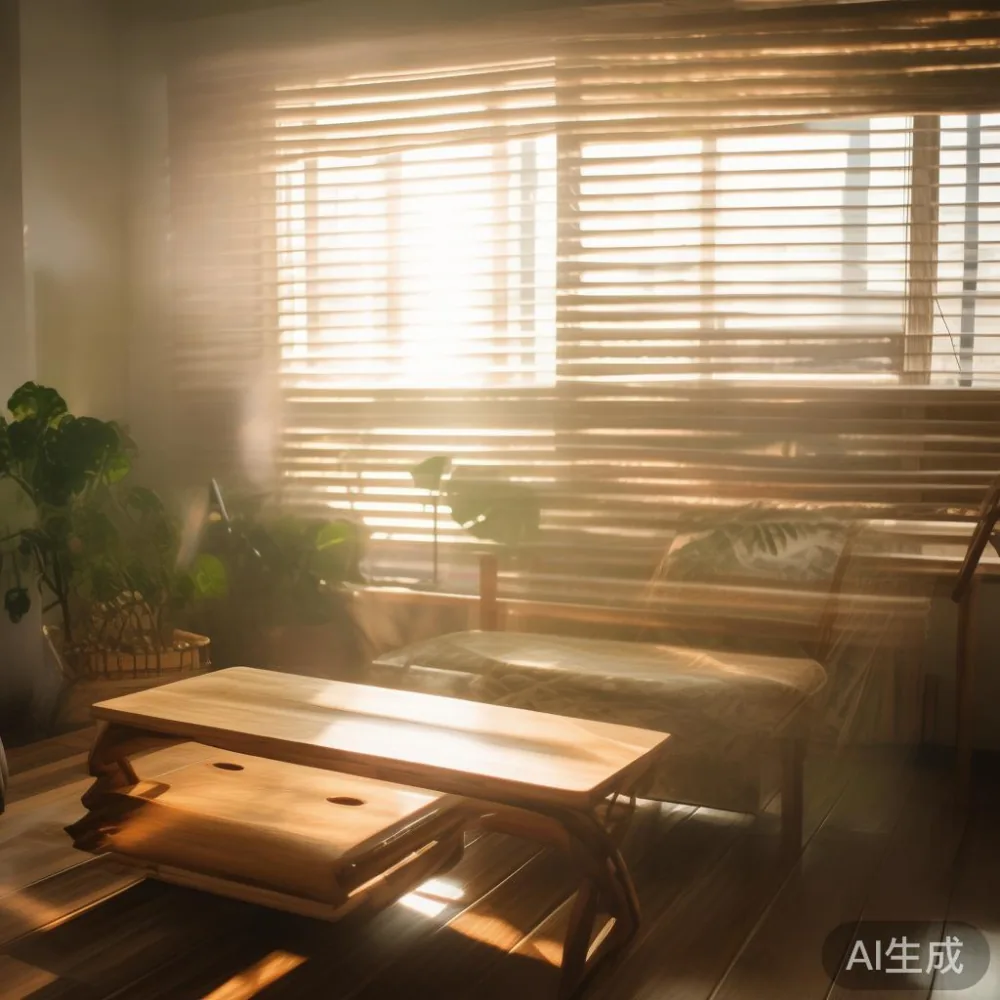
Singapore’s relative humidity commonly ranges from about 65% to 85%, while indoor temperatures in HDB flats and private condominiums usually sit around 23°C to 29°C. Lift and corridor widths also affect furniture planning, especially for a solid wood sofa, bed frame, dining table, wardrobe or nightstand. If you live in Tampines, Bedok or Punggol, sensible spacing and careful finish care should be considered together rather than as separate issues.
Why Does Lacquered Bamboo Furniture Need Special Care in Singapore?
Bamboo furniture is attractive because it combines a visually warm grain with the stability of carefully processed solid timber components. A lacquer layer, however, is a protective coating rather than a barrier against every environmental condition. In a tropical interior, it can encounter kitchen vapour, bathroom humidity, air-conditioning condensation, salty coastal air and repeated temperature changes.
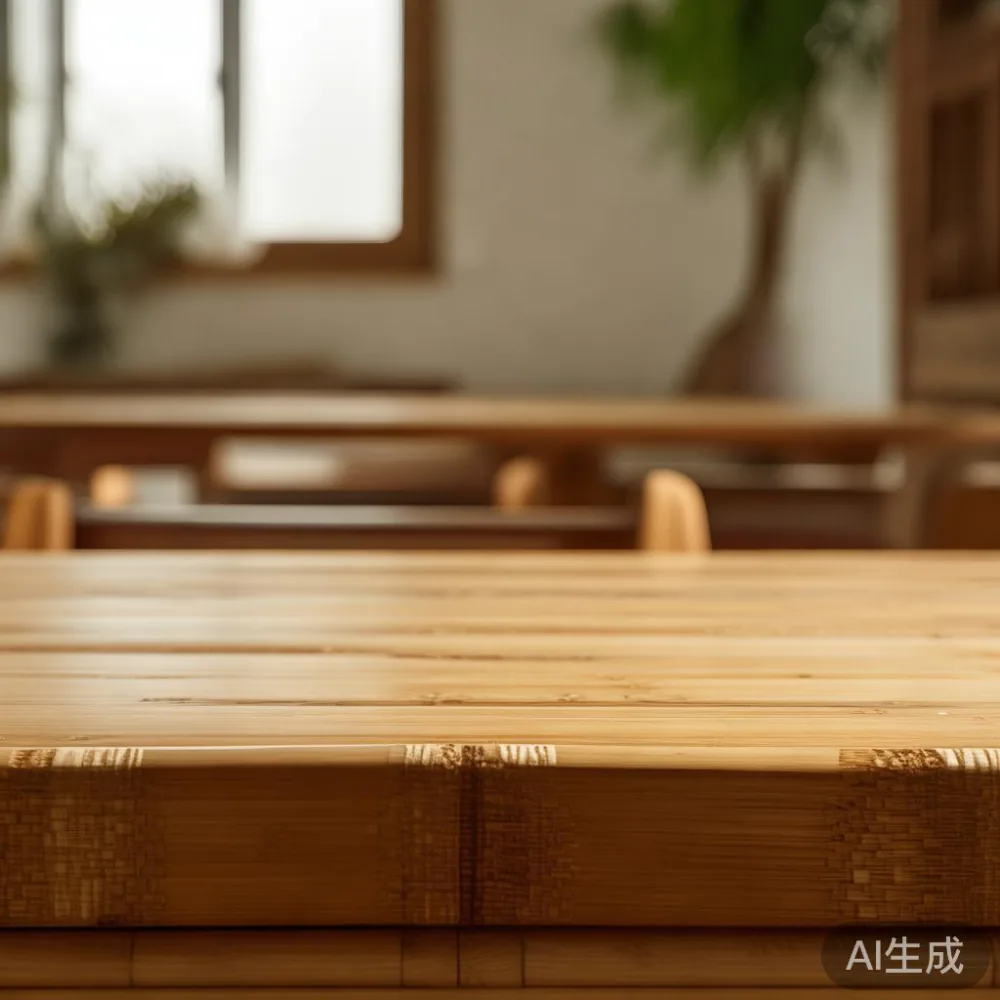
Water does not automatically ruin lacquer, but prolonged exposure can cause spotting, swelling beneath the coating or loss of sheen. Direct sun can fade both colour and finish. A table placed 1 metre from a west-facing window may receive substantially more ultraviolet exposure than one 3 metres away. Likewise, a lacquered nightstand pressed against an exterior wall in Bedok may experience more humidity than a similar unit positioned beside an air-conditioned bedroom wall.
Good care is less about keeping furniture perfectly untouched and more about controlling exposure. Leave about 5 cm between the back of a wardrobe and a wall where installation permits, use coasters beneath drinks, rotate items that receive direct sunlight and wipe spills promptly. These habits preserve the lacquer while maintaining the restrained character associated with French light luxury and post-modern light luxury interiors.
How Do I Clean a Lacquered Surface Without Damaging It?
Start with a soft, lint-free cloth and a mild solution. Mix approximately 5 ml of pH-neutral dishwashing liquid with 500 ml of lukewarm water. The cloth should be damp, not dripping: wring it out until no water can be squeezed from it. Wipe in the direction of the grain, then use a second clean cloth to remove residue.
Avoid abrasive pads, steel wool, scouring powder and household ammonia. Silicone-based furniture polishes can create a cloudy film, and wax can build up around edges and joints. Do not spray cleaner directly onto lacquered bamboo furniture; overspray may enter joints or form a visible ring. Test any unfamiliar product on a concealed area measuring roughly 10 cm by 10 cm and allow 24 hours before using it across the surface.
For routine care, a damp cloth every 7 days is useful in a humid home. Clean food and drink marks immediately rather than waiting for a weekly session. For an open-plan dining table, use a placemat under hot vessels and a coaster with a minimum diameter of 7 cm beneath cups. If you are comparing layouts, a French provincial dining table may suit a broader dining zone, while a marble table has a different care profile and should not be treated with the same lacquer-cleaning method.
Last month, I visited a client’s Tampines HDB flat and tested a lacquered console that had been exposed to a window-side breakfast corner. A lightly damp cloth lifted a fresh ring mark in under 30 seconds; an abrasive sponge immediately left a dull patch. That comparison reinforced why gentle materials and immediate blotting matter.
Should I Use Furniture Polish or Oil on Lacquered Bamboo?
Generally, no. Lacquer should not be treated like bare oiled timber. Oils can darken the surface, alter its colour and create a patchy appearance as they collect around edges. A commercial “wood polish” may also contain solvents or waxes that are unsuitable for the particular lacquer used on bamboo furniture.
If the manufacturer supplies a maintenance product, use only that product and follow its coverage instructions. Otherwise, mild soap and water are enough for ordinary cleaning. Buff with a clean, dry microfibre cloth only after the surface is fully dry. Excess pressure can create shiny swirl marks, particularly on a dark lacquer.
Schedule deeper care according to use rather than applying a thick treatment every month. A dining table may need attention every 2 to 4 weeks because it is handled daily. A wardrobe surface may need only a light wipe every 1 to 2 months. A lacquered bed frame or nightstand can be included in the same routine as the surrounding bedroom.
When selecting a large piece, ask the supplier for the exact finish composition and care instructions. This is useful for buyers researching an american sofa set design, especially where the solid wood sofa frame may be paired with lacquered bamboo accessories. The frame, lacquer and cushions each have different cleaning requirements.
How Should I Control Humidity and Sunlight?
Keep indoor relative humidity between roughly 50% and 65% where possible. Singapore’s climate makes this challenging, but air-conditioning and dehumidification can help. Position hygrometers near the dining area, main bedroom and living room; inexpensive models commonly cost SGD 15 to SGD 35 and allow you to track changes rather than estimating them.
Air out furniture after air-conditioning has been running. A practical routine is to switch off the compressor at least 15 minutes before opening windows, then ventilate for 30 to 60 minutes while surfaces are dry. This reduces the chance of condensation settling on a lacquered bed frame or wardrobe door. Wipe beads of moisture from adjacent walls and window ledges, and keep textiles from pressing tightly against lacquered panels.
Manage sunlight with blinds, curtains or UV-filtering film. A solution rated to block at least 99% of ultraviolet light is a sensible choice for west-facing rooms in Tampines or Punggol condos. Allow curtains to close before the strongest afternoon sun, usually between 2 pm and 4 pm. Do not place a lacquered surface directly against a radiator, dehumidifier outlet or air-conditioner vent where repeated cycling could cause finish stress.
For compact interiors, Japandi for small living room planning offers useful lessons in visual breathing space. A low solid wood sofa can preserve clear circulation in a 3-room HDB flat, while lighter-toned lacquered bamboo furniture can keep the room from feeling visually crowded.
Can I Move Lacquered Furniture Without Ruining the Finish?
Move it carefully and protect it before lifting. Disconnect drawers, remove doors where the manufacturer permits, and empty the piece. Two people should carry a wardrobe that exceeds 35 kg, while a dining table weighing more than 60 kg generally needs 3 people or professional movers. Never drag a lacquered piece across the floor; carry it with furniture pads or use a rated moving dolly with a maximum load of 150 kg.
Before delivery through an HDB lift or condo corridor, measure the item, doorways, lift doors and turning corners. Compare the furniture width with the narrowest lift entrance. If a bed frame is 160 cm wide but the lift opening is 158 cm, the frame should be disassembled. Adding clearance for packaging matters too: allow at least 5 cm around the packed dimensions.
Lift and corridor dimensions should also guide product choice. A solid wood sofa with a 220 cm width may be difficult to manoeuvre through an older lift, while modular pieces weighing under 18 kg per section are easier to handle. Similarly, a 90 cm dining table may turn smoothly in a 100 cm corridor, whereas a round 120 cm table can still present a diagonal challenge.
To answer the question “is European bed worth it,” consider the dimensions, finish and service terms rather than style alone. A European-style bed frame can suit a Singapore bedroom if its lacquered surfaces are sealed appropriately, moisture is managed and the mattress is supported correctly. Confirm that replacement parts remain available for at least 5 years.
How Do I Deal With Chips, Scratches and Stains?
Small marks should not be corrected with household paint. For superficial scuffs, wipe gently and inspect under daylight. If the lacquer is chipped, stop rubbing because abrasion will enlarge the damaged area. Collect the loose material, photograph the damage in neutral light and contact the maker for a repair plan. A colour-matched repair is usually more satisfactory than an improvised marker or clear nail polish.
For white marks caused by moisture, a clean cloth lightly dampened with water may reduce the appearance. Test on a hidden section first. Heat can also make a mark more visible, so keep irons, hair straighteners and hot pots away from the finish. Avoid candles unless they are enclosed and positioned at least 15 cm from lacquered timber.
Stains need prompt action. Blot rather than rub, dilute the area with mild soapy water and dry with a separate cloth. Oils may require several careful passes over 2 to 3 days, but strong solvents can harm the lacquer and should be left to a professional. Ask for a lacquer compatibility test before accepting any treatment offered by a third-party restorer.
A wardrobe should be checked every 6 months, particularly around handles and sliding tracks. Lift the nightstand slightly when cleaning beneath it so its top and back edges are not exposed to hidden moisture.
How Do I Choose Furniture That Will Age Well?
Look for even lacquer coverage, sealed edges, stable joints and clear care documentation. Inspect a display piece at a 45-degree angle under daylight; uneven reflections can reveal thin areas or ripples. Check that drawer runners are smooth, wardrobe doors align within 2 mm and the bed frame has adequate centre support for the chosen mattress.
Design language matters too. If you are learning how to choose American wardrobe for a compact bedroom, prioritise depth as well as width. A wardrobe with a 55 cm depth can still hold hanging garments, while 60 cm depth may suit larger folded items. For living spaces, how to style American sofa in apartment is easier when the sofa leaves a 75 cm or 80 cm circulation route behind it and at least 30 cm from a coffee table edge.
French light luxury typically uses pale woods, delicate profiles and balanced proportions. Post-modern light luxury often pairs clean lines with warmer natural materials. Bamboo furniture can fit both directions when the lacquer tone is restrained and the construction remains practical.
At MIDHILL, our lacquered bamboo furniture is developed as part of a broader collection that includes a solid wood sofa, bed frame, dining table, wardrobe, nightstand and marble table. MIDHILL was established in 2008 and exports to more than 15 countries. Structural warranty coverage extends for 10 years, lifetime refinishing is available, delivery usually takes 7 to 21 days, and Singapore orders over SGD 350 qualify for free shipping. Return requests can be made within 14 days under the applicable policy.
For a quotation or finish-care specification, review m.midhill.co or speak with the team. GST and final delivery charges should be confirmed before ordering, along with access measurements for the lift and corridor.
What Is the Best 10-Minute Care Routine for a Humid Home?
Begin by checking the hygrometer in the main living area. If humidity is above 70%, run the dehumidifier or air-conditioner and dry nearby surfaces. Next, use a clean, damp cloth on visible lacquered areas. Follow with a separate dry cloth and inspect items near windows for condensation.
Use coasters beneath at least 3 drinks, clear crumbs from dining surfaces and check wardrobe tracks for grit. Rotate a small side table or nightstand every 2 to 3 months so sunlight and use are distributed more evenly. Keep lacquered bamboo furniture at least 10 cm from exterior walls where space allows, and at least 5 cm from other furniture surfaces.
For a polished but practical finish, consistency matters more than aggressive treatment. A few minutes every 7 days, a humidity check every 30 days and an inspection every 6 months can prevent minor issues from becoming permanent. That level of attention allows lacquered bamboo furniture to retain its colour, tactile appeal and light-luxury character for years rather than months.