The True Cost of Furniture: Veneer vs. Solid Wood Over Five Years
For homeowners in Singapore, from the compact apartments of Tampines to the spacious layouts of Punggol condos, choosing furniture is a significant decision. The materials you select affect not just the aesthetic of your home but also its long-term value and your peace of mind. While veneer furniture often presents a lower initial price point, the financial and practical reality over a 5-year period can paint a very different picture. This article provides a detailed, number-driven comparison to help you understand the real cost of ownership for veneer and solid wood furniture in the context of Singaporean living.
Understanding the Materials: What is Veneer and What is Solid Wood?
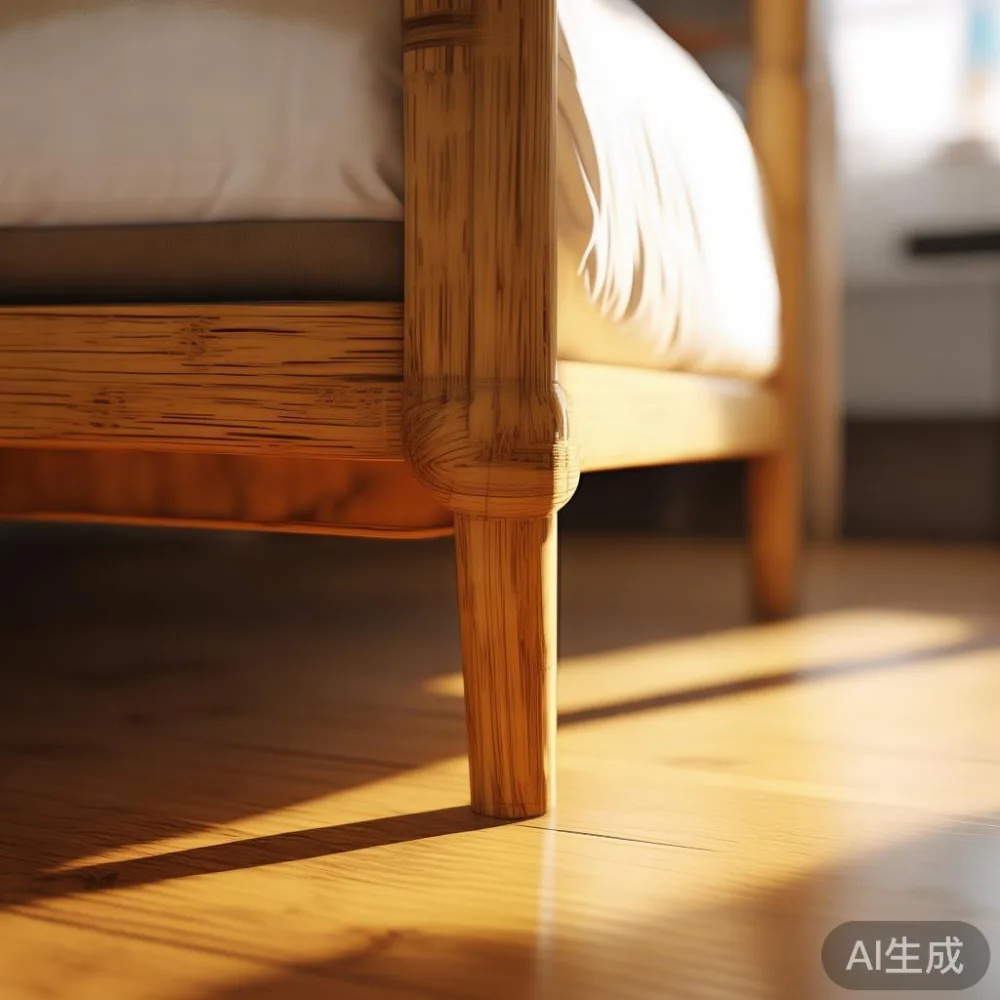
Before diving into costs, it is important to clearly define the two materials in question. Solid wood furniture, as the name implies, is constructed from a single piece of lumber, typically hardwoods like oak, walnut, or teak. Each piece of furniture, whether a solid wood sofa or a bed frame, is unique, showcasing the natural grain, knots, and character of the wood. This material is durable, repairable, and gains a beautiful patina over time. A solid wood dining table, for example, can be sanded down and refinished multiple times, extending its life for decades.
Veneer, on the other hand, is a thin layer of real wood applied over a core panel, which is often made of particleboard, MDF (Medium-Density Fiberboard), or a lower-quality wood. The veneer provides the look of solid wood at a fraction of the material cost. However, this construction has inherent weaknesses. The core material is susceptible to moisture damage, which is a concern in Singapore's humid climate. Particleboard, for instance, can swell and disintegrate when exposed to humidity, causing the veneer to bubble, peel, or crack. A wardrobe with a veneer finish might look perfect in the showroom but could degrade in a condo's lift corridor or a bedroom with poor ventilation.
The Initial Investment: A Singaporean Price Breakdown
The most apparent difference between veneer and solid wood is the upfront cost. Let's consider common furniture pieces for a typical Singaporean home, using prices that reflect the local market. All prices are in SGD and include Goods and Services Tax (GST).
For a solid wood dining table seating six, a high-quality piece from a reputable maker like MIDHILL might cost between SGD 3,500 and SGD 5,000. In contrast, a veneer dining table of similar dimensions might range from SGD 1,200 to SGD 2,000. The difference is significant. A solid wood bed frame (Queen size) could cost SGD 2,200 to SGD 3,500, while a veneer equivalent might be priced between SGD 800 and SGD 1,400. For storage, a wardrobe is a prime example. A solid wood wardrobe might cost SGD 2,800 to SGD 4,500, whereas a veneer wardrobe could be found for SGD 1,100 to SGD 1,900. Smaller items like a nightstand follow the same pattern: solid wood at SGD 450 to SGD 750 versus veneer at SGD 180 to SGD 350.
These initial savings are compelling, especially for young families furnishing their first HDB flat. The lower price point makes veneer furniture seem like a practical choice. However, this initial investment is only one part of the total cost equation. The long-term expenses and durability tell a more complete story.
Year-by-Year Cost Analysis Over Five Years
To understand the true financial impact, we must project the costs associated with each material over a 5-year period. This includes not just the initial purchase price but also maintenance, repair, and potential replacement costs.
Year 1: The costs are simply the initial purchase price. A veneer dining table (SGD 1,500) is SGD 2,000 cheaper than a solid wood one (SGD 3,500). This saving could cover a marble table top for a console or other decor items.
Year 2: Minor issues may begin to surface. Veneer furniture, especially in high-humidity areas like bathrooms or kitchens, can show signs of moisture damage. A small repair kit to fix a bubble in the veneer might cost SGD 50. Solid wood requires no maintenance in this period, perhaps just an occasional wipe with a wood-safe cleaner.
Year 3: The costs for veneer furniture start to rise. The particleboard core in a wardrobe exposed to Singapore's humidity might begin to sag at the shelves. Replacing the shelves could cost SGD 200 to SGD 300 for materials and labour. A veneer bed frame might start to creak as the joints loosen, requiring tightening or even a new part, costing SGD 100. Solid wood furniture remains largely unaffected, perhaps developing a richer, more lustrous finish with age.
Year 4: The problems with veneer often escalate. The veneer on a dining table might peel significantly along the edges, especially if it has been cleaned with harsh chemicals. A professional repair to re-glue and refinish the veneer could cost SGD 400. The nightstand's finish might look worn and dated, with the underlying MDF showing through. A solid wood piece, however, can be easily refreshed. A professional refinishing service for a solid wood dining table might cost SGD 600, but this is a restoration, not a repair of damage. It's an investment to make the piece look brand new again.
Year 5: This is often the breaking point for veneer furniture. The cost of keeping it functional and looking good becomes substantial. A veneer wardrobe might need a complete re-facing of the doors, costing SGD 800 to SGD 1,200. A solid wood sofa with solid wood frames will have held its shape perfectly. Its upholstery might be showing wear, but the frame is sound. A solid wood bed frame will be as sturdy as the day it was purchased. Over five years, the cumulative cost of ownership for veneer furniture often approaches or even surpasses the initial cost of a solid wood equivalent, without offering the same longevity or value.
Is Light Luxury Furniture Worth the Extra Initial Cost?
This is a question many Singaporean homeowners ask when considering their options. The concept of 'light luxury'—be it French, American, or post-modern—focuses on high-quality materials, thoughtful design, and a sense of understated elegance rather than opulence. A light luxury wardrobe made from solid wood, for example, offers a timeless aesthetic that a veneer piece simply cannot match. The question is whether this quality justifies the price.
When you consider a 5-year horizon, the answer often leans towards yes. A solid wood piece that lasts 20-30 years without major structural issues provides far more value than a veneer piece that needs to be replaced after 5-7 years. The is light luxury wardrobe worth it debate is less about the initial price and more about the cost per year of use. A SGD 4,000 solid wood wardrobe that lasts 25 years costs SGD 160 per year. A SGD 1,500 veneer wardrobe that lasts 6 years costs SGD 250 per year. Over time, the 'cheaper' option becomes the more expensive one.
Also, the resale value of solid wood furniture is significantly higher. A well-maintained solid wood dining table or bed frame can be sold for 40-60% of its original price after 5 years. A worn-out veneer piece might have almost no resale value. For those living in Singapore's HDB resale market, quality furniture can be a selling point that adds tangible value to the property.
Real-World Experience: A Test in a Bedok Condo
Last month, I visited a colleague in her Bedok condo. She had furnished her entire home with veneer furniture about 5 years ago, attracted by the affordable prices. The living room had a veneer dining table and a sofa with a veneered frame. She pointed to the table, where the veneer on one of the legs had peeled away, revealing the swollen, discolored MDF underneath. 'It looks awful,' she said. 'I paid SGD 1,800 for this table, and now it looks like it belongs in the trash. The wardrobe in the master bedroom is even worse; the shelves have sagged so much I can't store my clothes properly.'
Her experience is a common one. The Singaporean climate, with its high humidity, is particularly unforgiving to the composite materials used in veneer furniture. The constant exposure to moisture in the air, even in air-conditioned homes, can cause the cores to warp and the veneers to fail. Her story underscores the hidden costs of choosing veneer—the constant worry about damage, the expense of repairs, and the eventual disappointment when the furniture no longer serves its purpose.
Styling Your Singapore Home with Solid Wood
Beyond the financials, solid wood furniture offers unparalleled versatility in styling. For those seeking a modern look, finding the best Modern sofa for 2026 with clean lines and a solid wood base is a fantastic choice. A solid wood sofa can anchor a living room with a minimalist aesthetic, its natural warmth balancing the coolness of marble or stone accents.
For a bedroom, styling a European sofa might seem unconventional, but a small, low-profile sofa can create a luxurious reading nook at the foot of a solid wood bed frame. This approach perfectly captures the essence of European light luxury for guest room design, focusing on creating a serene and sophisticated space. Similarly, the how to style Japandi sofa in apartment question is easily answered with a solid wood piece. The natural, unadorned beauty of the wood aligns perfectly with the Japandi philosophy of simplicity, functionality, and a connection to nature.
For those who prefer a more traditional or opulent feel, a French wardrobe made from solid wood is a statement piece. Its intricate carvings and substantial presence can transform a bedroom into a sanctuary. The question of how to style European sofa in bedroom can be answered by pairing it with a marble table used as a side table, creating a stunning contrast between the organic wood and the cool, elegant stone.
When searching for a best French wardrobe for 2026, the choice of solid wood is non-negotiable for achieving the desired quality and durability. The same applies to any MIDHILL furniture piece; the commitment to solid construction ensures that the style you invest in today will remain beautiful and functional for years to come.
Why Bamboo Furniture is a Superior Alternative to Veneer
While solid wood is an excellent choice, it is worth noting that bamboo furniture presents a compelling alternative that often bridges the gap between veneer and traditional solid wood. Bamboo is technically a grass, not a wood, but it shares many of the desirable properties of hardwood. It is incredibly strong, with a tensile strength that rivals steel, making it exceptionally durable for furniture frames.
For Singaporean homes, bamboo furniture offers several advantages. It is highly resistant to moisture and humidity, making it a perfect choice for the local climate. It is also more dimensionally stable than many hardwoods, meaning it is less likely to warp or crack with changes in humidity. A bamboo bed frame or dining table will maintain its integrity far better than a veneer equivalent. Also, bamboo is a highly sustainable resource, growing to maturity in just 3-5 years, compared to the decades required for hardwood trees.
Bamboo furniture can be finished to look remarkably like traditional wood, or it can be left in its natural state for a more modern, eco-conscious look. It offers the durability and longevity of solid wood at a price point that is often more accessible. For those looking for a material that combines the best of both worlds—the aesthetic appeal of wood with superior performance in a humid environment—bamboo furniture is an outstanding choice.
Conclusion: The Long-Term Value of Quality
The 5-year cost comparison between veneer and solid wood furniture reveals a clear pattern. While veneer may offer a lower initial price, the cumulative costs of maintenance, repair, and eventual replacement often make it the more expensive option over time. In the context of Singaporean homes, where space is a premium and furniture is a long-term investment, the durability and longevity of solid wood (or bamboo) furniture provide far greater value.
Choosing a solid wood sofa, dining table, or wardrobe is an investment in your home's comfort, style, and financial value. It is a choice that pays dividends for years to come, sparing you the headache and expense of dealing with failing furniture. For those living in HDB flats and condos across Singapore, from Tampines to Punggol, the decision to invest in quality is a decision to invest in a better quality of life.