The True Cost of Furniture: Veneer vs. Solid Wood Over 5 Years
Choosing furniture for a Singapore home, whether a compact 4-room HDB flat in Tampines or a spacious condo in Punggol, involves balancing aesthetics, functionality, and budget. A common dilemma is whether to opt for veneer or solid wood pieces. While veneer furniture often presents a lower initial price tag, the long-term financial and practical implications are frequently overlooked. This article provides a detailed 5-year cost comparison between veneer and solid wood furniture, focusing on the unique context of Singaporean living spaces and the enduring value of high-quality bamboo furniture.
Understanding the Core Difference: Veneer and Solid Wood Construction
At its simplest, the distinction lies in material composition. Veneer furniture is created by bonding a thin layer of real wood, often just 0.6mm to 2mm thick, onto a substrate of engineered wood like MDF (Medium-Density Fibreboard), particleboard, or plywood. This substrate is significantly less expensive and structurally weaker than solid wood. The visible surface is wood, but the core is not.
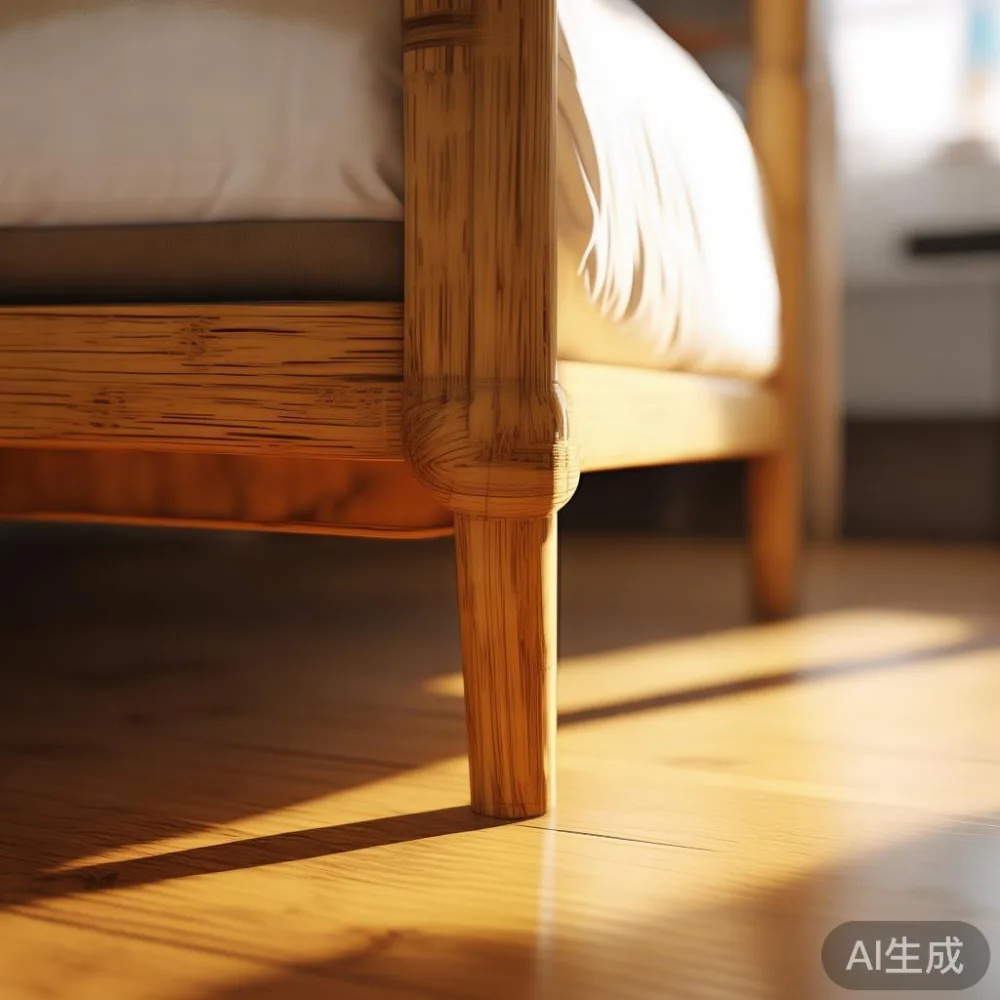
Solid wood furniture, conversely, is crafted from genuine timber planks. These planks are kiln-dried to a specific moisture content (typically 8-10% to suit Singapore's humidity) and then joined using traditional woodworking techniques like mortise and tenon, dovetail, or dowel joints. The entire piece, from the legs to the tabletop, is made of the same solid material. For bamboo furniture, this means the entire frame, panels, and supports are made from solid bamboo stalks, a material renowned for its strength and sustainability.
Initial Investment: The Upfront Price Difference
The most immediate difference between veneer and solid wood furniture is the purchase price. Veneer items are typically 30-50% less expensive than their solid wood counterparts. This initial saving can be tempting, especially for homeowners furnishing an entire apartment from scratch. Let's examine the cost of a few key pieces for a standard Singapore living room.
| Furniture Item | Veneer Price Range (SGD) | Solid Wood Price Range (SGD) |
|---|---|---|
| 3-Seater Sofa | SGD 1,200 - SGD 1,800 | SGD 2,500 - SGD 3,500 |
| Dining Table (seats 4) | SGD 800 - SGD 1,200 | SGD 1,800 - SGD 2,800 |
| TV Console (150cm wide) | SGD 500 - SGD 800 | SGD 1,200 - SGD 1,800 |
| Bed Frame (King Size) | SGD 900 - SGD 1,400 | SGD 2,000 - SGD 3,000 |
For a starter set of a sofa, dining table, and TV console, the initial cost for veneer furniture could be around SGD 2,500 to SGD 3,800. A comparable solid wood set from a reputable maker like MIDHILL would range from SGD 5,500 to SGD 8,100. This upfront difference is substantial and is the primary reason many consumers initially choose veneer.
Long-Term Durability and Maintenance Costs
The initial purchase is only the beginning. The true cost of ownership is revealed over time through maintenance and potential repairs. Singapore's climate, with its high humidity and occasional temperature fluctuations, poses a significant challenge for furniture.
Year 1-3: The Initial Wear and Tear
In the first few years, veneer furniture can look perfectly adequate. However, the core weakness—the engineered wood substrate—begins to reveal itself. Humidity can cause the substrate to swell and warp. This internal stress often leads to the thin wood veneer layer cracking, peeling, or bubbling, especially at the edges or corners. A small chip on a veneer table corner is often irreparable without a complete refinishing job.
Solid wood furniture, including bamboo furniture, is engineered for this environment. The solid planks can expand and contract with humidity changes without structural failure. A well-made solid wood dining table might develop minor hairline cracks in the finish, known as "checking," which is a natural sign of the wood breathing and does not compromise its integrity. These can often be buffed out with a soft cloth.
Year 4-5: The Cost of Repair and Restoration
By the fifth year, the maintenance costs for veneer furniture start to mount. A cracked or peeling veneer surface requires professional repair to look presentable again. This involves stripping the damaged area, applying a new veneer patch, and colour-matching the stain, a process that can cost SGD 200 to SGD 400 per piece for a simple repair. For a dining table with significant veneer damage, the cost could approach SGD 600.
Solid wood furniture, on the other hand, is far more forgiving. Minor scratches and dings can be sanded out and the piece refinished. A solid wood sofa or bed frame can be completely refinished for a cost of SGD 300 to SGD 500, restoring it to its original condition. This is a significant advantage, as solid wood furniture is designed to be repaired, not replaced. A colleague of mine in Bedok recently had her 8-year-old solid wood dining table refinished by a specialist. The cost was SGD 450, and it looks better than new, whereas a similar aged veneer table would likely have been discarded.
Resale Value: The Hidden Financial Factor
When it's time to move or upgrade, the resale value of furniture can offset a portion of your initial investment. This is a critical financial metric that is rarely considered at the point of purchase.
Well-maintained solid wood furniture holds its value remarkably well. A 5-year-old solid wood sofa from a respected brand might retain 40-60% of its original value on the resale market. A solid wood dining table could retain 50-70%. This is due to its durability, timeless appeal, and the perception of quality.
Veneer furniture, in contrast, has almost no resale value. By the five-year mark, it is often considered used and damaged, with peeling veneer and a wobbly structure making it undesirable. Selling a 5-year-old veneer set might only yield SGD 100 to SGD 300, if anything at all. This represents a total loss of the initial investment minus a negligible return.
How to Style French Wardrobe in Room: A Practical Consideration
The choice of material also impacts the aesthetic and functional quality of your furniture, which in turn affects your daily living experience. Take, for example, the common Singaporean bedroom dilemma: how to style French wardrobe in room. A French provincial wardrobe is characterised by its ornate carvings, curved legs, and elegant proportions. Achieving this look requires a material that can be intricately carved and shaped without losing structural integrity.
A solid wood wardrobe, or even a high-quality bamboo furniture piece, can be crafted with the detailed mouldings and panels required for an authentic French provincial style. The solid construction ensures the doors hang straight, the drawers operate smoothly, and the piece remains stable for years. A veneer wardrobe attempting the same design will likely have cheap plastic or MDF mouldings that are glued on, which can warp or fall off. The doors may not align properly, and the feel will be less substantial, detracting from the light luxury aesthetic you're aiming for.
Is Solid Wood Furniture Worth the Higher Price for Singapore Homes?
After analysing the initial cost, maintenance, and resale value, the 5-year financial picture becomes much clearer. Let's create a hypothetical total cost of ownership for a living room set.
| Cost Component | Veneer Living Room Set (SGD) | Solid Wood Living Room Set (SGD) |
|---|---|---|
| Initial Purchase | SGD 3,000 | SGD 6,000 |
| Year 2-3 Minor Repairs | SGD 150 | SGD 0 |
| Year 4-5 Major Refinishing | SGD 400 | SGD 350 |
| Resale Value (End of Year 5) | SGD 100 | SGD 2,400 |
| Net Cost of Ownership (SGD) | SGD 3,450 | SGD 3,950 |
While the net cost of ownership is slightly higher for solid wood in this example, the value proposition has shifted dramatically. The veneer set is worn, damaged, and in effect worthless. The solid wood set is in excellent condition, has been refreshed, and still holds a significant portion of its value. You can apply this same calculation to a best French provincial sofa for 2026 or a best Modern sofa for 2026; the long-term durability will always favour solid construction.
Space and Practicality in Singaporean Residences
Singapore's living spaces, from HDB corridors in Tampines to condo lift lobbies, demand practical furniture. Solid wood furniture is often heavier, but its durability means you won't need to replace it as often. A solid wood nightstand will withstand years of use without a wobbly leg, whereas a veneer one might become unstable after a couple of years, creating a hazard. The peace of mind that comes with a 10-year structural warranty, as offered by makers like MIDHILL, is a significant factor that mitigates the initial weight concern.
For smaller apartments, the style of furniture is key. A European for small living room aesthetic, often characterised by clean lines and light colours, can be beautifully executed with solid wood. The material's inherent quality allows for slimmer, more elegant designs that don't feel bulky. In contrast, poorly made veneer furniture designed for small spaces can look flimsy and cheap, undermining the intended sophisticated look.
The Bedroom: A Sanctuary of Light Luxury
The bedroom is a personal sanctuary, and the bed is its centrepiece. The choice between a European bed vs Italian light luxury bed often comes down to material quality. A solid wood bed frame provides a sense of permanence and quality. The solid construction ensures no squeaking, no wobbly headboard, and a sturdy foundation for your mattress. This is the foundation of a best light luxury bed for 2026—not just the look, but the quiet confidence of knowing it will last.
Bamboo furniture offers a compelling alternative here. It has the strength and stability of solid wood but with a unique, natural aesthetic that complements both modern and traditional designs. A bamboo bed frame is not only durable but also an eco-conscious choice, aligning with the values of many modern Singaporeans. The combination of a solid wood or bamboo bed frame with a marble-topped nightstand creates a stunning light luxury bedroom that is both beautiful and built to last.
Conclusion: A Long-Term Investment in Your Home
The decision between veneer and solid wood furniture is not merely about price; it is a decision about the kind of home you want to live in and the legacy of quality you wish to create. While veneer furniture offers a lower entry point, its total cost of ownership over five years is comparable to, or even higher than, solid wood when accounting for repairs and the complete loss of resale value.
Solid wood furniture, including bamboo furniture, represents an investment. It is an investment in durability, in timeless design, and in the daily enjoyment of a well-crafted object that will not let you down. For the Singaporean homeowner, it means a wardrobe that will not warp in the humidity, a dining table that will host family gatherings for decades, and a bed that provides a sense of stability and calm. In the end, the choice is clear: for furniture that truly stands the test of time, solid construction is the only way to go.