The True Cost of Bamboo Furniture: What Actually Drives the Price
For residents of Singapore, from the compact 3-room flats in Tampines to the spacious penthouses in Punggol, furniture is more than just an object; it's a long-term investment in comfort and style. The Singaporean home, with its specific dimensions like standard corridor widths of 120cm and lift capacities often around 400kg, demands thoughtful consideration. When browsing for a new piece, you might see a bamboo dining table for SGD 1,200 and another for SGD 3,500. The difference is stark, and it's easy to assume the higher price is just for a brand name. But the reality is far more nuanced. The price of solid bamboo furniture is a complex calculation of material, craftsmanship, design, and logistics, reflecting a commitment to quality that will last for decades.
Why Does Bamboo Furniture Cost So Much More Than Other Materials?
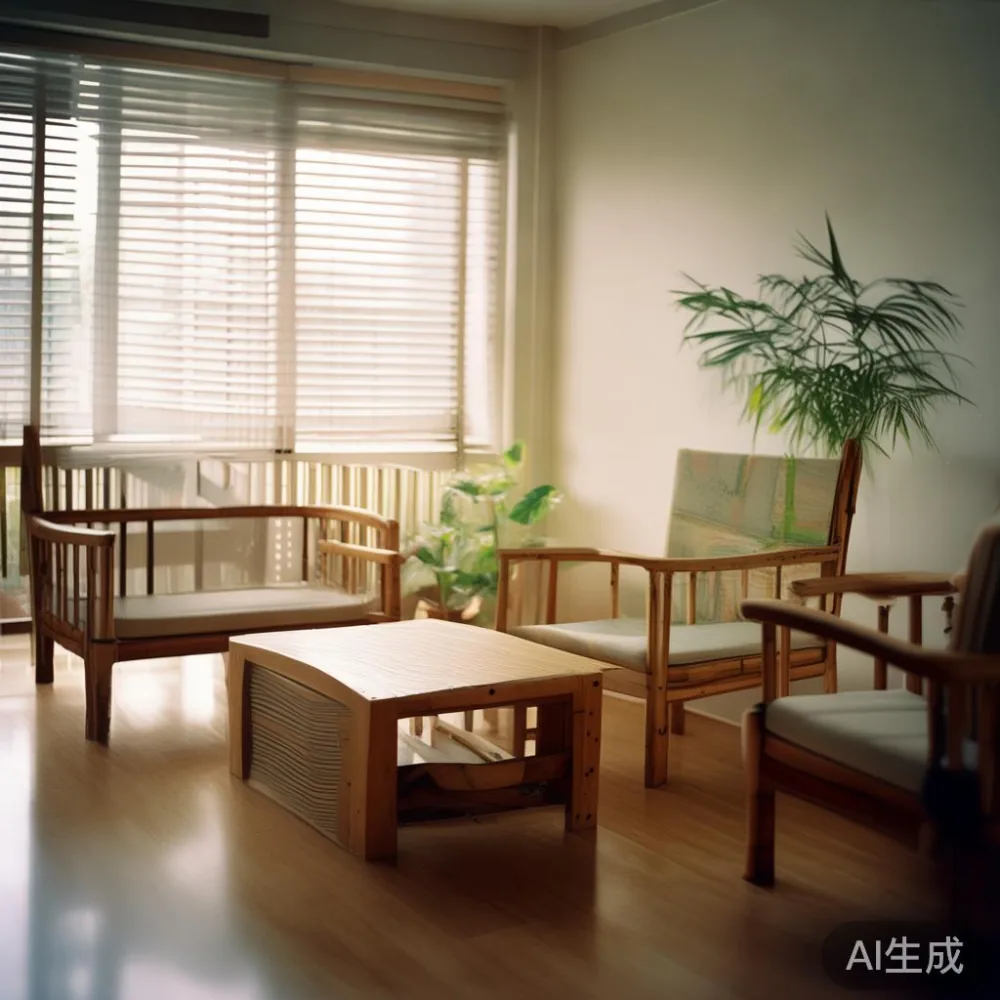
The most significant factor in the price of bamboo furniture is the material itself. Bamboo is not a wood; it's a giant, woody grass. This distinction is everything. A single bamboo pole can reach heights of 15 to 20 meters and grow to a diameter of over 20 cm in just 3 to 5 years. This rapid growth cycle makes it a highly sustainable resource. However, the process of transforming this raw, hollow pole into a stable, durable piece of furniture is intricate. Unlike solid wood like oak or teak, which can be sawn into planks, bamboo must be processed. It's harvested, cut into strips, boiled to remove sugars, carbonized for colour, and then laminated under extreme heat and pressure to form solid panels. This multi-step manufacturing process requires specialized machinery and significant energy, contributing directly to the final cost. Also, high-quality bamboo furniture uses mature, 5-6 year old poles, which have a denser fibre structure, ensuring greater strength and longevity. This is why a solid bamboo bed frame commands a higher price than a simple MDF or particleboard alternative; it's an investment in natural strength and sustainable beauty.
What Is the Real Value Behind a 10-Year Structural Warranty?
When you see a furniture maker offering a 10-year structural warranty, it's not just a marketing slogan. It's a direct reflection of the confidence they have in their product's construction. For a bamboo wardrobe or a solid wood sofa, this warranty covers the core frame—the skeleton of the furniture. It promises that the joints will not fail, the panels will not warp or crack under normal use, and the integrity will remain sound for a decade. This peace of mind has a tangible value. Consider the alternative: a piece of flat-pack furniture with a 1-year warranty. If a joint fails after 18 months, you're faced with the cost and hassle of repair or replacement. A 10-year warranty from a company like MIDHILL, established in 2008 and exporting to 15+ countries, means they stand behind their craftsmanship. It protects your investment over the long term, which is especially important in Singapore's climate, where fluctuating humidity can put stress on wooden and bamboo furniture. This long-term assurance is a key component of the price, shifting the purchase from a disposable commodity to a durable asset for your home.
How Does Singapore's Unique Living Space Impact Furniture Pricing?
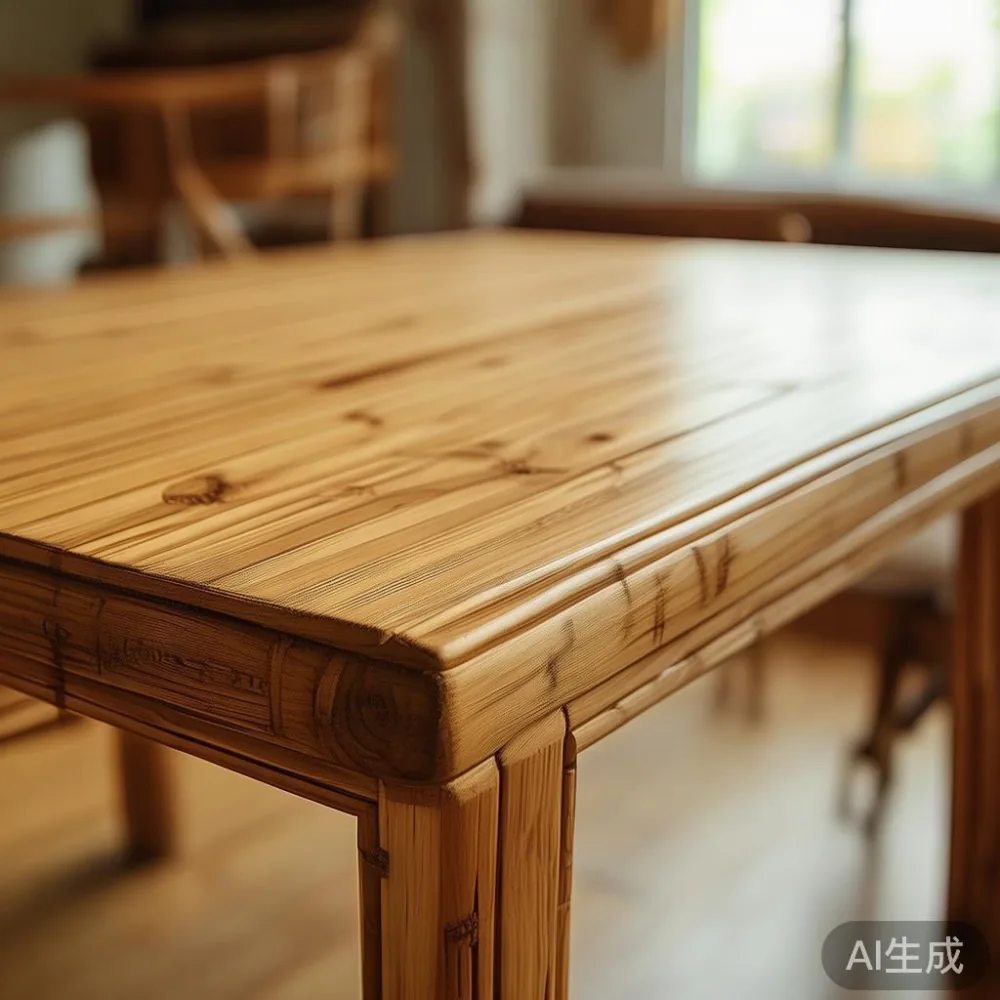
The physical dimensions of a Singaporean home are a critical, often overlooked, factor in furniture pricing. HDB flats and condominiums, from the older estates of Bedok to the modern developments of Punggol, have specific spatial constraints. A standard corridor in a HDB block is typically 120cm wide, and a lift might measure 110cm x 140cm. This means a large marble table or a substantial European light luxury sofa must be designed to work through these spaces. Furniture makers account for this in several ways. First, they design pieces that can be disassembled for easier transport. A solid wood dining table might ship in 3 parts to fit through a standard doorway. Second, they offer modular options. A large sofa might be a 2-seater and a 3-seater that can be arranged in different configurations. Third, they provide precise measurements. A bamboo wardrobe might be specified at 180cm wide, 60cm deep, and 200cm tall to ensure it fits perfectly in a common bedroom layout. This level of customization and consideration for local logistics adds a layer of value and, consequently, cost. It's not just about building a beautiful piece; it's about engineering it for the reality of Singaporean living.
European Light Luxury Sofa vs Japandi Sofa: Which One Costs More and Why?
The choice between design styles like European light luxury and Japandi is not just about aesthetics; it's a choice that directly impacts the price point. A European light luxury sofa, for instance, often features more complex forms, premium upholstery like top-grain leather or high-performance fabrics, and a more substantial frame with detailed joinery. The style emphasizes comfort and opulence, with deeper seats and plush cushions. On the other hand, a Japandi sofa focuses on minimalism, clean lines, and natural materials, often using simpler, more straightforward construction methods. While both can be made from solid bamboo, the design philosophy and execution differ significantly. The labour involved in crafting the tufted back of a European light luxury sofa is far greater than the simple, straight lines of a Japandi design. This difference in labour hours is a primary driver of the price variance. Understanding this helps explain why two seemingly similar bamboo sofas can have a price difference of several hundred dollars; it's the sum of design complexity, material quality in the upholstery, and the time invested in craftsmanship.
How to Style a European Bed in an Apartment Without Breaking the Bank?
Incorporating a statement piece like a European bed into a Singaporean apartment requires a strategic approach to manage costs. A full European light luxury bed in apartment settings can be a significant investment. The bed frame itself is often the centerpiece, made from solid wood or bamboo with elaborate headboard designs. To style this effectively without overspending, focus on the bed as the hero and keep other elements simple. Pair a substantial bamboo bed frame with minimalist nightstands in a lighter wood or even metal. Use neutral-toned bedding to let the bed's design stand out. For lighting, opt for sleek, understated floor lamps or wall sconces rather than large, ornate chandeliers that might overwhelm the space. The key is to create a balanced composition where the European bed is the focal point, supported by more affordable, complementary pieces. This approach allows you to invest in the high-quality, durable frame you desire while keeping the cost of the bedroom decor in check. It’s a smart way to achieve the look without compromising on the quality of the most important item.
What Does 'Lifetime Refinishing' Really Mean for Your Furniture?
A 'lifetime refinishing' warranty is one of the most compelling features of high-end bamboo furniture, and it's a service that justifies a portion of the initial price. Unlike cheaper furniture that ends up in the landfill when the surface finish wears out, a well-made bamboo piece can be restored to its original beauty. This service involves sanding down the existing finish and applying a new, protective layer of lacquer or oil. This process can be performed multiple times over the life of the furniture. For a family in Singapore, where furniture is used heavily for years, this is invaluable. Imagine a dining table that has hosted countless gatherings, with minor scratches and rings telling its story. Instead of replacing it, you can have it refinished, making it look brand new. This extends the usable life of the furniture from 10-15 years to potentially 50 years or more. It transforms the purchase from a disposable item into a true heirloom. This commitment to longevity is a core tenet of brands that offer this service, and it represents a significant value that is factored into the price.
How Do Delivery and Return Policies Affect the Final Price?
The logistics of getting a piece of furniture from a factory in Foshan to a living room in Singapore are complex and costly, which is reflected in the final price. This includes shipping, import duties, and the Goods and Services Tax (GST) of 9% applied to the value of the goods plus shipping. A large marble table, for example, is extremely heavy and requires specialized freight, adding hundreds to thousands of dollars to the cost. To make this more manageable for customers, reputable companies offer policies like free shipping for orders over SGD 3,500. This threshold is carefully calculated; it represents the point where the combined value of items covers the significant shipping and handling costs. Similarly, a 14-day return policy provides security. It allows a customer to receive the item, inspect it for any damage or defects, and return it if it's not suitable. This service involves reverse logistics, inspection, and potential restocking, all of which are operational costs. While these policies benefit the consumer, they are part of a well-structured business model that ensures quality control and customer satisfaction, and the costs to provide these services are built into the pricing structure.
Italian Light Luxury with Storage: A Smart Investment for Small Spaces
In a city-state where space is at a premium, furniture that combines style with functionality is worth its weight in gold. The concept of Italian light luxury with storage is a perfect example of this principle. An Italian-inspired wardrobe might feature clean, elegant lines and premium finishes, but its true value lies in its internal organization. Instead of simple hanging rods, these wardrobes often include built-in drawers, shelves with adjustable heights, and specialized compartments for shoes or accessories. This multi-functional design maximizes every cubic centimeter of space. For a bedroom in a Bedok condo, where closet space might be limited, a wardrobe with integrated storage can eliminate the need for a separate dresser or chest of drawers, saving valuable floor space. This consolidation of function into a single, beautifully designed piece is a hallmark of thoughtful furniture design. The price reflects the complexity of the internal hardware, the precision of the cabinetry, and the smooth integration of storage into the aesthetic. It’s an investment that pays off daily through enhanced organization and a more streamlined living environment.
How to Style a European Light Luxury Bed in an Apartment?
Styling a European light luxury bed in an apartment is an exercise in balancing grandeur with the realities of urban living. The key is to anchor the space with the bed and build a cohesive, uncluttered look around it. Start with the bedding; choose high-quality linens in solid colours like cream, grey, or deep blue to complement the bed's frame. Layer with a few textured throws or pillows to add depth without overwhelming the design. The nightstands should be proportional—low-profile and sleek, perhaps with a marble top to echo the light luxury feel. Lighting is important; a pair of elegant bedside lamps with a metallic finish can add a touch of glamour. Keep the walls a neutral colour to allow the bed to be the star of the show. By focusing on quality over quantity and maintaining a restrained colour palette, you can create a sophisticated, hotel-like bedroom that feels both luxurious and perfectly suited to a Singaporean apartment.
Why a French Provincial Dining Table is a Timeless Choice
A French provincial dining table offers a timeless elegance that transcends fleeting trends. Its design is characterized by graceful curves, turned legs, and a sense of refined informality. Unlike a more ornate style, French provincial pieces are designed to be lived in. They are often crafted from solid wood or bamboo, featuring a distressed finish that adds character. The price of a French provincial dining table reflects its classic design and durable construction. It’s a piece that will not look dated in five or ten years. It serves as a gathering place for family and friends, becoming the heart of the home. Its enduring appeal means it’s a long-term investment in both style and function. For a homeowner in Punggol looking to furnish a dining area that feels both welcoming and sophisticated, a French provincial table is a choice that combines aesthetic beauty with practical, lasting value.
What Makes a Light Luxury Coffee Table Worth the Investment?
A light luxury coffee table is often the centerpiece of a living room, and its design and materials set the tone for the entire space. These tables are distinguished by their use of premium materials and refined details. You might find a table with a solid bamboo or oak base and a stunning marble or tempered glass top. The marble table top, for example, is not just a surface; it's a statement of natural beauty, with unique veining that makes each piece one-of-a-kind. The construction is also paramount. A well-made coffee table will have strong, interlocking joints and a stable, balanced design. The price accounts for the cost of these high-end materials, the precision of the craftsmanship required to join them smoothly, and the design's ability to improves the entire room. It’s a functional piece that also serves as a work of art, making it a worthy investment for creating a sophisticated and inviting living area.
Is Midhill the Right Choice for Your Bamboo Furniture Needs?
When considering a significant purchase like a solid bamboo wardrobe or a dining set for your Singapore home, the manufacturer's reputation and experience are paramount. A company like MIDHILL, with its history dating back to 2008 and a global footprint, brings a level of expertise and reliability to the table. Their 10-year structural warranty and lifetime refinishing service are not just promises; they are backed by years of experience in understanding what makes furniture durable. Their experience exporting to over 15 countries means their products are designed to withstand the rigours of international shipping and diverse climates, including Singapore's humidity. They understand the logistical challenges and design furniture that is not only beautiful but also practical for modern living. Choosing a manufacturer with this kind of track record is a way to ensure that your investment is protected and that you are getting a product that has been refined and perfected over many years.
How Do Material Costs and Durability Compare in Bamboo Furniture?
At its core, the price of bamboo furniture is a reflection of its material quality and durability. While the initial cost per square meter of bamboo might be comparable to some solid woods, the processing required to create stable, furniture-grade panels is significant. This process ensures that the final product is resistant to warping and cracking, a critical factor in Singapore's humid environment. A high-quality bamboo panel is incredibly strong, with a tensile strength that can rival steel. This strength allows for the creation of elegant, slender designs without sacrificing structural integrity. When you compare a bamboo piece to one made from a lesser material, the difference in longevity is stark. A bamboo dining table can be sanded and refinished for decades, while a particleboard table will degrade and need to be replaced. The higher upfront cost of bamboo furniture is an investment in a material that will not just last, but will continue to look beautiful and function perfectly for a lifetime, making it a financially sound choice in the long run.