The Art of Caring for Lacquered Bamboo Furniture in Singapore's Tropical Climate
Living in Singapore, with its consistently high humidity and temperatures, presents a unique set of challenges for maintaining the beauty and integrity of your home furnishings. For those who appreciate the understated elegance and sustainable nature of bamboo furniture, the protective layer of lacquer is both a blessing and a responsibility. A high-quality lacquered finish, like those found on pieces from established makers, provides a stunning, durable surface. However, without the right care, the tropical climate can test this finish, leading to potential issues like cloudiness, stickiness, or even cracking. This guide provides a comprehensive, practical approach to preserving your lacquered bamboo surfaces, ensuring they remain a source of pride in your home for years to come.
Understanding the Lacquer Finish on Bamboo Furniture
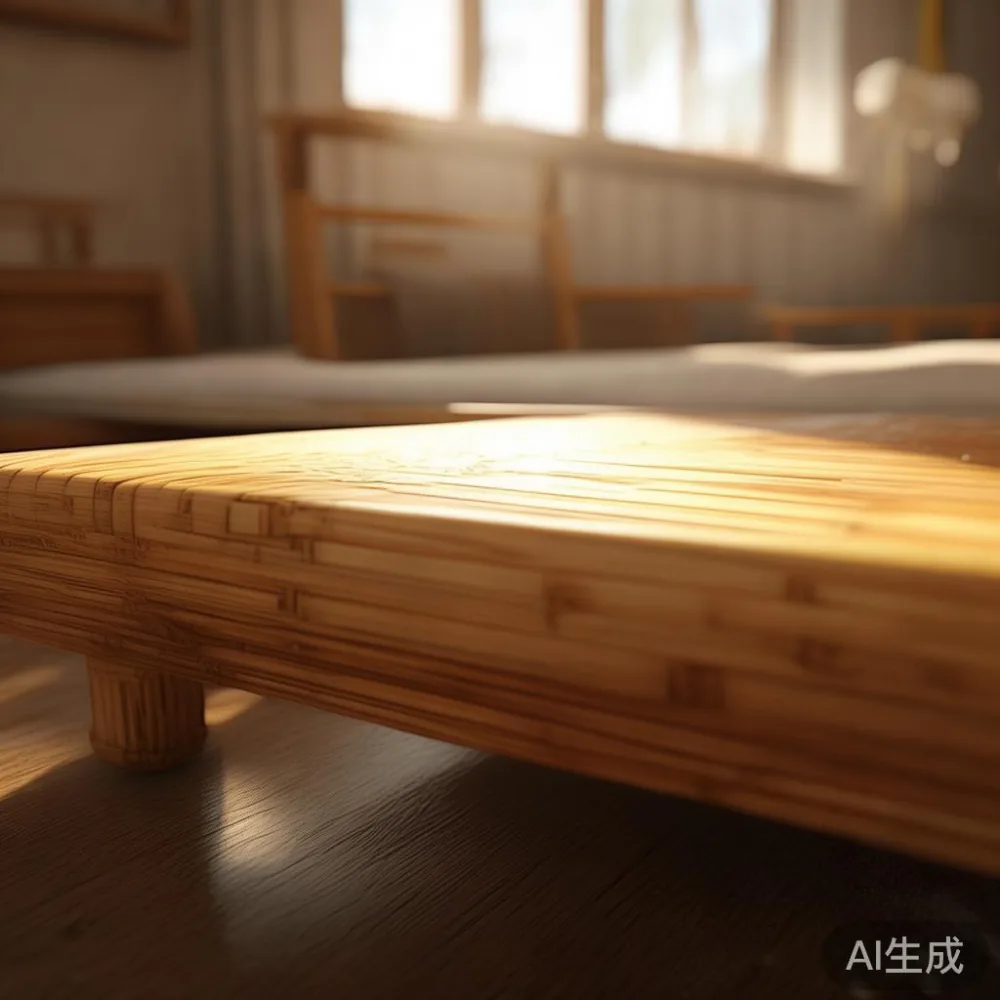
The lacquer applied to bamboo furniture is not a simple paint; it is a multi-layered, cured film designed to protect the wood's natural fibres. Think of it as a sophisticated shield. In a place like Singapore, where the relative humidity can hover around 80% for much of the year, this shield is constantly under siege. Moisture in the air seeks equilibrium, and if the lacquer is compromised, it can be absorbed by the bamboo underneath. This can cause the finish to become soft, sticky, or develop a milky white appearance—a condition known as blush or blooming. Understanding that the finish is a protective barrier is the first step in learning how to care for it. The goal of your maintenance routine is to clean this shield without damaging it and to protect it from the harsh elements of your local environment, whether you live in a compact HDB flat in Tampines or a spacious condo in Punggol.
Why Daily Habits Matter More Than You Think
Preventative care is the most effective form of preservation. The dust and grime that accumulate on your furniture's surface are not just unsightly; they are abrasive. When you wipe the surface with a cloth, these tiny particles can act like fine sandpaper, creating microscopic scratches that dull the lacquer's sheen and provide entry points for moisture. A simple, dry, microfiber cloth used for a quick dusting every two to three days can make a significant difference. For a deeper clean, use a soft cloth lightly dampened with distilled water. Avoid tap water, which can contain minerals that leave behind hard water spots on the lacquer. When placing objects on your bamboo dining table or nightstand, always use coasters for drinks and felt pads for vases or ornaments. A hot mug placed directly on the surface can create a ring of heat that softens the lacquer, potentially leaving a permanent mark.
How to Clean a Lacquered Surface Without Causing Damage
When it comes time for a more thorough cleaning, the products you choose are critical. Never use harsh chemical cleaners, ammonia-based glass sprays, or abrasive scouring pads. These will strip away the protective lacquer, leaving the raw bamboo underneath exposed. Instead, opt for a pH-neutral, wood-specific cleaner. You can also create a safe cleaning solution by mixing a few drops of a mild, non-alkaline dish soap with a litre of distilled water. Dampen a soft, lint-free cloth with this solution—wring it out thoroughly so it is damp, not wet—and wipe the surface in the direction of the wood grain. Immediately follow with a second cloth, dampened with only distilled water, to remove any soap residue. Finally, buff the surface dry with a clean, dry microfiber cloth. This process ensures the surface is clean without introducing excessive moisture or harsh chemicals that could harm the finish.
Protecting Your Furniture from Singapore's Humidity and Sunlight
Environmental factors are a primary concern for furniture care in Singapore. The high humidity can cause bamboo to expand and contract, putting stress on the lacquer. To mitigate this, maintain a stable environment in your home. Using a dehumidifier, especially in naturally humid areas like bathrooms or during the rainy season, can help keep the relative humidity between 45% and 55%. Air conditioning also plays a role, as it not only cools the air but also removes moisture. Direct sunlight is another enemy. UV rays can fade the colour of the lacquer and cause it to become brittle over time. Position your bamboo sofa or bed frame away from large windows, or use UV-protective window films. If you have a favourite piece in a sun-drenched spot, consider rotating it occasionally to ensure an even fading of the finish, rather than having one side dramatically discoloured.
What to Do When Your Lacquered Surface Becomes Sticky or Cloudy?
Despite your best efforts, you might encounter a problem. If your bamboo furniture surface feels sticky or has a cloudy, milky appearance, it is likely due to moisture being trapped beneath the lacquer. This is a common issue in humid climates. The first step is to identify the cause. Has a potted plant been left on the surface? Was a spill not cleaned up properly? Once the source is removed, you can attempt a gentle fix. For a cloudy finish, try buffing the area with a soft cloth. Sometimes, the moisture will dissipate on its own. For stickiness, a very small amount of pure, clear carnauba wax can be applied to a soft cloth and buffed into the area. This can help absorb the excess moisture and restore the surface's feel. If the problem persists, it may be necessary to have the piece professionally refinished. Many reputable manufacturers offer a lifetime refinishing service, which can restore the furniture to its original condition.
How to Style European Light Luxury Wardrobe in Room with Bamboo Accents?
Integrating your well-cared-for bamboo furniture into a broader interior design scheme is where the real fun begins. For instance, you might be wondering how to style European light luxury wardrobe in room that features other bamboo pieces. The key is to create a harmonious balance. A European light luxury wardrobe, often characterised by clean lines, subtle curves, and a matte or satin finish, pairs beautifully with the natural texture of bamboo. You can create a cohesive look by using a consistent colour palette. For example, a wardrobe in a soft, dove grey can be complemented by a bamboo nightstand and a marble-topped side table. The cool, sleek surface of the marble provides a stunning contrast to the warmth of the bamboo. This combination creates a sophisticated, layered look that feels both modern and organic. The natural grains and tones of the bamboo furniture will add a touch of earthy elegance to the refined luxury of the wardrobe, creating a balanced and inviting bedroom space.
Practical Considerations for Singaporean Homes
When selecting new furniture, it's important to consider the practical realities of Singaporean living. The standard width of a corridor in an HDB flat is about 120 cm, and the lift dimensions are approximately 110 cm wide by 210 cm deep. This means that large items like a solid wood sofa or a wardrobe need to be handled carefully. Always measure your doorways, lift, and corridor before delivery. Many furniture companies in Singapore offer a measurement service to ensure a smooth delivery. Price is another factor. A quality piece of bamboo furniture is an investment. You can find options under 2000 Modern light luxury furniture, which offer excellent value and durability. Remember to factor in the 9% GST on your purchase. For peace of mind, look for brands that offer a comprehensive warranty. A 10-year structural warranty, for example, provides long-term assurance of the furniture's quality and craftsmanship, protecting your investment for a decade.
My Experience with a Bamboo Dining Table in a Bedok Condo
Last month, I visited a colleague in her Bedok condominium to help her style her new dining area. She had purchased a beautiful Mid-century modern dining table made from solid bamboo with a high-gloss lacquer finish. Her condo has large windows that get the afternoon sun, and she was worried about potential damage. We immediately placed the table about 2.5 metres away from the windows to avoid direct UV exposure. I advised her to use coasters for all glasses and to wipe up any spills immediately with a dry cloth. We also discussed the importance of a dehumidifier for the adjacent kitchen area. A few weeks later, she sent me a photo, and the table's finish was still impeccable, reflecting the light perfectly without any signs of cloudiness or stickiness. Her experience reinforced that with the right placement and daily habits, a lacquered bamboo surface can thrive even in a sunny Singaporean home.
Choosing the Right Bamboo Furniture for Your Space
The beauty of bamboo furniture lies in its versatility. It can be adapted to various design aesthetics, from minimalist to light luxury. For a small living room, light luxury for small living room can be achieved by selecting bamboo pieces with slender legs and a simple form, which create an illusion of space. A sofa with low, clean lines in a natural bamboo finish can serve as a stunning anchor for the room. When searching for a new sofa, you might look for the best Post-modern sofa for 2026, which often features unique shapes and a mix of materials; a Post-modern sofa with bamboo armrests could be a statement piece. The key is to choose furniture that not only fits your style but is also suited to the scale of your space. A large, ornate wardrobe might overwhelm a small bedroom, whereas a sleek, streamlined design will complement it. Always consider the dimensions of the room and the other pieces of furniture to ensure a balanced and functional layout.
When Should You Consider Professional Refinishing?
While preventative care can extend the life of your lacquer, there will come a time when professional refinishing might be necessary. If the surface has deep scratches, significant water damage, or the lacquer has worn thin and become dull, a DIY fix may not be sufficient. Professional refinishing involves stripping the old lacquer and applying a new, multi-layered finish. This process requires specialised equipment and expertise to ensure a flawless, durable result. Many high-end manufacturers, including those with a long history like one established in 2008, offer a lifetime refinishing service as part of their commitment to quality. This means that even after many years of use, your favourite bamboo piece can be restored to its original glory. The cost of refinishing can vary, but it is often a fraction of the price of a new, comparable piece of furniture, making it a worthwhile investment.
Final Thoughts on Long-Term Care
Caring for lacquered bamboo furniture in a tropical climate is a matter of consistent, gentle attention. It involves understanding the materials, adopting simple daily habits, and being mindful of your home's environment. By protecting the surface from dust, moisture, and direct sunlight, you can preserve its beauty for a lifetime. Remember that your furniture is more than just an object; it is a part of your home's story. A well-maintained piece of bamboo furniture, like a solid wood bed frame or a elegant nightstand, can be passed down through generations, continuing to tell its story. The effort you put into its care is an investment in both its longevity and the comfort and beauty of your living space.