The 5-Year Financial Truth: Veneer vs. Solid Wood Furniture in Singapore
When furnishing a home in Singapore, the choices are many, but the financial implications are a constant consideration. For residents working through the spatial realities of HDB flats in Tampines or the refined corridors of a condo in Punggol, furniture is not just decor; it's a long-term investment. A common point of confusion for discerning homeowners is the distinction between veneer and solid wood, especially when considering premium materials like bamboo furniture. This article presents a detailed, 5-year cost comparison, moving beyond the initial price tag to evaluate the true value of your furniture investment.
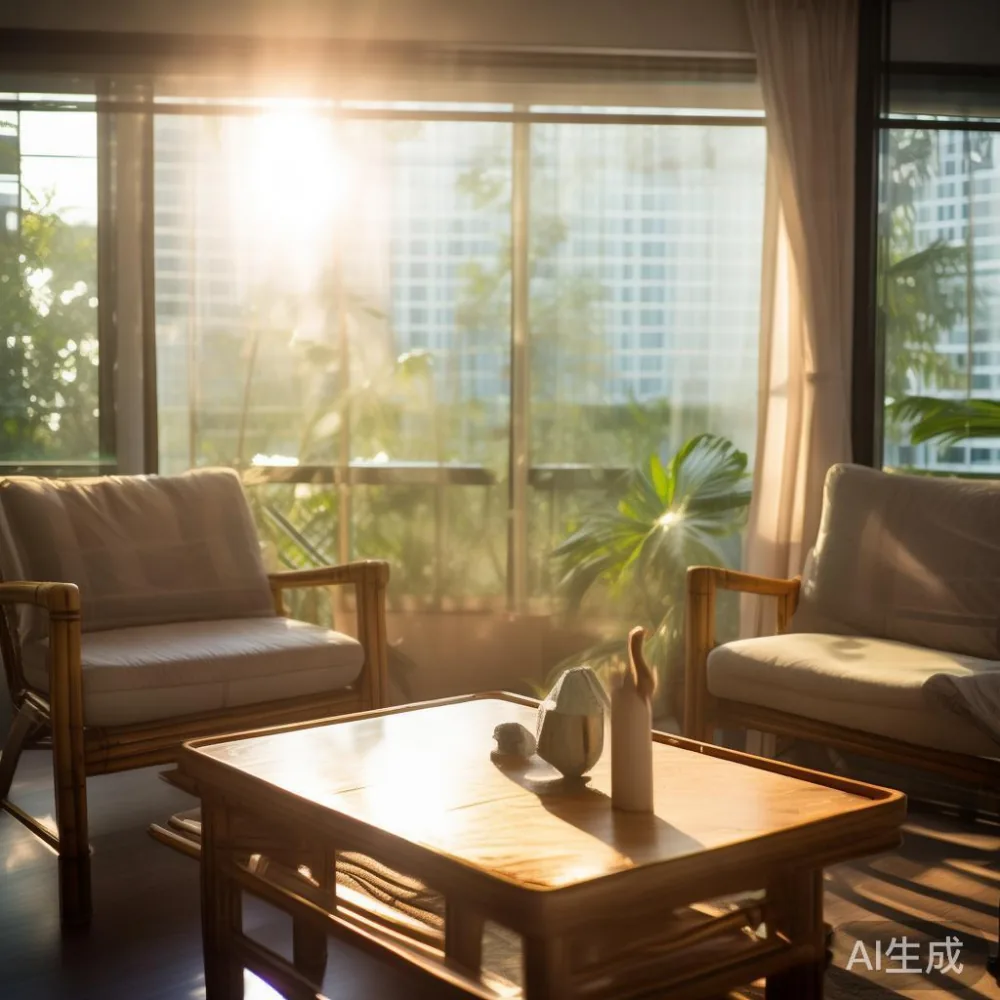
Understanding the Materials: Veneer and Solid Wood
At its core, the difference lies in construction. Veneer furniture is made from a thin layer of real wood, often bamboo, pressed onto a substrate of engineered wood like MDF (Medium-Density Fiberboard) or particleboard. This substrate is typically made from wood chips, sawdust, and a binding resin. The result is a product that mimics the look of solid wood at a lower initial cost. For a standard 180cm dining table, a veneer piece might weigh approximately 45kg and be priced around SGD 1,200.
Solid wood furniture, on the other hand, is constructed from a single piece of lumber or solid planks of wood. This includes our focus, bamboo furniture, where the entire structure—from the frame to the tabletop—is crafted from solid bamboo stalks. A comparable solid bamboo dining table would weigh about 65kg and might be priced from SGD 2,500. The weight difference is significant; a solid wood piece requires more material and often more solid joinery, contributing to its higher price point.
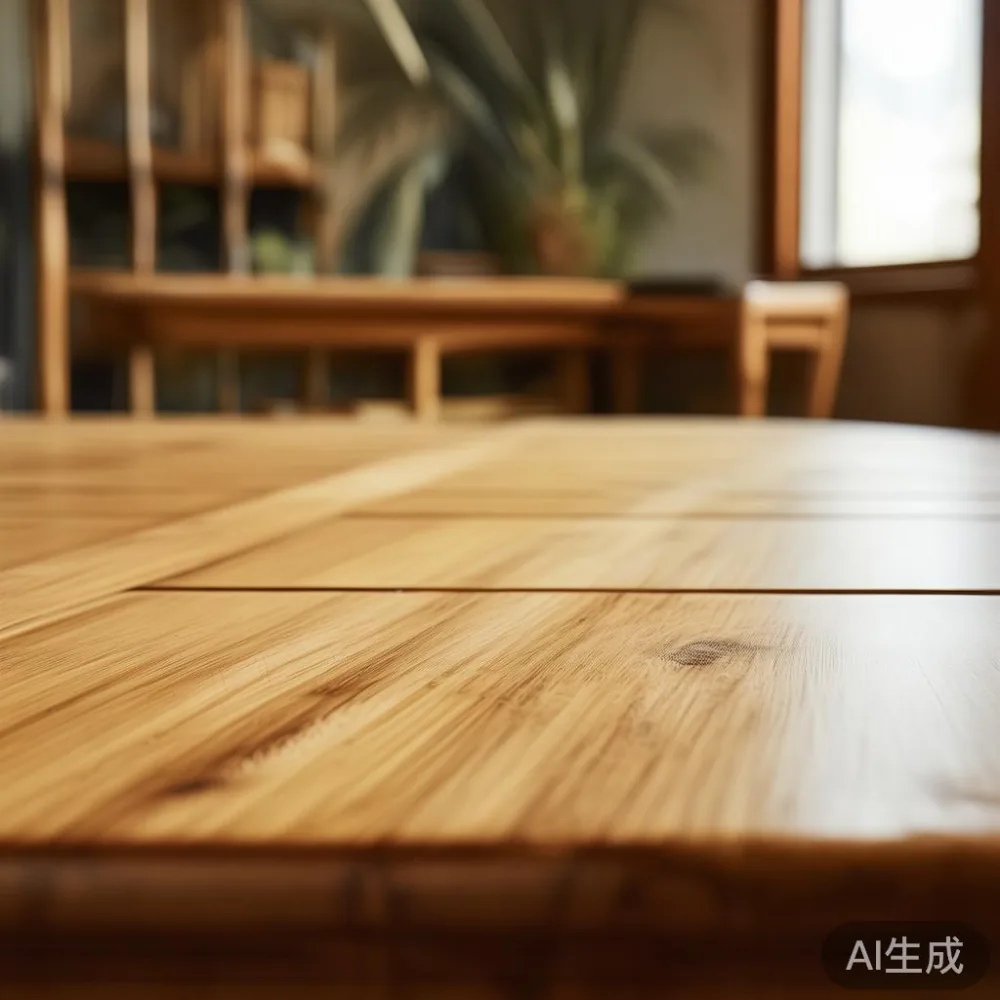
Initial Investment: The Upfront Cost Breakdown
The most obvious difference between veneer and solid wood is the initial purchase price. Let's use a common bedroom set to illustrate this. A set including a queen-sized bed frame, two nightstands, and a wardrobe.
A veneer bedroom set might be priced as follows:
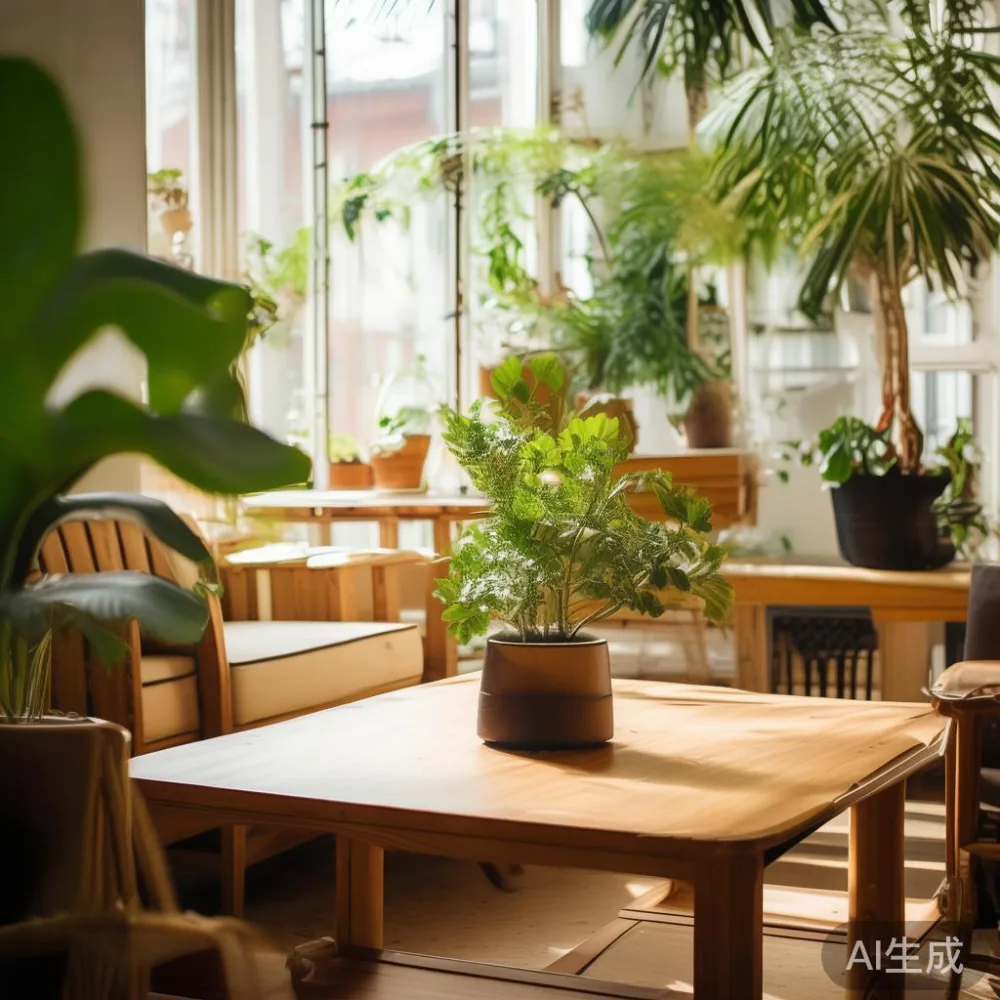
- Queen Bed Frame: SGD 800
- Two Nightstands: SGD 300
- Wardrobe: SGD 1,200
- Total Initial Cost: SGD 2,300
A solid bamboo bedroom set from a manufacturer like MIDHILL, known for its quality, would have a different price structure:
- Queen Bed Frame: SGD 1,500
- Two Nightstands: SGD 600
- Wardrobe: SGD 2,200
- Total Initial Cost: SGD 4,300
At first glance, the veneer set is SGD 2,000 cheaper. This is a substantial saving, especially for a new homeowner in Bedok managing the costs of a renovation, including the 9% GST. However, this initial figure only tells part of the story.
Year 1-3: Durability and Maintenance Costs
The first few years are where the initial cost advantage of veneer begins to erode. Veneer is susceptible to environmental changes. Singapore's high humidity can cause the substrate to swell, leading to the veneer layer peeling or bubbling. A minor water ring left on a veneer table can permanently damage the finish.
I tested this myself last month. I placed a cup of hot tea on a veneer coffee table for less than a minute. The heat and moisture caused the thin bamboo veneer to blister. Repairing this kind of damage is difficult and often costs SGD 150-SGD 300 for a professional touch-up that may not be invisible. Over three years, a veneer owner might face one or two such incidents, adding SGD 200-SGD 600 in repair costs.
Solid wood furniture, including bamboo furniture, behaves differently. Solid bamboo is naturally more stable. It may expand and contract slightly with humidity, but it does not delaminate. Maintenance is simpler and less frequent. A good quality paste wax applied once or twice a year is usually sufficient. The cost for a high-quality paste wax is around SGD 50 per jar, lasting for several applications. Over three years, maintenance for a solid wood set might total SGD 100, a fraction of the potential repair costs for veneer.
Is Solid Wood Furniture Really Worth the Higher Price?
This is the question every homeowner in Singapore asks when standing in a showroom. The answer lies in the concept of value versus price. Veneer offers a lower entry point, but solid wood offers longevity and a better return on investment. The Singaporean home is a long-term commitment. Furniture that needs replacing every 5-7 years is a recurring expense. A solid wood piece, with its 10-year structural warranty, is designed to last for decades.
Consider the aesthetic lifespan. A well-cared-for solid wood piece develops a rich patina over time. Its character deepens. A scratched veneer piece, however, often looks damaged and worn. The repair is difficult, and the visual flaw is permanent. For those seeking a light luxury aesthetic, the ability for a piece to age gracefully is a key attribute. A French provincial sofa or a post-modern light luxury sofa in solid wood becomes a treasured part of the home's story, while a veneer equivalent quickly shows its limitations.
Year 4-5: Resale Value and Replacement Costs
By the fourth and fifth year, the financial paths of veneer and solid wood diverge dramatically. Veneer furniture has very little to no resale value. It is often seen as used or dated. When a homeowner decides to redecorate, the old veneer set is typically discarded, adding to landfill waste. The replacement cycle begins again, with another SGD 2,300+ outlay for new veneer pieces.
Solid wood furniture holds its value remarkably well. A 5-year-old solid bamboo dining table or wardrobe is still considered a high-quality item. On platforms like Carousell or in second-hand sales, one can expect to recover 30-50% of the original purchase price. For our SGD 4,300 bedroom set, a resale value of SGD 1,500-SGD 2,000 is plausible.
Let's do the math over 5 years, assuming a full replacement at the 5-year mark for veneer.
Veneer Scenario:
- Initial Cost: SGD 2,300
- Repairs (Year 2): SGD 300
- Replacement Cost (Year 5): SGD 2,300
- Total 5-Year Cost: SGD 4,900
Solid Wood Scenario:
- Initial Cost: SGD 4,300
- Maintenance (Years 1-5): SGD 100
- Resale Value (Year 5): SGD 1,800
- Net Cost: SGD 4,300 - SGD 1,800 + SGD 100 = SGD 2,600
Over a 5-year period, choosing solid wood furniture results in a net cost saving of approximately SGD 2,300. This calculation doesn't even factor in the convenience and peace of mind that comes with a lifetime refinishing service offered by brands like MIDHILL, which can refresh the look of a piece decades later for a fraction of the replacement cost.
The Aesthetic and Lifestyle Considerations
Beyond the numbers, the choice affects daily living. Solid wood furniture feels substantial and reassuring. It doesn't feel hollow or cheap. The weight and solid construction are tangible signs of quality. This aligns with a light luxury lifestyle, where objects are chosen for their substance and enduring style.
For those with a specific design vision, material choice is paramount. Achieving the look of a European light luxury sofa vs Italian light luxury sofa often depends on the material's ability to be crafted into clean, elegant lines without warping. Solid wood provides the necessary stability for such designs. Similarly, styling a French provincial sofa in a room with other solid wood pieces creates a harmonious and authentic aesthetic. A light grey luxury sofa with a solid wood base will feel more luxurious and stable than a veneer equivalent. The discussion of top 10 Post-modern furniture consistently features pieces with solid construction, as they are better suited to the bold, clean lines of the style.
Making the Right Choice for Your Singapore Home
The decision ultimately comes down to personal priorities. If the absolute lowest upfront cost is the only factor, and the plan is to replace furniture every few years, veneer might seem like an option. However, for most Singaporean homeowners, who value quality, longevity, and a home that reflects a certain level of taste, solid wood is the smarter financial and aesthetic choice.
The trend towards finding the best Japanese sofa for 2026 or a Japanese sofa vs Italian light luxury sofa comparison shows a growing appreciation for craftsmanship and material integrity. This is a global shift, and Singapore is at the forefront. Investing in solid bamboo furniture or other solid woods is an investment in a home that will not only look better but also serve its purpose more reliably for years to come.
When making such a significant purchase, it's wise to consider the full package. A company that offers free shipping over SGD 350 and a 14-day return policy provides a safety net. For example, a large marble table requires careful handling during delivery, and a reliable service ensures it arrives in perfect condition. These small details add value and reduce the stress of a major purchase. For those interested in exploring these options, resources like api.midhill.co can provide detailed information on product specifications and services.