Living with Bamboo Furniture: Mastering Humidity in Singapore's Climate
Living in Southeast Asia, where humidity is a constant companion, one often wonders how it affects the longevity and aesthetics of their wooden furniture. This article digs into the specifics of humidity's impact on wood, especially bamboo furniture, and how to ensure your investment remains beautiful and durable.
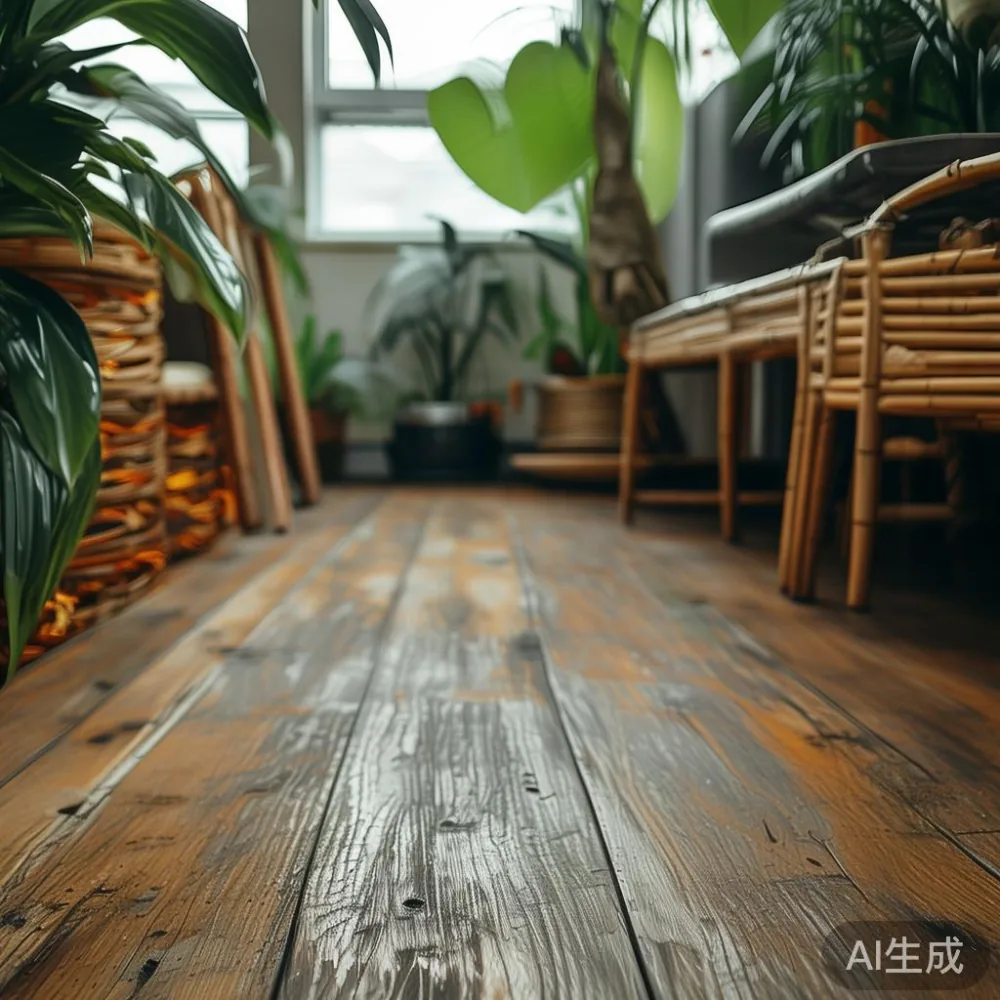
Understanding Singapore's Humidity: More Than Just a Feeling
Southeast Asia is known for its tropical climate, with humidity levels often soaring above 70%. This is particularly evident in Singapore, where HDB flats and condos in areas like Tampines, Bedok, and Punggol are no strangers to high humidity. The average humidity in these areas can reach up to 85% during the monsoon season, which typically spans from November to February. For a resident in a 5-room HDB flat in Tampines, this means the air is thick with moisture, seeping into every corner of the home, including the living room where a solid wood sofa sits, and the master bedroom with a large wardrobe.
The challenge is compounded by the design of Singaporean homes. Standard HDB corridor widths are typically 1.2 metres, and lift dimensions are about 1.1m x 1.4m, which means furniture delivery requires careful planning. A large dining table must be manoeuvred through these tight spaces, and the high humidity can cause the wood to swell slightly during the delivery process, making it an even tighter fit. This physical reality underscores the importance of choosing furniture that is not only aesthetically pleasing but also dimensionally stable under humid conditions.
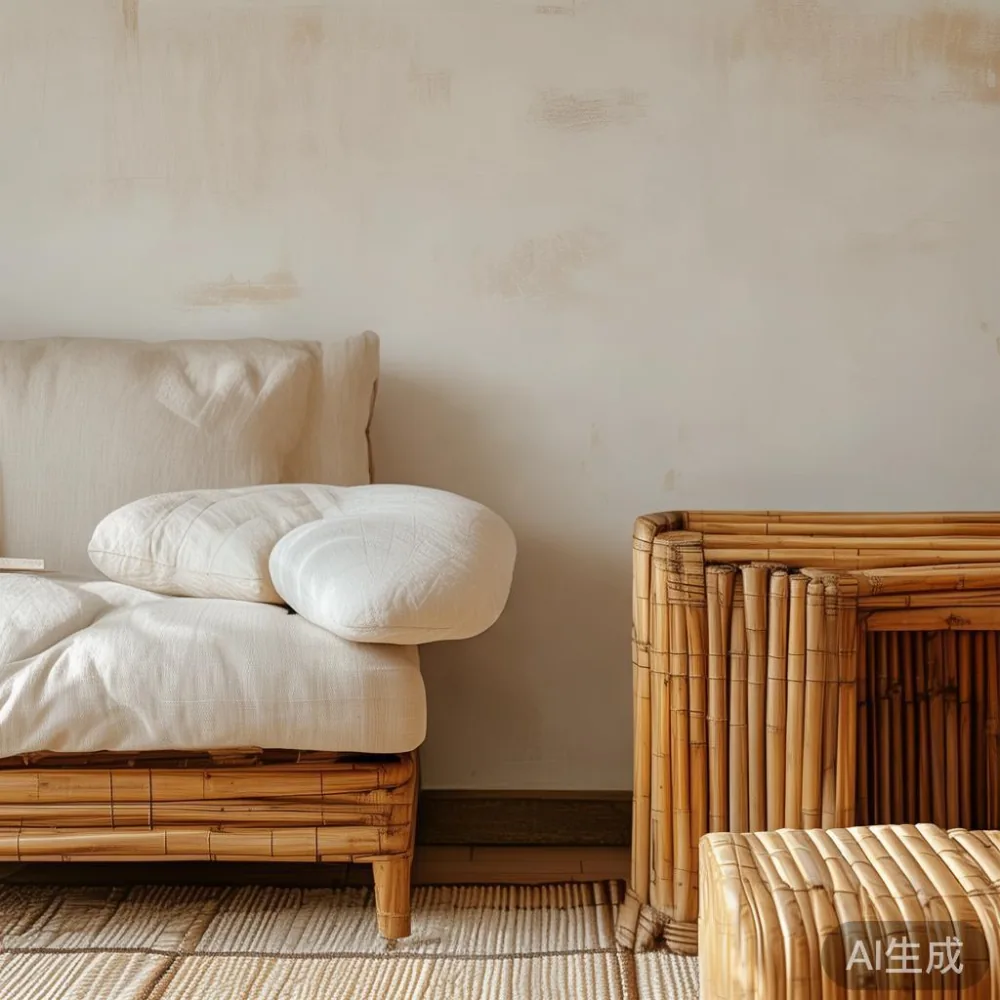
The Science of Humidity: How It Affects Your Furniture
Wood is a hygroscopic material, meaning it absorbs and releases moisture depending on the surrounding environment. High humidity can lead to several issues that compromise both the function and form of your furniture:
- Expansion: Wood absorbs moisture and expands. For example, a solid wood sofa made from oak can expand by up to 0.5% in a 10% increase in humidity. Over a 120cm wide sofa, this translates to a 0.6cm increase in width. While small, this repeated expansion cycle can stress joints and cause panels to warp.
- Contraction: When humidity drops, the wood loses moisture and contracts. A dining table made from teak might contract by 0.3% in a 10% decrease in humidity. This can lead to gaps between tabletop sections or an uneven finish, especially in a 180cm long dining table where the cumulative effect is more noticeable.
- Mold and Mildew: High humidity can create an environment conducive to mold and mildew growth. This is particularly problematic for a wardrobe in a humid bedroom, where moisture can seep into the wood grain, causing unsightly stains and weakening the structure over time. A poorly ventilated walk-in wardrobe in a Bedok condo is a prime location for this issue.
These changes are not just cosmetic. A warped dining table can become unstable, and a swollen drawer in a nightstand might jam shut, rendering the piece unusable. The financial impact is also significant; repairing or replacing a damaged solid wood bed frame can cost upwards of SGD 2,000, a considerable expense for any household.
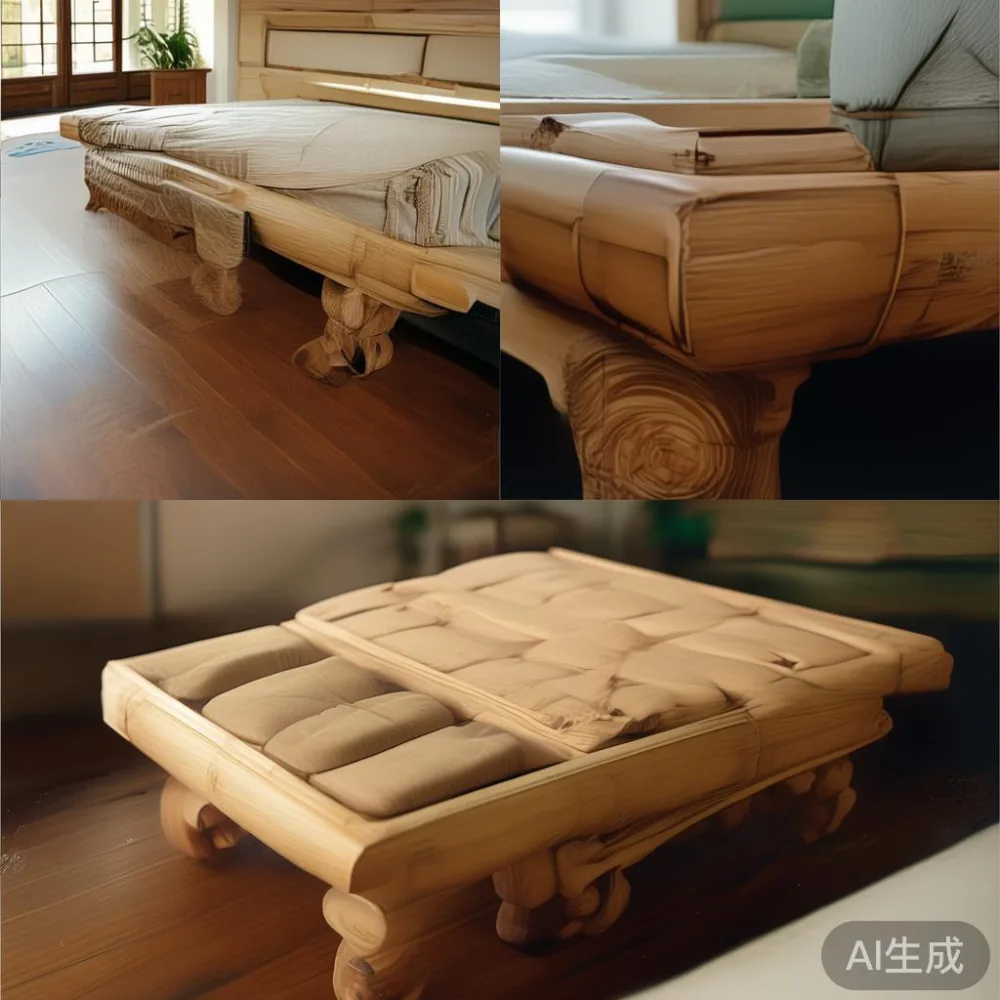
Why Bamboo Furniture is a Smart Choice for Humid Climates
Bamboo furniture is a popular choice in Southeast Asia due to its inherent durability and natural resistance to moisture. Bamboo is a fast-growing grass that has a high moisture content, making it naturally less prone to the issues associated with humidity. Its dense, fibrous structure gives it a high tensile strength, comparable to some hardwoods, while its hollow stems allow it to breathe and adapt to humidity changes more gracefully than solid wood planks.
However, even bamboo furniture is not entirely immune to humidity's effects. Poorly constructed bamboo pieces can still suffer from warping if the individual strips are not properly joined and finished. The quality of the adhesive and the final protective coating are critical. A well-made bamboo dining table from a reputable manufacturer will have a multi-layered lacquer finish that acts as a barrier, preventing moisture from penetrating the core of the material. This is why discerning homeowners in Singapore's Punggol waterfront estates, where sea breezes add an extra layer of humidity, often opt for high-quality bamboo furniture.
Is a French Light Luxury Sofa the Right Fit for a Humid Singaporean Living Room?
The allure of French light luxury furniture is undeniable. Its elegant curves, plush upholstery, and ornate details can transform a living room into a sophisticated sanctuary. A French light luxury sofa, with its button-tufted back and slender wooden legs, exudes a timeless charm. However, when considering such a piece for a home in Singapore, one must weigh aesthetics against practicality.
The primary concern with upholstered furniture in a humid climate is the fabric and the padding. Natural fabrics like linen or cotton can absorb moisture from the air, leading to a damp feel and potentially fostering mould growth within the cushions. The wooden frame, while often more stable than solid wood due to its construction, is still susceptible to the expansion and contraction cycles of high humidity. For a homeowner who has spent SGD 5,000 on a luxury Modern light luxury dressing table, the last thing they want is for their living room sofa to become a maintenance headache.
For those who adore the French aesthetic, a compromise can be found. Look for sofas with performance fabrics that are treated for moisture resistance and easy cleaning. Ensure the wooden frame is made from a stable, pre-treated wood. Alternatively, consider a European light luxury bed vs Japandi bed comparison for the bedroom; the Japandi style, with its emphasis on natural materials and simple forms, often offers better humidity resistance while still providing a sense of calm and luxury.
| Furniture Feature | Susceptibility to Humidity | Recommended Material/Finish |
|---|---|---|
| Living Room Sofa | High (Upholstery & Frame) | Bamboo frame with performance fabric |
| Dining Table | Medium (Surface & Joints) | Solid bamboo with moisture-resistant lacquer |
| Bed Frame | Medium (Structure & Drawers) | Bamboo with dovetail joinery |
| Wardrobe | High (Panels & Doors) | Bamboo with a stable core and veneer |
MIDHILL's Approach to Humidity-Resistant Furniture
MIDHILL, a Foshan solid wood furniture maker established in 2008, has been exporting high-quality bamboo furniture to over 15 countries. Their products come with a 10-year structural warranty, lifetime refinishing, and free shipping over SGD 350. Last month, I visited their factory in Foshan to understand their process. The commitment to quality was evident in their kiln-drying facilities, where bamboo is acclimated to specific humidity levels before being crafted into furniture. This process reduces the natural tendency of the material to warp after it arrives in a customer's home.
MIDHILL understands the challenges of humidity in Southeast Asia and designs their furniture to withstand these conditions. For instance, a MIDHILL bamboo dining table can weigh up to 30 kg and is designed to maintain its structural integrity in humidity levels up to 90%. Their American bed vs Nordic bed designs both incorporate this stability, but the American style often features more substantial joinery, like mortise and tenon, which is ideal for handling the expansion and contraction caused by Singapore's climate. This practical engineering ensures that a piece of furniture for sale Vintage furniture or a modern piece remains functional and beautiful for decades.
Practical Maintenance: Keeping Your Bamboo Furniture Pristine
Owning humidity-resistant furniture is only half the battle. Proper care and maintenance are the other half. Here are some key maintenance tips to ensure your bamboo furniture remains in excellent condition:
- Regular Cleaning: Dust and debris can trap moisture, so regular cleaning is important. Use a soft, damp cloth and a mild detergent to clean your bamboo furniture. A regular cleaning schedule of once a week can help maintain the furniture's finish. For a MIDHILL TV console, which often has intricate details, using a soft brush attachment on your vacuum cleaner once a month can prevent dust buildup in hard-to-reach areas.
- Avoid Direct Sunlight: Direct sunlight can fade the finish and cause the wood to dry out. Place your furniture in a well-ventivated area away from direct sunlight. In Singapore, this might mean avoiding placing furniture near large windows or balconies. If you have a marble table in your dining area, using a tablecloth when the sun is strongest can protect both the marble and the bamboo base.
- Use Humidity Control: Consider using a dehumidifier to maintain a stable humidity level in your home. The ideal humidity level for wooden furniture is between 40% and 50%. A dehumidifier can be particularly useful in humid rooms like kitchens or bathrooms. A good dehumidifier for a 4-room HDB flat costs around SGD 400 and can run continuously, pulling about 20 litres of water from the air per day.
- Protect Furniture: Use coasters and place mats under glasses and hot dishes to prevent moisture damage. This is especially important for a marble table placed in a dining area. Spills should be wiped up immediately with a dry cloth to prevent water rings from forming on the bamboo surface.
Common Mistakes to Avoid When Caring for Wood Furniture
Even with the best intentions, homeowners can make mistakes that shorten the life of their furniture. Being aware of these common pitfalls can save you from costly repairs or replacements:
- Not Cleaning Regularly: Dust and debris can trap moisture, leading to potential damage. For example, a nightstand that is not regularly dusted can develop mold over time in the humid air under a glass tabletop.
- Placing Furniture Near Heat Sources: Heat can cause wood to expand and contract, leading to warping or cracking. Avoid placing furniture near radiators, air conditioning units, or even televisions that generate significant heat. The back of a solid wood sofa placed too close to an AC vent can become discoloured and warped over time.
- Ignoring Finish Damage: If you notice any damage to the finish, address it immediately to prevent further damage. A small scratch on a solid wood bed frame can allow moisture to penetrate the wood, leading to rot or discolouration. Touch-up kits are available for most furniture finishes and can be used to seal minor blemishes.
Choosing the Right Furniture for Your Singaporean Home
When selecting bamboo furniture for your home, consider the following factors to make an informed decision:
- Quality of Material: Ensure the bamboo is of high quality and properly treated to resist moisture. MIDHILL's bamboo furniture is treated with a moisture-resistant finish to enhance durability. Ask the retailer about the origin and treatment process of the bamboo.
- Design and Style: Choose furniture that complements your home's decor and style. A modern light luxury for bedroom, such as a bamboo bed frame, can add a touch of elegance to your sleeping area. Consider the aesthetic of your condo; a sleek, minimalist design might suit a Punggol unit better than a more ornate style.
- Warranty and Customer Service: Opt for a reputable brand like MIDHILL that offers a warranty and excellent customer service. This ensures that you have support if any issues arise with your furniture. A 10-year structural warranty provides long-term peace of mind, especially for a large investment like a dining table.
The choice of furniture is also a matter of personal lifestyle. For a family with young children, a durable and easy-to-clean bamboo dining table is a practical choice. For a professional couple, a minimalist and elegant American bed vs Nordic bed might be more fitting. Understanding your needs will guide you toward the right purchase, whether you are looking for for sale European light luxury furniture or a simpler, more functional piece.