What to Check Before Buying a Sofa You Cannot Sit On
A sofa can look generous in a showroom and still fail in a Tampines HDB flat. The seat may be too deep, the arms may consume the only useful width, or the back may leave a 178 cm resident perched like a visitor waiting for the next train. Before paying several hundred or several thousand Singapore dollars, measure the sofa, measure the route into it, and understand what “sit on” actually means.
This guide focuses on seating within the wider bamboo furniture category. It also gives useful context for anyone coordinating a solid wood sofa, bed frame, dining table, wardrobe, nightstand, or marble table, since one delivery mistake can affect an entire room.
For perspective, I visited a Singapore showroom last month with a tape measure. One display sofa looked compact, yet its usable seat width was only 138 cm after the arms and cushions were accounted for. The same sofa had a packed depth of 104 cm and could not fit through a typical HDB lift door without turning it on its side. That experience changed how I evaluate showroom furniture: dimensions on the plan are only the beginning.

What dimensions should I check before buying a sofa?
Begin with the sofa's external dimensions, but record the usable dimensions as well. External width might be 220 cm, while the space between the arms is 188 cm. External depth might be 96 cm, but the back cushion occupies 18 cm, leaving only 78 cm of usable seat depth. External height might be 84 cm, while the top of the backrest is actually 79 cm. Write down all 3 sets of numbers if the listing does not distinguish them.
For an adult, test the seat height against the lower leg. A seat around 40 to 45 cm generally supports a more upright posture than a 32 cm low lounge seat. The seat depth should be about 48 to 58 cm for most adults; a 68 cm depth is more likely to suit someone tall who likes to recline. Seat width of at least 55 cm per person is a sensible minimum for one occupant, while 70 cm or more allows two people to sit without constant negotiation.
Back height matters too. A back below 38 cm offers limited support for the shoulders, while a back around 45 to 55 cm supports the lower back more comfortably. If the sofa is intended for older residents, firm seat edges, arms between 60 and 65 cm high, and a firm floor base can make standing easier. Softness alone should not decide the purchase.
Use a tape measure in the home before ordering. Mark the intended sofa position with masking tape and draw the footprint at 210 by 95 cm. Check that people can still walk around it. In a compact HDB living room, leaving an 80 cm circulation path is often more useful than squeezing another 15 cm into the sofa's length.
Can the sofa reach my HDB flat or condo?
Measure the lift opening, lift car, corridor turns, stair landing, and the sofa's smallest side. The lift door width alone is not enough; the diagonal and internal turning space may be the real constraint. If the lift opening is 80 cm wide by 200 cm high, a sofa 210 cm long may need to enter on its side. That is possible only if the seat cushion, backrest, and legs can be removed and the remaining frame fits safely.
For corridor access, record the narrowest point rather than the average corridor width. A 120 cm corridor may narrow to 90 cm at a HDB flat's front door. A 95 cm wide corridor with a right-angle turn can be harder than a straight 105 cm passage. Ask the seller for the packed body dimensions, not only the assembled dimensions.
A practical rule is to leave at least 5 cm of maneuvering space at the tightest lift and door section. Also check for overhead pipes, fire-sprinkler pipes, ceiling fans, and recessed lights. For a condo, obtain the loading bay opening, parking clearance, and lift booking rules from the management office. Some buildings require the sofa to be moved during weekday delivery windows, usually 9 am to 5 pm, and may charge an additional SGD 40 to SGD 120 for protection or scheduling.
Do not assume a detachable cushion equals a flat-pack sofa. Ask whether the frame separates into modules, whether screws can be removed, and whether two installers are included. If the sofa weighs 65 kg but one person must carry it through the lift, the risk of damage is greater. Conversely, a 32 kg modular seat may be manageable for 2 people. Compare carrying weight with the number of movers and the available route.
Is the sofa comfortable enough for daily use?
Sit on the actual sample for at least 10 minutes, not 30 seconds. Keep your feet flat, your lower back supported, and your shoulders relaxed. A sofa can pass the dimension check yet still force you forward because the seat pitch is too deep or the cushion has collapsed at its centre. Press the front edge, sit down, and then rise. If you need both hands to push yourself up, the seat height and softness may not suit you.
Check the cushion for a supportive “sit-and-stand” test. A 12 to 18 cm thick foam cushion may look plush, but its density matters more than the number on the label. Ask whether the foam can be replaced and whether the seat deck sags after 6 to 8 months. For high-traffic family use, reversible or replaceable cushions reduce waste and cost over a 5-year ownership period.
Upholstery should be tested in Singapore's humid environment. Fabric with a Martindale abrasion rating of 30,000 cycles is commonly suited to regular residential use; 50,000 cycles is more appropriate for a busy household. That does not make one material impervious to spills, so inspect the seam, zip, and care instructions. Removable covers are useful, while a fixed cover may complicate cleaning.
Light-luxury design is not limited to a particular national style. French light luxury often combines pale upholstery with restrained detailing, American light luxury favours generous proportions and relaxed comfort, and post-modern light luxury can pair clean forms with selective colour. The material and proportions should still fit the resident, not simply the mood image.
If this sofa is a occasional guest seat rather than the main family seat, searches such as Boho for guest room can describe the desired mood, but the physical checks remain the same. A guest sofa still needs a usable seat height, reachable entrance, and a surface that does not feel impossibly soft.
How do I verify the solid wood and construction claims?
For a solid wood sofa, identify every visible timber component and ask whether it is solid wood, plywood, engineered board, veneer, or plastic. A frame may use solid wood while the back panel uses plywood, which can be a sensible construction choice. The key is accuracy. If the listing says “solid wood sofa,” confirm the legs, rails, and load-bearing frame rather than assuming every wooden-looking part has the same composition.
Look for joinery that holds the frame together under movement: mortise-and-tenon joints, dowelled corners, or screwed and glued joints with solid timber reinforcement. Avoid accepting a frame whose joints are joined only with short wooden dowels. Check the underside for fasteners, moisture marks, warped panels, and gaps larger than 3 mm. A smooth finish should not conceal loose joints or split grain.
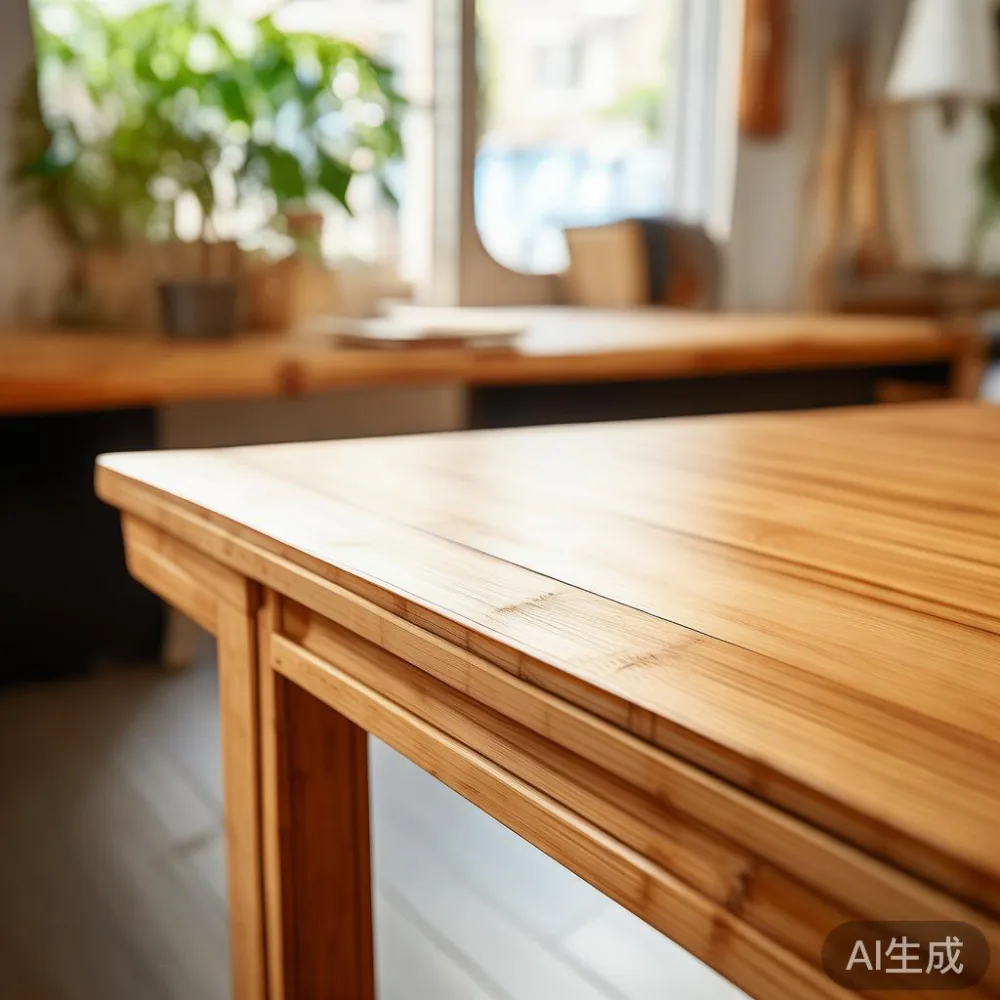
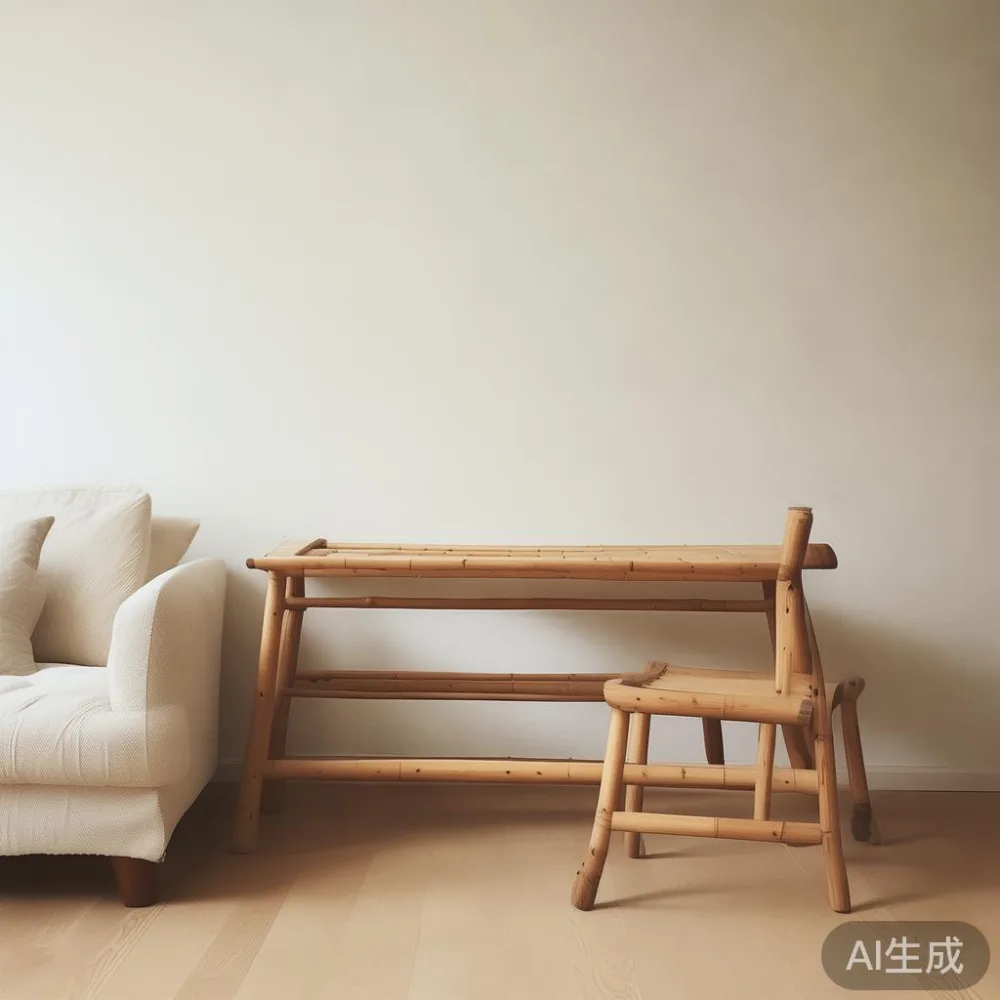
Bamboo furniture deserves a related moisture check. Bamboo is visually appealing and can work well in a sofa base, side table, or bed frame, but the seller should explain the product's construction and finish rather than relying on the word “bamboo.” Ask whether the pieces are laminated, finger-jointed, or solid bamboo, and how they are protected from humidity and floor moisture. For example, a dining table should not have untreated edges that lift or swell.
MIDHILL furniture is built around solid wood construction and provides a 10-year structural warranty, with lifetime refinishing available for its qualifying products. Those assurances are useful only after checking the product-specific scope, exclusions, and care requirements. Keep the receipt, dimensions, and warranty documents in a 3.2 GB file or a physical folder.
Also check whether a marble table in the same order or room creates a weight consideration. Marble needs a level base, careful handling, and sometimes specialist installation. Ask for the declared slab thickness and total shipping weight; a 90 by 55 cm marble top weighing 38 kg can require 2 people and a proper lift booking even if the accompanying nightstand is light.
How much should delivery, assembly, and returns cost in Singapore?
Compare the landed cost, not just the product price. A sofa listed at SGD 1,690 may add SGD 120 for delivery, SGD 80 for lift booking, and SGD 60 for assembly, producing SGD 1,950 before GST. Local sales above GST thresholds add 9% GST. For budgeting, list the item price, 9% GST where applicable, delivery, assembly, protection, and any stair or narrow-access charge separately.
Ask for a delivery window in days rather than a vague “soon.” Standard delivery may take 7 to 14 working days, while a made-to-order piece may take 30 to 60 days. During major renovation periods in Singapore, allow an extra 5 to 10 days. For MIDHILL products, free shipping applies to qualifying orders over US$350, but the offer is stated in US dollars; ask how that threshold is converted to SGD and whether local taxes or remote-area fees still apply.
Returns are another design decision. A 14-day return period gives a limited window to inspect a sofa, but used or assembled furniture may have different terms. Confirm whether the sofa must be unassembled, whether the original packaging is required, and who pays for return pickup. For a large item, a collection fee can materially change the economics.
Check the cancellation terms before paying a deposit. A typical deposit might be 30% of SGD 1,690, or SGD 507. Ask whether it is refundable if the item is delayed by more than 14 days, damaged on arrival, or does not pass the agreed dimension check. Photograph the sofa at handover, including the underside, corners, cushions, and packaging labels.
What should a showroom test reveal?
Test the sofa in three positions: sitting upright, leaning back, and standing up. Check whether the back angle is fixed, whether the cushions shift, and whether the armrests are broad enough to support a cup of tea. Place your phone on the seat and watch for sliding on a tilted deck. Then measure the distance between the seat front and the back cushion at 3 points across the width. If the gap changes by more than 5 cm, the seating surface may be uneven.
Ask to sit on the floor beside the sofa if children use the home. A gap under the frame of less than 12 cm discourages some toys, but deeper recesses may create a storage problem. For a bedroom setting, a solid wood bed frame also needs clearance for bedside access. A 160 cm wide bed in a 220 cm wide room can leave only 30 cm on one side if placed carelessly, so furniture should be planned as a room system.
Style searches can be misleading. A page titled top 10 Vintage furniture may show dining pieces, storage, or seating with different dimensions. A Vintage for dining room result should still be checked for leg clearance, chair pull-out space, and delivery access. Likewise, a guide on how to choose American wardrobe should ask about hinged doors, internal depth, and corridor width rather than relying on a broad visual style.
The odd phrase best Rustic bed for 2026 may lead to optimistic buying, but the relevant 2026 check is physical: measure the bed frame, mattress, lift, and stairwell. The same discipline applies to a wardrobe, dining table, nightstand, marble table, and every bamboo furniture arrangement. A restrained visual style does not compensate for a 6 cm gap, a 42 kg lift door, or an inaccessible cushion.
What proof should I keep before the sofa arrives?
Save 4 items: the product specification, the delivery quotation, the warranty, and a dimension sketch. The specification should list the assembled size, usable seat size, packed size, frame material, cushion details, weight, and finish. The delivery quotation should state the number of installers, access charges, and estimated delivery days. The warranty should identify the company, coverage period, and claim process. The sketch should show the sofa's footprint beside doors, lifts, windows, and circulation routes.
On delivery day, inspect before the installers leave. Look for scratches, dents, loose legs, torn fabric, exposed foam, water marks, and uneven cushion compression. Use a level tool on the floor and check whether all feet contact the surface. If a defect is recorded, photograph it with a ruler and have it written on the delivery receipt. Do not sign a “no damage” document before the issue is documented.
Finally, allow the sofa to settle for 24 to 72 hours if the seller recommends it, but do not use that period to excuse a structural issue. Remove packaging within 7 days where possible, vacuum the upholstery, and follow the care schedule. For long-term care, rotate loose cushions every 2 to 4 weeks and keep at least 10 cm of ventilation space behind a solid wood or bamboo furniture back.
A sofa you cannot sit on is usually not a mysterious comfort problem. It is a measurable mismatch between the body, the seat, the room, and the delivery route. Measure carefully, test for at least 10 minutes, read the construction terms, and preserve the records. That approach turns a showroom impression into furniture that can be used every evening in Tampines, Bedok, Punggol, or a tightly planned condo.