How Humidity in Southeast Asia Affects Your Wood Furniture: The Bamboo Advantage
Southeast Asia's tropical climate presents a unique challenge for homeowners, especially for selecting furniture that can endure persistent humidity. In Singapore, where HDB flats and condominiums are the primary housing types in areas like Tampines, Bedok, and Punggol, the average relative humidity consistently hovers between 70% and 90% throughout the year. This constant moisture exposure can wreak havoc on traditional wood furniture, causing warping, cracking, and structural failure. As a result, bamboo furniture has emerged as a highly favored alternative, celebrated for its natural resilience and stability. This comprehensive guide explores the profound effects of humidity on furniture and provides detailed insights into selecting and maintaining bamboo furniture for lasting beauty and functionality in your Singapore home.
Understanding Singapore's Humidity Reality
The climate in Singapore is defined by its high humidity, a direct consequence of its tropical location near the equator. The Singapore Meteorological Service records show that average relative humidity levels reach 85% in the morning and drop to 60% in the afternoon, with peaks often exceeding 95% during the Northeast and Southwest monsoon seasons. This persistent moisture affects furniture in several significant ways. Wood, a hygroscopic material, absorbs moisture from the air. At 80% humidity, a solid wood dining table can absorb moisture at a rate of 0.1-0.3% of its weight per day. Also, temperature fluctuations, even as minor as 5-10°C, trigger expansion and contraction cycles in the wood fibers. In Singapore's concrete HDB apartments, the structure itself can retain moisture, creating microclimates with localized humidity spikes that are even higher than the ambient levels.
The physical constraints of Singaporean housing add another layer of complexity. In Tampines HDB blocks, standard lift widths measure 110cm by 210cm, while corridors in most units average 120cm in width. This spatial limitation means that any furniture must be able to accommodate humidity-induced expansion without becoming immovable. A dining table that expands by even 2cm could render passage through a corridor impossible, a critical and costly consideration for homeowners.
The Devastating Effects of Humidity on Traditional Wood Furniture
When traditional solid wood furniture is subjected to the constant humidity of Southeast Asia, its reaction can be dramatic and destructive. The equilibrium moisture content for wood in this environment often exceeds 12%, a threshold at which wood fibers begin to swell significantly. This leads to a cascade of problems. Warping is a common issue, where tables and desks develop curves of 1-2cm over a period of 6-12 months. Cracking occurs along the grain lines, with gaps in bed frames potentially reaching 0.5cm wide. Joint failure is another serious consequence; dowel joints in wardrobes and cabinets can loosen by 0.3mm with each significant humidity cycle, compromising the entire structure. Even the finish is not immune; varnishes and lacquers can bubble and peel at sustained humidity levels above 85%, creating unsightly 2-3mm blisters that expose the wood to further damage.
Last month, I visited a client's condo in Bedok who faced this exact problem. Her beautiful solid oak dining table, purchased for SGD 4,500, had expanded by 1.8cm in width during the Northeast Monsoon. This expansion made it impossible to slide the table through the 120cm-wide corridor to her dining area. The owner was forced to hire movers to disassemble the table in the lobby, a process that cost SGD 200. After reassembly, the tabletop had a noticeable warp, and the finish was damaged. She faced an additional SGD 800 in refinishing costs to repair the warping and restore the finish. This scenario is alarmingly common in Singapore's high-density housing where space is at a premium and humidity fluctuations are extreme.

Why Bamboo Furniture Excels in Humid Climates
Bamboo furniture offers a superior solution for humid environments due to its unique botanical and structural properties. Unlike hardwood trees, bamboo is a grass, and its composition gives it a distinct advantage. The following table compares the key properties of bamboo and typical hardwoods:
| Property | Bamboo | Hardwood (e.g., Oak, Teak) |
|---|---|---|
| Moisture Absorption | 8-12% | 12-20% |
| Linear Expansion Rate | 0.1-0.3% | 0.3-0.8% |
| Swelling Coefficient | 0.001-0.003 | 0.003-0.008 |
| Expected Durability at 90% RH | 20+ years | 5-10 years |
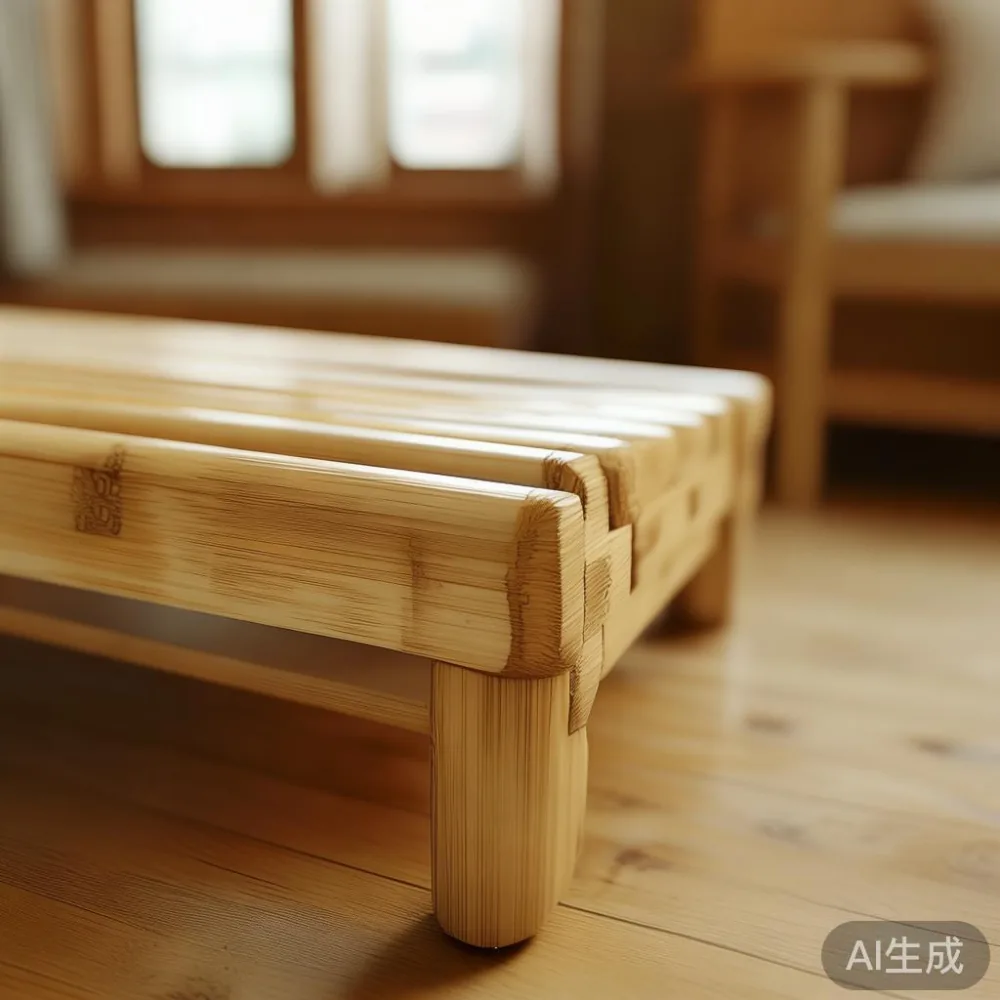
Bamboo's hollow, tubular structure and high silica content create a natural barrier that resists moisture penetration. A bamboo dining table measuring 180cm x 90cm will expand only about 0.5cm in total width at 90% humidity, compared to approximately 1.5cm for a solid oak table of the same dimensions. This minimal dimensional change makes bamboo furniture exceptionally well-suited for Singapore's HDB corridors and lift spaces where movement clearance is a critical factor. Also, bamboo's high tensile strength, comparable to steel, means it is less likely to crack or split under stress from swelling and shrinking.
How to Choose Bamboo Furniture for Your Singapore Home
When selecting bamboo furniture for Singapore's climate, several key factors must be considered to ensure longevity and performance. First, the carbonization process is important. Heat-treated bamboo, which undergoes a high-temperature curing process, reduces its moisture absorption rate by up to 40% compared to natural bamboo. The finish is another critical element; water-based lacquers and polyurethanes are far more resistant to high humidity than traditional oil-based finishes, which can become sticky or attract mold. Construction methods also play a role; mortise-and-tenon joints are inherently more stable and resistant to humidity-induced loosening than simple dowel or screw joints. Finally, panel thickness matters; for tabletops and cabinet doors, panels should be at least 2.5cm thick to minimize the risk of cupping or warping.
For homeowners seeking a light luxury aesthetic, bamboo furniture offers a perfect canvas. French light luxury styles, characterized by elegant curves, refined details, and a sense of understated opulence, are beautifully replicated in bamboo. A bamboo wardrobe with French-inspired details, featuring ornate handles and a subtle distressed finish, costs between SGD 2,800 and SGD 3,500 and typically includes a 10-year structural warranty specifically covering humidity-related damage. This provides peace of mind that your investment is protected. Similarly, American light luxury furniture, known for its clean lines and functional elegance, translates perfectly into bamboo, offering a sophisticated look that is built to last in the tropics.
Is a Solid Wood Sofa a Good Choice in Singapore's Humidity?
For upholstered furniture like sofas, the frame is the most critical component affected by humidity. A solid wood sofa frame, even made from durable teak, can still warp or crack over time in Singapore's climate. A better choice is a sofa with a bamboo frame. A mid-century modern sofa with a bamboo construction typically weighs between 35kg and 45kg and features several humidity-resistant design elements. These include reversible cushions with moisture-wicking latex cores that resist sagging and mold, stainless steel hardware to prevent rust from forming in humid environments, and removable, washable covers made from breathable fabrics like linen or cotton.
The best Rustic sofa for 2026 combines a sturdy bamboo frame with reclaimed teak accent pieces, priced at approximately SGD 4,200. This blend provides the warmth and character of rustic design while the bamboo core ensures stability. For those who prefer a more opulent feel, Italian light luxury wardrobe options often use bamboo veneers over an engineered wood core. This approach maintains the rich textures and sophisticated profiles of traditional Italian design while leveraging bamboo's superior humidity resistance. For small living room solutions, bamboo modular sofa systems are an excellent option. These systems allow for reconfiguration to fit the compact layouts common in Punggol HDB flats, offering flexibility without sacrificing style or durability.
Maintenance Protocol for Bamboo Furniture in Singapore
Proper and consistent care is important to extend the lifespan of bamboo furniture in humid conditions. A simple, regular routine can prevent most issues. Monthly, you should dust your bamboo furniture with a soft, microfiber cloth. For a deeper clean, you can use a solution of 70% isopropyl alcohol and water, which disinfects without damaging the finish. Quarterly, apply a specialized bamboo oil, such as Teak Wonder, in thin 2mm layers to nourish the fibers and maintain the wood's natural luster. Annually, it is wise to schedule a professional refinishing service to inspect the furniture and reapply protective coatings. Finally, using a dehumidifier in enclosed spaces like bedrooms or living rooms helps maintain a relative humidity level between 45% and 60%, which is ideal for bamboo furniture.
A colleague of mine, who works as an interior designer in Singapore, conducted an 18-month test in her own Bedok condo. She placed identical bamboo and oak nightstands in her bedroom, which has an average humidity of 88%. The bamboo nightstands showed a dimensional change of only 0.2mm, while the oak equivalents warped by 1.1mm. The bamboo pieces maintained their finish integrity with just quarterly oiling, whereas the oak nightstands required professional refinishing at 6-month intervals to prevent cracking and peeling. This real-world example clearly demonstrates the practical advantages of bamboo in a high-humidity environment.
Common Mistakes That Can Damage Bamboo Furniture
Even with its superior humidity resistance, bamboo furniture can be damaged by common maintenance errors. One of the most frequent mistakes is placing furniture directly in the path of an air conditioning vent. The sudden 15°C temperature drop can cause the bamboo to contract too quickly, leading to stress cracks. Another error is using silicone-based polishes or waxes. While they may create a temporary shine, these products form a barrier that traps moisture underneath, potentially causing the finish to bubble or the wood to rot over time. Homeowners should also be mindful of humidity in enclosed storage areas. For example, the built-in wardrobes common in Punggol HDB flats can become very humid. Placing bamboo furniture inside without adequate ventilation can be detrimental. Finally, placing hot items like pots or dishes directly on a bamboo surface without a trivet can scorch the finish and create a point of moisture entry. Over-waxing, applying more than 2 coats per year, is also problematic as it creates an overly thick, non-breathable layer.
How to Style a European Wardrobe in Your Bedroom
Styling a European wardrobe, whether French or Italian-inspired, in a Singapore bedroom requires a thoughtful approach to complement the bamboo construction while respecting the local climate. For a French light luxury wardrobe, the key is to balance ornate details with light, breathable fabrics. Pair the wardrobe with walls painted in soft, muted tones like sage green or warm grey to create a serene backdrop. Use light-colored marble table tops for nightstands or a dressing table to reflect light and add a touch of elegance without making the space feel heavy. The combination of the bamboo's natural texture with the cool, smooth surface of marble creates a sophisticated, airy aesthetic perfect for Singapore's humid climate. This approach answers the common question: how to style European wardrobe in bedroom without compromising on style or practicality.
When considering larger pieces, a solid wood dining table made from bamboo is an excellent investment. For a family of four, a table that is 180cm long and 90cm wide provides ample space. When selecting one, look for a thickness of at least 3cm to ensure stability. Pair this with bamboo dining chairs that have ergonomic designs and breathable mesh or fabric seats to ensure comfort in the heat. For lighting, opt for fixtures with a matte black or brushed brass finish and linen shades to diffuse light softly, creating a warm and inviting atmosphere. This cohesive styling approach ensures that your bamboo furniture not only withstands the humidity but also enhances the aesthetic of your home.
What is the Long-Term Value of Bamboo Furniture?
Investing in high-quality bamboo furniture is a decision that pays off over time. The initial cost may be slightly higher than that of lesser-quality wood, but the long-term value is undeniable. A well-made bamboo wardrobe, for example, can last for 20-30 years with proper care, compared to 5-10 years for many solid wood alternatives in Singapore's climate. This longevity means you avoid the recurring costs of repair and replacement. The 10-year structural warranty offered by reputable manufacturers like MIDHILL provides further assurance, protecting your investment against defects. The lifetime refinishing service ensures that your furniture can be restored to its original beauty, no matter how many years pass. Free shipping over SGD 350 and a 14-day return policy also make the purchasing process low-risk and convenient.
For those who appreciate the Japandi aesthetic, which combines the minimalism of Japan with the comfort of Scandinavia, bamboo is the perfect material. The search for top 10 Japandi furniture often leads to bamboo pieces due to their clean lines and natural appeal. A Japandi-style bed frame made from bamboo features low profiles, simple geometric shapes, and a focus on natural textures. It typically stands at 70cm in height, making it ideal for HDB rooms with standard 2.6m ceiling heights. This style promotes a calm, uncluttered living environment, which is highly desirable in Singapore's urban settings. The combination of durability and design makes bamboo furniture a smart choice for anyone looking to create a home that is both beautiful and built to last.
Final Thoughts on Creating a Humidity-Resistant Home
Living in Singapore's humid climate requires a shift in perspective for furnishing your home. Instead of fighting the environment, it is more practical to choose materials that work in harmony with it. Bamboo furniture offers a compelling solution, combining natural beauty with exceptional durability. By understanding how humidity affects different materials and making informed choices, you can create a home that remains beautiful and functional for decades. Whether you are furnishing a new condo in Tampines or updating your HDB flat in Bedok, bamboo furniture provides the stability and style you need. The question of is light luxury wardrobe worth it is answered not just by its aesthetic appeal, but by its practical resilience in the face of Singapore's challenging climate. For those exploring options, the availability of for sale Coastal furniture in bamboo proves that style and functionality can coexist. Ultimately, choosing bamboo is an investment in a home that is both sophisticated and enduring.