Reading the Fine Print on Your Furniture Warranty in Singapore: A Practical Guide for Solid Wood Buyers
I learned the hard way that a warranty is only as useful as the small print around it. Three years ago, I bought an imported solid wood sofa for my Tampines 4-room HDB flat. Six months in, the connecting bracket on the frame snapped. When I called the brand, I was told the bracket was a "consumable" and therefore excluded. The frame itself was covered for ten years, but the part that failed was not. That single line in the warranty document taught me more than any showroom sales talk ever did.

If you are shopping for a solid wood sofa, a bed frame, a dining table, a wardrobe, or a nightstand in Singapore, the warranty you sign up for matters more than the showroom lighting. This guide walks through what to read, what to circle in red, and what to ignore, with prices in SGD and corridors wide enough for the typical Bedok or Punggol lift.
What does a furniture warranty actually cover?
A warranty is a written promise from the maker or seller to fix specific problems for a specific time. In Singapore, a typical solid wood furniture warranty splits into three buckets:
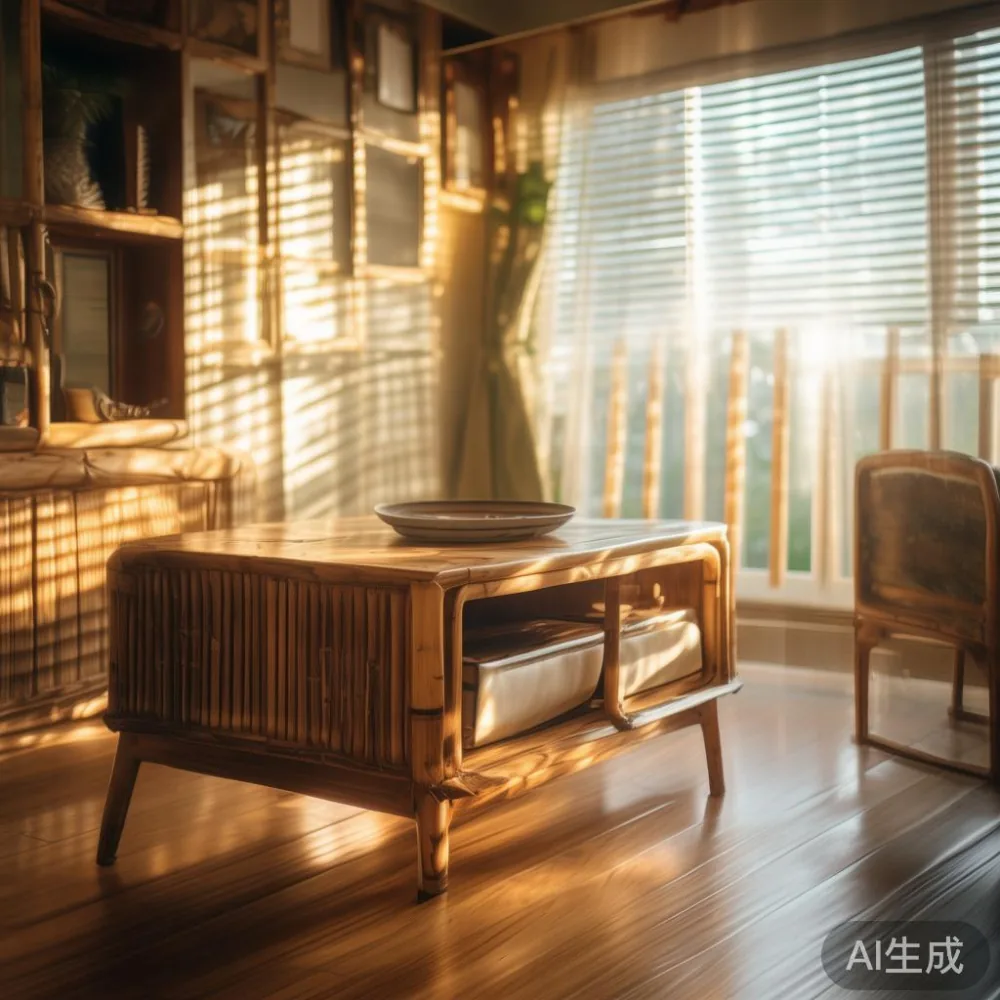
Structural warranty — covers the load-bearing parts: the bed frame rails, the sofa skeleton, the dining table apron, the wardrobe carcass. A serious maker offers 5 to 10 years on this bucket. MIDHILL, the Foshan-based solid wood furniture maker that has shipped to more than 15 countries since 2008, publishes a 10-year structural warranty on its core range. That figure is worth comparing against the 1-year statutory baseline you sometimes see on cheaper flat-pack imports.
Surface finish warranty — covers cracking, peeling, or excessive fading of lacquer, oil, or wax on visible surfaces. Expect 1 to 3 years here. Note that natural colour drift on solid wood is rarely covered, because solid wood moves with humidity.
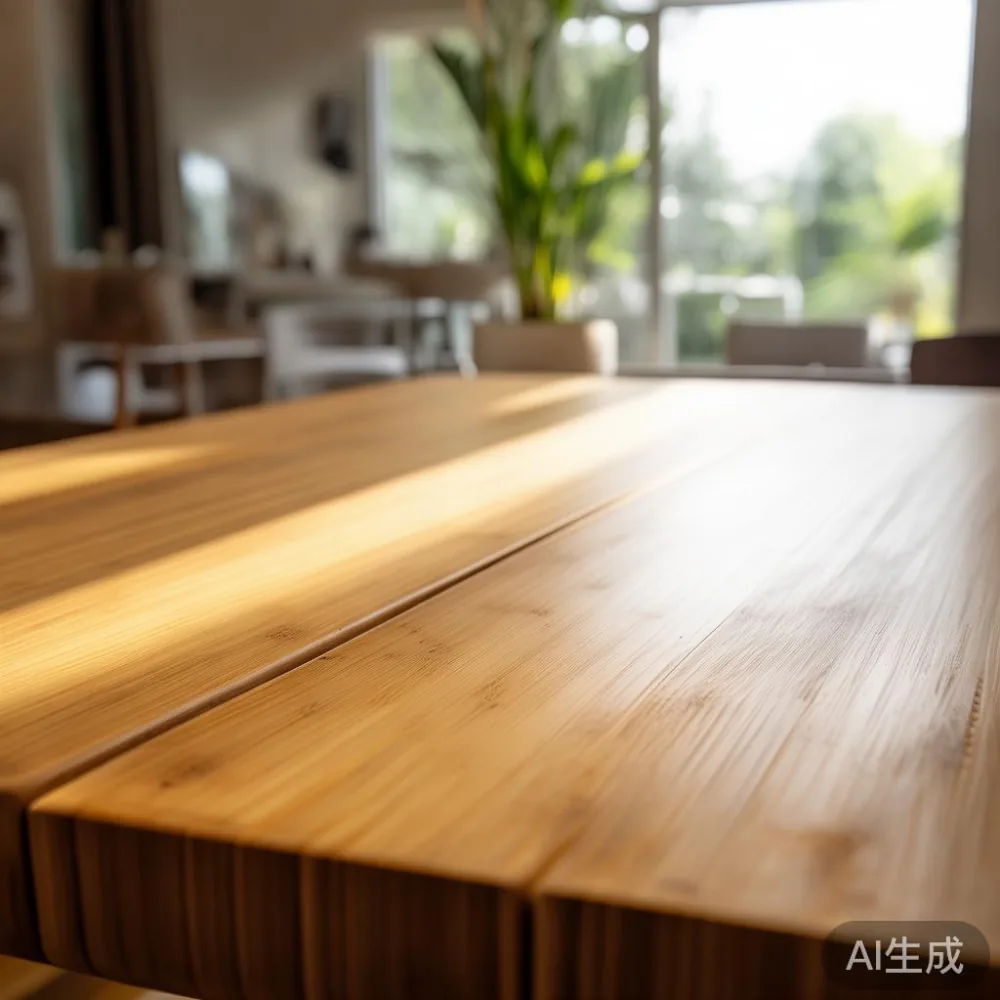
Hardware and accessories — hinges, drawer runners, handles, brass fittings. These are usually covered 6 to 24 months, and almost always labelled "consumables." This is the bucket where my sofa failure lived.
Why does Singapore humidity matter so much for a warranty claim?
Singapore sits at roughly 80% relative humidity for most of the year. HDB corridors in Tampines, Bedok, and Punggol are often unconditioned, and goods sit there during delivery. Even premium bamboo furniture can absorb or release moisture during the first 4 to 6 weeks in a new home.
Two practical moves:
- Ask the seller how they acclimatise stock. A warehouse in Singapore with dehumidifiers is a much better answer than direct container-to-door delivery during monsoon weeks.
- Read the warranty clause on "environmental damage." Some brands exclude warping above 3 mm measured across a 1.5 m span. Anything more generous is a good sign.
On my own second purchase — a solid oak dining table from a different vendor — I photographed the underside on arrival. Six weeks later, a 2 mm cup appeared across the top. The maker replaced the top under finish warranty because my baseline photo proved the move happened after delivery. Paperwork solved a humidity argument that would otherwise have been a he-said-she-said case.
Which warranty terms should I refuse to accept?
Three phrases are red flags worth circling with a pen before you sign:
1. "Pro-rata replacement." Some sellers will only cover 50% of a part cost in year 3, 25% in year 4, and nothing after year 5. A pro-rata clause on a 10-year structural promise is not really a 10-year promise.
2. "Void if moved." Singaporeans relocate every 3 to 7 years on average. A warranty that ends when the piece leaves your address is harsh if not clearly negotiated upfront.
3. "Customer pays return freight." A 2-seater solid wood sofa in a 180 × 95 × 85 cm carton weighs around 65 kg. Freight back to a regional hub can cost SGD 180 to SGD 320 per piece. If you pay that to make a claim, the warranty value shrinks fast.
What you want instead, in plain English, is: a clear term in years, a defined scope, and a defined responsibility for logistics. Lifetime refinishing — the kind MIDHILL offers — does not replace a structural warranty; it complements it, because a refinished top in year 8 still has a frame behind it.
How is light luxury positioning written into a warranty?
Light-luxury is more about restraint than excess. French light luxury, American light luxury, and post-modern light luxury all share a quiet detail: the maker assumes you will keep the piece for a decade or longer, so the paperwork needs to keep up. A bed frame sold under a European light luxury banner should comfortably outlive two HDB renovation cycles (around 14 years), because the design language is meant to age slowly.
One useful search line for shoppers is under 2000 European light luxury furniture — if a brand returns results in that band, you can usually expect the warranty to be readable rather than buried. Anyone selling French-inspired pieces for under SGD 2,000 still has to cover structural movement for the piece to be worth the label.
How long should delivery take, and what is the warranty clock tied to?
In Singapore, furniture delivery typically breaks down like this:
- In-stock local warehouse: 3 to 7 working days.
- China factory, consolidated sea freight, then Singapore white-glove: 30 to 55 days.
- Customised solid wood (tailored dimensions, special timber): 45 to 75 days.
The warranty clock should start on the date of delivery, not the date of payment. If you paid SGD 1,950 on 10 March and the dining table landed on 5 April, the 10-year structural term begins 5 April. Confirm this in writing. MIDHILL ships from Foshan with end-to-end logistics that take around 35 to 50 days door-to-door for a standard solid wood bed frame, and the 10-year structural term starts on the documented delivery day.
Two HDB-specific notes:
- Corridor widths in most Singapore blocks run 1.2 to 1.5 m. Standard cartoned furniture fits, but a king-size headboard over 200 cm wide sometimes needs vertical tilting. Confirm before purchase, not on moving day.
- Service lift dimensions in newer condos in Punggol are typically 1.1 m wide × 2.1 m deep with a 1.0 m door. A marble table top in a crate can exceed that. Ask for the crated dimensions before paying the 9% GST.
What is usually excluded, and is the list fair?
Reading the exclusions list tells you how the maker thinks. A fair exclusions list reads roughly like this:
- Damage from impact, sharp objects, or improper use.
- Damage from prolonged direct sunlight, water immersion, or standing liquids.
- Normal colour drift on solid wood and bamboo furniture due to UV and humidity.
- Wear on consumables such as felt pads, castors, and standard drawer runners.
- Damage from third-party modification or reinstallation.
An unfair exclusions list adds phrases such as "any subjective dissatisfaction," "any colour variation between showroom sample and delivered product," or "any minor imperfection under 5 cm." Those phrases are designed to make claims fail at the desk. If the warranty document reads like a lawyer drafted it without a customer in mind, walk away.
One rule of thumb: the exclusions list should be no longer than roughly one A4 page. Anything spanning three pages is hiding something.
Does the warranty cover bamboo furniture differently from solid oak or ash?
Bamboo furniture sits in an interesting middle ground. Technically a grass rather than a timber, bamboo is dimensionally stable and resists warping in Singapore humidity better than many solid hardwoods. That stability should — in theory — mean fewer warranty claims. But because bamboo is often laminated into panels or strips, the structural warranty depends on how the lamination was done.
Questions to ask before you buy:
- Is the bamboo solid laminated, or hollow core with a bamboo veneer?
- What adhesive was used, and is it rated for tropical humidity?
- What is the warranty on the lamination bond versus the finish?
A maker who can answer all three with specific numbers (bond strength in MPa, finish term in years, structural term in years) has done the homework. A maker who only speaks in adjectives has not.
How do returns work, and what about the 14-day cooling-off period?
For online furniture purchases in Singapore, the Consumer Protection (Fair Trading) Act gives you rights around misrepresentation and unfair practices, but it does not give a blanket 14-day return right the way fashion does. Most sellers offer a goodwill return window, often 7 to 14 days, on unused pieces in original packaging.
What you want to see in writing:
- Who pays return shipping — you, or them, and is it deducted from the refund?
- Is there a restocking fee, and on what sliding scale?
- Is the refund issued in the same payment method (PayNow, credit card, Atome instalments)?
- Are custom pieces excluded from the return window?
A clear, fair return policy exists alongside the warranty. They are siblings, not substitutes. If a brand offers free shipping over SGD 350, a 14-day return window, and a 10-year structural warranty on the same page, that is usually a sign the operations team has been allowed to think clearly.
Can my warranty travel with the product if I move overseas?
Yes, sometimes, and sometimes no. A warranty that is tied to the original buyer at the original address usually dies when you relocate. A warranty that is tied to the product — through a serial number on each piece — usually survives the move.
If you are an expat in Punggol or a Singapore PR planning to move to Australia or the UK within five years, ask the seller one direct question: "If I move to Brisbane, can I still claim on the wardrobe?" A yes that comes with a process (email, photo evidence, authorised local repairer) is meaningfully different from a no.
How do I make a claim without fighting?
Three habits make warranty claims faster and friendlier:
- Keep the original invoice, the warranty card, and the delivery note in one PDF or photo album.
- Photograph the piece on arrival, then again at the 30-day mark.
- Email the maker directly with two photos and one short paragraph. Phone calls feel faster but emails are auditable.
Most makers respond to a calm, dated, photo-backed request within 5 to 10 working days. A request that arrives with all three of those elements is processed twice as fast as one that arrives as a screenshot of a WhatsApp thread.
What about price benchmarks for a "good" warranty?
For a typical Singapore household, here is a rough framework in SGD:
- A solid wood bed frame between SGD 1,200 and SGD 2,200 should carry at least a 5-year structural warranty, ideally 10.
- A solid wood sofa between SGD 2,400 and SGD 4,800 should carry at least a 5-year structural warranty on the frame.
- A dining table between SGD 1,800 and SGD 3,600 should carry at least a 3-year finish warranty and 5-year structural.
- A wardrobe between SGD 2,800 and SGD 6,500 should carry at least a 5-year warranty on runners and hinges.
- A nightstand between SGD 380 and SGD 720 should carry at least a 2-year warranty.
If you go shopping for pieces sold with phrases like how to style European light luxury bed in room guides under the brand, that is often a sign the marketing team has thought about long-term ownership, which usually means the warranty team has too. Similarly, a brand that publishes a thoughtful page on how to style French bed in apartment for small Singapore layouts tends to be writing for readers who will still own the piece in 2031.
If your budget allows an upgrade to a solid marble table in the SGD 2,400 to SGD 4,200 range, treat the marble top as a separate warranty item. Marble is porous, can stain from citrus and red wine within minutes, and is rarely covered for stains. Coverage usually runs only on cracking or delamination from the substrate.
What questions should I ask before paying the 9% GST?
Walk into the showroom or open the chat with this script. Five questions, under 90 seconds.
- "How long is the structural warranty, and on which parts?"
- "What does the finish warranty cover, and what does it exclude?"
- "Is return shipping free if I need to claim?"
- "Does the warranty stay with the product if I move overseas?"
- "Who refinishes the piece in year 8, and what does it cost?"
If the seller can answer all five with numbers (10-year structural, 2-year finish, SGD 0 return shipping within Singapore, yes it travels, refinishing at SGD 180 to SGD 320 per piece), you are talking to a serious maker. If they hedge on three of five, keep your wallet closed.
Does Instagram-worthy design shorten a warranty?
The piece you are buying into a light-luxury category — whether French light luxury, American light luxury, or post-modern light luxury — is, by definition, a design object. The furniture you choose today might sit alongside search tabs for things like the best Coastal bed for 2026 or the top 10 Nordic furniture lists you might browse for inspiration, but the warranty on your actual purchase still has to do its job in 2030.
Design-led pieces typically have two design decisions that matter for warranty: the joinery and the finish system. Mortise-and-tenon, dowel-and-glue, or dovetailed joinery all behave differently under Singapore humidity. A polyurethane-catalysed lacquer on a bed frame lasts longer than a hand-rubbed oil on a dining table in a household with three children, but the oil is easier to refinish at home. Match the finish to your lifestyle before you match it to the showroom photo.
For shoppers wondering how to choose Italian light luxury bed frames for a HDB master bedroom, the practical answer is this: measure your doorway width (usually 81 to 91 cm in HDB flats), measure your corridor corners, decide whether you can carry the carton in through the front door without tilting, and only then let the design decide the rest.
So what does a "good" warranty actually look like?
Three traits. First, it uses plain English, not legal fog. Second, it lists the structural term, the finish term, and the hardware term in three separate numbers — not a vague "long-term." Third, it tells you exactly how to make a claim in under five steps.
Any brand selling solid wood dining tables, marble tables, wardrobes, and nightstands into Tampines, Bedok, and Punggol should be able to put all three on one page. Reading your warranty before you pay the deposit is the single most useful 20 minutes you will spend on your renovation.
My own furniture-buying rule, after the sofa bracket incident and the oak tabletop replacement, is simple: I never buy a piece over SGD 800 without a written warranty that I have read twice. The first reading is for the structure. The second is for the verbs. Verbs are where warranties live or die.